الدليل النهائي لبطاريات LiFePO4: كل ما تحتاج إلى معرفته
مقدمة لتقنية LiFePO4
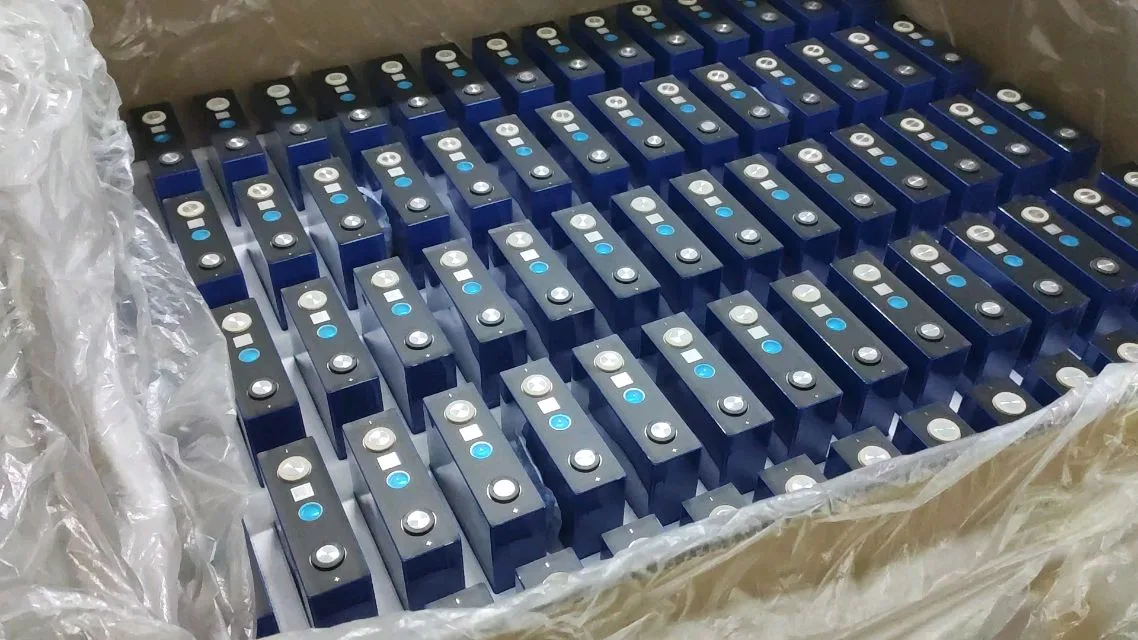
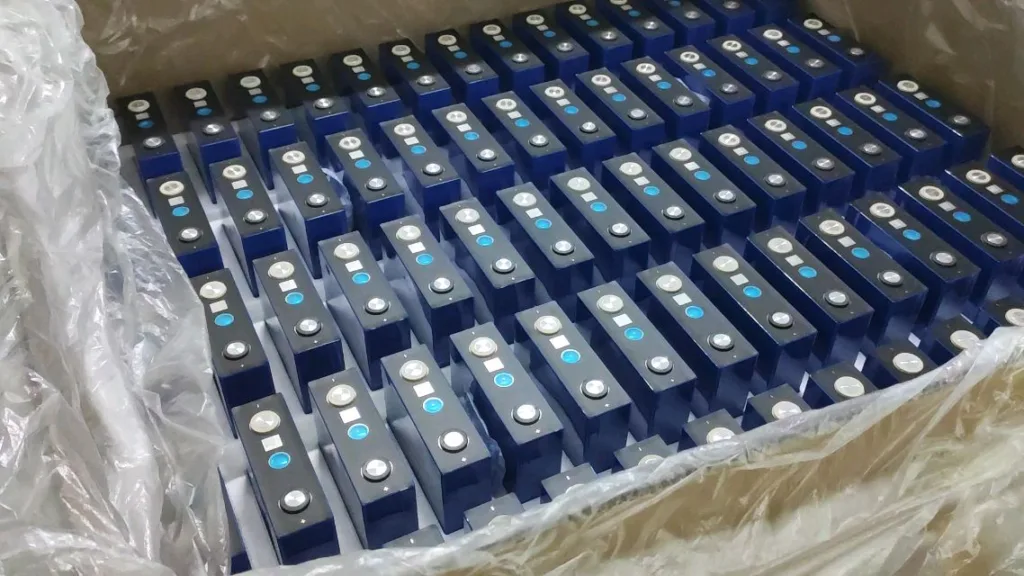
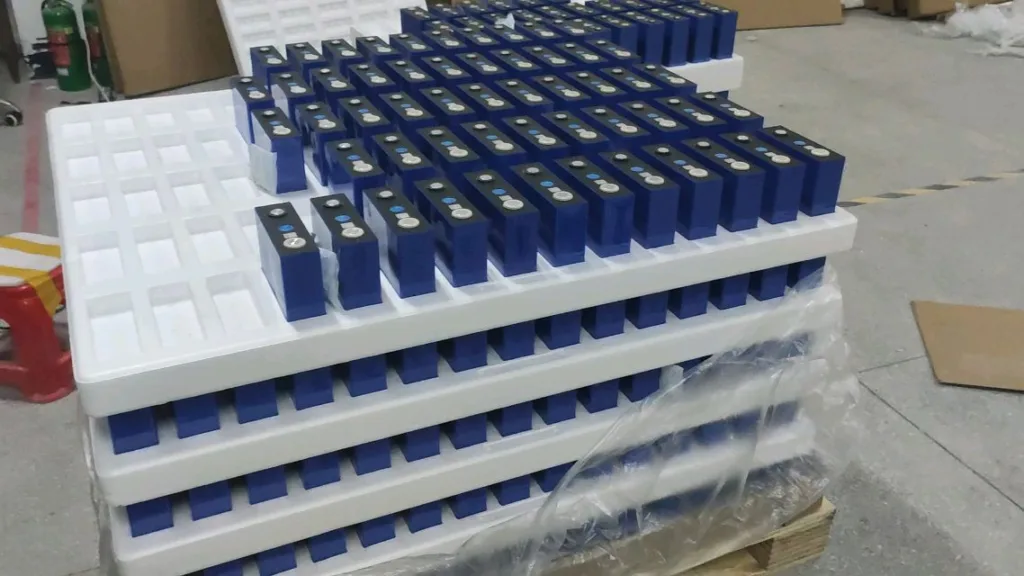
LiFePO4 (فوسفات الحديد الليثيوم) تمثل البطاريات طفرة في تخزين الطاقة القابلة لإعادة الشحن. على عكس كيمياء أيونات الليثيوم التقليدية (على سبيل المثال, على أساس الكوبالت), يستخدم LiFePO4 مستقرًاهيكل بلورات الزبرجد الزيتوني التي تقاوم بطبيعتها الهروب الحراري, مما يجعلها واحدة من أكثر أنواع بطاريات الليثيوم المتوفرة أمانًا. توفر هذه الكيمياء دورة حياة استثنائية, الفوائد البيئية, وأداء قوي عبر تطبيقات متنوعة، بدءًا من السيارات الكهربائية وحتى تخزين الطاقة المنزلية.
1. المزايا الأساسية لبطاريات LiFePO4
- طول العمر استثنائي:
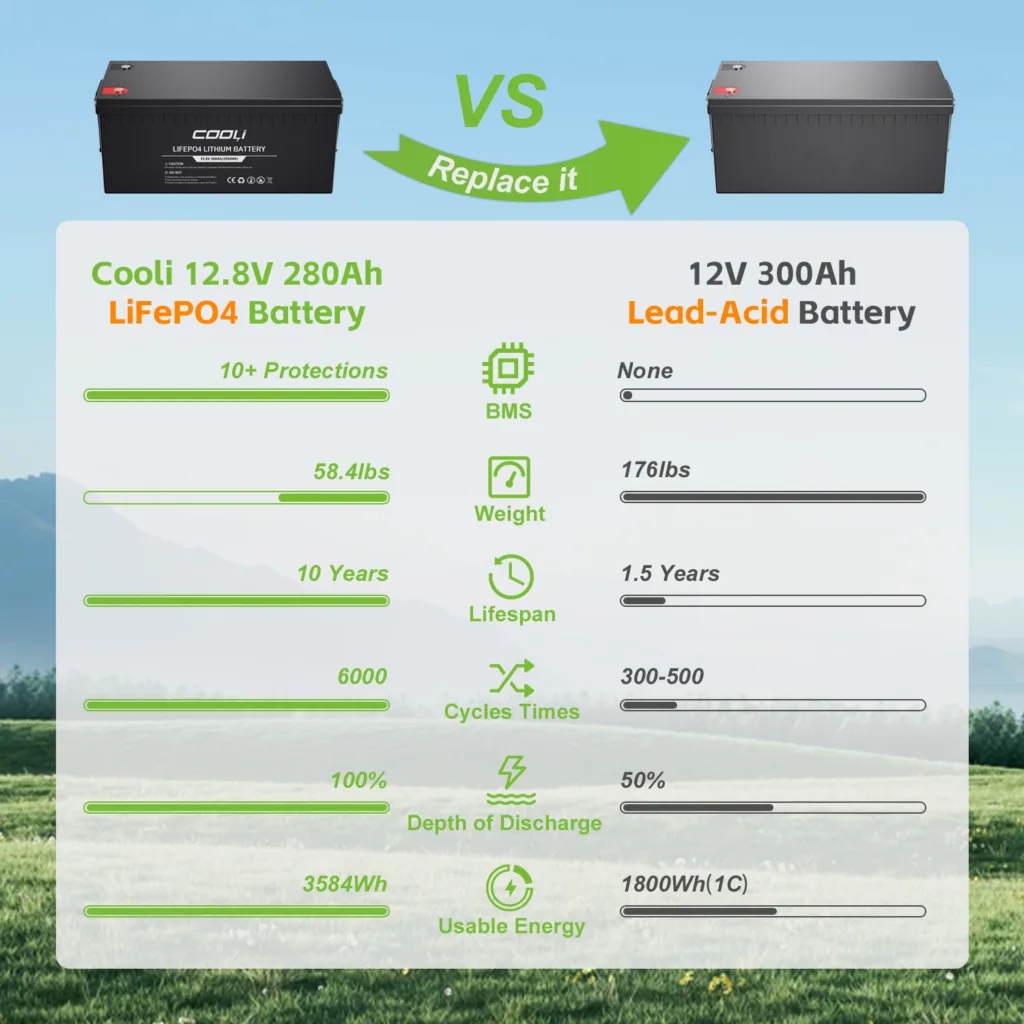
مع3,000-6,000 دورة في 80% عمق التفريغ (وزارة الدفاع), تتفوق بطاريات LiFePO4 على حمض الرصاص (300-500 دورة) وبطاريات الليثيوم أيون القياسية. تمت صيانتها بشكل صحيح, يمكنهم الاستمرار7– 10 سنوات—4x أطول من بدائل حمض الرصاص. - تعزيز السلامة:
تظل رابطة الحديد والفوسفات مستقرة حتى500درجة مئوية, القضاء على مخاطر الانفجار أثناء الشحن الزائد, دوائر قصيرة, أو الأضرار الجسدية. وهذا يجعل LiFePO4 متوافقًا مع معايير السلامة الصارمة مثلإكسيك بنك الاستثمار الدولي T4 جي سي. - أداء عالٍ في الظروف القاسية:
- تعمل بين-20درجة مئوية إلى 60 درجة مئوية مع الحد الأدنى من فقدان القدرات (على سبيل المثال, 70% الاحتفاظ بالسعة عند -40 درجة مئوية).
- يدعمالشحن السريع (معدل يصل إلى 2C), الوصول 100% القدرة في 40 دقائق مع شاحن متوافق.
- صديقة للبيئة:
لا يحتوي على الكوبالت السام, يقود, أو الكادميوم. يحقق95% قابلية إعادة التدوير ويقلل من البصمة الكربونية بنسبة 40% مقارنة ببطاريات الرصاص الحمضية.
2. الجهد االكهربى & خصائص القدرات
خلايا LiFePO4 لها جهد اسمي قدره3.2الخامس. مقياس التكوينات لتلبية متطلبات النظام:
| جهد النظام | الشحن الكامل (الخامس) | 20% وزارة الدفاع (الخامس) | 0% سعة (الخامس) |
|---|---|---|---|
| 12الخامس | 14.6 | 12.8 | 10.0 |
| 24الخامس | 29.2 | 25.6 | 20.0 |
| 48الخامس | 58.4 | 51.2 | 40.0 |
الملاحظات الرئيسية:
- تجنب التفريغ أدناه2.5V لكل خلية (على سبيل المثال, 10V لأنظمة 12 فولت) لمنع الضرر الذي لا يمكن إصلاحه.
- يستريح الجهد (بعد 30+ دقائق خاملة) هي حالة الشحن الأكثر دقة (شركة نفط الجنوب) مؤشر.
3. تعظيم العمر الافتراضي: أفضل ممارسات الصيانة
- إدارة الشحن:
- النطاق المثالي: يحافظ على20-80% شركة نفط الجنوب أثناء الاستخدام اليومي. يتجنب 100% رسوم كاملة ما لم يكن ذلك ضروريا.
- حدود الجهد: استخدم أجهزة الشحن الخاصة بـ LiFePO4 مع انقطاع التيار الكهربائي عند3.65الخامس / الخلية (14.6V لأنظمة 12 فولت).
- التحكم في درجة الحرارة:
- تخزين/تشغيل بين0درجة مئوية – 45 درجة مئوية (32درجة فهرنهايت – 113 درجة فهرنهايت). أقل من 0 درجة مئوية, يحدث طلاء الليثيوم; فوق 45 درجة مئوية, يتسارع التدهور.
- تجنب التصريفات العميقة:
أبدا التفريغ أدناه20% شركة نفط الجنوب (3.0الخامس / الخلية). تؤدي عمليات التفريغ الأعمق إلى فقدان القدرة الدائمة. - بروتوكول التخزين:
- متجر في30-50% شركة نفط الجنوب في جاف, 15-25 درجة مئوية بيئة. إعادة شحن كل 6 أشهر لمنع الإفراط في التفريغ.
4. تثبيت & نصائح التكوين
- سلسلة مقابل. اتصالات متوازية:
- مسلسل: يزيد الجهد (على سبيل المثال, 4× 12 فولت = 48 فولت). يتطلببطاريات متطابقة و أموازنة نظام إدارة المباني لمنع انحراف الجهد.
- موازي: يزيد من القدرة (على سبيل المثال, 4× 100 أمبير = 400 أمبير). استخدم كابلاتنفس الطول/AWG لضمان تيارات متوازنة.
- خطوات السلامة الحاسمة:
- محطات آمنة معمفاتيح عزم الدوران (12-15 نيوتن متر) لتجنب الاتصالات فضفاضة.
- قم بتنظيف المحطات بانتظام باستخدام أفرشاة سلكية لمنع المقاومة الناجمة عن التآكل.
- دائما دمج أنظام إدارة البطارية (خدمات إدارة المباني) لمراقبة الجهد, درجة حرارة, والحالية.
5. أعلى التطبيقات
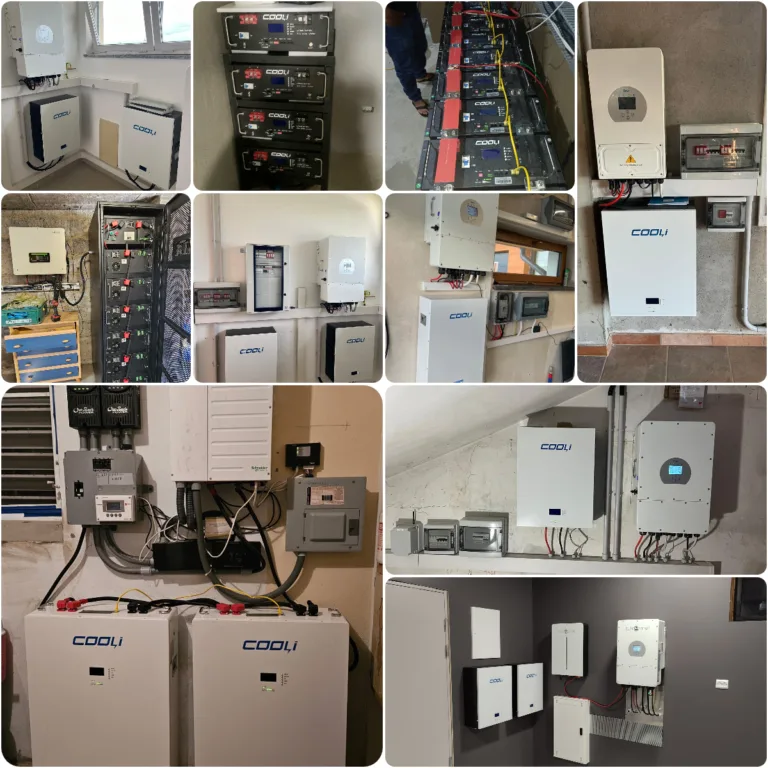
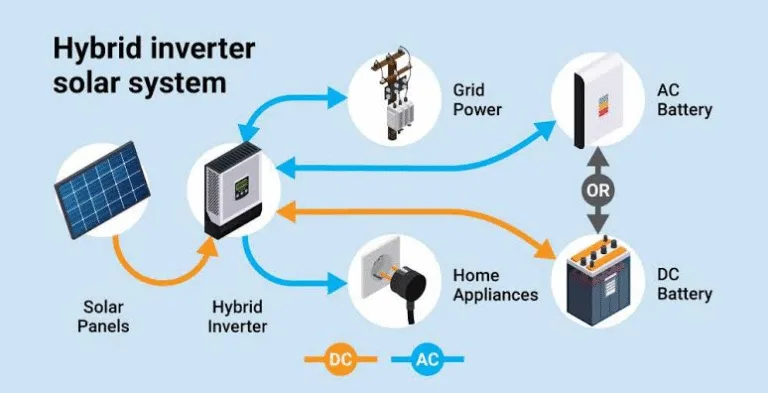
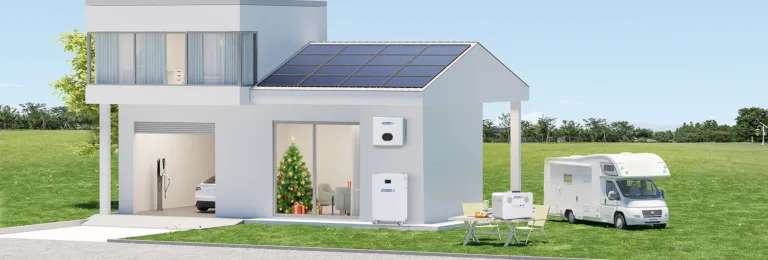
- تخزين الطاقة المتجددة: مثالية لأنظمة الطاقة الشمسية/طاقة الرياح نظرًا لتحملها العالي لوزارة الدفاع 10+ عمر سنة.
- سيارة كهربائية: تستخدم في المركبات الكهربائية, عربات الغولف, والرافعات الشوكية للتسليم الحالي العالي (ما يصل إلى 10C) والشحن السريع.
- البحرية / المركبات الترفيهية: مقاومة للاهتزاز, لا يتطلب أي تهوية, وتعمل بأمان في الأماكن الضيقة.
- الطاقة الاحتياطية: يستبدل حمض الرصاص في أنظمة UPS بـ 50% تخفيض الوزن وكثافة الطاقة 2x.
6. مقارنة مع البطاريات الأخرى
| معامل | LiFePO4 | حمض الرصاص | ليثيوم أيون قياسي |
|---|---|---|---|
| دورة الحياة | 3,000-5000 | 300-500 | 500-1000 |
| كثافة الطاقة | 90-120 واط/كجم | 30-50 واط/كجم | 150-200 واط/كجم |
| انتهت التكلفة 10 سنين | $$$ | $$$$ | $$$$ |
| أمان | ممتاز | جيد | معتدل |
7. استكشاف المشكلات الشائعة وإصلاحها
- تتلاشى القدرة: ناجمة عن التصريفات العميقة أو التخزين في درجة حرارة عالية. إعادة المعايرة مع دورة الشحن/التفريغ الكاملة.
- اختلال الجهد: في تكوينات سلسلة, استخدام BMS مع موازنة نشطة لموازنة الفولتية الخلية.
- تورم/تسريبات: قم بعزل البطارية على الفور. غالبًا ما ينتج عن الضرر الجسدي أو الشحن الزائد المزمن.
مستقبل تكنولوجيا LiFePO4
تركز الابتكارات على تعزيز كثافة الطاقة (>160 واط/كجم) وخفض التكاليف من خلالالهجينة أيون الصوديوم. مع تشديد ولايات الاستدامة, من المتوقع أن يهيمن LiFePO4 70% من أسواق المركبات الكهربائية وتخزين الشبكة 2030.
للنصيحة: لأنظمة الطاقة الشمسية, إقران LiFePO4 معوحدات تحكم MPPT (على سبيل المثال, 14.6امتصاص V لبطاريات 12 فولت) لتحسين الحصاد ومنع الشحن الزائد.
تعمل بطاريات LiFePO4 على دمج السلامة, طول العمر, والكفاءة البيئية - مما يجعلها حجر الزاوية في تخزين الطاقة الحديثة. من خلال الالتزام بحدود الجهد, إرشادات درجة الحرارة, وأفضل ممارسات ركوب الدراجات, يفتح المستخدمون عقودًا من الأداء الموثوق.
目录册-23.6.7修改_04-768x569.webp "5 قواعد شراء LiFePO4 السعودية الهامة: يحفظ & يمتثل!")