
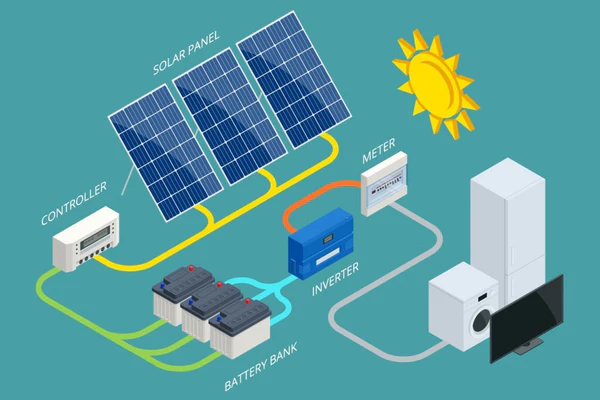
Jak vypočítat kapacitu solární baterie? 3 Kroky k dokonalé velikosti
(Praktický průvodce pro africké domácnosti a firmy, se zaměřením na Jižní Afriku)
Přizpůsobení kapacity solární baterie harmonogramu snižování zátěže v Africe
V regionech, jako je Jižní Afrika a další části Afriky, časté výpadky proudu a nespolehlivá elektřina ze sítě dělají ze solárních energetických systémů záchranné lano pro domácnosti a podniky. Klíčovou součástí každého solárního nastavení je baterie, která ukládá energii pro použití, když nesvítí slunce. Však, výběr špatné kapacity baterie může vést k vyhozeným penězům, nedostatečný výkon, nebo zkrácení životnosti baterie.
Tato příručka rozebírá proces výpočtu kapacita solární baterie ve třech jednoduchých krocích, přizpůsobené jedinečným energetickým potřebám Afriky, klima, a solárním potenciálem.

Krok 1: Určete svou denní spotřebu energie
Před dimenzováním baterie, musíte vědětkolik energie denně spotřebuje vaše domácnost nebo firma.
- Uveďte všechny elektrické spotřebiče plánujete napájet solární energií.
- Typické spotřebiče v afrických domácnostech: LED světla (5– 10W), lednice (100-200W), televizory (50– 100W), fanoušků (50W), mobilní nabíječky (10W), a malá vodní čerpadla (200-500W).
- Pro podniky: Počítače, směrovače, bezpečnostní kamery, nebo strojní zařízení.
- Spočítejte si denní spotřebu energie (ve watthodinách, Wh):
- Moc (W) × Hodiny používání za den = Denní energie na spotřebič.
- Příklad:
- 5 LED světla (10W každý) × 6 hodiny = 300 Wh
- Lednička (150W) × 24 hodin (cykly zapnutí/vypnutí) ≈ 900 Wh
- televize (80W) × 4 hodiny = 320 Wh
- Celková denní energie = 300 + 900 + 320 = 1,520 Wh (1.52 kWh)
- Faktor neefektivity:
- Solární systémy ztrácejí energii kvůli neefektivitě invertoru (~10–20 %) a ztráty při nabíjení/vybíjení baterie (~10–15 %).
- Vynásobte celkovou denní energii1.3 (30% vyrovnávací paměť):
- 1.52 kWh × 1.3 = ~2 kWh za den.
Krok 2: Vypočítejte kapacitu baterie na základě dnů autonomie
Kapacita baterie závisí nakolik dní potřebujete záložní napájení (dny autonomie). V Jižní Africe, kde je odkládání zátěže běžné, 2– 3 dny autonomie jsou praktické.
1.Vzorec:
Kapacita baterie(kWh)= Denní energie(kWh)× Dny autonomie
- Příklad: Pro 2 dny autonomie:
2 kWh/den × 2 dny = 4 kWh
2.Převod kWh na ampérhodiny (Ah):
- Baterie jsou dimenzovány v Ah při určitém napětí (např., 12PROTI, 24PROTI, 48PROTI).
- Vzorec:

- Příklad: Pro 48V systém:

3.Faktor hloubky vybití (DoD):
- Většina baterií (např., lithium-iontová) neměla by se vybíjet pod 80–90 % DoD. Olověné baterie jsou omezeny na 50% DoD.
- Upravte kapacitu:

- Příklad: Pro lithium-iontové (90% DoD):

Krok 3: Přizpůsobte kapacitu baterie výkonu solárního panelu
Vaše baterie se musí shodovat s nabíjecí schopností pole solárních panelů.
- Zkontrolujte denní solární energii:
- Jihoafrický průměr4– 6 špičkových slunečních hodin denně (se liší podle sezóny).
- Vzorec:Výstup solárního panelu(Wh)=Výkon panelu × Nedělení hodiny Výstup solárního panelu(Wh)=Výkon panelu × Nedělní hodiny
- Příklad: 400W panely × 5 sluneční hodiny = 2,000 Wh (2 kWh).
- Ujistěte se, že panely mohou dobíjet baterii:
- Denní solární energie by měla převyšovat denní spotřebu energie.
- Příklad: Pokud použijete 2 kWh/den a generovat 2 kWh/den, budete potřebovat další kapacitu pro zatažené dny.
- Účet pro rozšíření systému:
- Přidejte 20–30 % kapacity baterie navíc pro budoucí potřeby (např., přidání spotřebičů).
Klíčové úvahy pro africké uživatele
- Typ baterie:
- Lithium-iontová: Delší životnost (10+ let), vyšší DoD (90%), ale nákladné.
- Kyselina olova: Levnější, ale kratší životnost (3– 5 let) a nižší DoD (50%).
- Teplota:
- Vysoké teploty (běžné v Africe) snížit účinnost baterie. Baterie instalujte ve stínu, větraných prostorech.
- Místní podpora:
- Vyberte si značky se servisními středisky ve vašem regionu (např., Huawei, Victron Energy, nebo místní dodavatelé).
Příklad výpočtu pro jihoafrickou domácnost
- Spotřebiče: 10 světla (100W celkem), lednička (150W), televize (80W), větrák (50W).
- Denní energie: 1.5 kWh + 30% vyrovnávací paměť = 1.95 kWh.
- Autonomie: 2 dny → 3.9 kWh.
- Napětí baterie: 48V → 3.9 kWh × 1,000 / 48V = 81.25 Ah.
- Lithium-iontová (90% DoD): 81.25 Ah / 0.9 ≈ 90 Ah.
- Doporučená baterie: 100 Ah lithium-iontové (48PROTI).
Závěrečné tipy
- Pro přesnost použijte solární kalkulačku.
- Poraďte se s místními instalačními firmami, aby váš návrh ověřili.
- Upřednostněte energeticky účinná zařízení, abyste snížili velikost baterie a náklady.
Podle těchto kroků, zajistíte, že váš solární bateriový systém bude splňovat vaše potřeby, přežije uvolnění zátěže, a odolá africkému klimatu. 🌞🔋
Další čtení:
- [Dokonalý průvodce lithiovou baterií 48 V 100 Ah pro montáž na stěnu: Odpovídání 5 Klíčové často kladené dotazy]
- [48Solární baterie V 200Ah Uganda: Řešit výpadky & Ušetřete náklady]
10kWh baterie LiFePO4 10Náklady na kWh solární baterie v Myanmaru 25kWh bateriové systémy Vše v jednom Kontejner BESS 4MWh Saudská Arábie BESS Výrobce Čína Nejlevnější domácí baterie China BESS Solutions Čína DDP velkoobchod LiFePO4 baterie China Factory Čína Grid-Scale BESS Čínští OEM dodavatelé Komerční úložiště baterií Keňa DC ESS řešení Řešení DDP Přímo do DRC Nasměrujte Čínu do Afriky Přímá baterie z Číny do Afriky akumulátor energie Systémy skladování energie Globální lídry lithiových baterií Baterie třídy A Dodavatel síťového bateriového úložiště Domácí baterie pro holandské rodiny domácí úložiště energie Industrial BESS Keňa Olovo-kyselina vs. Lithium-iontové baterie LiFePO4 LiFePO4 baterie LiFePO4 baterie v Jižní Africe Baterie LifePo4 Technologie baterie LifePO4 Distributor LiFePO4 v Iráku LiFePO4 ESS Keňa Lithium-iontová baterie lithium-iontová baterie Nižší ceny Trendy na trhu Venkovní kapalinová chladicí skříň Saúdské nákupy LiFePO4 Škálovatelná řešení BESS pro průmysl Solární panely sluneční soustava Stohování All-in-One Velkoobchodní LiFePO4 solární baterie Velkoobchodní solární baterie

Jeden komentář