
Lithiové baterie ve slunečních soustavách: 5 Klíčové výhody pro zvýšení efektivity 90%
Lithiové baterie způsobili revoluci v ukládání solární energie, nabízí vynikající výkon oproti tradičním olověným protějškům. Níže je podrobný průzkum jejich role ve slunečních soustavách, podporované technickými poznatky a aplikacemi v reálném světě.
1. Hlavní výhody Lithiové baterie ve slunečních soustavách
A. Vysoká účinnost & Energetická hustota
- Efektivita zpáteční cesty: Lithiové baterie dosahují účinnosti 95–99 %., ve srovnání se 70–85 % u olova, minimalizace energetických ztrát během cyklů nabíjení/vybíjení 13.
- Energetická hustota: Lithiové balíčky uchovávají 3× více energie na jednotku objemu, snížení požadavků na prostor o 70 % 18. Například, A 5.12 kWh lithiový systém zabírá polovinu prostoru oproti olověnému systému s podobnou kapacitou.
B. Prodloužená životnost & Efektivita nákladů
- Život cyklu: LiFePO4 (fosforečnan lithný a železnatý) baterie vydrží 2 000–10 000 cyklů při 80% hloubka vybití (DoD), trvanlivá olověná kyselina (300– 500 cyklů při 50% DoD) 13. Nad 15 let, počáteční náklady lithia (2-3× vyšší) je kompenzováno menším počtem výměn, přináší o 40–50 % nižší náklady na životnost 3.
- Bezúdržbový: Na rozdíl od olověných baterií vyžadujících doplňování vody a kontroly sulfatace, lithiové systémy pracují s nulovou údržbou 28.
C. Rychlé nabíjení & Teplotní odolnost
- Rychlost nabíjení: Lithium se nabije za 2–5 hodin vs. 8–10 hodin pro olovo, umožňující rychlé zachycení energie během špičky slunečního záření 13.
- Teplotní rozsah: Účinně funguje při -20 °C až 60 °C (-4°F až 140 °F) pro vypouštění a 0°C až 49°C (32°F až 120 °F) pro nabíjení. Pokročilé modely zahrnují samoohřev pro prostředí pod nulou 38.
2. Aplikace ve slunečních soustavách
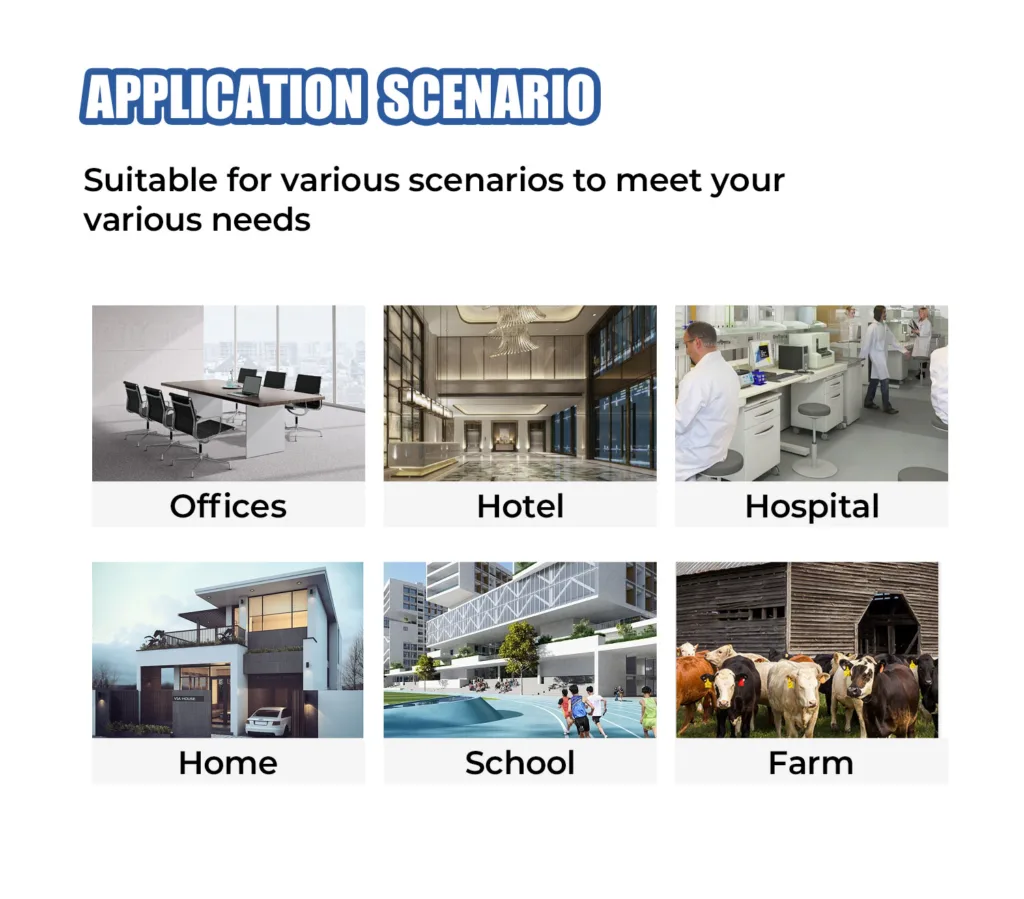
A. Obytný & Komerční solární úložiště
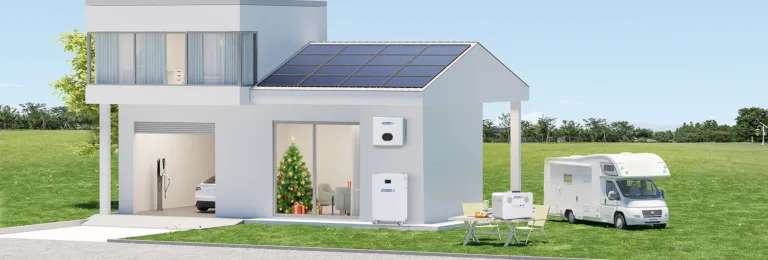
- Energetická nezávislost: Uložte přebytečnou solární energii pro noční použití nebo výpadky sítě, snížení závislosti na rozvodných sítích 48.
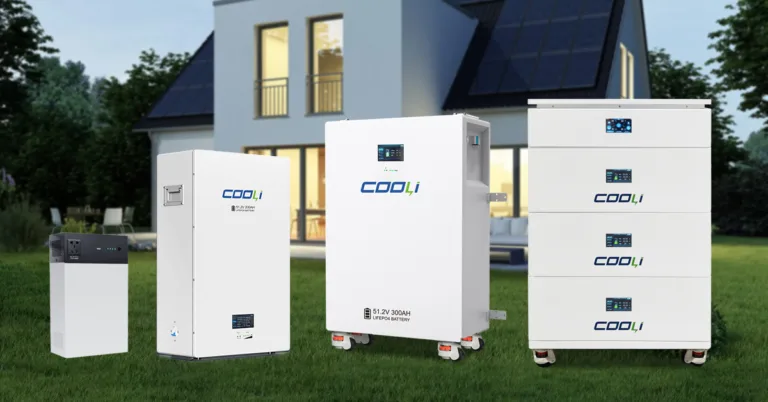
- Škálovatelnost: Modulární lithiové systémy (např., Jednotky BSLBATT 5,12 kWh–10,24 kWh) umožňují snadné rozšíření kapacity 8.
B. Off-Grid & Vzdálená řešení
- Kempování/RV: Lehké lithiové obaly (60% lehčí než olovo) jsou ideální pro mobilní nastavení 8.
- Průmyslové zálohování: Používá se v telemetrii, vzdálené sledování, a kritická infrastruktura díky spolehlivosti a dlouhé životnosti 24.
C. Podpora mřížky & Mikrosítě
- Špičkové holení: Snižte poptávku po síti během období s vysokou spotřebou energie čerpáním akumulované solární energie 4.
- Regulace frekvence: Rychlá odezva lithia stabilizuje sítě v hybridních obnovitelných systémech 10.
3. Inovace vedou k přijetí
A. Integrované solární akumulační systémy
- Monolitické vzory: Vědci zkombinovali křemíkové solární články s lithiovými bateriemi v pevné fázi, dosažení 15.8% solární účinnost. Tyto systémy se nabíjejí 45 sekund pod slunečním světlem a udržují vysokou rychlost vybíjení (28C) 9.
B. Solid-State & Lithium Alloy Tech
- Solid-State baterie: Nabízí zvýšenou bezpečnost výměnou hořlavých kapalných elektrolytů. Nedávné studie poukazují na výzvy (např., Li-In dendrity v sulfidových elektrolytech), ale pokroky v inženýrství rozhraní ukazují 710.
- Solární články dopované lithiem: Zlepšení odolnosti vůči záření pro vesmírné aplikace, umožňující samoobnovu po poškození vysokoenergetickými částicemi 6.
C. Udržitelnost & Recyklace
- Nižší uhlíková stopa: Lithiové systémy snižují během svého životního cyklu emise skleníkových plynů o 43–57 % ve srovnání s olověnými systémy 10.
- Recyklační infrastruktura: Rostoucí iniciativy se zotavují >90% lithia, kobalt, a nikl, řešení nedostatku zdrojů 10.
4. Výzvy & Výhled do budoucnosti
A. Aktuální omezení
- Cena předem: Počáteční investice zůstává vysoká, i když ceny klesly 80% od roku 2010 8.
- Studené nabíjení: Vyžaduje topné systémy pod 0°C, přidávání složitosti 3.
B. Vznikající trendy
- Sodno-iontové hybridy: Levnější a hojnější než lithium, sodík-iontové baterie (SIB) získávají na síle pro nízkonákladové síťové úložiště, i když hustota energie zaostává o 10.
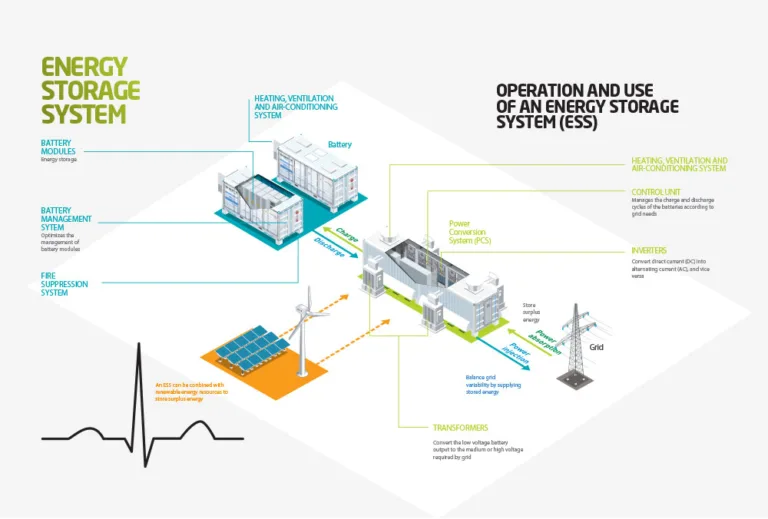
- Správa řízená umělou inteligencí: Inteligentní BMS (Systémy správy baterií) optimalizovat nabíjecí cykly a předvídat poruchy, prodloužení životnosti 14.
5. Průvodce rozhodováním: Lithium je pro vás to pravé?
| Faktor | Lithium | Olovo-kyselina |
|---|---|---|
| Počáteční náklady | Vysoký (1,750–1 750–2 500/kWh) | Nízký (500–500–1 000/kWh) |
| Celoživotní náklady | Spodní (10– 15 let) | Vyšší (3– 5 let) |
| Prostor/hmotnost | Kompaktní, lehký | Objemný, těžký |
| Údržba | Žádný | Pravidelné kontroly |
| Vliv na životní prostředí | Nižší uhlíková stopa | Rizika znečištění olovem |
Doporučení: Zvolte lithium pro dlouhodobé úspory, vysoká účinnost, a škálovatelnost. Volte olovo pouze v případě, že rozpočtová omezení převažují nad výkonnostními potřebami.
10kWh baterie LiFePO4 10Náklady na kWh solární baterie v Myanmaru 25kWh bateriové systémy Vše v jednom Kontejner BESS 4MWh Saudská Arábie BESS Výrobce Čína Nejlevnější domácí baterie China BESS Solutions Čína DDP velkoobchod LiFePO4 baterie China Factory Čína Grid-Scale BESS Čínští OEM dodavatelé Komerční úložiště baterií Keňa DC ESS řešení Řešení DDP Přímo do DRC Nasměrujte Čínu do Afriky Přímá baterie z Číny do Afriky akumulátor energie Systémy skladování energie Globální lídry lithiových baterií Baterie třídy A Dodavatel síťového bateriového úložiště Domácí baterie pro holandské rodiny domácí úložiště energie Industrial BESS Keňa Olovo-kyselina vs. Lithium-iontové baterie LiFePO4 LiFePO4 baterie LiFePO4 baterie v Jižní Africe Baterie LifePo4 Technologie baterie LifePO4 Distributor LiFePO4 v Iráku LiFePO4 ESS Keňa Lithium-iontová baterie lithium-iontová baterie Nižší ceny Trendy na trhu Venkovní kapalinová chladicí skříň Saúdské nákupy LiFePO4 Škálovatelná řešení BESS pro průmysl Solární panely sluneční soustava Stohování All-in-One Velkoobchodní LiFePO4 solární baterie Velkoobchodní solární baterie
Jeden komentář