
Lithium batterier i solsystemer: 5 Vigtigste fordele for at øge effektiviteten 90%
Lithium batterier har revolutioneret lagring af solenergi, tilbyder overlegen ydeevne i forhold til traditionelle bly-syre-modstykker. Nedenfor er en detaljeret udforskning af deres rolle i solsystemer, understøttet af teknisk indsigt og applikationer fra den virkelige verden.
1. Kerne fordele ved Lithium batterier i solsystemer
EN. Høj effektivitet & Energitæthed
- Rundturseffektivitet: Lithium-batterier opnår 95-99 % effektivitet, sammenlignet med 70-85 % for blysyre, minimering af energitab under opladnings-/afladningscyklusser 13.
- Energitæthed: Lithiumpakker lagrer 3x mere energi pr. volumenhed, reduktion af pladsbehovet med 70 % 18. F.eks, -en 5.12 kWh lithiumsystem optager halvdelen af pladsen af en bly-syre opsætning med tilsvarende kapacitet.
B. Forlænget levetid & Omkostningseffektivitet
- Cyklus liv: LiFePO4 (lithiumjernfosfat) batterier holder 2.000–10.000 cyklusser kl 80% dybde af udledning (DoD), langvarig blysyre (300–500 cyklusser kl 50% DoD) 13. Over 15 flere år, lithiums forudgående omkostninger (2–3× højere) opvejes af færre udskiftninger, giver 40-50 % lavere levetidsomkostninger 3.
- Vedligeholdelsesfri: I modsætning til bly-syre-batterier, der kræver vandpåfyldning og sulfateringskontrol, lithiumsystemer fungerer uden vedligeholdelse 28.
C. Hurtig opladning & Temperatur modstandsdygtighed
- Opladningshastighed: Lithium oplades på 2-5 timer vs. 8–10 timer for bly-syre, muliggør hurtig energiopsamling under spidsbelastning af sollys 13.
- Temperaturområde: Fungerer effektivt ved -20°C til 60°C (-4°F til 140 °F) til udledning og 0°C til 49°C (32°F til 120 °F) til opladning. Avancerede modeller inkluderer selvopvarmning til miljøer under nul 38.
2. Anvendelser i solsystemer
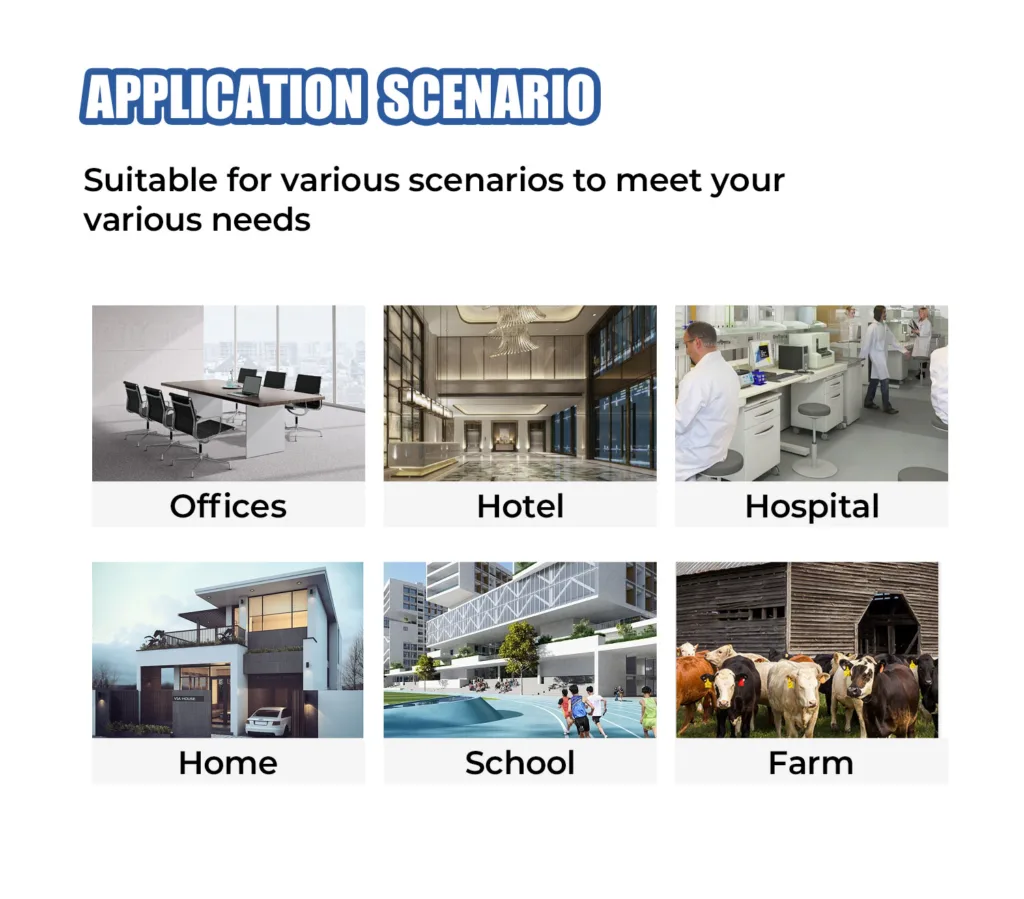
EN. Bolig & Kommerciel solcelleopbevaring
- Energiuafhængighed: Opbevar overskydende solenergi til natbrug eller strømafbrydelser, reducere afhængigheden af forsyningsnet 48.
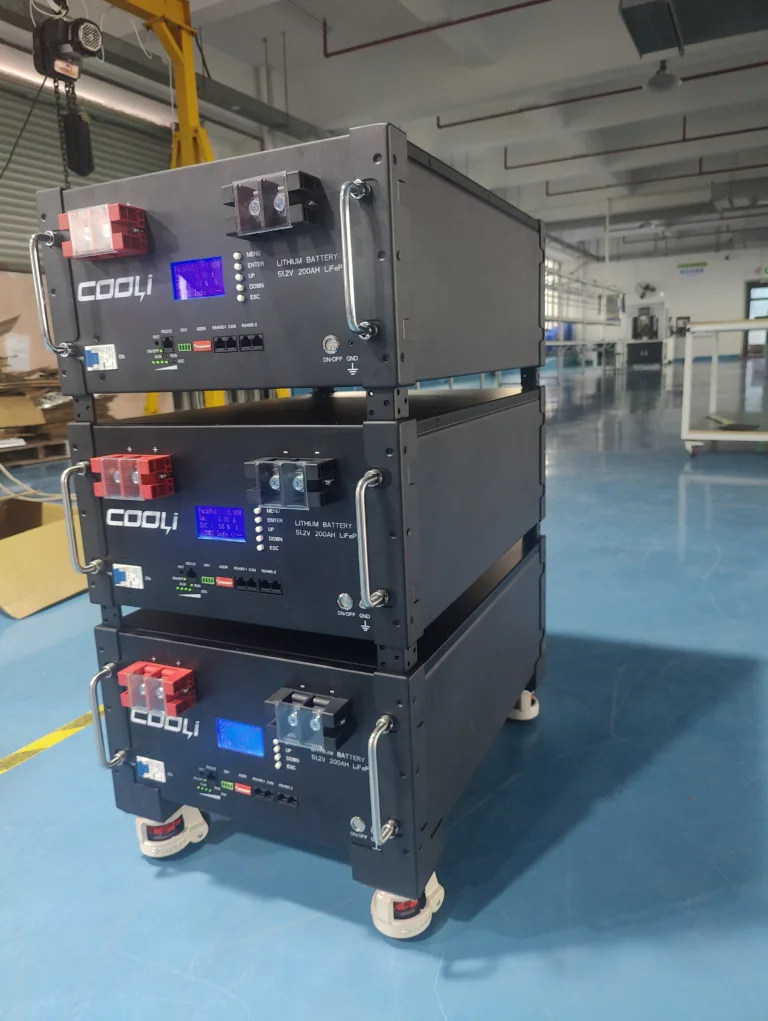
- Skalerbarhed: Modulære lithiumsystemer (f.eks., BSLBATTs 5,12 kWh-10,24 kWh enheder) tillade nem kapacitetsudvidelse 8.
B. Off-grid & Fjernløsninger
- Camping/campingvogne: Letvægts lithium pakker (60% lettere end blysyre) er ideelle til mobile opsætninger 8.
- Industriel backup: Anvendes i telemetri, fjernovervågning, og kritisk infrastruktur på grund af pålidelighed og lang levetid 24.
C. Grid Support & Microgrids
- Peak Barbering: Reducer netefterspørgslen i perioder med høj energi ved at udnytte lagret solenergi 4.
- Frekvensregulering: Lithiums hurtige reaktion stabiliserer net i hybride vedvarende systemer 10.
3. Innovationer driver adoption
EN. Integrerede solar-lagringssystemer
- Monolitiske designs: Forskere har kombineret siliciumsolceller med solid-state lithium-batterier, opnår 15.8% solenergi-til-lagring effektivitet. Disse systemer lader ind 45 sekunder under sollys og opretholde høje afladningshastigheder (28C) 9.
B. Fast tilstand & Lithium legering Tech
- Solid-state batterier: Tilbyder øget sikkerhed ved at erstatte brændbare flydende elektrolytter. Nylige undersøgelser fremhæver udfordringer (f.eks., Li-In dendritter i sulfidelektrolytter), men fremskridt inden for interface engineering viser løfte 710.
- Lithium-dopede solceller: Forbedre strålingsmodstanden til rumapplikationer, muliggør selvrestitution fra højenergipartikelskader 6.
C. Bæredygtighed & Genbrug
- Lavere kulstoffodaftryk: Lithiumsystemer reducerer drivhusgasemissioner med 43-57 % sammenlignet med blysyre i løbet af deres livscyklus 10.
- Genbrugsinfrastruktur: Voksende initiativer genopretter sig >90% af lithium, kobolt, og nikkel, afhjælpning af ressourceknaphed 10.
4. Udfordringer & Fremtidsudsigt
EN. Nuværende begrænsninger
- Forhåndspris: De oprindelige investeringer er fortsat høje, selvom priserne er faldet 80% siden 2010 8.
- Kold opladning: Kræver varmesystemer under 0°C, tilføjelse af kompleksitet 3.
B. Nye tendenser
- Natrium-ion hybrider: Billigere og mere rigeligt end lithium, natrium-ion batterier (SIB'er) vinder indpas for lavpris netlagring, selvom energitætheden halter 10.
- AI-drevet ledelse: Smart BMS (Batteristyringssystemer) optimere opladningscyklusser og forudsige fejl, forlænge levetiden 14.
5. Beslutningsvejledning: Er lithium det rigtige for dig?
| Faktor | Lithium | Bly-syre |
|---|---|---|
| Startomkostninger | Høj (1,750–1.750–2.500/kWh) | Lav (500–500–1.000/kWh) |
| Livstidsomkostninger | Sænke (10–15 år) | Højere (3–5 år) |
| Plads/vægt | Kompakt, letvægts | Voldsomme, tung |
| Opretholdelse | Ingen | Regelmæssig kontrol |
| Miljøpåvirkning | Lavere CO2-fodaftryk | Blyforureningsrisici |
Henstilling: Vælg lithium for langsigtede besparelser, høj effektivitet, og skalerbarhed. Vælg kun blysyre, hvis budgetbegrænsningerne opvejer ydeevnebehovet.
10kWh LiFePO4 batterier 10kWh solbatteriomkostninger i Myanmar 25kWh batterisystemer Alt-i-én BESS Container 4MWh Saudi BESS Producent Kina Billigste hjemmebatteri Kina BESS Solutions Kina DDP Engros Kina Factory LiFePO4 batterier Kina Grid-Scale BESS Kinesiske OEM-leverandører Kommerciel batteriopbevaring Kenya DC ESS-løsninger DDP-løsning direkte til DRC Direkte Kina til Afrika Direkte Kina til Afrika Batteri energilagringsbatteri Energilagringssystemer Globale ledere af lithiumbatterier Klasse A batteri Leverandør af batteriopbevaring i netskala Hjemmebatterier til hollandske familier energilagring i hjemmet Industriel BESS Kenya Blysyre vs. Lithium-ion batterier LiFePO4 LiFePO4 batterier LiFePO4-batterier i Sydafrika LifePo4 batteri LifePO4 batteriteknologi LiFePO4-distributør i Irak LiFePO4 ESS Kenya Lithium-ion batteri lithium-ion batteri Lavere priser Markedstendenser Udendørs væskekøleskab Saudi LiFePO4 indkøb Skalerbare BESS-løsninger til industrien Solpaneler solsystemet Stabling af alt-i-én Engros LiFePO4 solcellebatterier Engros solcellebatterier
En kommentar