
Lithium vs bly-syre batteri: Omfattende sammenligning & Købsvejledning【2025】
Den komplette guide til lithium vs bly-syre batteri
I energilagring, lithium-ion batterier ogbly-syre batterier dominere markedet. Uanset om det er til solcelleanlæg, elektriske køretøjer, eller industrielt udstyr, at vælge den rigtige batteritype påvirker ydeevnen, koste, og langsigtet effektivitet. Denne artikel sammenligner disse to teknologier på tværscyklus liv, opladningseffektivitet, miljøtilpasningsevne, og sikkerhed, mens du behandler ofte stillede spørgsmål som "Hvad er et forseglet bly-syrebatteri?" og "Hvilket er bedre?” for at hjælpe dig med at træffe informerede beslutninger.
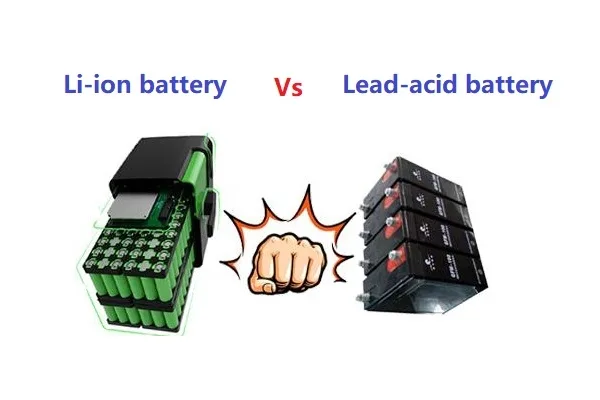
1. Kerneforskelle mellem bly-syre- og lithium-batterier
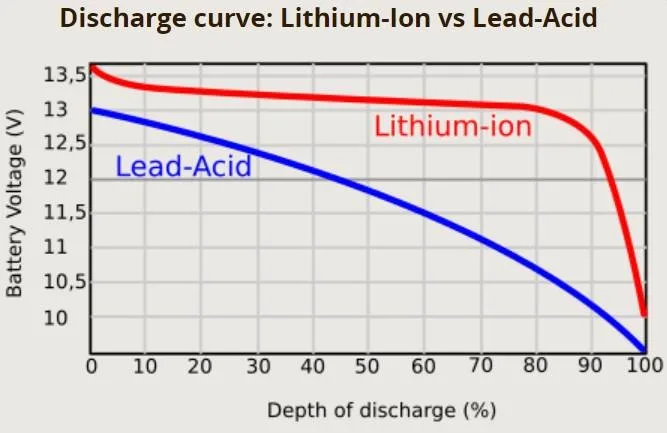
1.1 Cyklus liv & Omkostningseffektivitet
- Lithium-ion (f.eks., LiFePO4): 3,000–5.000 cyklusser, fastholdelse 80%+ kapacitet efter 2,000 cyklusser.
- Bly-syre: 300-500 cyklusser, med kapacitet, der ofte falder til under 50% efter 150 cyklusser.
- Omkostningsindsigt: Lithiums forhåndspris er 2-3× højere, men dens levetid reducerer langsigtede udgifter med 40-50 %.
1.2 Opladningshastighed & Energieffektivitet
- Lithium: Oplader ind2–5 timer (99% effektivitet); understøtter delvis "mulighedsopladning".
- Bly-syre: Kræver8–10 timer (50–80 % effektivitet) og skal være helt afladet før genopladning for at undgå sulfateringsskader.
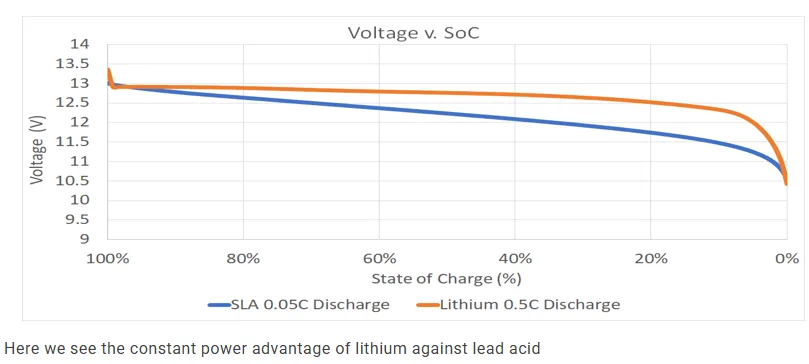
1.3 Temperaturtolerance
- Høj varme: Lithium holder 2x længere end blysyre ved 55°C (131°F).
- Lave temperaturer:
- Lithium: Leverer 70% kapacitet ved -18°C (0°F) men kan ikke oplades under 0°C (32°F) uden varmeanlæg.
- Bly-syre: Giver 45% kapacitet ved -18°C og tillader lavstrømsopladning under frostforhold.
1.4 Vægt & Rumeffektivitet
- Lithium har3× højere energitæthed, vejning 60% mindre. F.eks, en 48V/600Ah lithiumpakke vejer ~700 lbs vs. 1,800 lbs for bly-syre.
2. Hvad er et forseglet bly-syre-batteri (VRLA)?
Ventilreguleret bly-syre (VRLA) batterier er vedligeholdelsesfri med unikke designs:
- Struktur: Elektrolytten absorberes i AGM separatorer eller gel, eliminering af lækager.
- Sikkerhed: Overtryksventiler forhindrer syrespild under overopladning.
- Ansøgninger: UPS systemer, nødbelysning, medicinsk udstyr (5-10 års levetid).
3. Hvilket er bedre? Nøgleapplikationer afkodet
✅Hvornår skal du vælge lithiumbatterier
- Højcyklusapplikationer: Solopbevaring, gaffeltrucks (5,000+ cyklusser reducerer udskiftninger).
- Vægtfølsomme anvendelser: autocampere, droner, marine applikationer.
- Ekstreme miljøer: Højtemperaturlagre eller kølekædelogistik.
✅Når bly-syre-batterier skinner
- Budgetbegrænsninger: Startpris er 1/3-1/2 af lithium.
- Lavt vedligeholdelsesbehov: VRLA-batterier passer til backup-strømsystemer.
- Højvibrationsindstillinger: Robust konstruktion til startbatterier til biler eller tunge maskiner.
4. Fremtidige tendenser: Solid State Lithium & Øko-innovationer
Ny teknologi somsolid-state lithium-metal batterier (f.eks., Harvards 10.000-cyklus prototype med 10-20 minutters opladning) ogvandige batterier (miljøvenlig, ikke brændbart) lover gennembrud. Imidlertid, Der er stadig udfordringer som dendritvækst og korrosionsbestandighed.
5. Hurtig sammenligningstabel
| Faktor | Lithium-ion | Bly-syre |
|---|---|---|
| Forhåndspris | Høj | Lav |
| Livstidsomkostninger | Sænke (lang levetid) | Højere (hyppig udskiftning) |
| Opladningstid | 2–5 timer | 8–10 timer |
| Temperaturområde | -20°C–60°C (udledning) | -40°C–50°C (gebyr begrænset) |
| Miljøvenlighed | Høj (intet bly) | Lav (tungmetalforurening) |
Beslutningsvejledning: Opt forlithium for lang levetid, effektivitet, og bærbarhed. Vælgebly-syre til stramme budgetter eller simple backupbehov. Til ekstreme forhold (f.eks., subzero opladning), sikre batteristyringssystemer (BMS) er integreret.
Udforsk mere:
Med denne detaljerede sammenligning, du er rustet til at vælge den optimale energilagringsløsning! 🔋
10kWh LiFePO4 batterier 10kWh solbatteriomkostninger i Myanmar 25kWh batterisystemer Alt-i-én BESS Container 4MWh Saudi BESS Producent Kina Billigste hjemmebatteri Kina BESS Solutions Kina DDP Engros Kina Factory LiFePO4 batterier Kina Grid-Scale BESS Kinesiske OEM-leverandører Kommerciel batteriopbevaring Kenya DC ESS-løsninger DDP-løsning direkte til DRC Direkte Kina til Afrika Direkte Kina til Afrika Batteri energilagringsbatteri Energilagringssystemer Globale ledere af lithiumbatterier Klasse A batteri Leverandør af batteriopbevaring i netskala Hjemmebatterier til hollandske familier energilagring i hjemmet Industriel BESS Kenya Blysyre vs. Lithium-ion batterier LiFePO4 LiFePO4 batterier LiFePO4-batterier i Sydafrika LifePo4 batteri LifePO4 batteriteknologi LiFePO4-distributør i Irak LiFePO4 ESS Kenya Lithium-ion batteri lithium-ion batteri Lavere priser Markedstendenser Udendørs væskekøleskab Saudi LiFePO4 indkøb Skalerbare BESS-løsninger til industrien Solpaneler solsystemet Stabling af alt-i-én Engros LiFePO4 solcellebatterier Engros solcellebatterier
2 Kommentarer