
50% Omkostningsfald!Afrikas batterigennembrud: Second-life batterier
Frigør Afrikas energifremtid: Rollen af Second-life batterier i bæredygtig udvikling
Da Afrika står over for voksende energibehov, Second-life batterier (eller kaskadebatterier) — genanvendt fra pensioneret elektrisk køretøj (EV) batterier — dukker op som en omkostningseffektiv og miljøvenlig løsning. Med over 600 millioner mennesker mangler pålidelig adgang til elektricitet (Verdensbanken, 2023) og vedtagelse af vedvarende energi accelererer, kaskadebatterier kunne bygge bro mellem energifattigdom og bæredygtighed. Denne artikel undersøger, hvordan Afrika kan udnytte denne teknologi til at låse op for økonomisk, miljømæssige, og social værdi.
Hvorfor Second-life-batterier passer til Afrikas kontekst?
- Omkostningseffektiv energilagring
- Lavere forudgående omkostninger: Kaskadebatterier er 30–50 % billigere end nye lithium-ion-batterier (BNEF, 2022), kritisk for markeder med begrænset budget. F.eks, et mikronet til solenergi+opbevaring, der anvender kaskadebatterier i Kenya, reducerede installationsomkostningerne med 40% (UNDP casestudie, 2022).
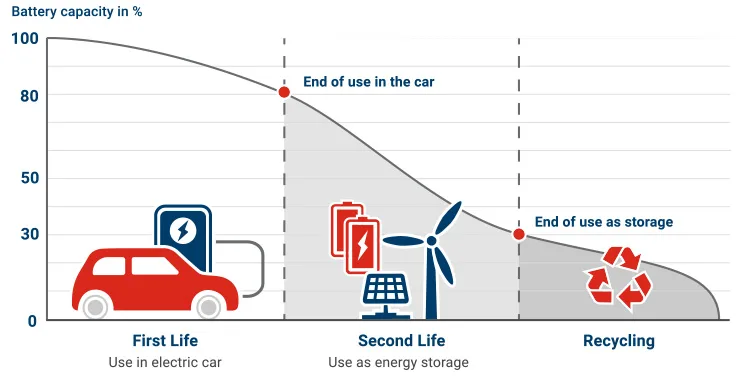
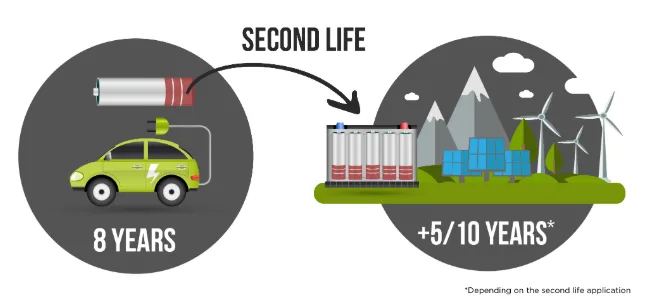
- Forlænget levetid: Udgåede EV-batterier (80% kapacitet) kan drive off-grid systemer til 5–8 år, forsinke køb af nye batterier. I Nigeria, genbrugte EV-batterier fra Europa understøttede landdistrikternes solcellesystemer, reducere energiomkostningerne med $1,200/år pr. anlæg (Energiadgangsrapport, 2023).
- Integration af vedvarende energi
- Afrikas solpotentiale er enormt (op til 10 TW kapacitet), men nettets ustabilitet begrænser adoptionen. Kaskadebatterier kan lagre overskydende solenergi kl 50% lavere omkostninger end nye systemer, aktiverer 24/7 strøm til boliger og virksomheder.
- Eksempel: Sydafrikas "SolarTurtle"-kiosker bruger kaskadebatterier til at levere bærbar solenergi til townships, servering 3,000+ brugere månedligt til halvdelen af prisen på dieselgeneratorer.
- Reduktion af e-affald og forurening
- Afrika importerer ~500,000 tons af brugt elektronik årligt, med ukorrekt bortskaffelse, der forurener jord og vand. Kaskadebatterier forsinker bortskaffelse af losseplads med 5–10 år, reducerer risikoen for giftig lækage.
- Genbrug 1 ton lithium via kaskadebesparelser 15 tons CO₂ vs. udvinding af nyt lithium (MED, 2020). Hvis 50% af Afrikas fremtidige EV-batterier genbruges, det kunne forhindre 200,000 tons af e-affald ved 2030 (UNEP projektion).
- Jobskabelse og lokal innovation
- Batterirenovering og vedligeholdelse kunne skabe 50,000+ job tværs over Afrika ved 2030 (AfDB skøn). Startups som Nigerias Genbruge og Kenyas Aceli uddanner allerede teknikere til at teste og genbruge batterier.
Nøgleapplikationer på afrikanske markeder
- Off-grid og mini-grid systemer
- Kaskadebatterier parret med solcelleanlæg kan drive fjerntliggende landsbyer. I Rwanda, et pilotprojekt med elektrificerede Nissan Leaf-batterier 200 husstande på 30% lavere omkostninger end dieselalternativer.
- Teleinfrastruktur
- Mobile tårne forbruger 5–10 kW dagligt, ofte afhængig af diesel. MTN Group i Uganda erstattet 500 dieselgeneratorer med solcelle+kaskadebatterisystemer, reducere brændstofomkostningerne med 70% og CO₂-emissioner pr 4,000 tons/år.
- Landbrugets produktivitet
- Solcelledrevne kunstvandingssystemer med kaskadebatterier gør det muligt for småbønder at øge udbyttet. Et ghanesisk projekt rapporterede 40% højere afgrødeproduktion efter at have vedtaget sådanne systemer.
- Bymobilitet
- Pensionerede EV-batterier kan drive e-rickshaws og motorcykler. Kenyas Roam elektrisk bruger kaskadebatterier til at reducere omkostningerne til e-cykel 25%, målretning 10,000 enheder af 2025.
Udfordringer og løsninger
- Tekniske barrierer
- Batteri heterogenitet: Blandede batterimærker/modeller komplicerer genbrug.
Løsning: Partnerskaber med globale bilproducenter (f.eks., BMW, BYD) at standardisere batteridesign.
- Batteri heterogenitet: Blandede batterimærker/modeller komplicerer genbrug.
- Mangel på testinfrastruktur
- Kun 5% af afrikanske lande har faciliteter til at vurdere batteriets sundhed (SOH).
Løsning: Mobile testenheder og AI-drevne diagnostiske værktøjer (f.eks., Kenyas StimaLabs).
- Kun 5% af afrikanske lande har faciliteter til at vurdere batteriets sundhed (SOH).
- Politikkløfter
- De fleste lande mangler regler for second-life batterier.
Løsning: Vedtag rammer som EU's batteripas, som sporer batterihistorien.
- De fleste lande mangler regler for second-life batterier.
- Forbrugerbevidsthed
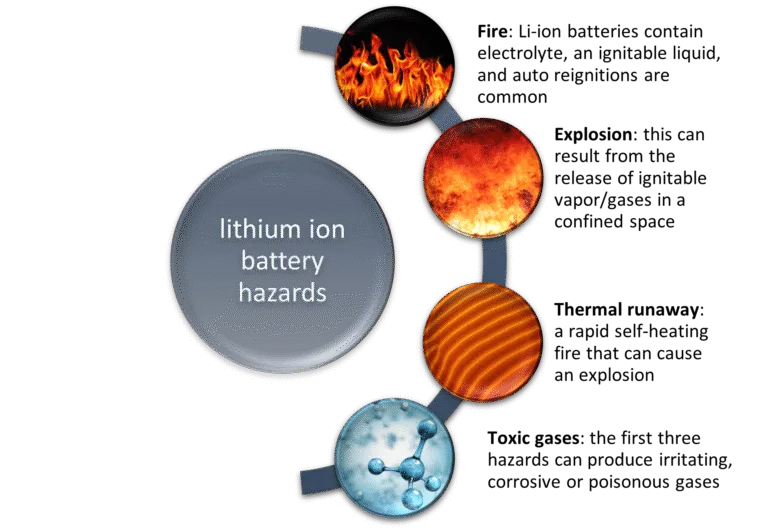
- Misforståelser om "brugte" batterisikkerhed består.
Løsning: Certificeringsprogrammer og fællesskabsledede demonstrationer.
- Misforståelser om "brugte" batterisikkerhed består.
Succeshistorier
- Nigerias "Light-Up Lagos"-initiativ
- Installerede kaskadebatterier fra kinesiske elbiler til at drive gadelygter, reducere netafhængigheden ved 60% og sparer $2 million/år i energiomkostninger.
- Marokkos solcelleanlæg i Noor
- Integrerede kaskadebatterier til at opbevare overskydende solenergi, stabilisering af output og servering 1 million+ mennesker under spidsbelastning.
- Sydafrikas Eskom-partnerskab
- EN 20 MWh kaskadet batterilagringssystem (bruger BMW i3 batterier) understøtter netfrekvensregulering, besparelse $5 million/år i kuldrevne backupomkostninger.
Fremtidsudsigt
Ved 2030, Afrikas kaskadebatterimarked kan overstige$2 milliard, drevet af:
- EV adoption: Afrikas EV-flåde forventes at vokse 15% årligt (Frost & Sullivan, 2023), skabe en konstant forsyning af udtjente batterier.
- Politisk fremdrift: Den Afrikanske Union 2030 Bæredygtig energiramme prioriterer cirkulære økonomiløsninger.
- Teknisk innovation: Startups udvikler blockchain-platforme for at spore batterisundhed og ejerskab, styrke tilliden.
Konklusion
Second-life batterier giver Afrika en tredobbelt gevinst: overkommelig energiadgang, reduceret miljøskade, og lokal økonomisk vækst. At skalere denne løsning, interessenter skal samarbejde om standardisering, finansiering, og bevidsthed. Ved at gøre "affald" til rigdom, Afrika kan føre den globale omstilling til en cirkulær energiøkonomi.
Hvis du har brug for nogen, behage kontakt os
Datakilder: Verdensbanken, UNEP, BloombergNEF, AfDB, UNDP, MED, Frost & Sullivan.
10kWh LiFePO4 batterier 10kWh solbatteriomkostninger i Myanmar 25kWh batterisystemer Alt-i-én BESS Container 4MWh Saudi BESS Producent Kina Billigste hjemmebatteri Kina BESS Solutions Kina DDP Engros Kina Factory LiFePO4 batterier Kina Grid-Scale BESS Kinesiske OEM-leverandører Kommerciel batteriopbevaring Kenya DC ESS-løsninger DDP-løsning direkte til DRC Direkte Kina til Afrika Direkte Kina til Afrika Batteri energilagringsbatteri Energilagringssystemer Globale ledere af lithiumbatterier Klasse A batteri Leverandør af batteriopbevaring i netskala Hjemmebatterier til hollandske familier energilagring i hjemmet Industriel BESS Kenya Blysyre vs. Lithium-ion batterier LiFePO4 LiFePO4 batterier LiFePO4-batterier i Sydafrika LifePo4 batteri LifePO4 batteriteknologi LiFePO4-distributør i Irak LiFePO4 ESS Kenya Lithium-ion batteri lithium-ion batteri Lavere priser Markedstendenser Udendørs væskekøleskab Saudi LiFePO4 indkøb Skalerbare BESS-løsninger til industrien Solpaneler solsystemet Stabling af alt-i-én Engros LiFePO4 solcellebatterier Engros solcellebatterier
En kommentar