300Ah LiFePO4 aku: Põhiküsimustele vastatud
The300Ah LiFePO4 aku on taastuvenergiasüsteemides populaarsust kogunud, Matkaautod, mererakendused, ja võrguvälised seadistused oma suure võimsuse tõttu, ohutus, ja pikk eluiga. Siiski, kasutajatel on selle toimivuse kohta sageli küsimusi, piiranguid, ja tehnilised kirjeldused. See artikkel käsitleb kõige levinumaid päringuid, pakkudes põhjalikku juhendit potentsiaalsetele ostjatele ja entusiastidele.
1. Millised on LiFePO4 akude puudused??
Kuigi LiFePO4 (Liitium raudfosfaat) akud on tuntud ohutuse ja vastupidavuse poolest, neil on teatud piirangud:
- Madalam energiatihedus: Võrreldes teiste liitiumioonide keemiaga (nt., NMC või LCO), LiFePO4 salvestab vähem energiat kaalu- või mahuühiku kohta, muutes need suurema energiatarbega rakenduste jaoks, nagu nutitelefonid või elektrisõidukid.
- Kõrgem algkulu: Kuigi pika eluea tõttu kuluefektiivne, eelhinnad on 2–3 korda kõrgemad kui pliiakud.
- Temperatuuri tundlikkus: Jõudlus väheneb äärmise külma korral (alla -20°C) või soojust (üle 60°C). Kuigi nad taluvad laiemaid vahemikke kui pliihape, pikaajaline kokkupuude kõrgete temperatuuridega vähendab võimsust.
- Aeglasem laadimine: LiFePO4 laeb tavaliselt aeglasemalt kui teised liitiumivariandid, kahjustuste vältimiseks on vaja spetsiaalseid laadijaid.
Vaatamata nendele puudustele, nendeohutus (mittesüttiv isegi stressi korral) jatsükli eluiga (2,000-5000+ tsüklit) muuta need ideaalseks päikeseenergia ladustamiseks, Matkaautod, ja varutoide.
2. Kui kaua 300Ah LiFePO4 aku vastu peab?
300Ah aku tööaeg sõltub sellest:
- Laadimisvõimsus: 500W seadmele, tööaeg = aku energia(kWh)/Laadimisvõimsus(kW)
- Tühjenemise sügavus (DoD): LiFePO4 akud võivad ohutult tühjeneda kuni 80–90% DoD-ni ilma olulise halvenemiseta.
Näide:
Kaupluses on 48V 300Ah LiFePO4 aku14.4 kWh (48V × 300 Ah). Kell 80% DoD (11.5 kWh kasutatav), 1kW koormuse toide kestaks ~11,5 tundi. 300W RV külmikule, tööaeg pikeneb ~38 tunnini.
3. Mitu kWh on 48V 300Ah aku?
A48V 300Ah LiFePO4 aku toimetab:
48V× 300Ah=14 400Wh=14,4 kWh
See võimsus sobib suuremahuliste rakenduste jaoks, nagu päikeseenergia salvestussüsteemid või elektrisõidukid. Võrdluseks:
- 12V 300Ah aku tagab3.84 kWh (12V × 300 Ah).
- Kõrgem pinge (nt., 51.2V) konfiguratsioonid parandavad tööstuslike seadistuste tõhusust.
4. 25.6Aastal vs. 51.2V: Mis vahe on?
LiFePO4 akud on modulaarsed, võimaldades jadaühendustel saavutada kõrgemaid pingeid:
- 25.6V: Tavaliselt 8-lahtriline konfiguratsioon (8 × 3,2 V elemendi kohta), kasutatakse keskmise suurusega süsteemides, nagu golfikärud või väikesed päikeseenergia seadistused.
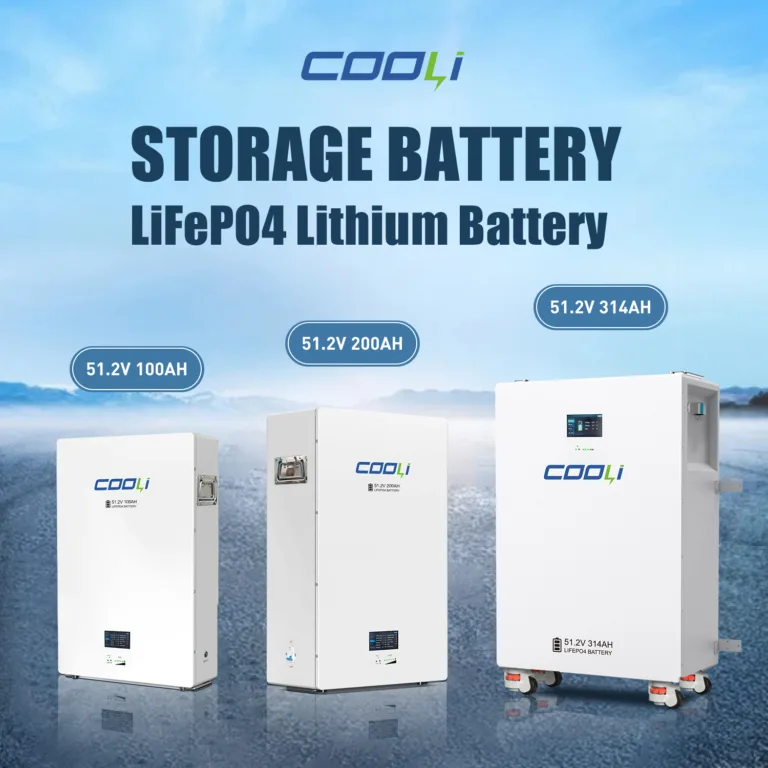
- 51.2V: 16-rakuline seadistus, ideaalne suure võimsusega rakenduste jaoks, nagu serveririiulid või kaubanduslik energiasalvesti.
Peamine kaalutlus: Kõrgem pinge vähendab voolu, minimeerida energiakadu juhtmestikus ja parandada tõhusust suurte paigaldiste puhul.

5. Kas LiFePO4 on parem kui teised liitiumakud?
LiFePO4 paistab silmaohutus japikaealisus kuid energiatihedus jääb liitiumiooniga võrreldes maha (Liitium-ioon) variandid:
| Funktsioon | LiFePO4 | Traditsiooniline liitiumioon |
|---|---|---|
| Ohutus | Mittesüttiv, stabiilne | Termilise põgenemise oht |
| Tsükli eluiga | 2,000-5000+ tsüklit | 500-1000 tsüklit |
| Energiatihedus | 90–120 Wh/kg | 150–200 Wh/kg |
| Maksumus | Eespool kõrgem | Alumine ees |
Parim jaoks:
- LiFePO4: Päikeseenergia ladustamine, Matkaautod, mereline, varutoide.
- Liitium-ioon: Tarbeelektroonika, EV-d, mis nõuavad kompaktset suurust.
6. Peamised kaalutlused 300 Ah LiFePO4 akude puhul
- BMS (Akuhaldussüsteem): Tagab kaitse ülelaadimise eest, ületühjenemine, ja lühised.
- Ühilduvus: Kasutage LiFePO4-spetsiifilisi laadijaid (nt., 14.6V 12V süsteemide jaoks) kahju vältimiseks.
- Säilitamine: Hoida 50–80% laenguga jahedas, kuivad tingimused eluea pikendamiseks.
Järeldus
The300Ah LiFePO4 aku on tugev valik suure võimsusega, pikaajaline energiavajadus, tasakaalustav ohutus, ja usaldusväärsus. Kuigi sellel on piirangud, nagu väiksem energiatihedus ja suuremad algkulud, selle eelised tsükliea ja termilise stabiilsuse osas muudavad selle taastuvenergia ja võrguväliste rakenduste parimaks konkurendiks.
Kohandatud lahenduste jaoks, uurige selliseid tooteid naguLifepo4 aku 300ah või modulaarsed 48V server-rack akud. Kontrollige alati tootjatelt spetsifikatsioone, et need vastaksid teie süsteemi nõuetele.
10kWh LiFePO4 akud 10kWh päikesepatarei kulud Myanmaris 25kWh akusüsteemid Kõik-ühes BESS konteiner 4MWh Saudi BESS Tootja Hiina Odavaim koduaku Hiina BESSi lahendused Hiina DDP hulgimüük Hiina tehase LiFePO4 akud Hiina võrguskaala BESS Hiina OEM-i tarnijad Kaubanduslik akuhoidla Kenya DC ESS lahendused DDP lahendus otse Kongo DV-sse Otse Hiina Aafrikasse Otse Hiinast Aafrikasse aku energiat salvestav aku Energia salvestamise süsteemid Ülemaailmsed liitiumpatareide liidrid A-klassi aku Võrgusuuruses akude salvestusseadmete tarnija Kodused akud Hollandi peredele kodu energia salvestamine Tööstuslik BESS Kenya Plii-hape vs. Liitium-ioon akud LiFePO4 LiFePO4 akud LiFePO4 akud Lõuna-Aafrikas LifePo4 aku LifePO4 akutehnoloogia LiFePO4 turustaja Iraagis LiFePO4 ESS Kenya Liitium-ioon aku liitiumioon aku Madalamad hinnad Turutrendid Välisõhu vedelikjahutuskapp Saudi LiFePO4 hanked Skaleeritavad BESS-lahendused tööstusele Päikesepaneelid päikesesüsteem Kõik-ühes virnastamine LiFePO4 päikesepatareide hulgimüük Päikesepatareide hulgimüük