550W vs 620W päikesepaneel: Milline on parim ladustamiseks?
550W vs 620W päikesepaneel: Milline on parim ladustamiseks?
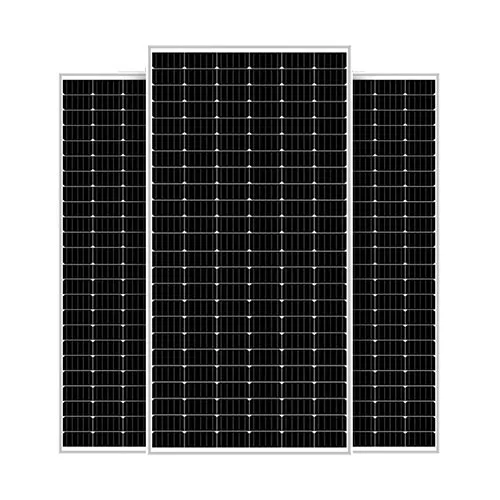
A 620W solar panel generates more power per panel and needs fewer units to charge a battery bank, while a 550W solar panel is lighter, cheaper per unit, and easier to fit into smaller or irregular roof spaces. The right choice depends on your available space, battery capacity, and budget.
Why Solar Panel Wattage Matters for Energy Storage Systems
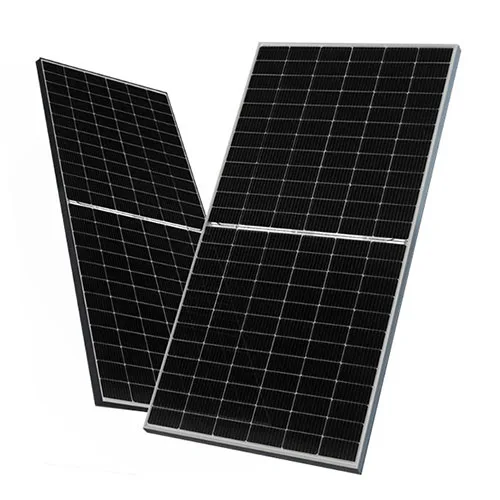
The wattage of a solar panel determines how much energy it can send to a battery on a good sunlight day. Higher-wattage panels like the 620W option produce more current per unit, which shortens battery charging time and reduces the number of panels needed to hit a target system size. Lower-wattage panels like the 550W option still deliver strong output, but you may need one or two extra panels to match the same total capacity. For any solar energy system tied to battery storage, matching panel wattage to battery voltage and charge controller specs is what actually determines real-world performance, not the wattage number alone.
550W vs 620W päikesepaneel: Key Differences
Power output and panel count A 620W panel produces roughly 13% more energy than a 550W panel from a single unit. For a 5kWh battery system, this can mean using 8 panels instead of 9, which saves on mounting hardware, wiring, and roof space.
Physical size and weight 620W panels are typically larger and heavier, since higher wattage usually comes from a bigger cell area. This matters for rooftops with limited space, sheds, Matkaautod, or off-grid cabins where panel dimensions are a hard constraint.
Cost per watt 620W panels often have a lower cost per watt at scale, making them attractive for larger battery storage installations. 550W panels can be more cost-effective for smaller systems where you don’t need the extra output.
Compatibility with battery charging Both panel types work with standard MPPT charge controllers, but the higher current from a 620W panel requires controllers and wiring rated to handle the increased load safely.
Efficiency in limited sunlight Panel efficiency (not just wattage) affects how well a panel performs on cloudy days or in regions with less direct sun. Some 550W panels use higher-efficiency cells and can outperform lower-efficiency 620W panels in weak light conditions.
Benefits of Choosing the Right Panel for Battery Charging
- Faster battery charging: Higher wattage panels reduce the time needed to fully charge a battery bank on sunny days.
- Fewer panels for the same output: This lowers installation complexity and can reduce mounting costs.
- Better space efficiency: Higher-wattage panels deliver more power per square meter, useful where roof or ground space is limited.
- Lower long-term cost: Fewer panels can mean less wiring, fewer connectors, and reduced maintenance points of failure.
- Skaleeritavus: Both 550W and 620W panels can be combined in arrays, so systems can grow as battery storage needs increase.

Best Practices for Selecting a Solar Panel for Energy Storage
- Match panel output to battery voltage. Confirm your battery bank’s voltage and capacity before choosing panel wattage, so your charge controller isn’t overloaded or underutilized.
- Account for available space. Measure your roof, ground mount, or install area first. If space is tight, a smaller number of 620W panels may fit better than a larger number of 550W panels.
- Check charge controller ratings. Ensure your MPPT or PWM controller can handle the voltage and current output of the panels you select.
- Consider climate and sun exposure. In regions with frequent cloud cover, panel efficiency matters more than raw wattage.
- Compare cost per watt, not just panel price. A higher upfront cost for 620W panels may be offset by needing fewer panels overall.
- Plan for future expansion. If you expect to add more battery storage later, choosing panels that are easy to scale in your array design will save money down the road.
KKK
Is a 620W solar panel always better than a 550W panel for battery storage? Mitte alati. A 620W panel produces more power per unit, but a 550W panel may be a better fit if roof space is small, budget is limited, or the system doesn’t need the extra output.
How many 550W or 620W panels do I need for a home battery system? This depends on your battery bank’s total capacity in kWh, your daily energy usage, and average sunlight hours in your location. A solar installer or online sizing calculator can give an exact panel count for either wattage.
Can I mix 550W and 620W panels in the same solar energy system? Mixing wattages is possible but generally not recommended in the same series string, since it can cause performance mismatches. If mixing is necessary, panels should be wired in separate strings or parallel configurations.
Which panel is better for off-grid or high-power-demand setups, like in Africa or remote regions? For off-grid or high-power-demand environments, a 620W panel often delivers more value per install because it produces more energy per panel, reducing the total number of panels needed for transport, mounting, and maintenance in remote locations.
Järeldus
Both 550W and 620W solar panels can power an effective battery storage system — the right pick comes down to your space, eelarve, and energy needs. If you want higher output per panel and fewer units to install, a 620W panel is usually the stronger choice. If you’re working with limited space or a smaller budget, a 550W panel still delivers reliable performance.
Ready to size your solar and battery storage system? Talk to a solar specialist or use a sizing calculator to compare 550W and 620W panel configurations for your specific energy storage goals.