
Liitiumakud päikesesüsteemides: 5 Peamised eelised tõhususe suurendamiseks 90%
Liitiumakud on muutnud pöörde päikeseenergia salvestamiseks, pakkudes paremat jõudlust võrreldes traditsiooniliste plii-happe analoogidega. Allpool on üksikasjalik uurimine nende rollist päikesesüsteemides, mida toetavad tehnilised teadmised ja reaalmaailma rakendused.
1. Põhilised eelised Liitiumakud päikesesüsteemides
A. Kõrge Tõhusus & Energiatihedus
- Edasi-tagasi tõhusus: Liitiumakud saavutavad 95–99% efektiivsuse, võrreldes 70–85% pliihappega, energiakadude minimeerimine laadimis-/tühjendustsüklite ajal 13.
- Energiatihedus: Liitiumpakendid salvestavad ruumalaühiku kohta 3 korda rohkem energiat, ruumivajaduse vähendamine 70% 18. Näiteks, a 5.12 kWh liitiumisüsteem võtab poole vähem ruumi kui sarnase võimsusega plii-happe seadistusega.
B. Pikendatud eluiga & Kulutõhusus
- Tsükli eluiga: LiFePO4 (liitiumraudfosfaat) akud peavad vastu 2000–10 000 tsüklit 80% tühjendamise sügavus (DoD), kauakestev pliihape (300-500 tsüklit kl 50% DoD) 13. Läbi 15 aastat, liitiumi eelmaksumus (2–3 korda kõrgem) korvab vähem asendusi, 40–50% madalamad eluea kulud 3.
- Hooldusvaba: Erinevalt pliiakudest, mis nõuavad vee täitmist ja sulfatsioonikontrolli, liitiumsüsteemid töötavad ilma hoolduseta 28.
C. Kiire laadimine & Temperatuuritaluvus
- Laadimiskiirus: Liitium laeb 2–5 tunniga vs. 8-10 tundi pliihappe jaoks, võimaldab kiiret energiahõivet kõrgeima päikesevalguse ajal 13.
- Temperatuurivahemik: Töötab tõhusalt temperatuuril -20°C kuni 60°C (-4°F kuni 140 °F) tühjendamiseks ja 0°C kuni 49°C (32°F kuni 120 °F) laadimiseks. Täiustatud mudelid sisaldavad isekuumenemist miinuskraadide jaoks 38.
2. Rakendused päikesesüsteemides
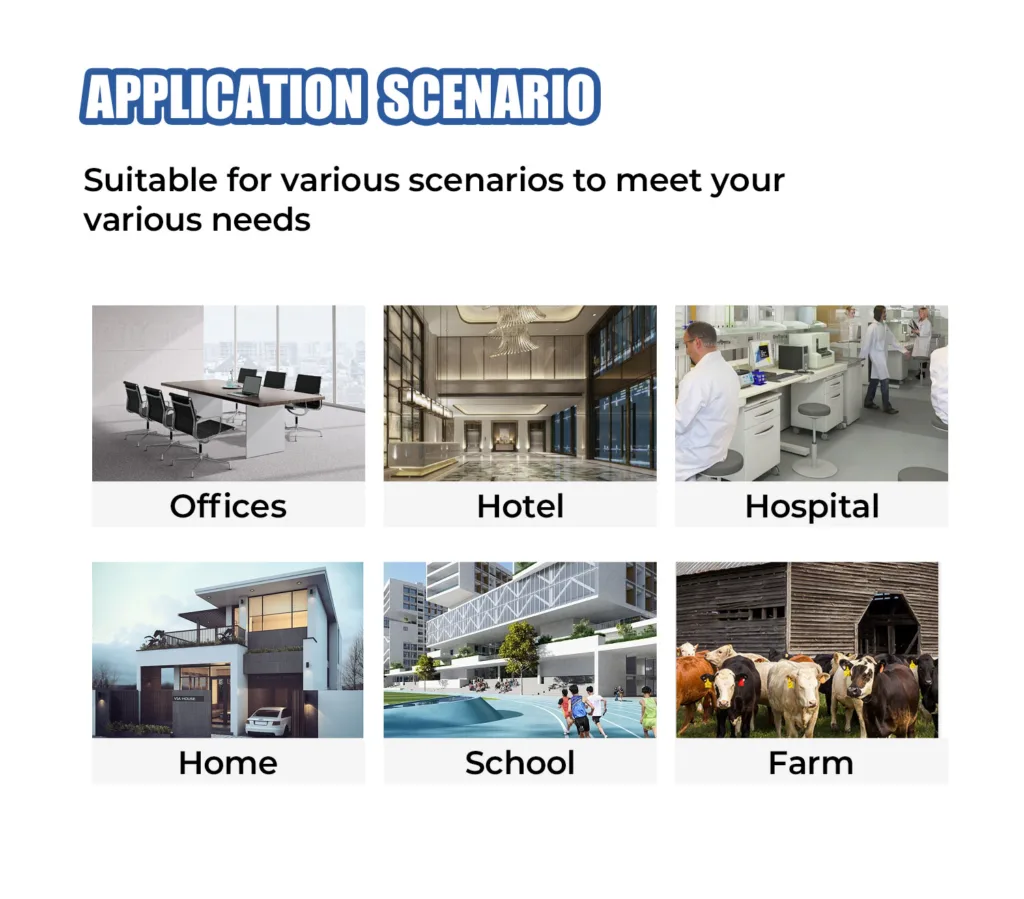
A. Elamu & Kaubanduslik päikeseenergia ladustamine
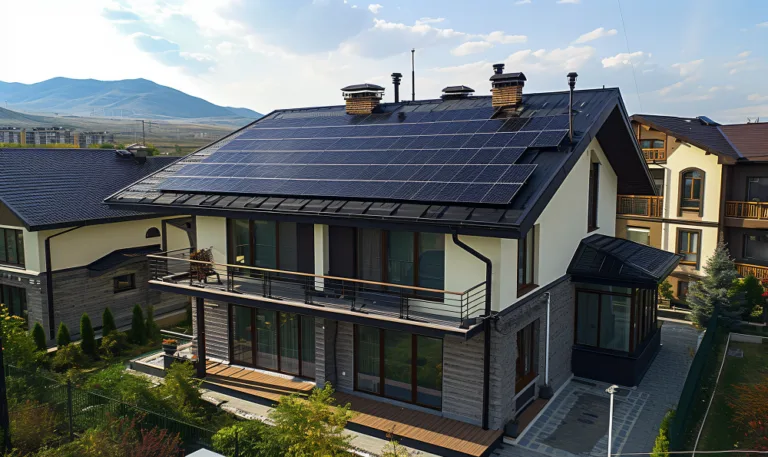
- Energiasõltumatus: Salvestage üleliigne päikeseenergia öiseks kasutamiseks või võrgukatkestusteks, kommunaalvõrkudest sõltuvuse vähendamine 48.
- Skaleeritavus: Modulaarsed liitiumsüsteemid (nt., BSLBATTi 5,12 kWh–10,24 kWh seadmed) võimaldavad hõlpsat võimsuse laiendamist 8.
B. Võrgust väljas & Kauglahendused
- Telkimine/RV-d: Kerged liitiumpakendid (60% kergem kui pliihape) sobivad ideaalselt mobiilsete seadistuste jaoks 8.
- Tööstuslik varukoopia: Kasutatakse telemeetrias, kaugseire, ja kriitiline infrastruktuur töökindluse ja pika eluea tõttu 24.
C. Võrgu tugi & Mikrovõrgud
- Peak raseerimine: Vähendage võrgunõudlust suure energiatarbega perioodidel, kasutades salvestatud päikeseenergiat 4.
- Sagedusmäärus: Liitiumi kiire reageerimine stabiliseerib taastuvenergia hübriidsüsteemide võrke 10.
3. Innovations Dringing Adoption
A. Integreeritud päikeseenergia salvestussüsteemid
- Monoliitsed kujundused: Teadlased on kombineerinud ränist päikesepatareid tahkis-liitiumakudega, saavutamine 15.8% päikeseenergiast salvestamise tõhusus. Need süsteemid laadivad sisse 45 sekundit päikesevalguse käes ja säilitada kõrge tühjenemise kiirus (28C) 9.
B. Tahkis olek & Liitiumisulami tehn
- Tahkisakud: Pakkuge suuremat ohutust, asendades tuleohtlikud vedelad elektrolüüdid. Hiljutised uuringud toovad esile väljakutsed (nt., Li-In dendriidid sulfiidelektrolüütides), kuid liidesetehnoloogia edusammud näitavad lubadust 710.
- Liitiumiga legeeritud päikesepatareid: Parandage kosmoserakenduste kiirguskindlust, võimaldab iseennast taastuda suure energiaga osakeste kahjustustest 6.
C. Jätkusuutlikkus & Taaskasutus
- Madalam süsiniku jalajälg: Liitiumsüsteemid vähendavad kasvuhoonegaaside heitkoguseid 43–57% võrreldes pliihappega nende elutsükli jooksul 10.
- Taaskasutustaristu: Kasvavad algatused taastuvad >90% liitiumist, koobalt, ja nikkel, ressursside nappusega tegelemine 10.
4. Väljakutsed & Tuleviku väljavaade
A. Praegused piirangud
- Esialgne kulu: Esialgsed investeeringud on endiselt suured, kuigi hinnad on langenud 80% aastast 2010 8.
- Külm laadimine: Nõuab küttesüsteeme alla 0°C, keerukuse lisamine 3.
B. Tekkivad suundumused
- Naatriumioonide hübriidid: Odavam ja rikkalikum kui liitium, naatriumioon akud (SIB-id) on saavutamas odavat võrgusalvestust, kuigi energiatihedus jääb 10-st maha.
- AI-põhine juhtimine: Nutikas BMS (Akuhaldussüsteemid) optimeerida laadimistsükleid ja ennustada tõrkeid, eluea pikendamine 14.
5. Otsuste juhend: Kas liitium sobib teile?
| tegur | Liitium | Plii-hape |
|---|---|---|
| Esialgne maksumus | Kõrge (1,750–1750–2500/kWh) | Madal (500–500–1000/kWh) |
| Eluaegne maksumus | Madalam (10-15 aastat) | Kõrgem (3-5 aastat) |
| Ruum/kaal | Kompaktne, kergekaaluline | Mahukas, raske |
| Hooldus | Mitte ühtegi | Regulaarsed kontrollid |
| Keskkonnamõju | Madalam süsiniku jalajälg | Pliireostuse oht |
Soovitus: Pikaajaliseks säästmiseks valige liitium, kõrge efektiivsusega, ja skaleeritavus. Valige pliihape ainult siis, kui eelarvepiirangud kaaluvad üles jõudlusvajadused.
10kWh LiFePO4 akud 10kWh päikesepatarei kulud Myanmaris 25kWh akusüsteemid Kõik-ühes BESS konteiner 4MWh Saudi BESS Tootja Hiina Odavaim koduaku Hiina BESSi lahendused Hiina DDP hulgimüük Hiina tehase LiFePO4 akud Hiina võrguskaala BESS Hiina OEM-i tarnijad Kaubanduslik akuhoidla Kenya DC ESS lahendused DDP lahendus otse Kongo DV-sse Otse Hiina Aafrikasse Otse Hiinast Aafrikasse aku energiat salvestav aku Energia salvestamise süsteemid Ülemaailmsed liitiumpatareide liidrid A-klassi aku Võrgusuuruses akude salvestusseadmete tarnija Kodused akud Hollandi peredele kodu energia salvestamine Tööstuslik BESS Kenya Plii-hape vs. Liitium-ioon akud LiFePO4 LiFePO4 akud LiFePO4 akud Lõuna-Aafrikas LifePo4 aku LifePO4 akutehnoloogia LiFePO4 turustaja Iraagis LiFePO4 ESS Kenya Liitium-ioon aku liitiumioon aku Madalamad hinnad Turutrendid Välisõhu vedelikjahutuskapp Saudi LiFePO4 hanked Skaleeritavad BESS-lahendused tööstusele Päikesepaneelid päikesesüsteem Kõik-ühes virnastamine LiFePO4 päikesepatareide hulgimüük Päikesepatareide hulgimüük
Üks kommentaar