
Üles 3 Liitiumioonakud päikesesüsteemidele: Parimad valikud 2025
Põhiroll Liitium-ioonakud Päikesesüsteemides ja parimates valikutes
Päikesesüsteemide populaarsuse kasvuga, liitium-ioonakud on oma kõrge efektiivsuse tõttu muutunud eelistatud valikuks energia salvestamisel, pikk eluiga, ja keskkonnakasu. See artikkel koondab teavet tavatoodete ja tootjate kohta, et analüüsida päikesesüsteemide jaoks sobivate liitium-ioonakude tüüpe, nende eelised, ja soovitusi valiku tegemiseks.
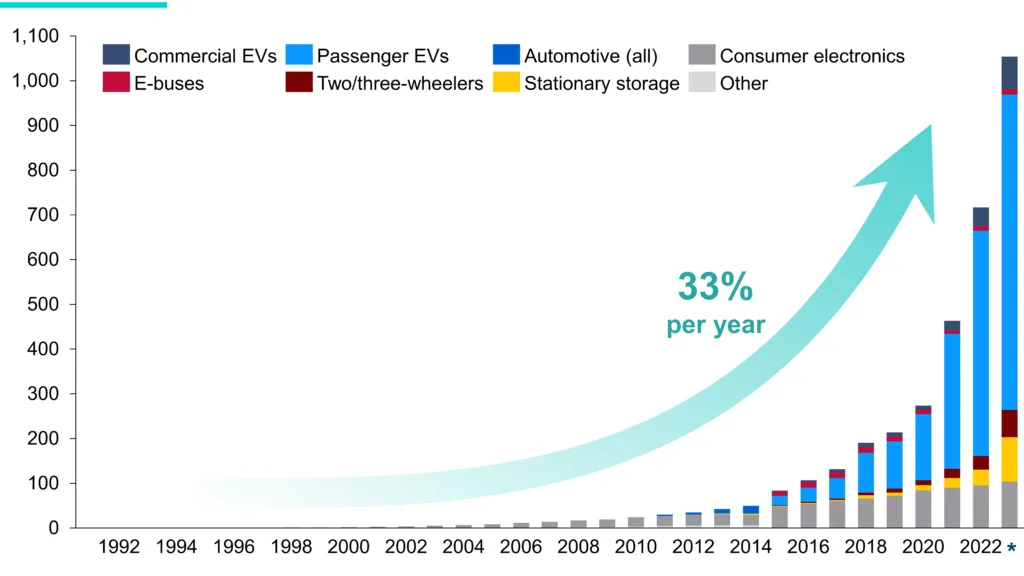
Müügiandmete võrdlus
1. Ülemaailmne müügimaht (2023):
- LiFePO₄ aku: 2.5 GWh
- NCM aku: 1.8 GWh
- LTO aku: 0.6 GWh
- Suurim osakaal on LiFePO₄ akudel, muutes need eelistatud valikuks enamiku elamu- ja tööstussüsteemide jaoks.
2. Elamu- ja tööstussüsteemide kasutusmäärad:
- Elamusüsteemides:
- 80% kasutage LiFePO₄
- 15% kasutage NCM-i
- 5% kasutage LTO-d
- Tööstus- ja kaubandussüsteemides:
- 60% kasutage LiFePO₄
- 30% kasutage NCM-i
- 10% kasutage LTO-d
3. Laadimise/tühjenemise efektiivsuse võrdlus:
- Laadimise/tühjenemise efektiivsus:
- LiFePO₄ aku: 96%
- NCM aku: 92%
- LTO aku: 98%
- Tsükli eluiga:
- LiFePO₄ aku: 2000-5000 tsüklid
- NCM aku: 1000-2000 tsüklid
- LTO aku: 10,000 tsüklid
- Ohutus:
- LiFePO₄: Kõrge, mittesüttiv
- NCM: Keskmine, võib tekkida termiline jooksmine
- LTO: Väga kõrge, stabiilne ekstreemsetes keskkondades
4. Hindade võrdlus:
- LiFePO₄: u. $120-180 dollarit / kWh
- NCM: u. $150-200 dollarit kWh kohta
- LTO: u. $400– 600 $/kWh
Liitiumioonakude eelised päikeseenergia salvestamisel
1. Kõrge energiatihedus ja kerge kaal Võrreldes traditsiooniliste pliiakudega, liitium-ioonakud, eriti LiFePO₄ tüüpi, on suurema energiatihedusega ja kergemad. Näiteks, 12 V 100 Ah LiFePO₄ aku kaalub vaid 9,36 kg, samas kui sama mahutavusega pliiaku võib kaaluda kuni 30 kg. See muudab need ideaalseks katusepaigaldiste või mobiilsete rakenduste jaoks, nagu haagismajad ja võrguvälised süsteemid.
2. Pikk tsükli eluiga ja stabiilsus LiFePO₄ akude eluiga on tavaliselt üle 2000 tsüklid (koos 80% mahutavuse säilitamine), kaugelt üle 300-500 pliiakude tsüklid. Tootjad, nagu Dinali Energy, viivad läbi rangeid kvaliteediteste, et tagada aku stabiilsus äärmuslikel temperatuuridel ja pakuvad garantiisid alates 1 juurde 3 aastat.
3. Kiire laadimine / tühjendamine ja kõrge ühilduvus Liitiumioonakud toetavad suuremat laadimis-/tühjenemissagedust (nt., 100BMS), võimaldab kiiresti reageerida päikesepaneelide energiasisendile. Tarkade kaudu Akuhaldussüsteemid (BMS), need pakuvad kaitset ülelaadimise ja tühjenemise eest, ühilduvuse tagamine inverterite ja päikesekontrolleritega.
Parimad liitiumioonakud päikesesüsteemide jaoks
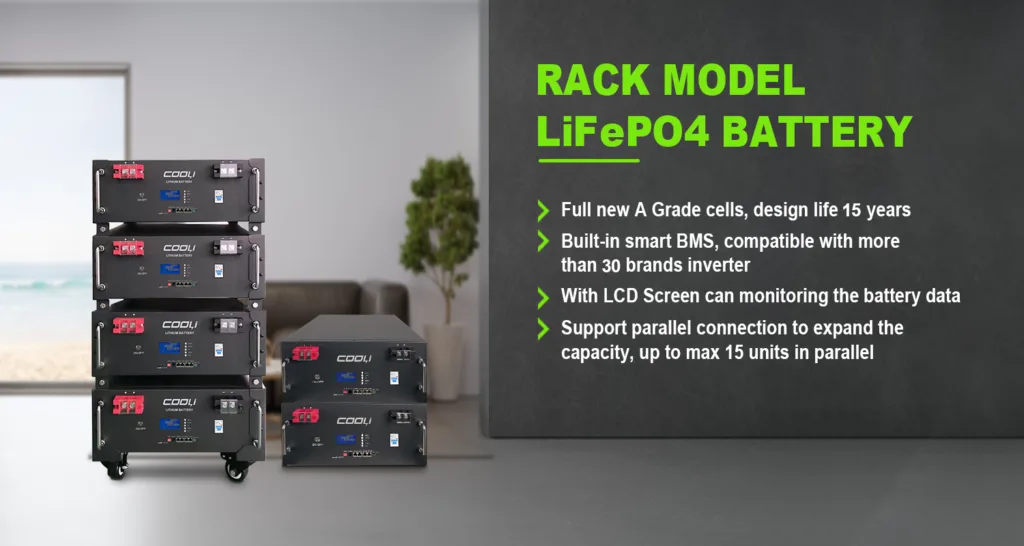
1. LiFePO₄ (Liitiumraudfosfaadi aku)
- Põhilised eelised: Kõrge ohutus (tugev termiline stabiilsus), pikk tsükli eluiga (1500-2000 tsüklid), keskkonnasõbralik.
- Tüüpilised rakendused: Elamu panipaik, võrguvälised päikesesüsteemid, Matkaautod, jne.
- Esinduslik toode: 12V 100Ah LiFePO₄ aku koos 100A BMS-iga, pakkudes 1-aastast garantiid, hinnaga umbes $139.
2. NCM (Nikkel-koobalt-mangaan-liitiumaku)
- Omadused: Suurem energiatihedus, ideaalne ruumitundlike rakenduste jaoks, kuid veidi lühema tsükli elueaga võrreldes LiFePO₄-ga.
- Rakendused: Kaubanduslikud ja tööstuslikud ladustamissüsteemid, suure võimsusega päikeseenergia hübriidseaded.
3. LTO (Liitium-titanaadi aku)
- Eelised: Ülipikk tsükli eluiga (kuni 10,000 tsüklid), lai temperatuuri kohanemisvõime (-30°C kuni 60 °C).
- Sobivad rakendused: Päikeseenergia salvestussüsteemid äärmuslikes kliimatingimustes või sagedaste laadimis-/tühjenemistsüklitega mikrovõrgusüsteemid.
Päikeseenergia liitiumioonakude ostujuhend
1. Võimsuse ja pinge sobitamine Elamusüsteemide jaoks, 12Tavaliselt kasutatakse V või 24 V patareisid (nt., 12V 100Ah aku suudab salvestada ligikaudu 1,2 kWh energiat). Oluline on arvutada kogu energiavajadus koormuse võimsuse ja päikesevalguse kestuse alusel.
2. BMS ja ohutussertifikaadid Veenduge, et akul oleks integreeritud BMS, mis toetab ülevoolu- ja temperatuurikaitset. Valige UL-i sertifitseeritud tooted, CE, või TUV (nagu EastSuni omad ,Sunchees ja Coolithium).
3. Tootja ja müügijärgne teenindus Valige kaubamärgid, mis pakuvad kohandatud lahendusi:
- Totlpower: 30,000 m² tehas, toetab tööstusliku energiasalvestuse kohandamist.
- CMGL päikeseenergia (Pakistani turg): Pakub Tesla ja Longi akulahendusi 25-aastase süsteemigarantiiga.
Soovitatavad ülemaailmsed liitiumpatareide tootjad
1. Idapäike (Hiina)
- Nende tootesari hõlmab nii elamu- kui ka ärihooneid, pakkudes integreeritud lahendusi hübriidinverterite ja LiFePO₄ akudega, UL ja IEC poolt sertifitseeritud.
2. Kiire energia (India)
- Spetsialiseerunud rohelisele energiale, toodavad LFP ja NCM akusid, päikeseinverterite ja mikrovõrgurakenduste toetamine, ja pakkumine 24/7 tehniline tugi.
3. Sunchees (Hiina)
- Koos 15 aastane OEM-i kogemus, Sunchees pakub puhtaid siinuslaine invertereid ja liitiumakusüsteeme, hajutatud projektide toetamine 100 riigid.
4. Coolithium(Hiina)
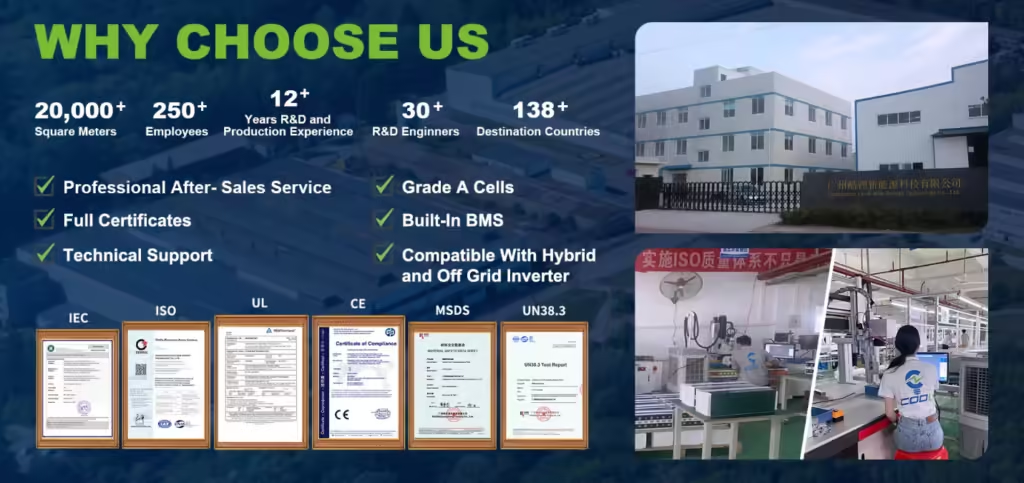
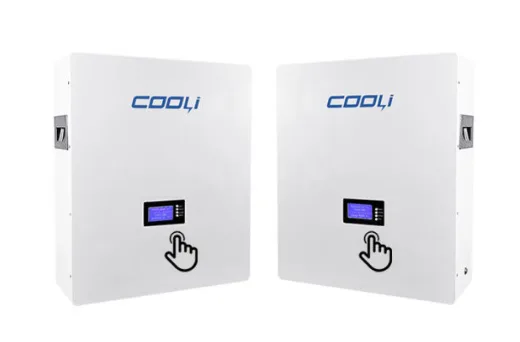
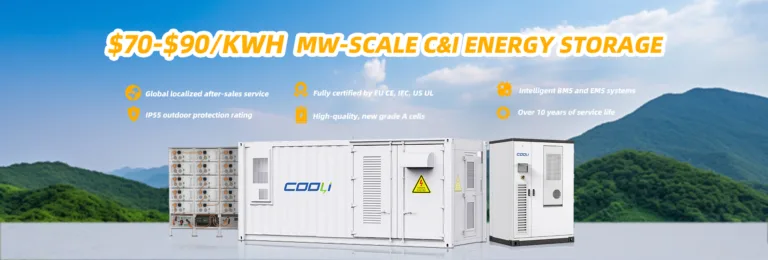
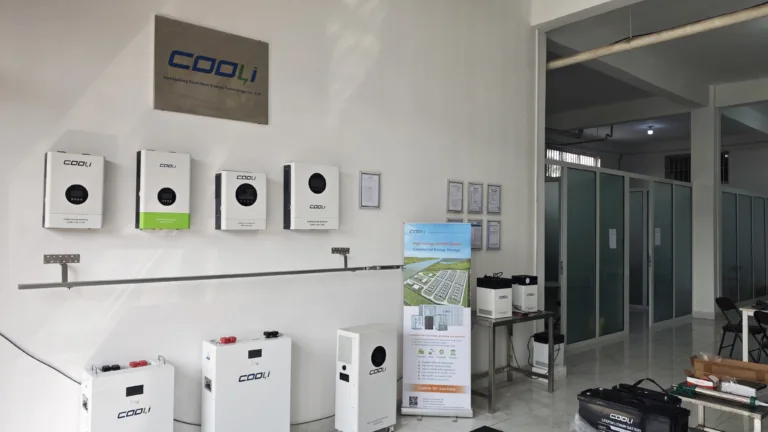
- 15 Aastatepikkune kogemus Professionaalne tehas 3 hooned tootmiseks, OEM&ODM-i kogemus, BMS-süsteemi on välja töötanud meie enda inseneride meeskond, Võib sobida rohkem kui 20 marki inverterid. Sai ISO9001, UL,a-021, IEC,CE,CB,UN38.3, ohutuskaart,jne Sertifikaadid.
Paigaldus- ja hooldussoovitused
1. Süsteemi ühilduvus Veenduge, et aku pinge vastaks päikesepaneeli ja inverteri spetsifikatsioonidele (nt., 12V aku peab ühilduma 12V päikesekontrolleriga).
2. Regulaarne jälgimine Kasutage tootjate pakutavaid nutikaid rakendusi (nt., CMGL Solari seiretööriistad) laadimise ja tühjenemise oleku reaalajas jälgimiseks.
3. Keskkonnanõuded Vältige kõrgeid temperatuure või niisket keskkonda. LiFePO₄ akusid soovitatakse töötada temperatuurivahemikus -20°C kuni 60°C.
Järeldus
LiFePO₄ akud, tänu nende kõrgele laadimise/tühjenemise efektiivsusele, ohutus, ja taskukohase hinnaga, jäävad parimaks valikuks enamikus elamu- ja tööstussüsteemides. NCM-akud sobivad paremini suure võimsusega rakenduste jaoks, samas kui LTO akud paistavad silma ekstreemsetes keskkondades või kõrgsageduslikul rattasõidul. Valides, arvestama süsteemi erivajadustega, ning pikaajalise investeerimise ja tõhususe vaatenurgast, LiFePO₄ on enamikul juhtudel parim valik.
Ülemaailmse päikesepatareide turu ülevaate allikas: https://www.marketresearchfuture.com/reports/solar-battery-market-10621
10kWh LiFePO4 akud 10kWh päikesepatarei kulud Myanmaris 25kWh akusüsteemid Kõik-ühes BESS konteiner 4MWh Saudi BESS Tootja Hiina Odavaim koduaku Hiina BESSi lahendused Hiina DDP hulgimüük Hiina tehase LiFePO4 akud Hiina võrguskaala BESS Hiina OEM-i tarnijad Kaubanduslik akuhoidla Kenya DC ESS lahendused DDP lahendus otse Kongo DV-sse Otse Hiina Aafrikasse Otse Hiinast Aafrikasse aku energiat salvestav aku Energia salvestamise süsteemid Ülemaailmsed liitiumpatareide liidrid A-klassi aku Võrgusuuruses akude salvestusseadmete tarnija Kodused akud Hollandi peredele kodu energia salvestamine Tööstuslik BESS Kenya Plii-hape vs. Liitium-ioon akud LiFePO4 LiFePO4 akud LiFePO4 akud Lõuna-Aafrikas LifePo4 aku LifePO4 akutehnoloogia LiFePO4 turustaja Iraagis LiFePO4 ESS Kenya Liitium-ioon aku liitiumioon aku Madalamad hinnad Turutrendid Välisõhu vedelikjahutuskapp Saudi LiFePO4 hanked Skaleeritavad BESS-lahendused tööstusele Päikesepaneelid päikesesüsteem Kõik-ühes virnastamine LiFePO4 päikesepatareide hulgimüük Päikesepatareide hulgimüük

Üks kommentaar