
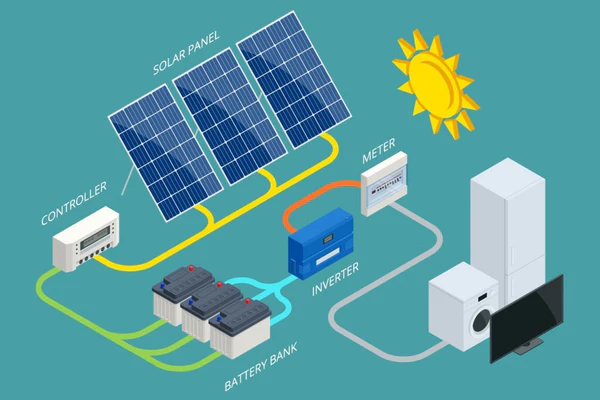
نحوه محاسبه ظرفیت باتری خورشیدی? 3 مراحل اندازه گیری کامل
(راهنمای عملی برای خانه ها و مشاغل آفریقایی, با تمرکز بر آفریقای جنوبی)
تطبیق ظرفیت باتری خورشیدی با برنامه های کاهش بار در آفریقا
در مناطقی مانند آفریقای جنوبی و سایر مناطق آفریقا, قطعی برق مکرر و برق شبکه غیرقابل اعتماد، سیستم های انرژی خورشیدی را به یک راه نجات برای خانه ها و مشاغل تبدیل کرده است. یکی از اجزای مهم هر راه اندازی خورشیدی باتری است, که انرژی را برای استفاده در مواقعی که خورشید نمی تابد ذخیره می کند. با این حال, انتخاب ظرفیت باتری اشتباه می تواند منجر به هدر رفتن پول شود, قدرت ناکافی, یا عمر باتری کوتاه شده است.
این راهنما روند محاسبه را به تفکیک شرح می دهد ظرفیت باتری خورشیدی در سه مرحله ساده, متناسب با نیازهای انرژی منحصر به فرد آفریقا, آب و هوا, و پتانسیل خورشیدی.

مرحله 1: میزان مصرف انرژی روزانه خود را تعیین کنید
قبل از اندازهگیری باتری, شما باید بدانیدخانه یا کسب و کار شما روزانه چقدر انرژی مصرف می کند.
- لیست تمام وسایل برقی شما قصد دارید با انرژی خورشیدی انرژی بگیرید.
- لوازم معمولی در خانواده های آفریقایی: چراغ های LED (5– 10 وات), یخچال ها (100– 200 وات), تلویزیون ها (50– 100 وات), طرفداران (50دبلیو), شارژرهای موبایل (10دبلیو), و پمپ های آب کوچک (200– 500 وات).
- برای مشاغل: کامپیوترها, روترها, دوربین های امنیتی, یا ماشین آلات.
- مصرف انرژی روزانه را محاسبه کنید (در وات ساعت, ساعت):
- قدرت (دبلیو) × ساعت استفاده در روز = انرژی روزانه به ازای هر دستگاه.
- مثال:
- 5 چراغ های LED (10W هر کدام) × 6 ساعت = 300 ساعت
- یخچال (150دبلیو) × 24 ساعت (چرخه روشن/خاموش) ≈ 900 ساعت
- تلویزیون (80دبلیو) × 4 ساعت = 320 ساعت
- کل انرژی روزانه = 300 + 900 + 320 = 1,520 ساعت (1.52 کیلووات ساعت)
- عامل ناکارآمدی:
- سیستم های خورشیدی به دلیل ناکارآمدی اینورتر انرژی خود را از دست می دهند (~ 10-20٪) و تلفات شارژ/دشارژ باتری (~ 10-15٪).
- کل انرژی روزانه را ضرب کنید1.3 (30% بافر):
- 1.52 کیلووات ساعت × 1.3 = ~ 2 کیلووات ساعت در روز.
مرحله 2: محاسبه ظرفیت باتری بر اساس روزهای خودمختاری
ظرفیت باتری بستگی داردچند روز به برق پشتیبان نیاز دارید (روزهای خودمختاری). در آفریقای جنوبی, جایی که بارریزی رایج است, 2-3 روز خودمختاری عملی است.
1.فرمول:
ظرفیت باتری(کیلووات ساعت)= انرژی روزانه(کیلووات ساعت)×روزهای خودمختاری
- مثال: برای 2 روزهای خودمختاری:
2 کیلووات ساعت/روز×2 روز=4 کیلووات ساعت
2.کیلووات ساعت را به آمپر ساعت تبدیل کنید (آه):
- باتری ها بر حسب Ah در یک ولتاژ مشخص رتبه بندی می شوند (به عنوان مثال, 12V, 24V, 48V).
- فرمول:

- مثال: برای سیستم 48 ولت:

3.فاکتور عمق تخلیه (وزارت دفاع):
- اکثر باتری ها (به عنوان مثال, لیتیوم یون) نباید کمتر از 80-90٪ DoD تخلیه شود. باتری های سرب اسید محدود به 50% وزارت دفاع.
- ظرفیت را تنظیم کنید:

- مثال: برای لیتیوم یون (90% وزارت دفاع):

مرحله 3: مطابقت ظرفیت باتری با خروجی پنل خورشیدی
باتری شما باید با قابلیت شارژ آرایه پنل خورشیدی شما هماهنگ باشد.
- تولید روزانه خورشیدی را بررسی کنید:
- میانگین آفریقای جنوبی4– 6 ساعت اوج آفتاب در روز (بسته به فصل متفاوت است).
- فرمول:خروجی پنل خورشیدی(ساعت)= وات پنل× خروجی پنل خورشیدی ساعت خورشید(ساعت)= وات پنل× ساعات خورشیدی
- مثال: 400پانل های W × 5 ساعت خورشید = 2,000 ساعت (2 کیلووات ساعت).
- اطمینان حاصل کنید که پانل ها می توانند باتری را شارژ کنند:
- تولید روزانه خورشیدی باید بیشتر از مصرف انرژی روزانه باشد.
- مثال: اگر استفاده می کنید 2 کیلووات ساعت در روز و تولید کنید 2 کیلووات ساعت در روز, برای روزهای ابری به ظرفیت اضافی نیاز دارید.
- حساب برای گسترش سیستم:
- 20 تا 30 درصد ظرفیت باتری اضافی را برای نیازهای آینده اضافه کنید (به عنوان مثال, اضافه کردن لوازم خانگی).
ملاحظات کلیدی برای کاربران آفریقایی
- نوع باتری:
- لیتیوم یون: طول عمر بیشتر (10+ سال ها), وزارت دفاع بالاتر (90%), اما پرهزینه.
- سرب-اسید: ارزان تر اما طول عمر کمتر (3-5 سال) و DoD پایین تر (50%).
- درجه حرارت:
- دمای بالا (رایج در آفریقا) کاهش کارایی باتری. باتری ها را در سایه نصب کنید, مناطق تهویه شده.
- پشتیبانی محلی:
- مارک هایی را انتخاب کنید که دارای مراکز خدماتی در منطقه شما هستند (به عنوان مثال, هواوی, انرژی ویکترون, یا تامین کنندگان محلی).
محاسبه مثال برای یک خانواده آفریقای جنوبی
- لوازم خانگی: 10 چراغ ها (100کل W), یخچال (150دبلیو), تلویزیون (80دبلیو), فن (50دبلیو).
- انرژی روزانه: 1.5 کیلووات ساعت + 30% بافر = 1.95 کیلووات ساعت.
- خودمختاری: 2 روزها → 3.9 کیلووات ساعت.
- ولتاژ باتری: 48V → 3.9 کیلووات ساعت × 1,000 / 48V = 81.25 آه.
- لیتیوم یون (90% وزارت دفاع): 81.25 آه / 0.9 ≈ 90 آه.
- باتری توصیه شده: 100 آه لیتیوم یون (48V).
نکات نهایی
- برای دقت از یک ماشین حساب خورشیدی استفاده کنید.
- برای تایید طرح خود با نصاب های محلی مشورت کنید.
- برای کاهش اندازه و هزینه باتری، وسایل کم مصرف را در اولویت قرار دهید.
با انجام این مراحل, شما مطمئن خواهید شد که سیستم باتری خورشیدی شما نیازهای شما را برآورده می کند, از دفع بار جان سالم به در می برد, و آب و هوای آفریقا را تحمل می کند. 🌞🔋
ادامه مطلب:
- [راهنمای نهایی نصب باتری لیتیومی 48 ولت 100 آمپر ساعتی روی دیوار: پاسخ دادن 5 سوالات متداول کلیدی]
- [48V 200Ah باتری خورشیدی اوگاندا: رفع قطعی ها & صرفه جویی در هزینه ها]
10باتری های کیلووات ساعت LiFePO4 10هزینه باتری خورشیدی کیلووات ساعت در میانمار 25سیستم های باتری کیلووات ساعت همه در یک کانتینر BESS 4 مگاوات ساعت عربستان BESS سازنده چین ارزان ترین باتری خانگی راه حل های چین BESS عمده فروشی DDP چین باتری های LiFePO4 کارخانه چین چین شبکه مقیاس BESS تامین کنندگان OEM چینی ذخیره سازی باتری تجاری کنیا راه حل های DC ESS راه حل DDP مستقیم به DRC چین را به آفریقا هدایت کنید هدایت چین به آفریقا باتری باتری ذخیره انرژی سیستم های ذخیره انرژی رهبران جهانی باتری لیتیومی باتری درجه A تامین کننده ذخیره سازی باتری Grid-Scale باتری های خانگی برای خانواده های هلندی ذخیره انرژی خانه BESS صنعتی کنیا سرب-اسید در مقابل. باتری های لیتیوم یونی LiFePO4 باتری های LiFePO4 باتری های LiFePO4 در آفریقای جنوبی باتری LifePo4 فناوری باتری LifePO4 توزیع کننده LiFePO4 در عراق LiFePO4 ESS کنیا باتری لیتیوم یونی باتری لیتیوم یونی قیمت های پایین تر روندهای بازار کابینت خنک کننده مایع در فضای باز تهیه LiFePO4 عربستان راه حل های مقیاس پذیر BESS برای صنعت پنل های خورشیدی منظومه شمسی انباشتن همه کاره عمده فروشی باتری های خورشیدی LiFePO4 عمده فروشی باتری خورشیدی

یک نظر