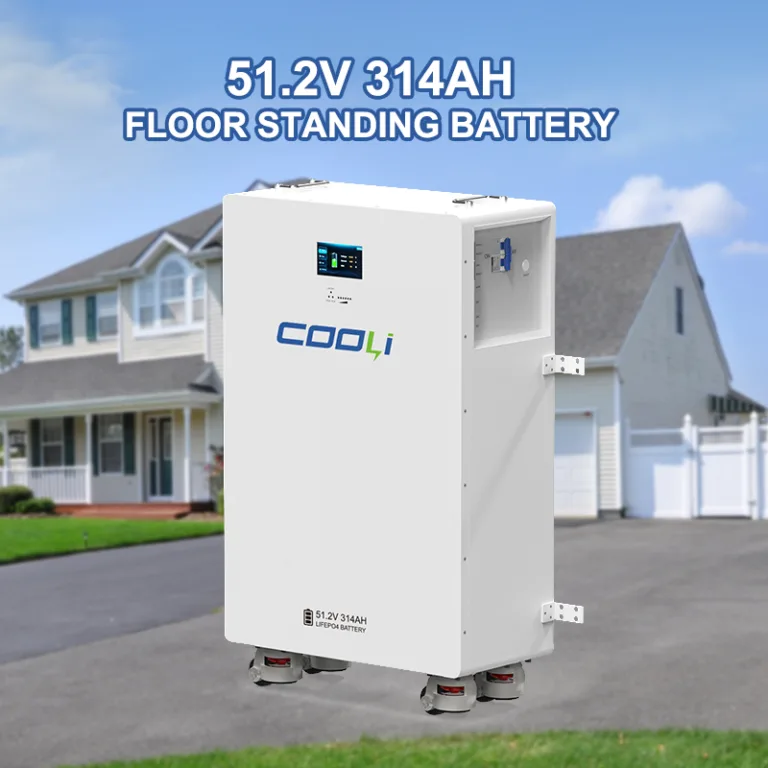
راهنمای ساده برای انتخاب محل ذخیره باتری خانه مناسب برای خانواده شما در کینشاسا
the Right Home Battery Storage for Your Family in Kinshasa
Living in Kinshasa comes with unique energy challenges. Frequent power outages and an unstable grid can disrupt daily life. A home battery storage system can provide reliable backup power, آرامش خاطر, and even savings if paired with solar panels. But how do you choose the right one? This guide will help you understand the key factors.
1. Understand Your Primary Need
First, ask yourself: What do I want to power during an outage?
- Essential Loads Only: چراغ ها, طرفداران, شارژ گوشی, در تلویزیون, و یک یخچال. This requires a smaller, more affordable system.
- High-Power Appliances: دستگاه های تهویه مطبوع, پمپ های آب, electric cookers. This demands a much larger, قدرتمندتر (and expensive) سیستم.
- Whole House Backup: To run everything as normal. This is the largest and costliest option.
Tip for Kinshasa: Given the heat and importance of food preservation, prioritizing a fridge, طرفداران, and lights is a common and practical starting point.
2. Key Battery Features to Compare
Not all batteries are the same. Focus on these specs:
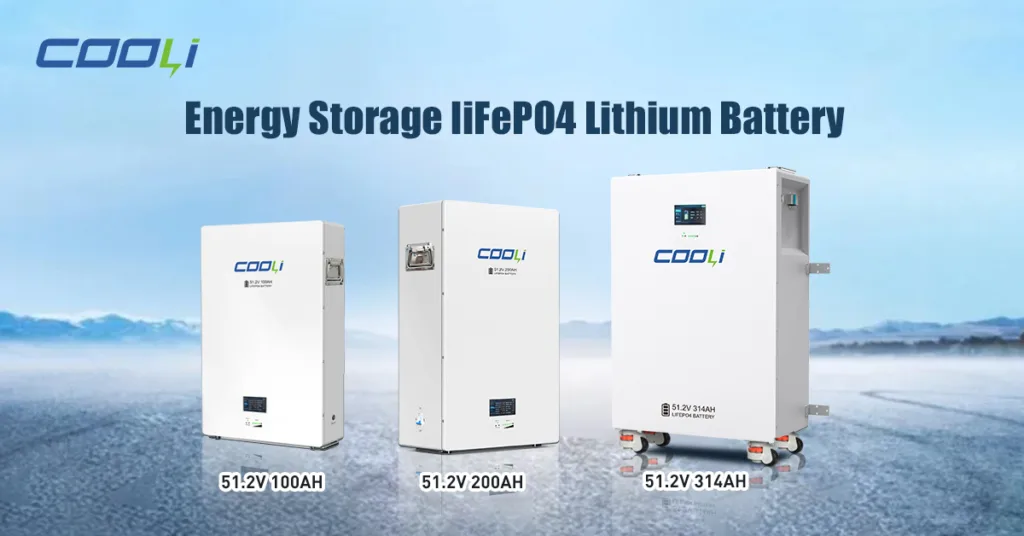
- ظرفیت (کیلووات ساعت): This is the “fuel tank” size—how much electricity the battery can store. آ 5 kWh battery might run essentials for several hours; الف 10-15 kWh system can do more.
- رتبه بندی قدرت (کیلووات): This is the “engine” power—how much electricity it can deliver at once. You need enough power to start and run all your appliances simultaneously. A high-wattage appliance like an AC unit requires a high power rating (به عنوان مثال, 5 kW or more).
- شیمی باتری:
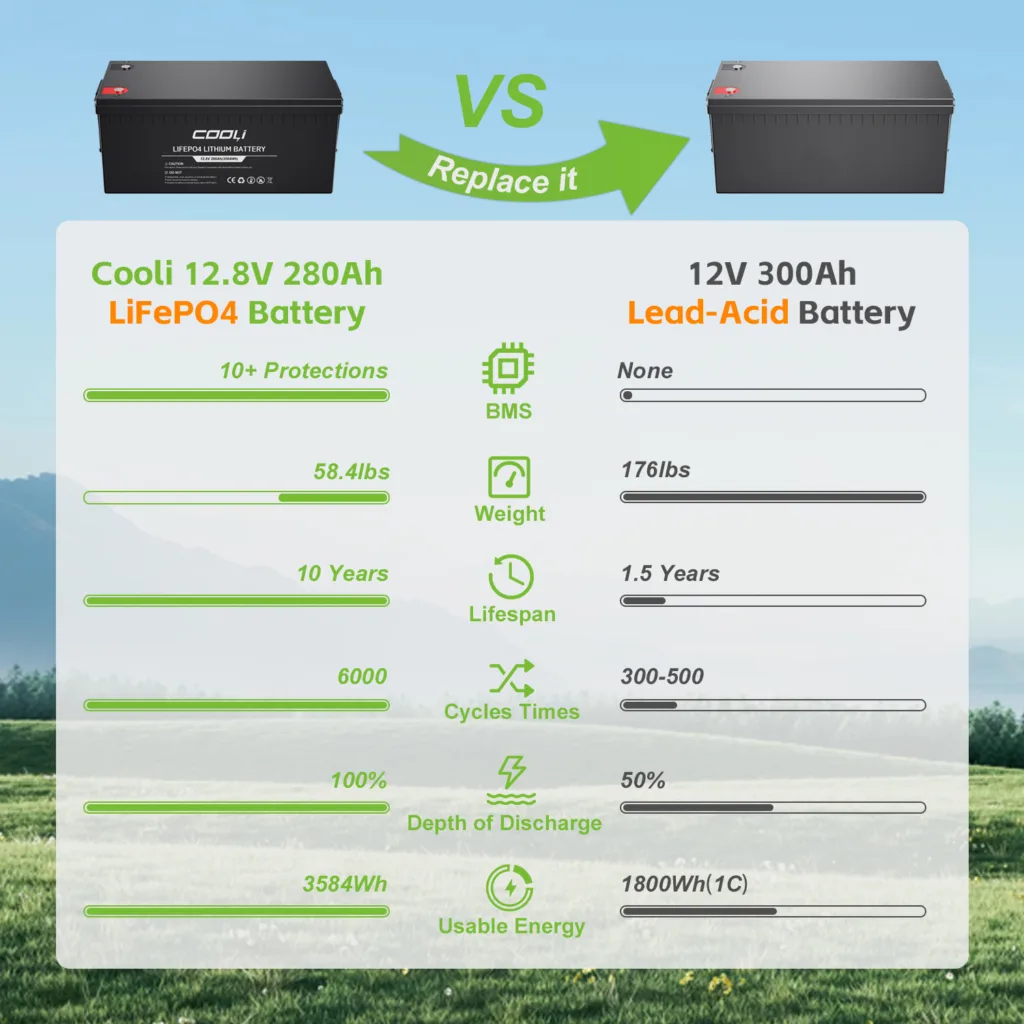
- لیتیوم یون (لیتیوم یون): The modern standard. They are compact, طولانی مدت (10-15 سال ها), نیازی به نگهداری ندارد, and have high efficiency. Best for most homes in Kinshasa.
- سرب-اسید: Much cheaper upfront but bulkier, shorter-lived (3-5 سال ها), require ventilation and maintenance, and have lower efficiency. A budget option if used infrequently.
- عمق تخلیه (وزارت دفاع): The percentage of the battery you can safely use without damaging it. به عنوان مثال, الف 10 kWh battery with a 90% DoD means you can use 9 کیلووات ساعت. Lithium batteries typically have a higher DoD (90%+) than lead-acid (50%).
- طول عمر & ضمانتنامه: Look for the warranty on سال ها و توان عملیاتی (total MWh it will deliver). A good lithium battery often comes with a 10-year warranty.
3. Solar Compatibility: Planning for the Future
Kinshasa has abundant sunshine. Pairing your battery withپنل های خورشیدی is a game-changer. The sun can recharge your battery daily, making you less dependent on the grid and generators.
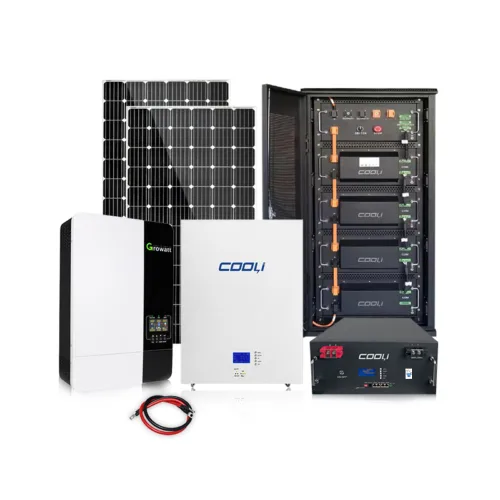
- Ensure the battery you choose is compatible with solar inverters (the device that manages solar power). اینورترهای هیبریدی are designed to seamlessly integrate solar, باتری, and the grid.
- Starting with a battery that is “solar-ready” saves money and hassle if you add panels later.
4. Climate & Safety Considerations for Kinshasa
- Heat Tolerance: Batteries degrade faster in high heat. Ensure the unit is rated for Kinshasa’s tropical temperatures (often 25-35°C). Proper installation in a shaded, ventilated spot is crucial.
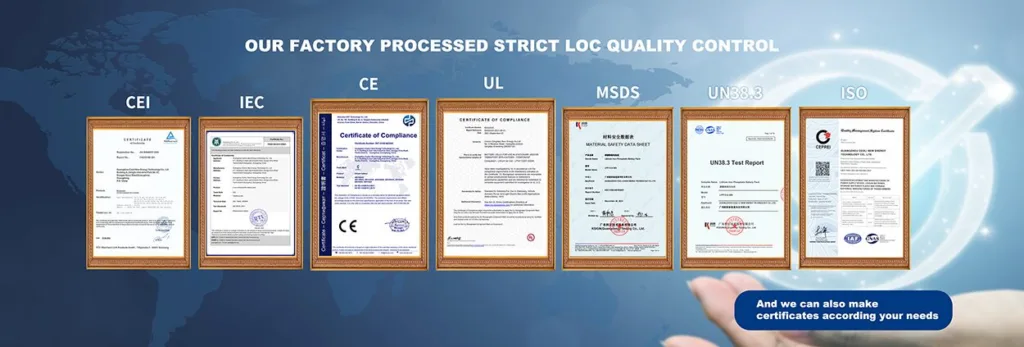
- Safety Certifications: Only buy batteries with international certifications (like UL, IEC). Lithium batteries with built-in Battery Management Systems (BMS) are vital for safety, preventing overheating and overcharging.
5. Budget & هزینه کل
Consider theکل هزینه مالکیت, not just the upfront price.
- هزینه اولیه: Includes the battery, اینورتر, نصب, and wiring.
- Long-Term Value: A more expensive lithium battery will outlast several lead-acid batteries and perform better, offering better value over time.
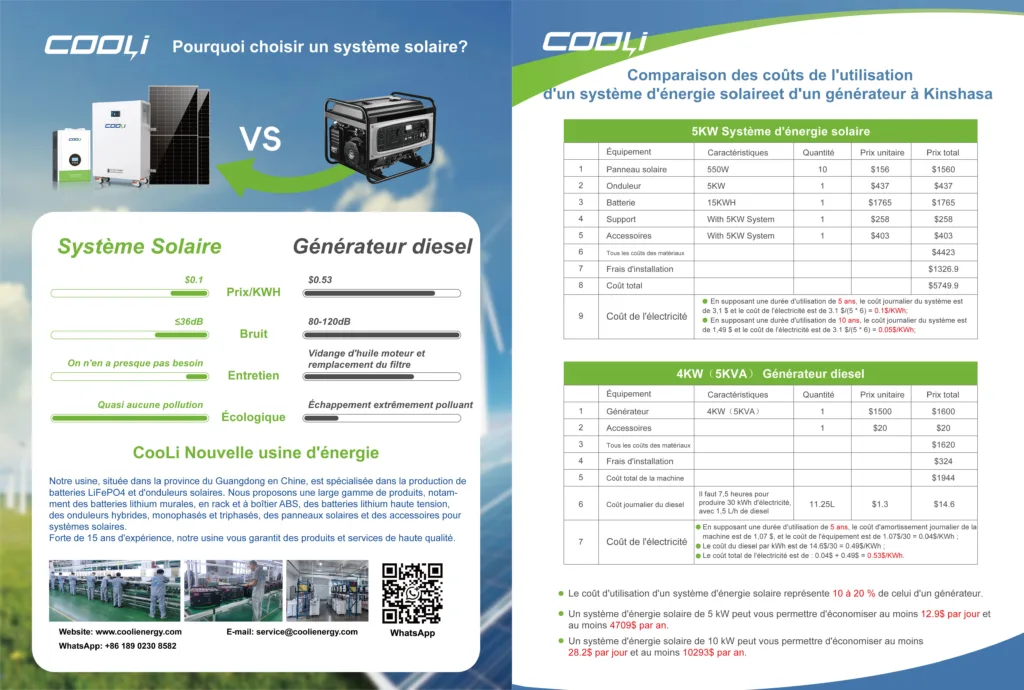
- هزینه عملیاتی: With solar, شما “fuel” is free sunshine. Without solar, you recharge from the grid, so calculate that cost.
Step-by-Step Decision Process
- Make a List: List the appliances you must back up and note their wattage (found on the label).
- Calculate Your Needs:
- Total Power (کیلووات): Add up the wattage of appliances that might run at the same time. Convert to kilowatts (کیلووات). This determines the power rating you need.
- Total Energy (کیلووات ساعت): Estimate how many ساعت you’ll run these appliances during an outage. Multiply total kW by hours. This determines the ظرفیت you need.
- Set Your Priority: Essentials only, or partial/whole home backup?
- Choose Chemistry: Lithium-ion is strongly recommended for Kinshasa homes due to its lifespan, maintenance-free operation, and heat tolerance.
- Get Quotes: Contact reputable solar/energy suppliers in Kinshasa. Provide them with your calculations. Ask about:
- Complete system design (باتری + compatible inverter).
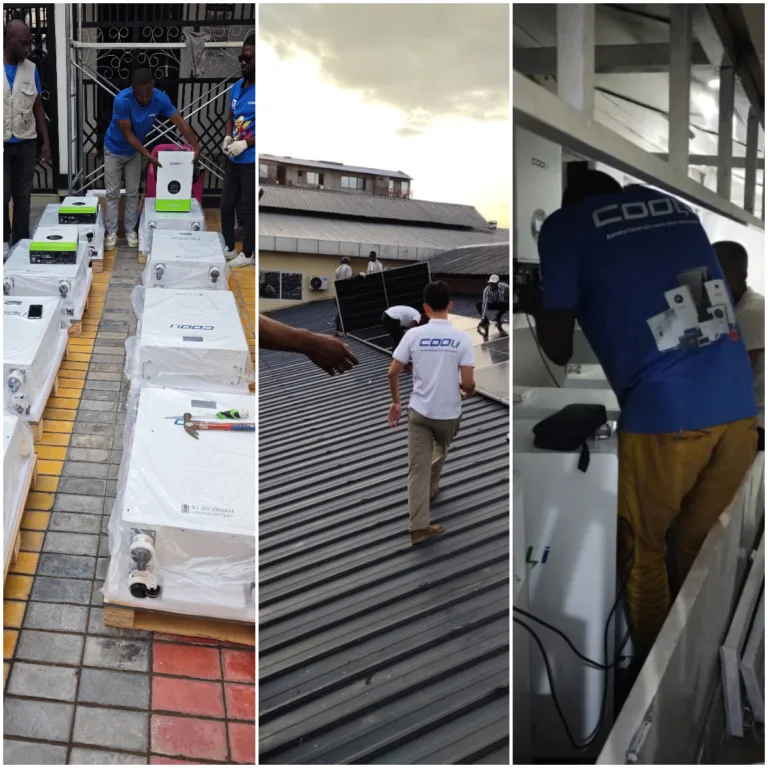
- Installation costs and timeline.
- Warranty details and after-sales service.
Final Recommendation for Kinshasa Families
For most households in Kinshasa, الفmoderate-capacity (5-15 کیلووات ساعت) lithium-ion battery system, جفت شده با aاینورتر هیبریدی and preferablyپنل های خورشیدی, represents the best long-term investment. It provides reliable, quiet, and clean backup power for essentials, reduces generator dependence (saving on fuel), and leverages the abundant solar resource.
Start by powering what matters most to your family’s comfort and security. Invest in quality equipment from a trusted installer with reliable service—this is crucial for a system that will serve you well for over a decade.
Empower your home with the right energy choice.