
Batteries au lithium dans les systèmes solaires: 5 Avantages clés pour augmenter l’efficacité 90%
Piles au lithium have revolutionized solar energy storage, offering superior performance over traditional lead-acid counterparts. Below is a detailed exploration of their role in solar systems, supported by technical insights and real-world applications.

1. Core Advantages of Batteries au lithium dans les systèmes solaires
UN. Haute efficacité & Densité énergétique
- Efficacité aller-retour: Lithium batteries achieve 95–99% efficiency, compared to 70–85% for lead-acid, minimizing energy loss during charging/discharging cycles 13.
- Densité énergétique: Lithium packs store 3× more energy per unit volume, reducing space requirements by 70% 18. Par exemple, un 5.12 kWh lithium system occupies half the space of a lead-acid setup with similar capacity.
B. Durée de vie prolongée & Rentabilité
- Cycle de vie: LiFePO4 (phosphate de fer et de lithium) batteries endure 2,000–10,000 cycles at 80% profondeur de décharge (Ministère de la Défense), outlasting lead-acid (300–500 cycles at 50% Ministère de la Défense) 13. Sur 15 années, lithium’s upfront cost (2–3× higher) is offset by fewer replacements, yielding 40–50% lower lifetime costs 3.
- Sans entretien: Unlike lead-acid batteries requiring water refills and sulfation checks, lithium systems operate with zero maintenance 28.
C. Fast Charging & Résilience à la température
- Vitesse de charge: Lithium charges in 2–5 hours vs. 8–10 hours for lead-acid, enabling rapid energy capture during peak sunlight 13.
- Écart de température: Operates efficiently in -20°C to 60°C (-4°F à 140°F) for discharge and 0°C to 49°C (32°F to 120°F) for charging. Advanced models include self-heating for sub-zero environments 38.
2. Applications in Solar Systems
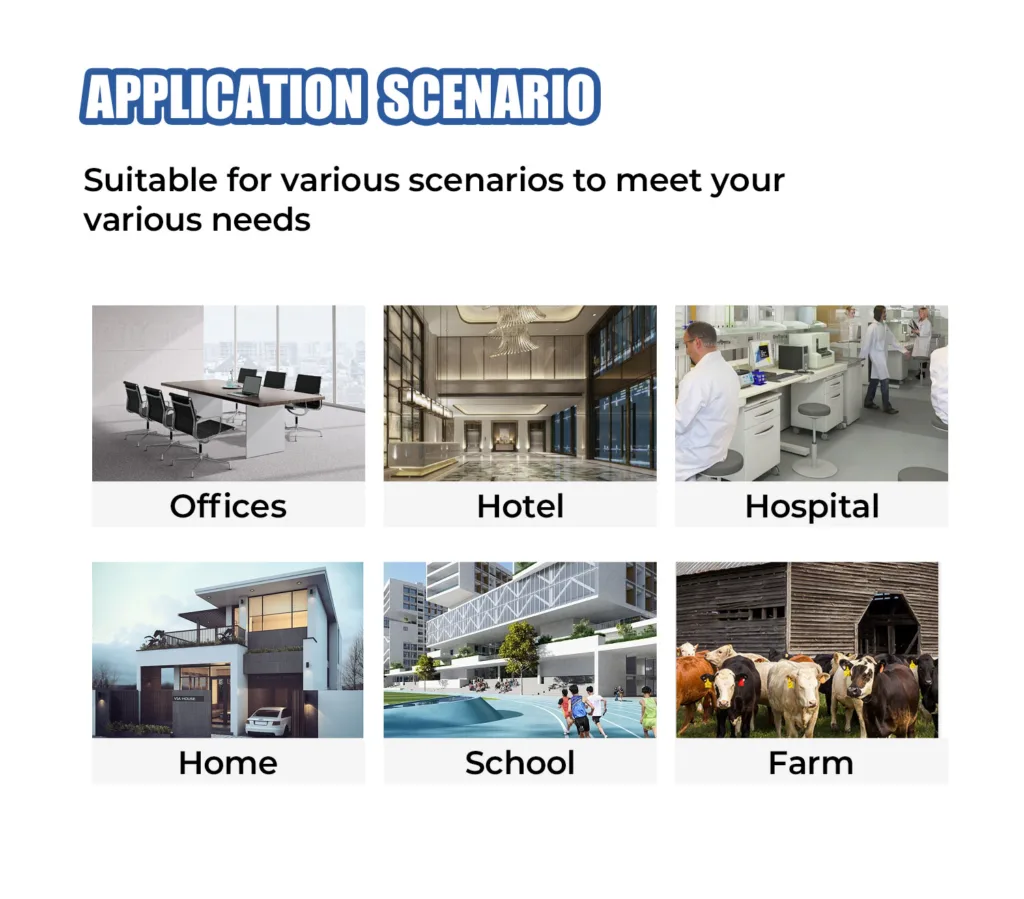
UN. Résidentiel & Commercial Solar Storage
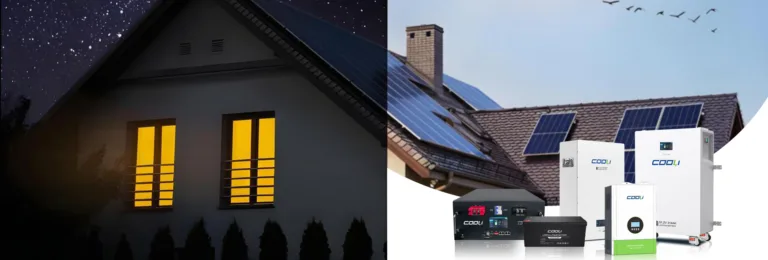
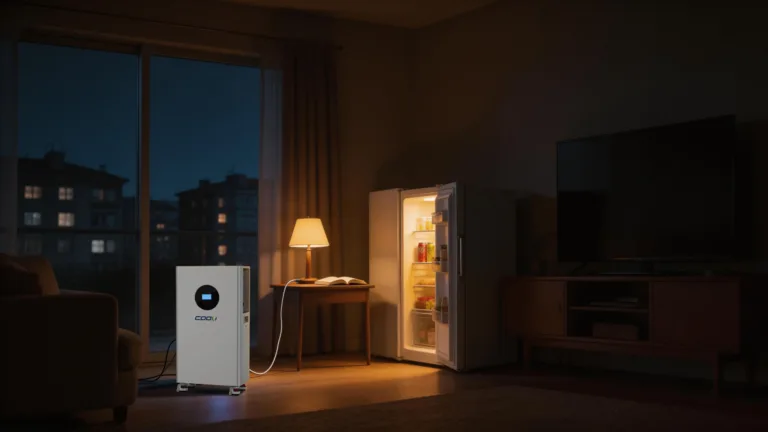
- Indépendance énergétique: Store excess solar power for nighttime use or grid outages, reducing reliance on utility grids 48.
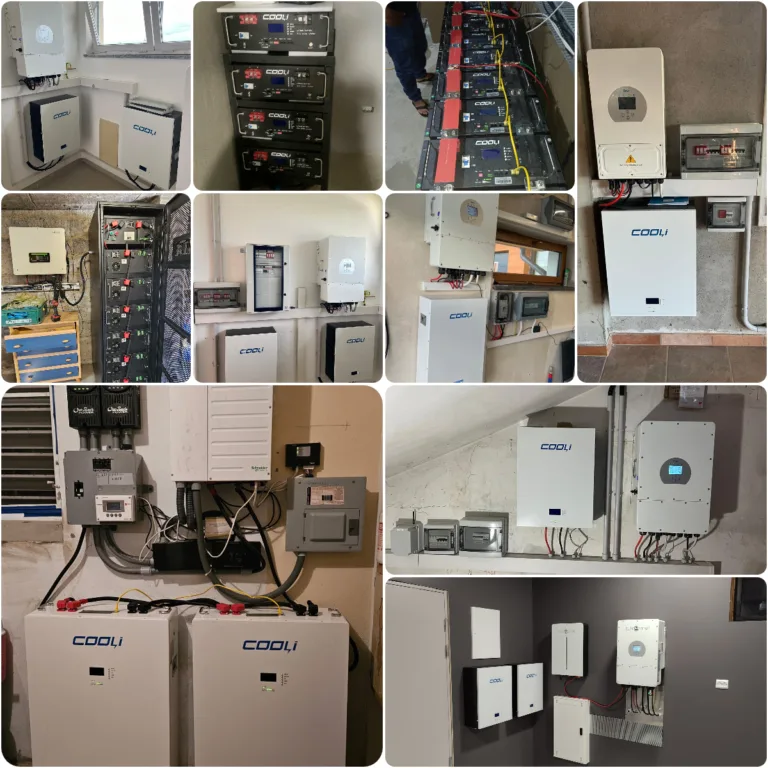
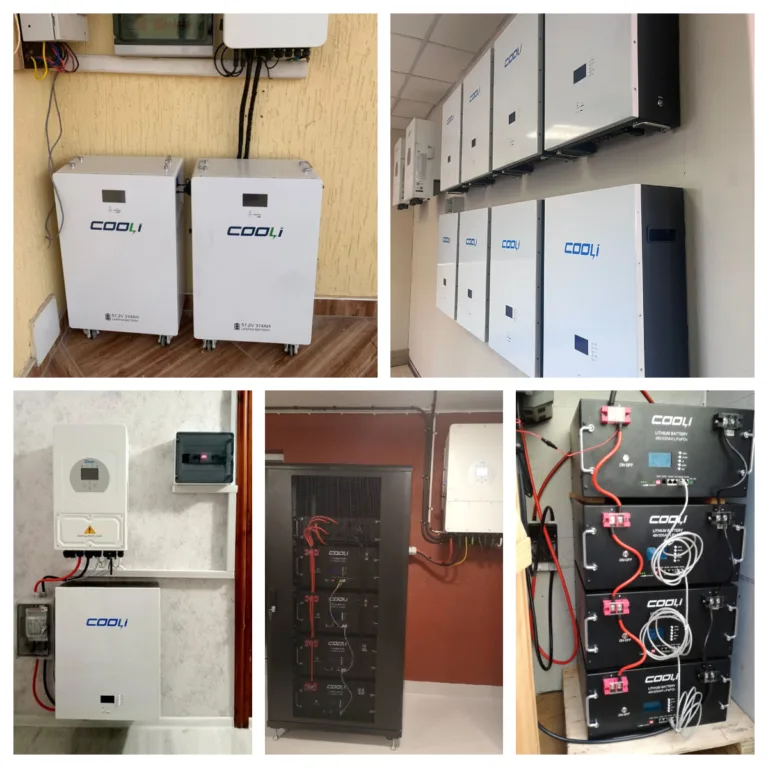
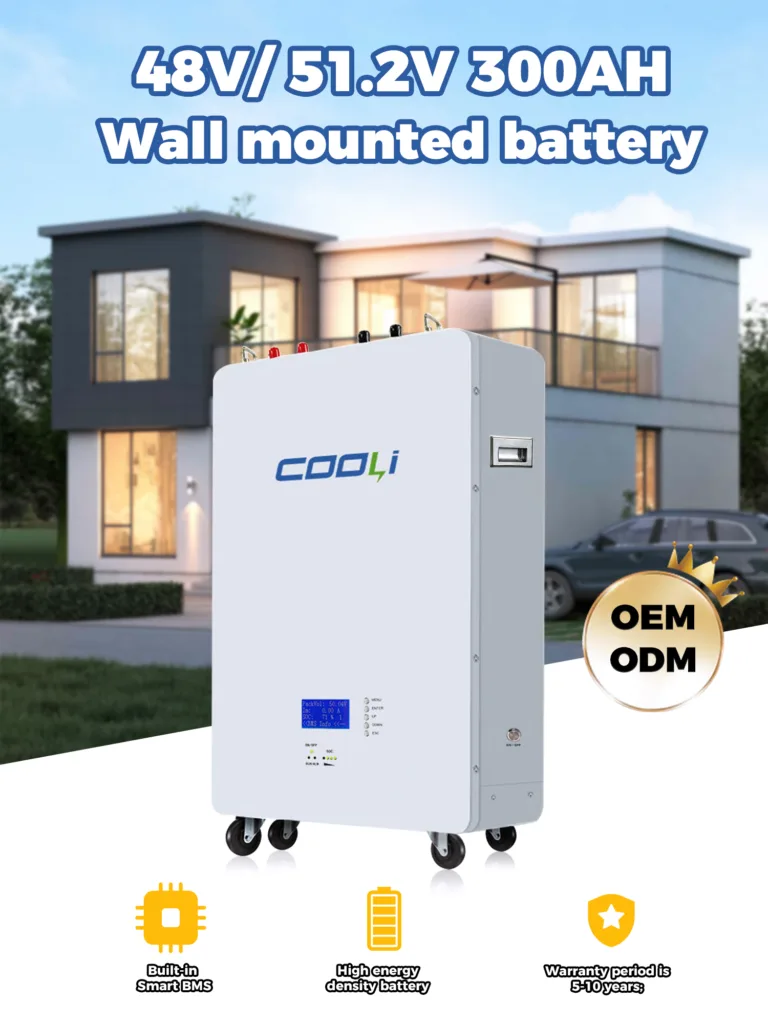
- Évolutivité: Modular lithium systems (par ex., BSLBATT’s 5.12kWh–10.24kWh units) allow easy capacity expansion 8.
B. Hors réseau & Remote Solutions
- Camping/RVs: Lightweight lithium packs (60% plus léger que le plomb) are ideal for mobile setups 8.
- Industrial Backup: Used in telemetry, remote monitoring, and critical infrastructure due to reliability and long lifespan 24.
C. Prise en charge du réseau & Microréseaux
- Rasage de pointe: Reduce grid demand during high-energy periods by tapping stored solar energy 4.
- Frequency Regulation: Lithium’s rapid response stabilizes grids in hybrid renewable systems 10.
3. Innovations Driving Adoption
UN. Integrated Solar-Storage Systems
- Monolithic Designs: Researchers have combined silicon solar cells with solid-state lithium batteries, atteindre 15.8% solar-to-storage efficiency. These systems charge in 45 seconds under sunlight and sustain high discharge rates (28C) 9.
B. État solide & Lithium Alloy Tech
- Solid-State Batteries: Offer enhanced safety by replacing flammable liquid electrolytes. Recent studies highlight challenges (par ex., Li-In dendrites in sulfide electrolytes), but advancements in interface engineering show promise 710.
- Lithium-Doped Solar Cells: Improve radiation resistance for space applications, enabling self-recovery from high-energy particle damage 6.
C. Durabilité & Recyclage
- Lower Carbon Footprint: Lithium systems reduce greenhouse gas emissions by 43–57% compared to lead-acid over their lifecycle 10.
- Recycling Infrastructure: Growing initiatives recover >90% of lithium, cobalt, and nickel, addressing resource scarcity 10.
4. Défis & Perspectives d'avenir
UN. Current Limitations
- Coût initial: Initial investment remains high, though prices have dropped 80% since 2010 8.
- Cold Charging: Requires heating systems below 0°C, adding complexity 3.
B. Emerging Trends
- Sodium-Ion Hybrids: Cheaper and more abundant than lithium, batteries sodium-ion (SIBs) are gaining traction for low-cost grid storage, though energy density lags 10.
- AI-Driven Management: GTC intelligent (Systèmes de gestion de batterie) optimize charging cycles and predict failures, extending lifespan 14.
5. Guide de décision: Is Lithium Right for You?
| Facteur | Lithium | Plomb-Acide |
|---|---|---|
| Initial Cost | Haut (1,750–1,750–2,500/kWh) | Faible (500–500–1,000/kWh) |
| Coût à vie | Inférieur (10–15 ans) | Plus haut (3–5 ans) |
| Space/Weight | Compact, léger | Volumineux, heavy |
| Entretien | Aucun | Regular checks |
| Impact environnemental | Lower carbon footprint | Lead pollution risks |
Recommandation: Choose lithium for long-term savings, haute efficacité, et évolutivité. Opt for lead-acid only if budget constraints outweigh performance needs.
10Batteries LiFePO4 kWh 10Coûts des batteries solaires en kWh au Myanmar 25Systèmes de batteries kWh Tout-en-un Conteneur BESS 4MWh Saoudien Fabricant BESS Chine Batterie domestique la moins chère Solutions BESS en Chine Chine DDP vente en gros Batteries LiFePO4 d'usine de Chine BESS à l’échelle du réseau chinois Fournisseurs OEM chinois Stockage de batteries commerciales au Kenya Solutions DC ESS Solution DDP directement en RDC Diriger la Chine vers l’Afrique Batterie directe de la Chine vers l’Afrique batterie de stockage d'énergie Systèmes de stockage d'énergie Leaders mondiaux des batteries au lithium Batterie de qualité A Fournisseur de stockage de batterie à l’échelle du réseau Batteries domestiques pour les familles néerlandaises stockage d'énergie domestique Industriel BESS Kenya Plomb-acide vs. Piles lithium-ion LiFePO4 Piles LiFePO4 Batteries LiFePO4 en Afrique du Sud Batterie LifePo4 Technologie de batterie LifePO4 Distributeur LiFePO4 en Irak LiFePO4 ESS Kenya Batterie lithium-ion Batterie aux ions lithium Des prix plus bas Tendances du marché Armoire de refroidissement liquide extérieure Achats saoudiens de LiFePO4 Solutions BESS évolutives pour l’industrie Panneaux solaires système solaire Empilage tout-en-un Batteries solaires LiFePO4 en gros Batteries Solaires Fabricants
Un Commentaire