
Batterie au lithium ou au plomb: Comparaison complète & Guide d'achat【2025】
Le guide complet des batteries au lithium et au plomb
Dans le stockage d'énergie, batteries lithium-ion etbatteries au plomb dominer le marché. Que ce soit pour les systèmes solaires, véhicules électriques, ou équipement industriel, choisir le bon type de batterie a un impact sur les performances, coût, et efficacité à long terme. Cet article compare ces deux technologies à traversCycle de vie, efficacité de charge, adaptabilité environnementale, et la sécurité, tout en abordant des FAQ telles que « Qu'est-ce qu'une batterie au plomb scellée?" et " Quel est le meilleur?» pour vous aider à prendre des décisions éclairées.
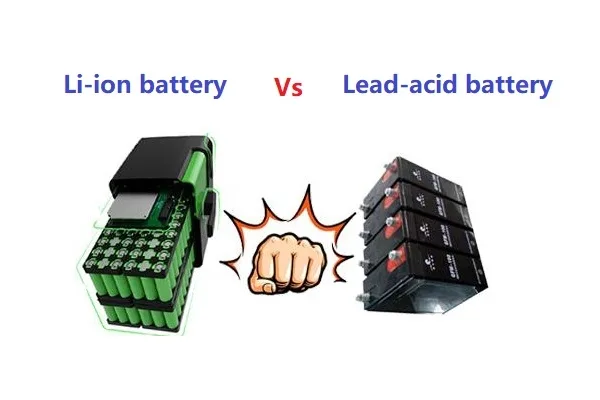
1. Différences fondamentales entre les batteries au plomb et au lithium
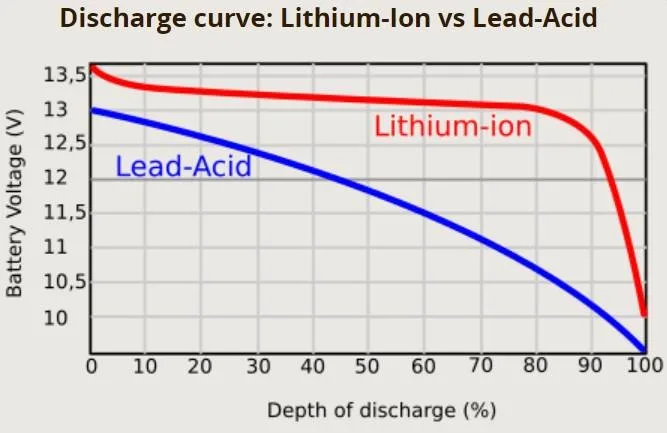
1.1 Cycle de vie & Rentabilité
- Lithium-ion (par ex., LiFePO4): 3,000–5 000 cycles, retenir 80%+ capacité après 2,000 cycles.
- Plomb-Acide: 300–500 cycles, avec une capacité tombant souvent en dessous 50% après 150 cycles.
- Aperçu des coûts: Le coût initial du lithium est 2 à 3 fois plus élevé, mais sa durée de vie réduit les dépenses à long terme de 40 à 50 %.
1.2 Vitesse de charge & Efficacité énergétique
- Lithium: Frais en2–5 heures (99% efficacité); prend en charge la « recharge d’opportunité » partielle.
- Plomb-Acide: Nécessite8–10 heures (50–80% d'efficacité) et doit être complètement déchargé avant de recharger pour éviter les dommages dus à la sulfatation.
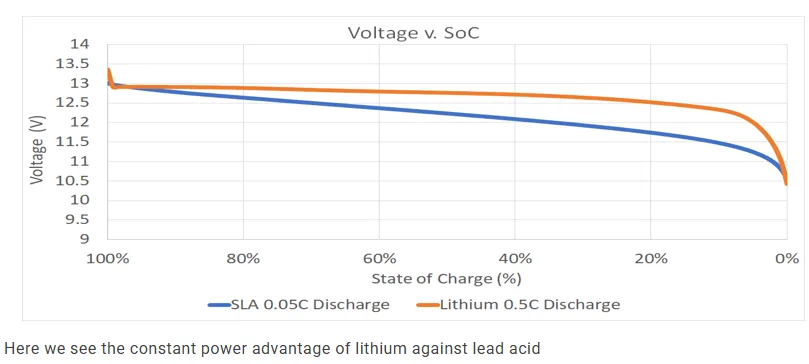
1.3 Tolérance de température
- Chaleur élevée: Le lithium dure 2 fois plus longtemps que le plomb à 55°C (131°F).
- Basses températures:
- Lithium: Livre 70% capacité à -18°C (0°F) mais ne peut pas charger en dessous de 0°C (32°F) sans système de chauffage.
- Plomb-Acide: Fournit 45% capacité à -18°C et permet une charge à faible courant dans des conditions de gel.
1.4 Poids & Efficacité spatiale
- Le lithium a3× densité énergétique plus élevée, pesée 60% moins. Par exemple, un pack lithium 48 V/600 Ah pèse ~ 700 lb contre. 1,800 lbs pour le plomb-acide.
2. Qu'est-ce qu'une batterie au plomb scellée (VRLA)?
Acide au plomb régulé par valve (VRLA) piles sont sans entretien avec des conceptions uniques:
- Structure: L'électrolyte est absorbé dans les séparateurs ou le gel AGM, éliminer les fuites.
- Sécurité: Les soupapes de surpression empêchent les déversements d'acide lors d'une surcharge.
- Applications: Systèmes UPS, éclairage de secours, dispositifs médicaux (5–10 ans de durée de vie).
3. Quel est le meilleur? Applications clés décodées
✅Quand choisir des piles au lithium
- Applications à cycle élevé: Stockage solaire, chariots élévateurs (5,000+ les cycles réduisent les remplacements).
- Utilisations sensibles au poids: VR, drones, applications marines.
- Environnements extrêmes: Entrepôts à haute température ou logistique sous chaîne du froid.
✅Quand les batteries au plomb brillent
- Contraintes budgétaires: Le coût initial est de 1/3 à 1/2 du lithium.
- Besoins nécessitant peu d’entretien: Les batteries VRLA conviennent aux systèmes d'alimentation de secours.
- Paramètres à hautes vibrations: Construction robuste pour batteries de démarrage automobile ou machinerie lourde.
4. Tendances futures: Lithium à l'état solide & Éco-Innovations
Technologie émergente commebatteries lithium-métal à semi-conducteurs (par ex., Le prototype de Harvard à 10 000 cycles avec une charge de 10 à 20 minutes) etpiles aqueuses (écologique, ininflammable) promettre des percées. Cependant, des défis tels que la croissance des dendrites et la résistance à la corrosion demeurent.
5. Tableau de comparaison rapide
| Facteur | Lithium-Ion | Plomb-Acide |
|---|---|---|
| Coût initial | Haut | Faible |
| Coût à vie | Inférieur (longue durée de vie) | Plus haut (remplacement fréquent) |
| Temps de charge | 2–5 heures | 8–10 heures |
| Écart de température | -20°C–60°C (décharge) | -40°C–50°C (frais limités) |
| Respect de l'environnement | Haut (pas de piste) | Faible (pollution par les métaux lourds) |
Guide de décision: Optez pourlithium pour la longévité, efficacité, et portabilité. Choisiracide de plomb pour les budgets serrés ou les simples besoins de sauvegarde. Pour conditions extrêmes (par ex., charge inférieure à zéro), assurer les systèmes de gestion des batteries (GTC) sont intégrés.
Explorer davantage:
Avec cette comparaison détaillée, vous êtes équipé pour sélectionner la solution optimale de stockage d’énergie! 🔋
10Batteries LiFePO4 kWh 10Coûts des batteries solaires en kWh au Myanmar 25Systèmes de batteries kWh Tout-en-un Conteneur BESS 4MWh Saoudien Fabricant BESS Chine Batterie domestique la moins chère Solutions BESS en Chine Chine DDP vente en gros Batteries LiFePO4 d'usine de Chine BESS à l’échelle du réseau chinois Fournisseurs OEM chinois Stockage de batteries commerciales au Kenya Solutions DC ESS Solution DDP directement en RDC Diriger la Chine vers l’Afrique Batterie directe de la Chine vers l’Afrique batterie de stockage d'énergie Systèmes de stockage d'énergie Leaders mondiaux des batteries au lithium Batterie de qualité A Fournisseur de stockage de batterie à l’échelle du réseau Batteries domestiques pour les familles néerlandaises stockage d'énergie domestique Industriel BESS Kenya Plomb-acide vs. Piles lithium-ion LiFePO4 Piles LiFePO4 Batteries LiFePO4 en Afrique du Sud Batterie LifePo4 Technologie de batterie LifePO4 Distributeur LiFePO4 en Irak LiFePO4 ESS Kenya Batterie lithium-ion Batterie aux ions lithium Des prix plus bas Tendances du marché Armoire de refroidissement liquide extérieure Achats saoudiens de LiFePO4 Solutions BESS évolutives pour l’industrie Panneaux solaires système solaire Empilage tout-en-un Batteries solaires LiFePO4 en gros Batteries Solaires Fabricants
2 Commentaires