
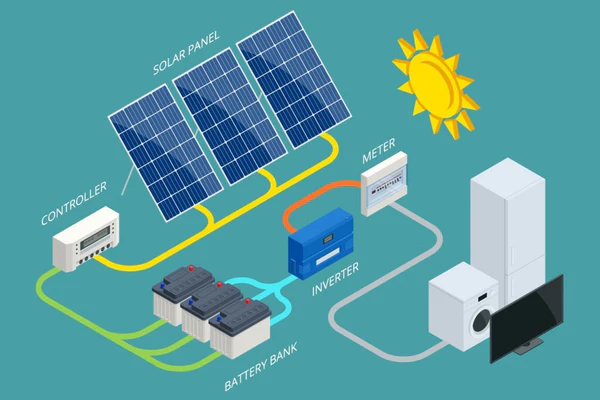
כיצד לחשב את קיבולת הסוללה הסולארית? 3 שלבים להתאמה מושלמת
(A Practical Guide for African Homes and Businesses, with a Focus on South Africa)
Matching Solar Battery Capacity to Load-Shedding Schedules in Africa
In regions like South Africa and other parts of Africa, frequent power outages and unreliable grid electricity make solar energy systems a lifeline for homes and businesses. A critical component of any solar setup is the battery, which stores energy for use when the sun isn’t shining. אוּלָם, choosing the wrong battery capacity can lead to wasted money, insufficient power, or shortened battery life.
This guide breaks down the process of calculating solar battery capacity into three simple steps, tailored to Africa’s unique energy needs, climate, and solar potential.

שָׁלָב 1: Determine Your Daily Energy Consumption
Before sizing your battery, you need to knowhow much energy your household or business uses daily.
- List all electrical appliances you plan to power with solar.
- Typical appliances in African households: נורות לד (5–10W), מקררים (100–200W), טלוויזיות (50–100W), מעריצים (50W), mobile chargers (10W), and small water pumps (200–500W).
- לעסקים: Computers, נתבים, security cameras, or machinery.
- Calculate daily energy use (in watt-hours, מה):
- כּוֹחַ (W) × Hours of use per day = Daily energy per appliance.
- דוּגמָה:
- 5 נורות לד (10W כל אחד) × 6 hours = 300 מה
- מְקָרֵר (150W) × 24 שעות (cycles on/off) ≈ 900 מה
- טֵלֶוִיזִיָה (80W) × 4 hours = 320 מה
- Total daily energy = 300 + 900 + 320 = 1,520 מה (1.52 קוט"ש)
- Factor in inefficiencies:
- Solar systems lose energy due to inverter inefficiency (~10–20%) and battery charging/discharging losses (~10–15%).
- Multiply total daily energy by1.3 (30% buffer):
- 1.52 קוט"ש × 1.3 = ~2 kWh per day.
שָׁלָב 2: Calculate Battery Capacity Based on Autonomy Days
Battery capacity depends onhow many days you need backup power (autonomy days). In South Africa, where load-shedding is common, 2–3 days of autonomy is practical.
1.נוּסחָה:
קיבולת סוללה(קוט"ש)=Daily Energy(קוט"ש)×Autonomy Days
- דוּגמָה: עֲבוּר 2 days of autonomy:
2 kWh/day×2 days=4 kWh
2.Convert kWh to Amp-Hours (אה):
- Batteries are rated in Ah at a specific voltage (לְמָשָׁל, 12V, 24V, 48V).
- נוּסחָה:

- דוּגמָה: For a 48V system:

3.Factor in Depth of Discharge (DoD):
- Most batteries (לְמָשָׁל, ליתיום-יון) should not discharge below 80–90% DoD. Lead-acid batteries are limited to 50% DoD.
- Adjust capacity:

- דוּגמָה: For lithium-ion (90% DoD):

שָׁלָב 3: Match Battery Capacity to Solar Panel Output
Your battery must align with your solar panel array’s charging capability.
- Check daily solar generation:
- South Africa averages4–6 peak sun hours daily (varies by season).
- נוּסחָה:Solar Panel Output(מה)=Panel Wattage×Sun HoursSolar Panel Output(מה)=Panel Wattage×Sun Hours
- דוּגמָה: 400W panels × 5 sun hours = 2,000 מה (2 קוט"ש).
- Ensure panels can recharge the battery:
- Daily solar generation should exceed daily energy use.
- דוּגמָה: If you use 2 kWh/day and generate 2 קוט"ש ליום, you’ll need extra capacity for cloudy days.
- Account for system expansion:
- Add 20–30% extra battery capacity for future needs (לְמָשָׁל, adding appliances).
Key Considerations for African Users
- סוג בטריה:
- ליתיום-יון: תוחלת חיים ארוכה יותר (10+ שנים), higher DoD (90%), but costly.
- Lead-acid: Cheaper but shorter lifespan (3-5 שנים) and lower DoD (50%).
- טֶמפֶּרָטוּרָה:
- High temperatures (common in Africa) reduce battery efficiency. Install batteries in shaded, ventilated areas.
- תמיכה מקומית:
- Choose brands with service centers in your region (לְמָשָׁל, Huawei, Victron Energy, or local suppliers).
Example Calculation for a South African Household
- Appliances: 10 אורות (100W סך הכל), מְקָרֵר (150W), טֵלֶוִיזִיָה (80W), fan (50W).
- Daily energy: 1.5 קוט"ש + 30% buffer = 1.95 קוט"ש.
- Autonomy: 2 days → 3.9 קוט"ש.
- Battery voltage: 48V → 3.9 קוט"ש × 1,000 / 48V = 81.25 אה.
- ליתיום-יון (90% DoD): 81.25 אה / 0.9 ≈ 90 אה.
- Recommended battery: 100 Ah lithium-ion (48V).
טיפים אחרונים
- Use a solar calculator tool for precision.
- Consult local installers to validate your design.
- Prioritize energy-efficient appliances to reduce battery size and cost.
By following these steps, you’ll ensure your solar battery system meets your needs, survives load-shedding, and withstands Africa’s climate. 🌞🔋
Further Reading:
- [המדריך האולטימטיבי לסוללת ליתיום 48V 100Ah צמודה לקיר: עונה 5 שאלות נפוצות עיקריות]
- [48סוללה סולארית V 200Ah אוגנדה: לפתור הפסקות & חסכון בעלויות]
10סוללות LiFePO4 קוט"ש 10עלויות סוללה סולארית של קילוואט במיאנמר 25מערכות סוללות קוט"ש All-in-One מיכל BESS 4MWh סעודי BESS יצרן סין הסוללה הביתית הזולה ביותר סין פתרונות BESS סין DDP סיטונאי סוללות LiFePO4 של מפעל סין בקנה מידה של רשת סין BESS ספקי OEM סיניים אחסון סוללות מסחרי קניה DC ESS Solutions פתרון DDP ישיר ל-DRC הפנה את סין לאפריקה הפנה את סין לאפריקה באטרי סוללת אחסון אנרגיה מערכות אחסון אנרגיה מובילי סוללות ליתיום בעולם סוללה דרגה א' ספק אחסון סוללות בקנה מידה רשת סוללות ביתיות למשפחות הולנדיות אחסון אנרגיה בבית תעשייתי BESS קניה עופרת-חומצה לעומת. סוללות ליתיום-יון LiFePO4 סוללות LiFePO4 סוללות LiFePO4 בדרום אפריקה סוללת LifePo4 טכנולוגיית סוללה LifePO4 מפיץ LiFePO4 בעיראק LiFePO4 ESS קניה סוללת ליתיום-יון סוללת ליתיום יון מחירים נמוכים יותר מגמות בשוק ארון קירור נוזלי חיצוני רכש LiFePO4 הסעודית פתרונות BESS ניתנים להרחבה לתעשייה פאנלים סולאריים מַעֲרֶכֶת הַשֶׁמֶשׁ ערימת All-in-One סוללות סולאריות LiFePO4 סיטונאי סוללות סולאריות בסיטונאות
הערה אחת