
סוללות ליתיום במערכות סולאריות: 5 יתרונות מרכזיים להגברת היעילות 90%
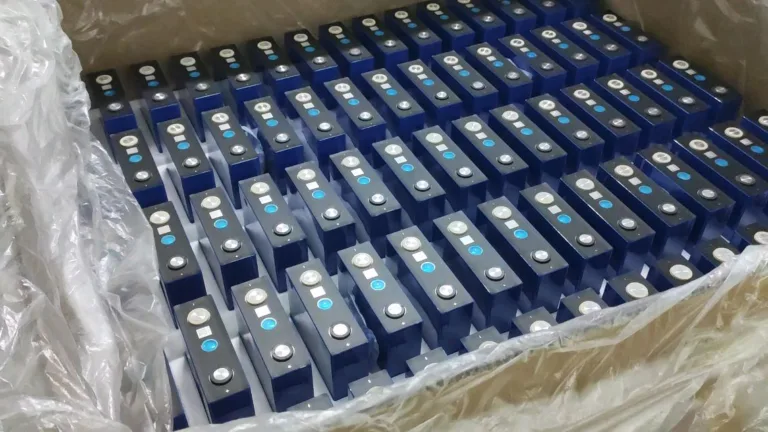
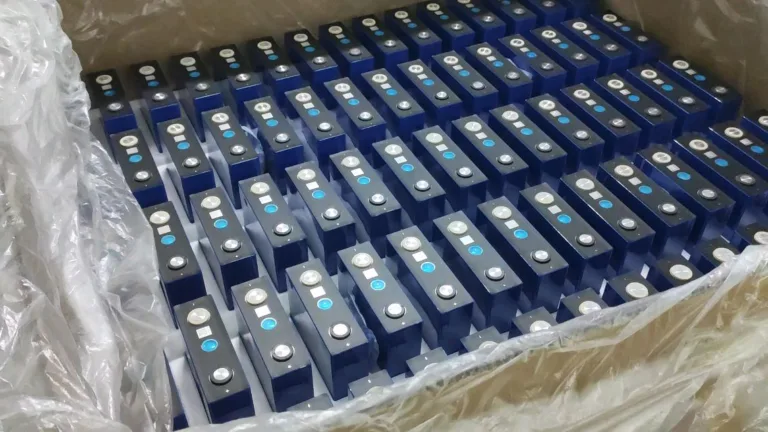
סוללות ליתיום חוללו מהפכה באחסון אנרגיה סולארית, מציע ביצועים מעולים על פני עופרת חומצת עופרת עמיתים מסורתיים. להלן חקירה מפורטת של תפקידם במערכות השמש, נתמך על ידי תובנות טכניות ויישומים מהעולם האמיתי.
1. יתרונות הליבה של סוללות ליתיום במערכות סולאריות
א. יעילות גבוהה & צפיפות אנרגיה
- יעילות הלוך ושוב: סוללות ליתיום משיגות יעילות של 95-99%., לעומת 70-85% עבור חומצה עופרת, מזעור אובדן אנרגיה במהלך מחזורי טעינה/פריקה 13.
- צפיפות אנרגיה: חבילות ליתיום אוגרות פי 3 יותר אנרגיה ליחידת נפח, צמצום דרישות השטח ב-70% 18. לְדוּגמָה, א 5.12 מערכת ליתיום ב-kWh תופסת חצי מהשטח של מערכת עופרת-חומצה בעלת קיבולת דומה.
ב. תוחלת חיים מורחבת & עלות-יעילות
- מחזור חיים: LiFePO4 (ליתיום ברזל פוספט) סוללות מחזיקות מעמד 2,000-10,000 מחזורים בשעה 80% עומק הפריקה (DoD), חומצת עופרת מתמשכת (300-500 מחזורים ב 50% DoD) 13. מֵעַל 15 שנים, עלות ליתיום מראש (2-3× גבוה יותר) מתקזז על ידי פחות תחליפים, מניב עלויות חיים נמוכות ב-40-50% 3.
- ללא תחזוקה: שלא כמו סוללות עופרת-חומצה הדורשות מילוי מים ובדיקות סולפטציה, מערכות ליתיום פועלות ללא תחזוקה 28.
ג. טעינה מהירה & עמידות בטמפרטורה
- מהירות טעינה: טעינת ליתיום תוך 2-5 שעות לעומת. 8-10 שעות עבור חומצה עופרת, מאפשר לכידת אנרגיה מהירה בזמן שיא אור השמש 13.
- טווח טמפרטורה: פועל ביעילות ב-20°C עד 60°C (-4°F עד 140°F) לפריקה ו-0°C עד 49°C (32°F עד 120°F) לטעינה. דגמים מתקדמים כוללים חימום עצמי עבור סביבות מתחת לאפס 38.
2. יישומים במערכות סולאריות
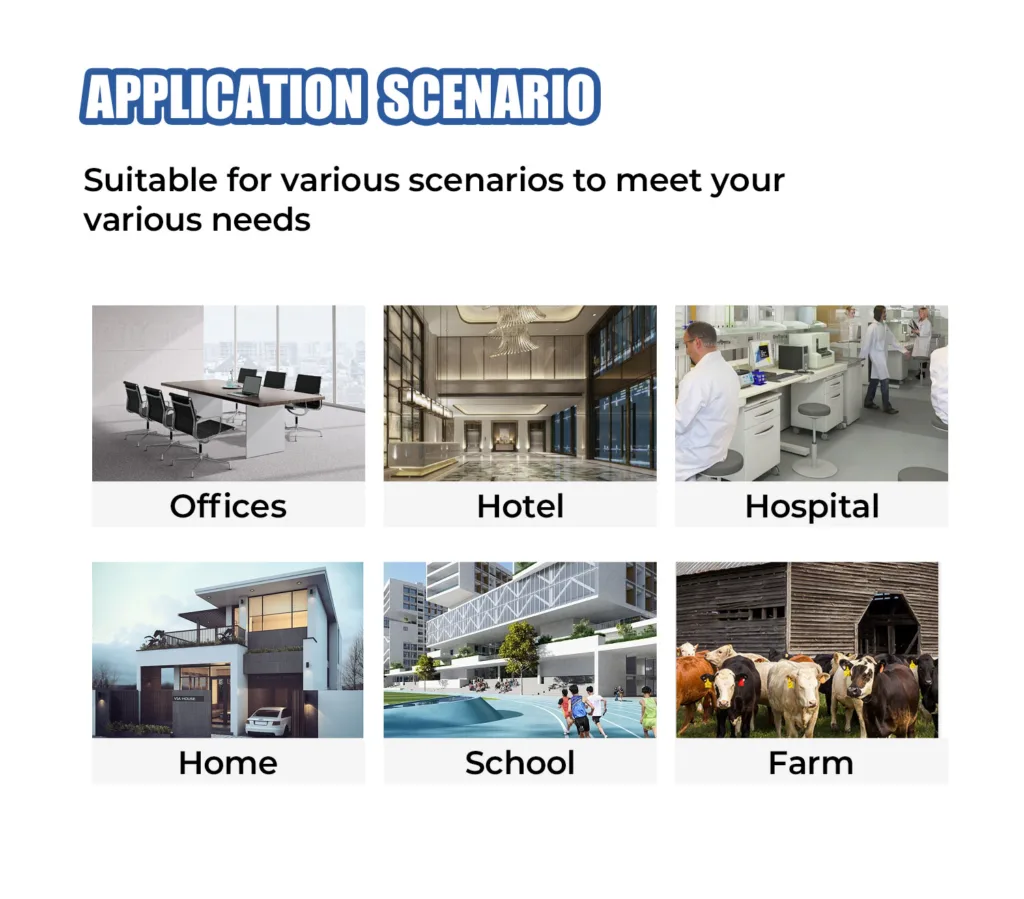
א. מגורים & אחסון סולארי מסחרי
- עצמאות אנרגטית: אחסן עודפי אנרגיה סולארית לשימוש לילה או הפסקות רשת, צמצום ההסתמכות על רשתות שירות 48.
- מדרגיות: מערכות ליתיום מודולריות (לְמָשָׁל, יחידות 5.12kWh–10.24kWh של BSLBATT) לאפשר הרחבת קיבולת קלה 8.
ב. מחוץ לרשת & פתרונות מרחוק
- קמפינג/קרוואנים: חבילות ליתיום קלות משקל (60% קל יותר מחומצת עופרת) הם אידיאליים עבור הגדרות ניידות 8.
- גיבוי תעשייתי: משמש בטלמטריה, ניטור מרחוק, ותשתית קריטית בשל אמינות ותוחלת חיים ארוכה 24.
ג. תמיכה ברשת & Microgrids
- גילוח שיא: צמצם את הביקוש לרשת בתקופות עתירות אנרגיה על ידי הקשה על אנרגיה סולארית מאוחסנת 4.
- תקנת תדרים: התגובה המהירה של ליתיום מייצבת רשתות במערכות היברידיות מתחדשות 10.
3. חידושים מובילים לאימוץ
א. מערכות אחסון סולאריות משולבות
- עיצובים מונוליטיים: חוקרים שילבו תאים סולריים סיליקון עם סוללות ליתיום מוצק, להשיג 15.8% יעילות סולרית לאחסון. מערכות אלו נטענות פנימה 45 שניות תחת אור השמש ולשמור על קצבי פריקה גבוהים (28ג) 9.
ב. מצב מוצק & טכנולוגיית סגסוגת ליתיום
- סוללות במצב מוצק: הצע בטיחות משופרת על ידי החלפת אלקטרוליטים נוזליים דליקים. מחקרים אחרונים מדגישים אתגרים (לְמָשָׁל, דנדריטים Li-In באלקטרוליטים סולפידים), אבל ההתקדמות בהנדסת ממשקים מראה את ההבטחה 710.
- תאים סולאריים מסוממים בליתיום: שפר את עמידות הקרינה עבור יישומי חלל, המאפשר התאוששות עצמית מנזקי חלקיקים באנרגיה גבוהה 6.
ג. קיימות & מִחזוּר
- טביעת רגל פחמן נמוכה יותר: מערכות ליתיום מפחיתות את פליטת גזי חממה ב-43-57% בהשוואה לחומצה עופרת במהלך מחזור החיים שלהן 10.
- תשתית מיחזור: יוזמות צומחות מתאוששות >90% של ליתיום, קובלט, וניקל, טיפול במחסור במשאבים 10.
4. אתגרים & Outlook עתידי
א. מגבלות נוכחיות
- עלות מראש: ההשקעה הראשונית נותרה גבוהה, למרות שהמחירים ירדו 80% מאז 2010 8.
- טעינה קרה: דורש מערכות חימום מתחת ל-0°C, הוספת מורכבות 3.
ב. מגמות מתפתחות
- כלאיים של נתרן-יון: זול יותר ושופע יותר מאשר ליתיום, סוללות נתרן-יון (SIBs) צוברים אחיזה לאחסון רשת בעלות נמוכה, למרות שצפיפות האנרגיה בפיגור של 10.
- ניהול מונחה בינה מלאכותית: BMS חכם (מערכות ניהול סוללות) לייעל את מחזורי הטעינה ולחזות כשלים, הארכת תוחלת החיים 14.
5. מדריך החלטות: האם ליתיום מתאים לך?
| גוֹרֵם | לִיתִיוּם | עופרת-חומצה |
|---|---|---|
| עלות ראשונית | גָבוֹהַ (1,750–1,750–2,500/קוט"ש) | נָמוּך (500–500–1,000/קוט"ש) |
| עלות לכל החיים | לְהוֹרִיד (10-15 שנים) | גבוה יותר (3-5 שנים) |
| שטח/משקל | קוֹמפָּקטִי, קַל מִשְׁקָל | גַס, כָּבֵד |
| תַחזוּקָה | אַף לֹא אֶחָד | בדיקות סדירות |
| השפעה סביבתית | טביעת רגל פחמנית נמוכה יותר | סיכוני זיהום עופרת |
הַמלָצָה: בחר ליתיום לחיסכון לטווח ארוך, יעילות גבוהה, ומדרגיות. בחר בחומצה עופרת רק אם מגבלות התקציב עולים על צרכי הביצועים.
10סוללות LiFePO4 קוט"ש 10עלויות סוללה סולארית של קילוואט במיאנמר 25מערכות סוללות קוט"ש All-in-One מיכל BESS 4MWh סעודי BESS יצרן סין הסוללה הביתית הזולה ביותר סין פתרונות BESS סין DDP סיטונאי סוללות LiFePO4 של מפעל סין בקנה מידה של רשת סין BESS ספקי OEM סיניים אחסון סוללות מסחרי קניה DC ESS Solutions פתרון DDP ישיר ל-DRC הפנה את סין לאפריקה הפנה את סין לאפריקה באטרי סוללת אחסון אנרגיה מערכות אחסון אנרגיה מובילי סוללות ליתיום בעולם סוללה דרגה א' ספק אחסון סוללות בקנה מידה רשת סוללות ביתיות למשפחות הולנדיות אחסון אנרגיה בבית תעשייתי BESS קניה עופרת-חומצה לעומת. סוללות ליתיום-יון LiFePO4 סוללות LiFePO4 סוללות LiFePO4 בדרום אפריקה סוללת LifePo4 טכנולוגיית סוללה LifePO4 מפיץ LiFePO4 בעיראק LiFePO4 ESS קניה סוללת ליתיום-יון סוללת ליתיום יון מחירים נמוכים יותר מגמות בשוק ארון קירור נוזלי חיצוני רכש LiFePO4 הסעודית פתרונות BESS ניתנים להרחבה לתעשייה פאנלים סולאריים מַעֲרֶכֶת הַשֶׁמֶשׁ ערימת All-in-One סוללות סולאריות LiFePO4 סיטונאי סוללות סולאריות בסיטונאות

הערה אחת