סוללות קיר מול מתלה: 7 אמיתות אכזריות שקונים צריכים לדעת
סוללות קיר מול מתלה: איזה פתרון לאחסון אנרגיה מנצח עבור הצרכים שלך?
אם אתה חוקר אחסון אנרגיה למערכות סולאריות, הגדרות מחוץ לרשת, או כוח גיבוי, סביר להניח שנתקלת בשתי אפשרויות מפתח: סוללות צמודות לקיר ו סוללות מדף שרתים. לשניהם יש סנגורים נאמנים, אבל למי מהם מתאים שֶׁלְךָ צרכים? בואו לחתוך את הרעש ולחשוף את האמיתות הבלתי מגוונות לגבי שני סוגי הסוללות הללו.
מהי סוללת קיר?
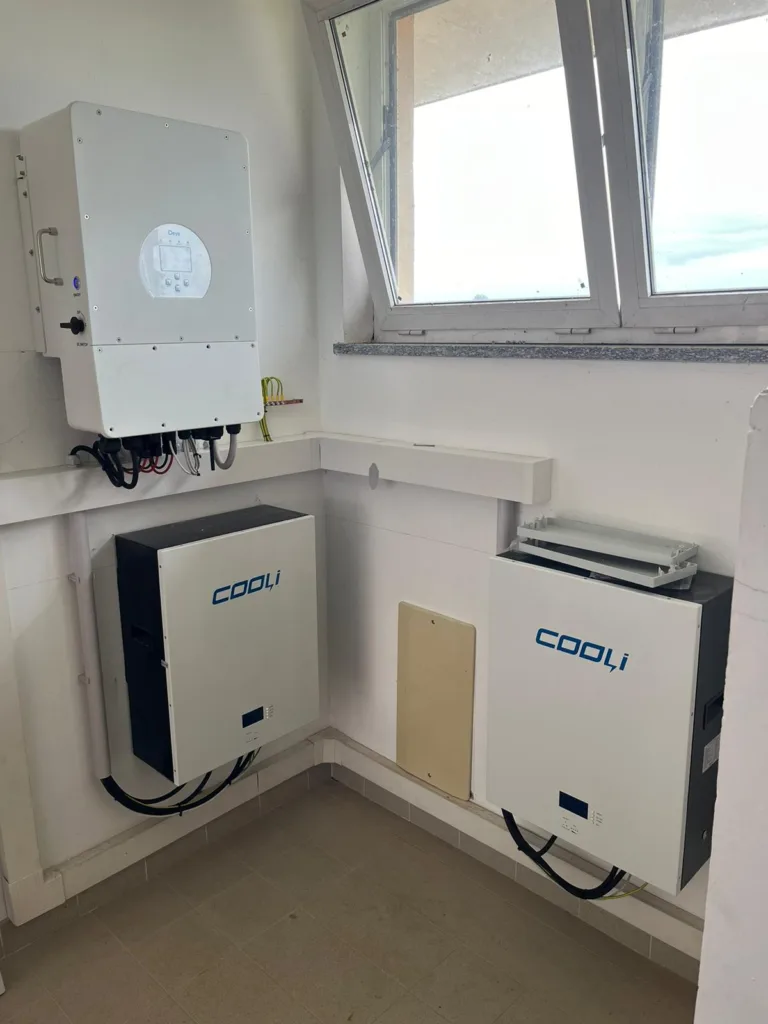
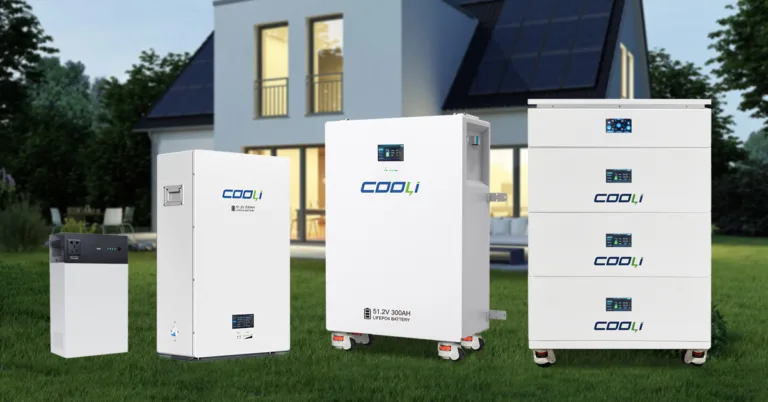
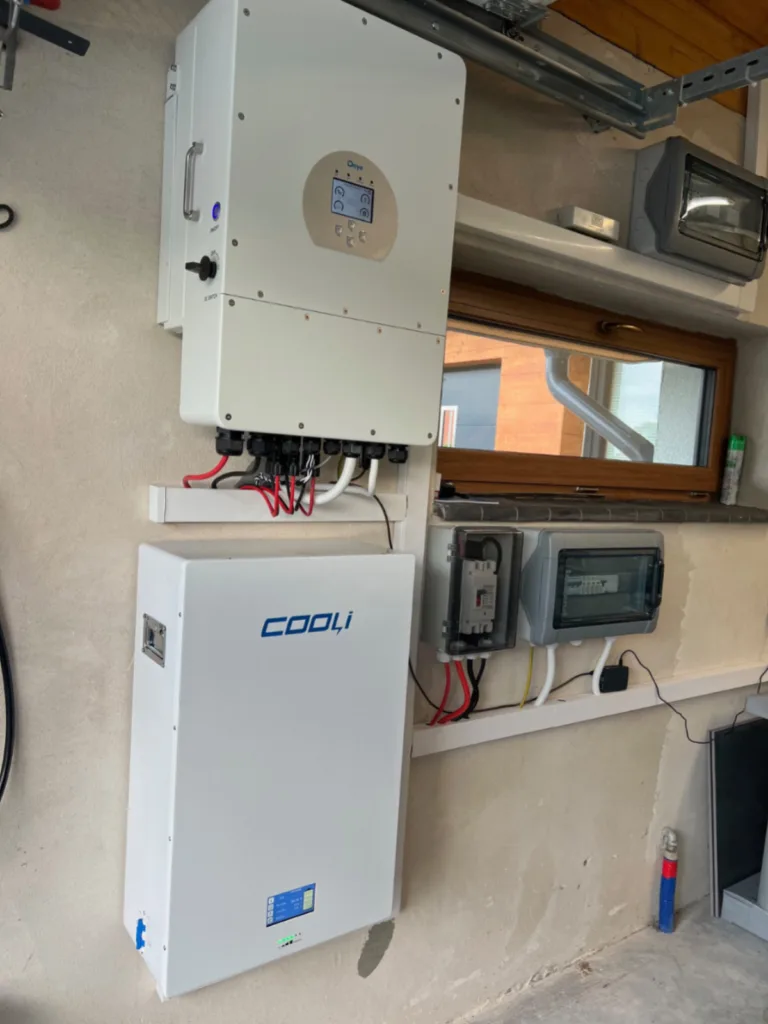
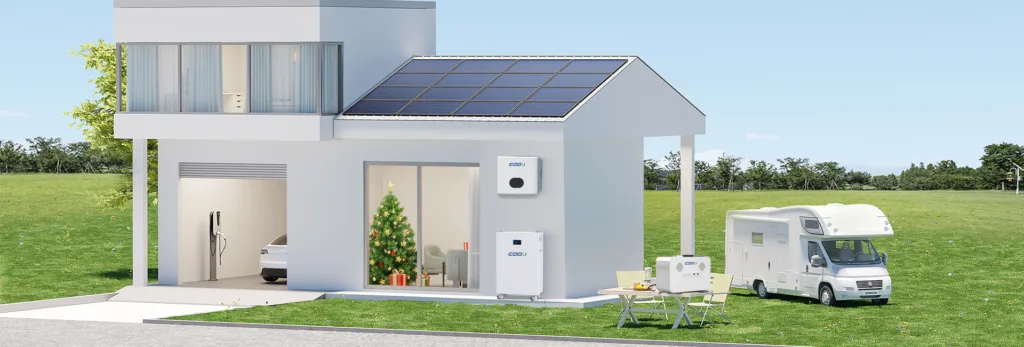
אסוללה צמודת קיר הוא קומפקטי, יחידת אחסון אנרגיה מותקנת אנכית שנועדה לחסוך בשטח הרצפה. מערכות אלו פופולריות במסגרות מגורים ומסחר קטנות בשל החלקה שלהן, עיצוב הכל באחד. תחשוב על מותגים כמו Tesla Powerwall או LG Chem RESU - הם משווקים לעתים קרובות כפתרונות "הכנס והפעל" לבעלי בתים.
תכונות עיקריות של סוללות קיר:
- עיצוב חוסך מקום: מותקן ישירות לקיר.
- רכיבים משולבים: ממירים מובנים, מערכות קירור, ומעקב.
- משיכה אסתטית: דִיסקרֶטִי, מראה מודרני.
- קיבולת נמוכה יותר: בדרך כלל 5-15 קילוואט ליחידה.
מהי סוללת מתלה?
אסוללת מתלה שרת (או סוללה מותקנת) הוא מודולרי, מערכת ניתנת להרחבה המיועדת להשתלב במדפי שרתים סטנדרטיים. אלה נמצאים בשימוש נפוץ במרכזי נתונים, חוות סולאריות בקנה מידה גדול, ויישומים מסחריים/תעשייתיים. דוגמאות כוללות מותגים כמו BYD Battery-Box או eVault של Fortress Power.
תכונות עיקריות של סוללות מתלה:
- מדרגיות מודולרית: ערמו מספר סוללות במדף לקיבולת גבוהה יותר.
- עמידות בדרגה תעשייתית: נבנה לרכיבה כבדה ואורך חיים ארוך.
- הרחבה חסכונית: הוסף יחידות בהדרגה ככל שהצרכים גדלים.
- קיבולת גבוהה יותר: מערכות יכולות לחרוג 100 קוט"ש כשהיא מורחבת.
סוללת קיר מול מתלה: 7 אמיתות אכזריות
בוא נפרק את הגורמים הקריטיים שיכולים לעשות או לשבור את ההחלטה שלך:
1. שטח התקנה & גְמִישׁוּת
- סוללת קיר: אידיאלי עבור חללים צרים (לְמָשָׁל, מוסכים, חדרי שירות קטנים). אוּלָם, המיקום קבוע לאחר ההתקנה.
- סוללת מתלה: דורש שטח רצפה עבור מתלה אבל מציע תצורה גמישה. זוכה עבור מדרגיות.
2. עלות מראש לעומת ערך לטווח ארוך
- סוללת קיר: עלות מקדימה נמוכה יותר (~$7,000–$15,000) אך אפשרויות הרחבה מוגבלות.
- סוללת מתלה: השקעה ראשונית גבוהה יותר עבור המתלה והרכיבים אך זולה יותר לקוט"ש לאורך זמן. זוכה עבור החזר ROI לטווח ארוך.
3. יְכוֹלֶת & צרכי אנרגיה
- סוללת קיר: הטוב ביותר לשימוש ביתי יומיומי (לְמָשָׁל, קיזוז שיעורי שיא, הפסקות קצרות).
- סוללת מתלה: נבנה עבור תרחישים עם ביקוש גבוה (לְמָשָׁל, חיים מחוץ לרשת, גיבוי מסחרי). זוכה עבור דרישות אנרגיה גבוהות.
4. תַחזוּקָה & תיקונים
- סוללת קיר: יחידות אטומות אומרות תחזוקה מינימלית אך החלפות יקרות אם רכיב נכשל.
- סוללת מתלה: ניתן להחליף מודולים בודדים, צמצום זמן ההשבתה. זוכה על יכולת תיקון.
5. תוחלת חיים ועמידות
- סוללת קיר: 10-15 שנים (משתנה לפי מותג ושימוש).
- סוללת מתלה: לעתים קרובות 15-20+ שנים בשל תאים ברמה תעשייתית וחלקים להחלפה. זוכה לאריכות ימים.
6. אסתטיקה מול פונקציונליות
- סוללת קיר: משתלב בבתים בצורה חלקה.
- סוללת מתלה: מראה תועלתני אבל נותן עדיפות לביצועים. הזוכה תלוי בסדרי עדיפויות.
7. בְּטִיחוּת & הִתקָרְרוּת
- סוללת קיר: קירור פסיבי עלול להיאבק בסביבות חום גבוה.
- סוללת מתלה: מערכות קירור אקטיביות במדפים מבטיחות טמפרטורות יציבות. זוכה לניהול תרמי.
מי צריך לבחור איזה?
- סוללות קיר הן בשבילך אם:
- אתה בעל בית עם שטח מוגבל.
- אתה נותן עדיפות לפשטות ואסתטיקה.
- צרכי האנרגיה היומיומיים שלך נמצאים בתחתית 20 קוט"ש.
- סוללות מתלה הן בשבילך אם:
- אתה צריך אחסון ניתן להרחבה (לְמָשָׁל, מערך סולארי הולך וגדל).
- אתה מחוץ לרשת או דורש גיבוי למערכות קריטיות.
- עלות לקוט"ש ואמינות לטווח ארוך הם בראש סדר העדיפויות.
השורה התחתונה
אין אפשרות "טובה יותר" אוניברסלית - רק למה שטוב יותרשֶׁלְךָ מַצָב. סוללות קיר מצטיינות בפשטות וביעילות מקום, בעוד שסוללות מתלים שולטות במדרגיות ובעמידות. לפני הקנייה, לִשְׁאוֹל:
- כמה אנרגיה אני צריך עַכשָׁיו לעומת פנימה 5 שנים?
- האם אוכל להרשות לעצמי לשדרג מאוחר יותר, או שאני צריך מערכת חסינת עתיד?
- האם אסתטיקה או ביצועים גולמיים חשובים יותר?
על ידי שקלול האמיתות הללו, תמנע מחרטות יקרות ותשקיע במערכת סוללות שבאמת תואמת את המטרות שלך.
צריך עזרה להחליט? שתף את מקרה השימוש שלך בתגובות, ואנו נדריך אותך לעבר הבחירה הנכונה!
10סוללות LiFePO4 קוט"ש 10עלויות סוללה סולארית של קילוואט במיאנמר 25מערכות סוללות קוט"ש All-in-One מיכל BESS 4MWh סעודי BESS יצרן סין הסוללה הביתית הזולה ביותר סין פתרונות BESS סין DDP סיטונאי סוללות LiFePO4 של מפעל סין בקנה מידה של רשת סין BESS ספקי OEM סיניים אחסון סוללות מסחרי קניה DC ESS Solutions פתרון DDP ישיר ל-DRC הפנה את סין לאפריקה הפנה את סין לאפריקה באטרי סוללת אחסון אנרגיה מערכות אחסון אנרגיה מובילי סוללות ליתיום בעולם סוללה דרגה א' ספק אחסון סוללות בקנה מידה רשת סוללות ביתיות למשפחות הולנדיות אחסון אנרגיה בבית תעשייתי BESS קניה עופרת-חומצה לעומת. סוללות ליתיום-יון LiFePO4 סוללות LiFePO4 סוללות LiFePO4 בדרום אפריקה סוללת LifePo4 טכנולוגיית סוללה LifePO4 מפיץ LiFePO4 בעיראק LiFePO4 ESS קניה סוללת ליתיום-יון סוללת ליתיום יון מחירים נמוכים יותר מגמות בשוק ארון קירור נוזלי חיצוני רכש LiFePO4 הסעודית פתרונות BESS ניתנים להרחבה לתעשייה פאנלים סולאריים מַעֲרֶכֶת הַשֶׁמֶשׁ ערימת All-in-One סוללות סולאריות LiFePO4 סיטונאי סוללות סולאריות בסיטונאות