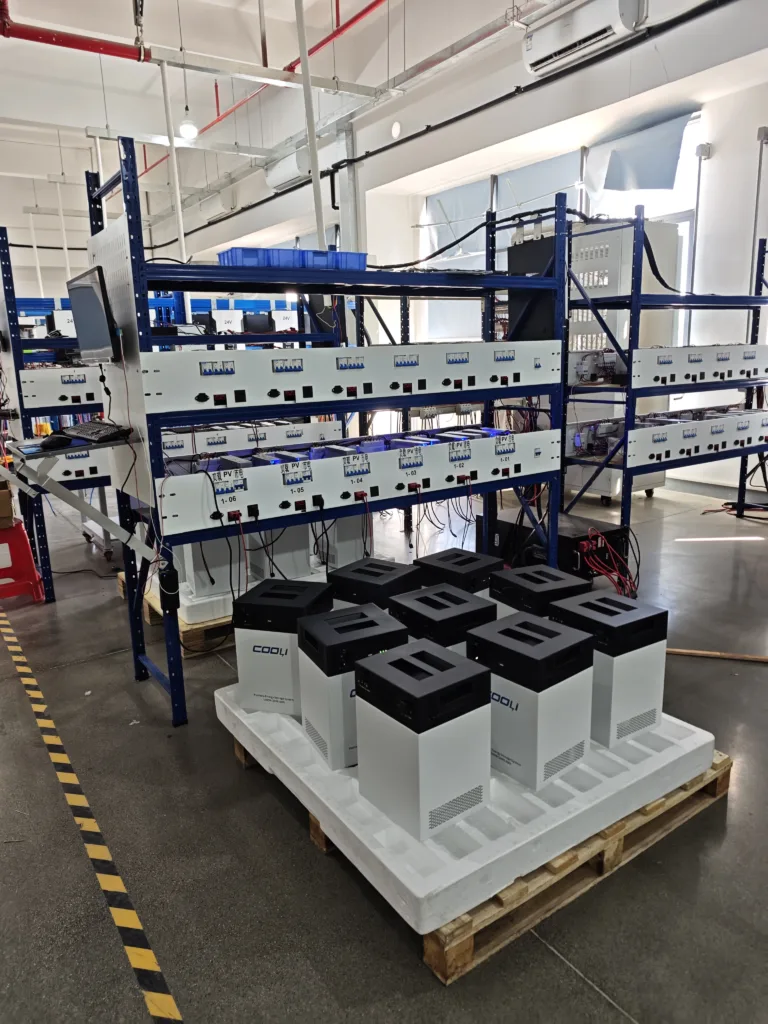

24V vs 48V batri ityòm: 5 Diferans kle pou ranfòse efikasite!
24V vs 48V batri ityòm – Ki pi bon pou sistèm solè w la
Lè w ap chwazi yon sistèm batri pou machin elektrik, konfigirasyon solè yo, oswa ekipman endistriyèl, chwa ki genyen ant 24V epi 48V pil ityòm se kritik. Gid sa a kraze diferans yo nan pèfòmans, efikasite, ak konvnab pou plizyè aplikasyon—ki ede w pran yon desizyon enfòme.
1. Konfigirasyon vòltaj ak batri
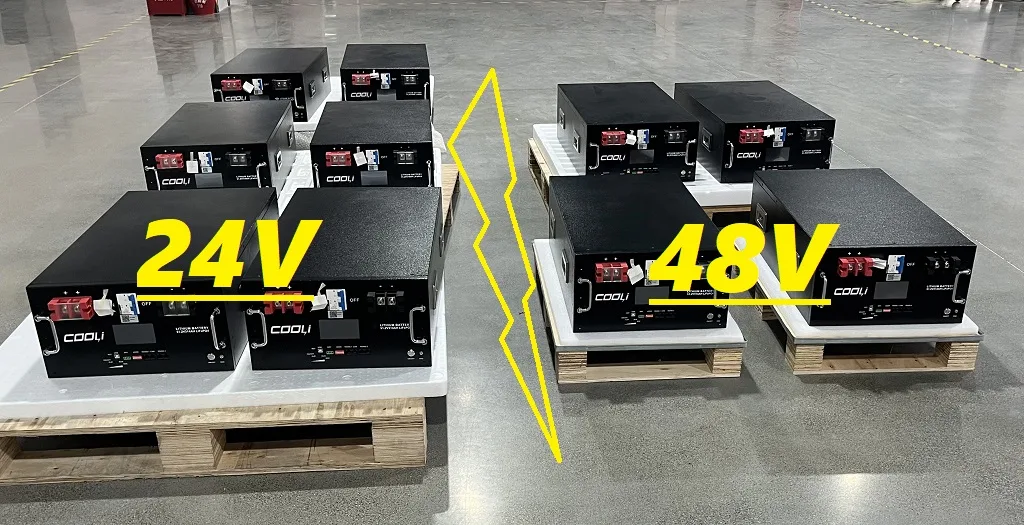
Distenksyon ki pi evidan se nan vòltaj yo:
- 24V sistèm yo bati pa konekte de pil ityòm 12V an seri.
- 48V sistèm mande kat pil ityòm 12V nan seri reyalize pi wo vòltaj.
Pi wo vòltaj nan sistèm 48V tradwi a pi gwo dansite enèji epi redwi koule aktyèl la, minimize pèt enèji pandan transmisyon. Sa fè 48V ideyal pou aplikasyon pou gwo pouvwa tankou charyo elektrik oswa varyateur solè.
2. Pouvwa pwodiksyon ak efikasite
Pou machin elektrik yo (EVs)
- 48V pil ityòm delivre 30-50% plis pouvwa pase sistèm 24V, pèmèt pi vit akselerasyon ak pi bon pèfòmans monte.
- Range: Yon batri ityòm 48V 24Ah ka pouvwa yon e-bisiklèt pou ~80 km, pandan y ap yon ekivalan 24V ka lite pou rive 60 km.
Pou envèstisè yo
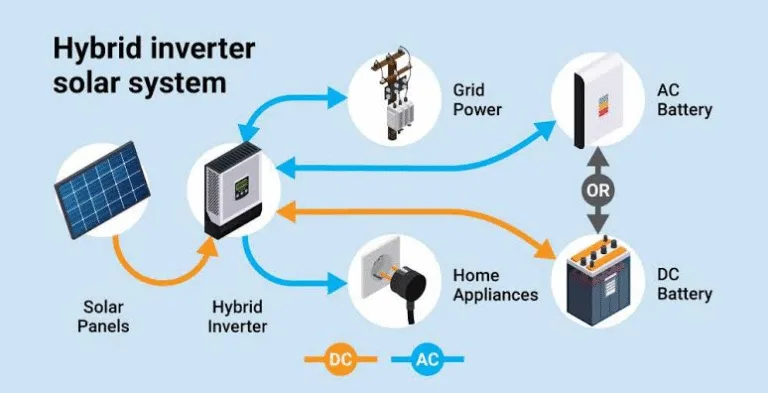
- A 48V varyateur okipe pi wo chaj (pa egzanp, èkondisyone, zouti endistriyèl) avèk pi ba pèt enèji akòz rediksyon aktyèl la. Sa a amelyore efikasite jiska 20% konpare ak varyateur 24V.
- 48Sistèm V mande tou fil elektrik pi mens, koupe depans enstalasyon yo.
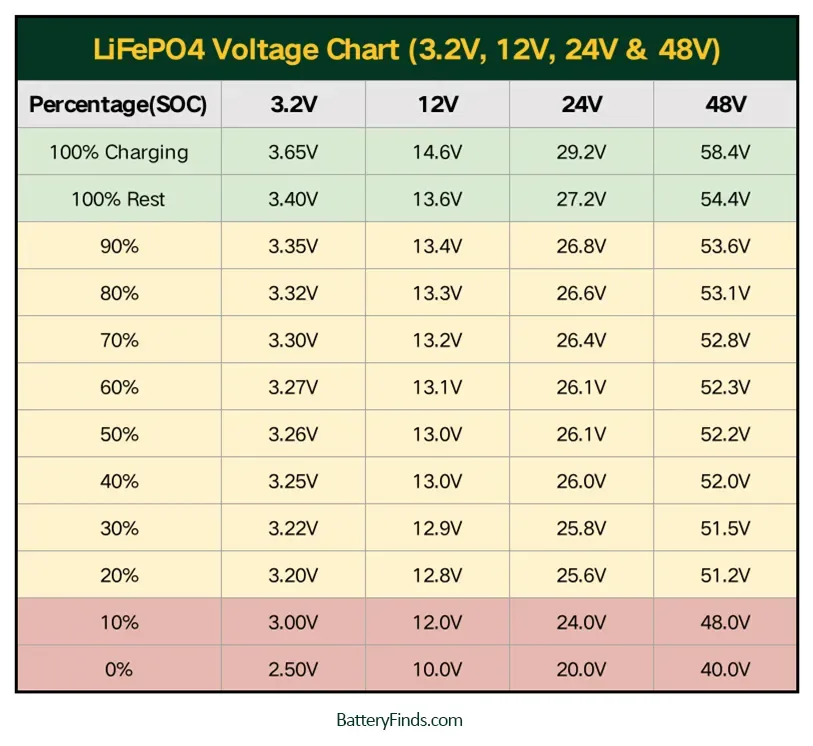
3. Sistèm Solè: 24V vs 48V
Pou konfigirasyon solè off-grid:
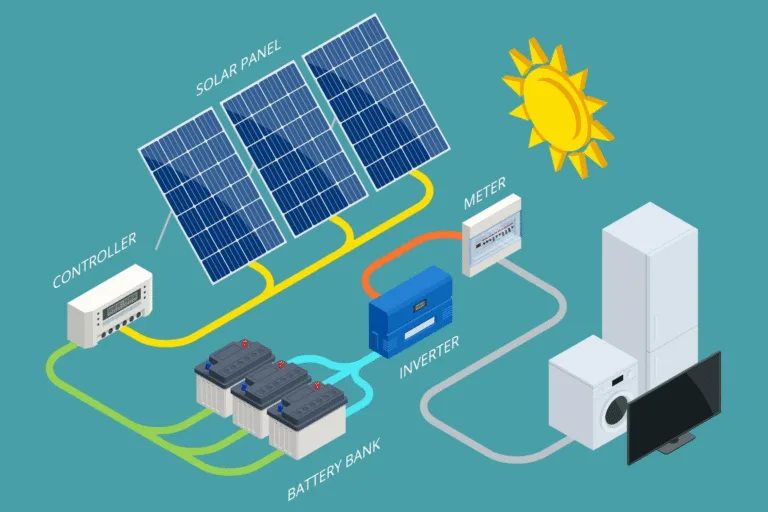
- 48V sistèm yo pi efikas pou enstalasyon gwo (pa egzanp, kay yo, fèm solè). Yo diminye pèt transmisyon epi sipòte aparèy ki gen gwo pouvwa.
- 24V sistèm kostim pi piti konfigirasyon (pa egzanp, RVs, kabin), balanse abòdab ak bezwen enèji modere.
| Faktè | 24Sistèm V | 48Sistèm V |
|---|---|---|
| Pri davans | Pi ba (650–650–1,300) | Pi wo (920–920–1,500) |
| Efikasite | 80-85% | 90-95% |
| Pi bon pou | Itilizasyon ti echèl | Itilizasyon gwo echèl |
Done ki soti nan konparezon batri ityòm ak sodyòm.
4. Vire batri ak rezistans
- Sik lavi:
- Kalite pil ityòm 48V (pa egzanp, LiFePO4) dènye 10+ ane avèk 3,000+ sik.
- 24V pil ityòm mwayèn 5-6 ane (1,000 sik) men varye selon itilizasyon.
- Tolerans Tanperati:
- 48V sodyòm pil kenbe 90% kapasite nan -20 ° C, depase ityòm nan klima frèt.
5. Sekirite ak Antretyen
- 48V sistèm souvan gen ladan avanse BMS (Sistèm Jesyon Batri) pou anpeche surchof ak twòp chaj.
- Tou de vòltaj mande:
- Evite ekspoze dlo nan konektè.
- Estoke nan sèk, anviwònman fre (evite limyè solèy la dirèk).
6. Ki Pi bon? Konsiderasyon kle
Chwazi 48V pil ityòm si:
✅ Ou bezwen gwo pwodiksyon pouvwa (pa egzanp, EVs, machin endistriyèl).
✅ Priyorite ekonomi alontèm (pi ba pèt enèji, lavi pwolonje).
✅ Opere nan klima frèt (chwazi pou varyant sodyòm).
Chwazi 24V pil ityòm si:
✅ Bidjè limite.
✅ Konfigirasyon ou se ti-echèl (pa egzanp, kay solè, UPS).
✅ Rediksyon pwa se kritik (24Pake V yo pi lejè).
Panse final
Pou pifò aplikasyon ki gen anpil demann—fèm solè, charyo elektrik, oswa EV ki konsantre sou pèfòmans-48V pil ityòm se gayan an klè. Sepandan, 24Sistèm V rete yon solisyon pri-la efikas pou pi piti, bezwen mwens entansif. Toujou faktè nankondisyon vòltaj, kapasite chaj, epikondisyon anviwònman yo pou optimize envestisman ou.
Bezwen èd pou chwazi? Konsilte pwofesyonèl oswa eksplore sistèm ibrid ki konbine tou de vòltaj pou pèfòmans balanse!
10kWh LiFePO4 batri 10Depans batri solè kWh nan Myanma 25Sistèm batri kWh Tout-an-yon sèl BESS Container 4MWh Arabi BESS Manifakti Lachin Pi bon mache batri lakay Lachin BESS Solutions Lachin DDP Wholesale Lachin faktori LiFePO4 pil Lachin gri-echèl BESS Founisè OEM Chinwa Komèsyal Battery Depo Kenya DC ESS Solutions Solisyon DDP dirèk nan DRC Dirèk Lachin nan Afrik Dirèk Lachin nan Lafrik batri batri depo enèji Sistèm Depo Enèji Lidè mondyal batri ityòm yo Klas A batri Founisè Depo Batri Grid-Echèl Batri Kay pou Fanmi Olandè yo depo enèji lakay Endistriyèl BESS Kenya Plon-asid vs. Lityòm-Ion batri LiFePO4 LiFePO4 pil LiFePO4 batri nan Lafrik di sid LifePo4 batri Teknoloji batri LifePO4 LiFePO4 Distribitè nan Irak LiFePO4 ESS Kenya Lityòm-Ion batri batri ityòm ion Pi ba pri Tandans mache Deyò Kabinè Refwadisman likid Arabi LiFePO4 Akizisyon Solisyon BESS évolutive pou endistri Panno solè sistèm solè Anpile tout-an-yon sèl Wholesale LiFePO4 Batri Solè Wholesale batri solè