300Ah LiFePO4 batri: Kesyon kle yo reponn
La300Ah LiFePO4 batri te genyen popilarite nan sistèm enèji renouvlab, RVs, aplikasyon maren, ak konfigirasyon off-grid akòz gwo kapasite li yo, sekirite, ak lavi ki long. Sepandan, itilizatè yo souvan gen kesyon sou pèfòmans li yo, limit, ak espesifikasyon teknik. Atik sa a adrese demann ki pi komen yo, bay yon gid konplè pou achtè potansyèl ak amater.
1. Ki dezavantaj batri LiFePO4 yo?
Pandan ke LiFePO4 (Lityòm Iron Phosphate) pil yo renome pou sekirite ak rezistans, yo gen kèk limit:
- Pi ba dansite enèji: Konpare ak lòt chimi ityòm-ion (pa egzanp, NMC oswa LCO), LiFePO4 estoke mwens enèji pou chak pwa inite oswa volim, fè yo pi ankonbran pou aplikasyon pou gwo enèji tankou smartphones oswa EVs.
- Pi wo pri inisyal: Malgre ke pri-efikas sou tan akòz lavi long, pri davans yo 2-3 fwa pi wo pase pil plon-asid.
- Tanperati sansiblite: Pèfòmans diminye nan frèt ekstrèm (anba a -20 ° C) oswa chalè (pi wo pase 60°C). Pandan ke yo tolere ranje pi laj pase plon-asid, ekspoze pwolonje nan tanperati ki wo diminye kapasite.
- Chaje pi dousman: LiFePO4 anjeneral chaje pi dousman pase lòt variants ityòm, mande chajè espesyalize pou evite domaj.
Malgre dezavantaj sa yo, yosekirite (ki pa ka pran dife menm anba estrès) episik lavi (2,000-5,000 + sik) fè yo ideyal pou depo solè, RVs, ak pouvwa backup.
2. Konbyen tan yon batri 300Ah LiFePO4 ap dire?
Egzekisyon yon batri 300Ah depann de:
- Chaj pouvwa: Pou yon aparèy 500W, runtime = Enèji batri(kWh)/Chaj pouvwa(kW)
- Pwofondè nan egzeyat (DoD): Batri LiFePO4 ka dechaje san danje nan 80-90% DoD san degradasyon enpòtan.
Egzanp:
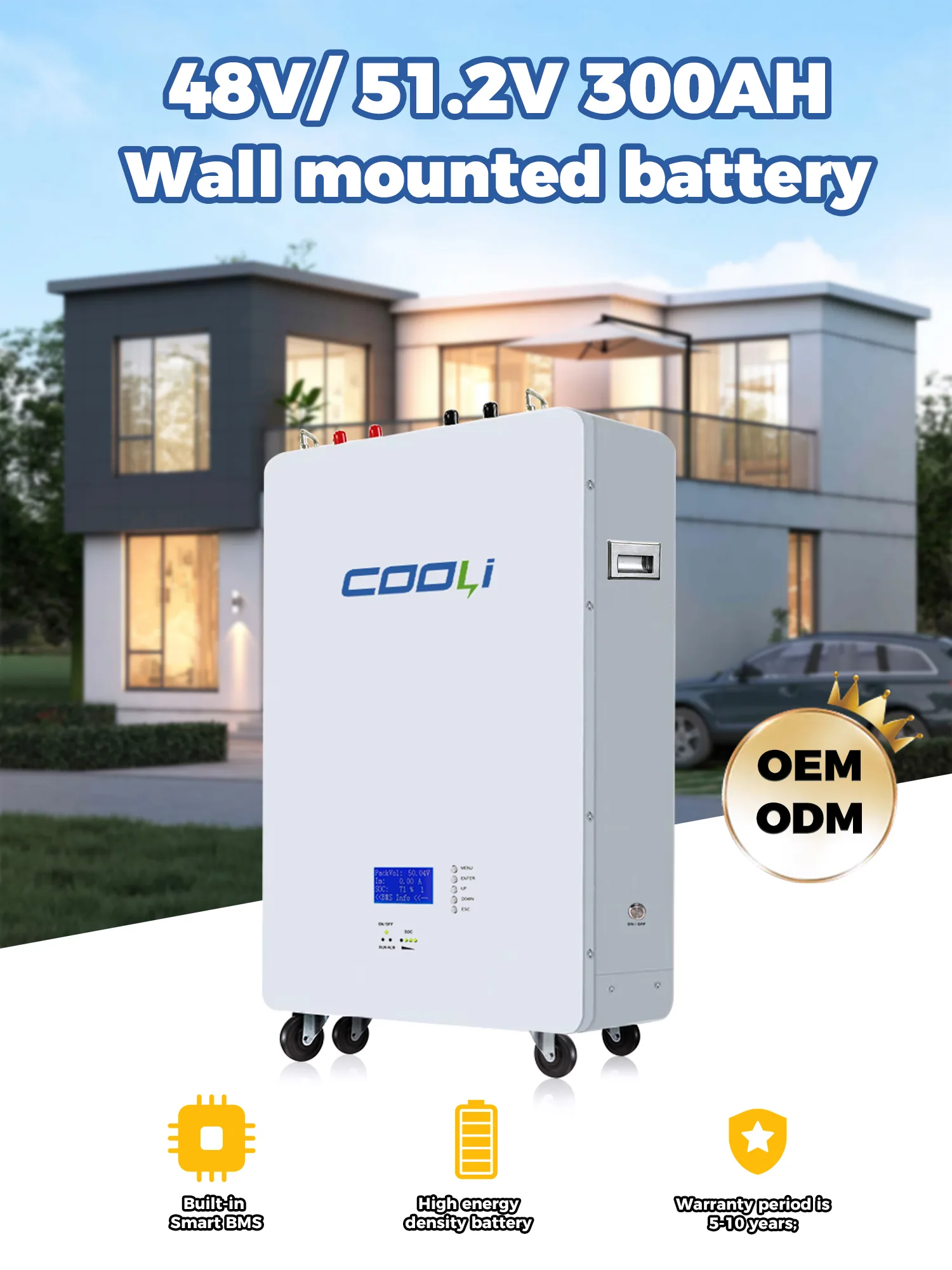
Yon magazen batri 48V 300Ah LiFePO414.4 kWh (48V × 300Ah). Nan 80% DoD (11.5 kWh ka itilize), alimante yon chaj 1kW ta dire ~ 11.5 èdtan. Pou yon frijidè RV 300W, ègzekutabl pwolonje a ~ 38 èdtan.
3. Konbyen kWh se yon batri 48V 300Ah?
A48V 300Ah LiFePO4 batri delivre:
48V×300Ah= 14,400Wh= 14.4 kWh
Kapasite sa a adapte aplikasyon gwo echèl tankou sistèm depo solè oswa machin elektrik. Pou konparezon:
- Yon batri 12V 300Ah bay3.84 kWh (12V × 300Ah).
- Pi wo vòltaj (pa egzanp, 51.2V) konfigirasyon amelyore efikasite nan konfigirasyon endistriyèl.
4. 25.6Nan vs. 51.2V: Ki diferans ki genyen?
LiFePO4 pil yo modilè, ki pèmèt koneksyon seri yo reyalize pi wo vòltaj:
- 25.6V: Tipikman yon konfigirasyon 8-selil (8 × 3.2V pou chak selil), yo itilize nan sistèm gwosè mwayen tankou kabwa gòlf oswa ti konfigirasyon solè.
- 51.2V: Yon konfigirasyon 16 selil, ideyal pou aplikasyon ki gen gwo pouvwa tankou etajè sèvè oswa depo enèji komèsyal yo.
Konsiderasyon kle: Pi wo vòltaj diminye aktyèl la, minimize pèt enèji nan fil elektrik ak amelyore efikasite pou enstalasyon gwo.

5. Èske LiFePO4 pi bon pase lòt batri ityòm?
LiFePO4 briye nansekirite epilonjevite men lag nan dansite enèji konpare ak ityòm-ion (Li-ion) variants:
| Karakteristik | LiFePO4 | Li-ion tradisyonèl yo |
|---|---|---|
| Sekirite | Ki pa ka pran dife, ki estab | Risk pou yo sove tèmik |
| Sik lavi | 2,000-5,000 + sik | 500-1,000 sik |
| Dansite enèji | 90-120 Wh/kg | 150-200 Wh/kg |
| Pri | Pi wo davans | Pi ba davans |
Pi bon pou:
- LiFePO4: Depo solè, RVs, maren, backup pouvwa.
- Li-ion: Elektwonik konsomatè, VE ki mande gwosè kontra enfòmèl ant.
6. Konsiderasyon kle pou batri 300Ah LiFePO4
- BMS (Sistèm Jesyon Batri): Asire pwoteksyon kont surcharge, twòp egzeyat, ak sikui kout.
- Konpatibilite: Sèvi ak LiFePO4-espesifik chajè (pa egzanp, 14.6V pou sistèm 12V) pou evite domaj.
- Depo: Sere nan 50-80% chaj nan fre, kondisyon sèk pou pwolonje lavi.
Konklizyon
La300Ah LiFePO4 batri se yon chwa gaya pou gwo kapasite, bezwen enèji alontèm, balans sekirite, ak fyab. Pandan ke li gen limit tankou pi ba dansite enèji ak pi wo pri inisyal, avantaj li yo nan lavi sik ak estabilite tèmik fè li yon pi gwo konkiran pou enèji renouvlab ak aplikasyon off-grid.
Pou solisyon pwepare, eksplore pwodwi tankou laLifepo4 batri 300ah oswa pil modilè 48V sèvè-etajè. Toujou verifye espesifikasyon ak manifaktirè yo pou matche ak kondisyon sistèm ou a.
10kWh LiFePO4 batri 10Depans batri solè kWh nan Myanma 25Sistèm batri kWh Tout-an-yon sèl BESS Container 4MWh Arabi BESS Manifakti Lachin Pi bon mache batri lakay Lachin BESS Solutions Lachin DDP Wholesale Lachin faktori LiFePO4 pil Lachin gri-echèl BESS Founisè OEM Chinwa Komèsyal Battery Depo Kenya DC ESS Solutions Solisyon DDP dirèk nan DRC Dirèk Lachin nan Afrik Dirèk Lachin nan Lafrik batri batri depo enèji Sistèm Depo Enèji Lidè mondyal batri ityòm yo Klas A batri Founisè Depo Batri Grid-Echèl Batri Kay pou Fanmi Olandè yo depo enèji lakay Endistriyèl BESS Kenya Plon-asid vs. Lityòm-Ion batri LiFePO4 LiFePO4 pil LiFePO4 batri nan Lafrik di sid LifePo4 batri Teknoloji batri LifePO4 LiFePO4 Distribitè nan Irak LiFePO4 ESS Kenya Lityòm-Ion batri batri ityòm ion Pi ba pri Tandans mache Deyò Kabinè Refwadisman likid Arabi LiFePO4 Akizisyon Solisyon BESS évolutive pou endistri Panno solè sistèm solè Anpile tout-an-yon sèl Wholesale LiFePO4 Batri Solè Wholesale batri solè