
Batri ityòm nan sistèm solè: 5 Benefis kle pou ranfòse efikasite 90%
Batri ityòm te revolusyone depo enèji solè, ofri pèfòmans siperyè sou tokay tradisyonèl plon-asid. Anba a se yon eksplorasyon detaye sou wòl yo nan sistèm solè, sipòte pa apèsi teknik ak aplikasyon nan mond reyèl la.

1. Avantaj debaz nan Batri ityòm nan sistèm solè
A. Segondè efikasite & Dansite enèji
- Efikasite Toupawon an: Batri ityòm reyalize 95-99% efikasite, konpare ak 70-85% pou plon-asid, minimize pèt enèji pandan sik chaje/dechaje 13.
- Dansite enèji: Lityòm pake magazen 3 × plis enèji pou chak volim inite, diminye kondisyon espas pa 70% 18. Pou egzanp, a 5.12 Sistèm ityòm kWh okipe mwatye espas yon konfigirasyon plon-asid ak kapasite menm jan an.
B. Viv pwolonje & Pri-efikasite
- Sik lavi: LiFePO4 (ityòm fè fosfat) pil yo andire 2,000-10,000 sik nan 80% pwofondè nan egzeyat (DoD), dirab plon-asid (300-500 sik nan 50% DoD) 13. Plis pase 15 ane, pri inisyal ityòm (2-3× pi wo) se konpanse pa mwens ranplasman, bay 40-50% pi ba pri pou tout lavi 3.
- Antretyen-gratis: Kontrèman ak pil plon-asid ki mande pou ranpli dlo ak chèk sulfatasyon, sistèm ityòm opere ak antretyen zewo 28.
C. Chaje vit & Rezilyans Tanperati
- Chaje vitès: Chaj ityòm nan 2-5 èdtan vs. 8-10 èdtan pou plon-asid, pèmèt kapti enèji rapid pandan pik limyè solèy la 13.
- Ranje Tanperati: Opere avèk efikasite nan -20 ° C a 60 ° C (-4°F rive 140 °F) pou egzeyat ak 0 ° C a 49 ° C (32°F rive 120 °F) pou chaje. Modèl avanse yo enkli oto-chofaj pou anviwònman anba zewo 38.
2. Aplikasyon nan sistèm solè
A. Rezidans lan & Komèsyal Depo Solè
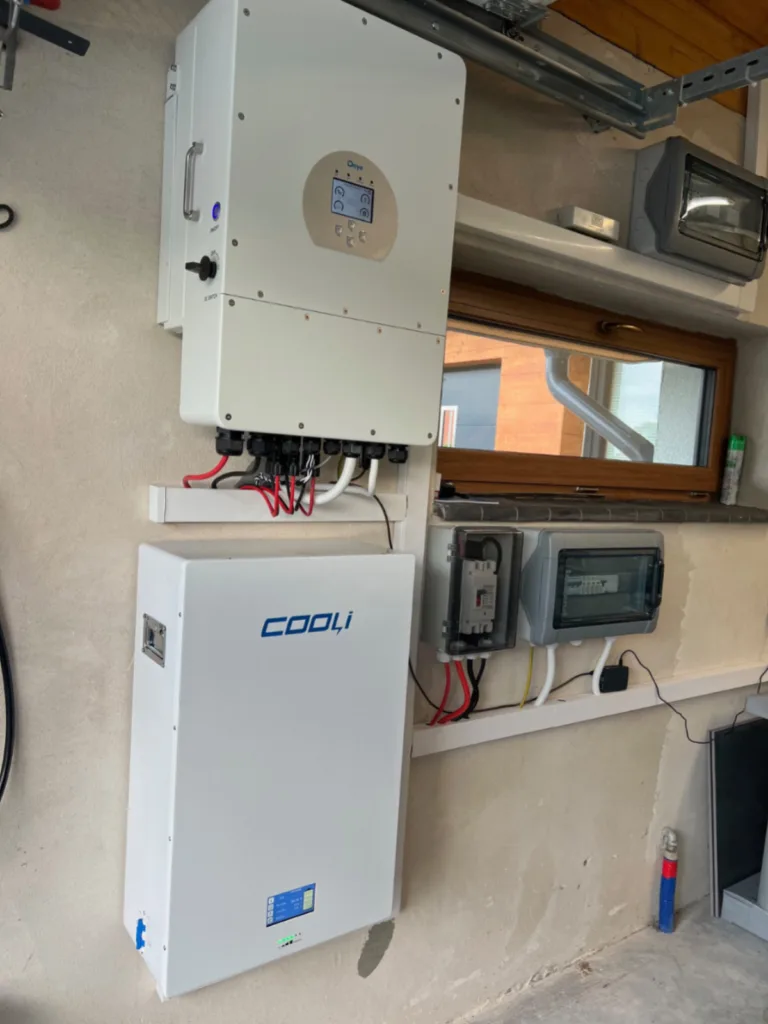
- Endepandans enèji: Sere depase enèji solè pou itilize lannuit oswa pann rezo a, diminye depandans sou rezo sèvis piblik 48.
- Évolutivité: Sistèm ityòm modilè (pa egzanp, inite 5.12kWh–10.24kWh BSLBATT yo) pèmèt ekspansyon kapasite fasil 8.
B. Off-Grid & Solisyon Remote
- Kan/RVs: Pake ityòm ki lejè (60% pi lejè pase plon-asid) yo ideyal pou konfigirasyon mobil 8.
- Endistriyèl sovgad: Itilize nan telemetri, siveyans aleka, ak enfrastrikti enpòtan akòz fyab ak lavi long 24.
C. Grid sipò & Microgrids
- Peak Raze: Diminye demann griy la pandan peryòd gwo enèji lè w tape enèji solè ki estoke 4.
- Règleman Frekans: Repons rapid Lityòm estabilize gri nan sistèm ibrid renouvlab 10.
3. Inovasyon Kondwi Adopsyon
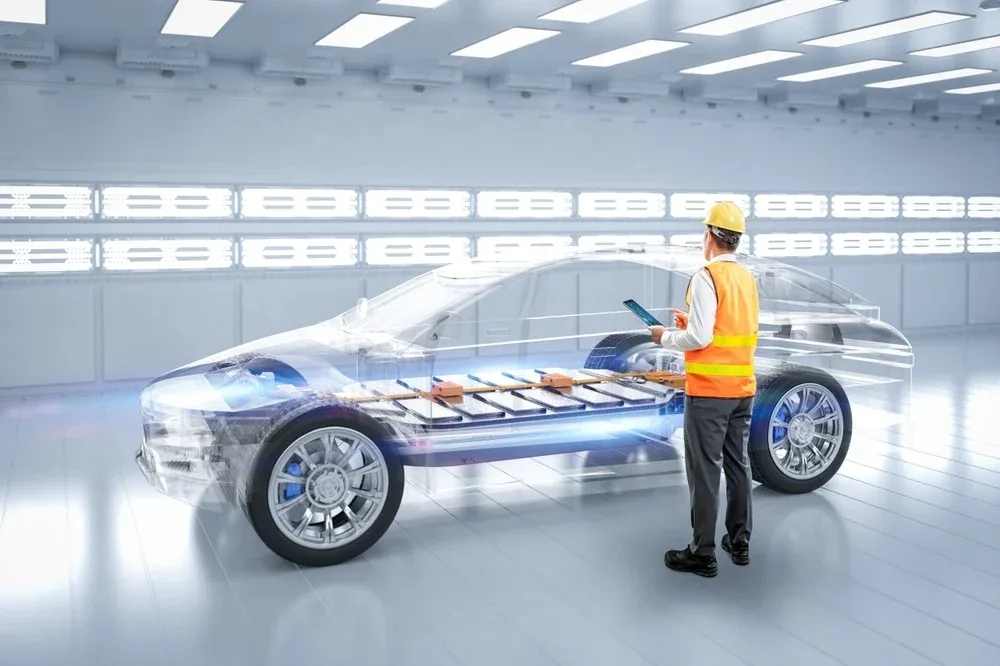
A. Sistèm Depo Solè entegre
- Desen monolitik: Chèchè yo te konbine selil solè Silisyòm ak batri ityòm solid-eta, reyalize 15.8% efikasite solè-a-depo. Sistèm sa yo chaje nan 45 segonn anba limyè solèy la epi kenbe pousantaj egzeyat segondè (28C) 9.
B. Eta solid & Lityòm Alloy Tech
- Batri eta solid: Ofri sekirite amelyore lè w ranplase elektwolit likid ki ka pran dife. Etid resan yo mete aksan sou defi yo (pa egzanp, Li-In dendrite nan elektwolit sulfid), men avansman nan jeni koòdone montre pwomès 710.
- Lityòm-dope selil solè: Amelyore rezistans radyasyon pou aplikasyon espas, pèmèt oto-rekiperasyon nan domaj patikil ki gen gwo enèji 6.
C. Dirab & Resiklaj
- Lower anprint kabòn: Sistèm ityòm diminye emisyon gaz lakòz efè tèmik pa 43-57% konpare ak plon-asid sou sik lavi yo 10.
- Enfrastrikti resiklaj: Inisyativ k ap grandi refè >90% nan ityòm, cobalt, ak nikèl, abòde mank de resous 10.
4. Defi & Pespektiv nan lavni
A. Limit aktyèl yo
- Pri davans: Inisyal envestisman rete wo, menm si pri yo te bese 80% depi 2010 8.
- Chaje frèt: Egzije sistèm chofaj anba a 0 ° C, ajoute konpleksite 3.
B. Tandans Emerging yo
- Ibrid sodyòm-ion: Pi bon mache ak pi abondan pase ityòm, pil sodyòm-ion (SIB yo) yo pran traction pou depo gri pri ki ba, menm si dansite enèji an reta 10.
- Jesyon AI-Kondwi: Smart BMS (Sistèm Jesyon Batri) optimize sik chaje ak predi echèk, pwolonje vi 14.
5. Gid Desizyon: Èske Lityòm bon pou ou?
| Faktè | Lityòm | Plon-asid |
|---|---|---|
| Pri inisyal | Segondè (1,750–1,750–2,500/kWh) | Ba (500–500–1,000/kWh) |
| Pri pou tout lavi | Pi ba (10-15 ane) | Pi wo (3-5 ane) |
| Espas/Pwa | Kontra enfòmèl ant, lejè | Ankonbran, lou |
| Antretyen | Okenn | Chèk regilye |
| Enpak anviwònman an | Pi ba anprint kabòn | Risk polisyon plon |
Rekòmandasyon: Chwazi ityòm pou ekonomi alontèm, efikasite segondè, ak évolutivité. Opt pou plon-asid sèlman si kontrent bidjè depase bezwen pèfòmans yo.
10kWh LiFePO4 batri 10Depans batri solè kWh nan Myanma 25Sistèm batri kWh Tout-an-yon sèl BESS Container 4MWh Arabi BESS Manifakti Lachin Pi bon mache batri lakay Lachin BESS Solutions Lachin DDP Wholesale Lachin faktori LiFePO4 pil Lachin gri-echèl BESS Founisè OEM Chinwa Komèsyal Battery Depo Kenya DC ESS Solutions Solisyon DDP dirèk nan DRC Dirèk Lachin nan Afrik Dirèk Lachin nan Lafrik batri batri depo enèji Sistèm Depo Enèji Lidè mondyal batri ityòm yo Klas A batri Founisè Depo Batri Grid-Echèl Batri Kay pou Fanmi Olandè yo depo enèji lakay Endistriyèl BESS Kenya Plon-asid vs. Lityòm-Ion batri LiFePO4 LiFePO4 pil LiFePO4 batri nan Lafrik di sid LifePo4 batri Teknoloji batri LifePO4 LiFePO4 Distribitè nan Irak LiFePO4 ESS Kenya Lityòm-Ion batri batri ityòm ion Pi ba pri Tandans mache Deyò Kabinè Refwadisman likid Arabi LiFePO4 Akizisyon Solisyon BESS évolutive pou endistri Panno solè sistèm solè Anpile tout-an-yon sèl Wholesale LiFePO4 Batri Solè Wholesale batri solè


Yon kòmantè