
50% Pri Drop!Dekouvèt batri Afrik la: Dezyèm lavi pil
Debloke avni enèji Afrik la: Wòl nan Dezyèm lavi pil nan Devlopman Dirab
Kòm Afrik ap fè fas a demann enèji k ap grandi, Dezyèm lavi pil (oswa pil kaskad) — reutilize nan machin elektrik retrete (EV) pil - yo ap parèt kòm yon solisyon pri-efikas ak ekolojik-zanmi. Avèk plis pase 600 milyon moun ki manke aksè elektrik serye (Bank Mondyal, 2023) ak adopsyon enèji renouvlab akselere, pil kaskad yo ta ka konble diferans ki genyen ant povrete enèji ak dirab. Atik sa a eksplore ki jan Lafrik ka ogmante teknoloji sa a pou déblotché ekonomik, anviwònman, ak valè sosyal.
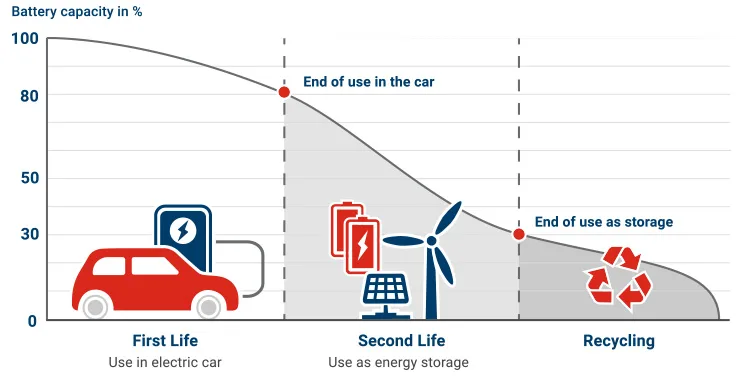
Poukisa pil dezyèm lavi yo anfòm kontèks Afrik la?
- Pri-efikas Depo Enèji
- Pi ba pri davans: Cascaded pil yo 30-50% pi bon mache pase nouvo pil ityòm-ion (BNEF, 2022), kritik pou mache ki limite nan bidjè yo. Pou egzanp, yon microgrid solè + depo lè l sèvi avèk pil kaskad nan Kenya redwi depans enstalasyon pa 40% (Etid ka PNUD, 2022).
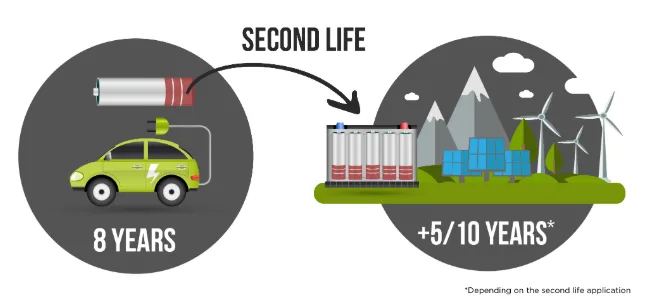
- Viv pwolonje: Batri EV retrete (80% kapasite) ka pouvwa sistèm off-grid pou 5-8 ane, retade nouvo acha batri. Nan Nijerya, batri EV repurposed soti nan Ewòp sipòte sistèm solè klinik riral yo, koupe depans enèji pa $1,200/ane pou chak etablisman (Rapò Aksè Enèji, 2023).
- Entegrasyon enèji renouvlab
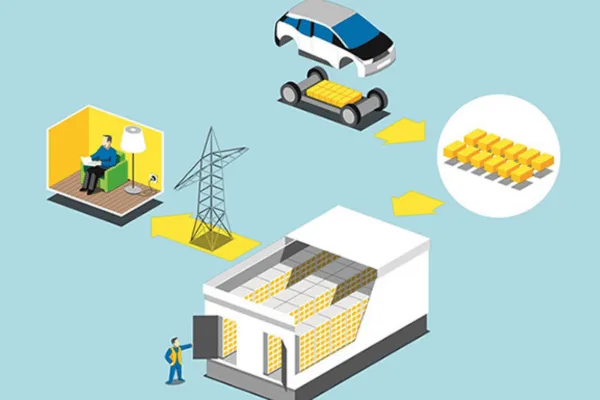
- Potansyèl solè Lafrik di se vas (jiska 10 TW kapasite), men enstabilite kadriyaj limite adopsyon. Batri Cascaded ka estoke depase enèji solè nan 50% pi ba pri pase nouvo sistèm yo, pèmèt 24/7 pouvwa pou kay ak biznis.
- Egzanp: Kiosk "SolarTurtle" Lafrik di sid yo itilize pil kaskad pou bay pouvwa solè pòtab pou vil yo., sèvi 3,000+ itilizatè chak mwa nan mwatye pri a nan dèlko dyezèl.
- Diminye E-Dechè ak Polisyon
- Lafrik enpòtasyon ~500,000 tòn nan elektwonik itilize chak ane, ak move jete ki kontamine tè ak dlo. Cascaded pil reta jete dechaj pa 5-10 ane, diminye risk flit toksik yo.
- Resiklaj 1 tòn ityòm atravè kaskad sove 15 tòn CO₂ vs. min nouvo ityòm (AK, 2020). Si 50% nan fiti pil EV Lafrik di yo repurpose, li te kapab anpeche 200,000 tòn nan fatra elektwonik pa 2030 (Pwojeksyon UNEP).
- Kreyasyon Travay ak Inovasyon Lokal
- Batri renovasyon ak antretyen te kapab kreye 50,000+ travay atravè Lafrik pa 2030 (Estimasyon AfDB). Startups tankou Nijerya a Resikle ak Kenya a Aceli yo deja fòme teknisyen yo teste ak repurpose pil yo.
Aplikasyon kle nan mache Afriken yo
- Sistèm Off-Grid ak Mini-Grid
- Batri kaskad ki asosye ak PV solè ka bay ti bouk aleka yo. Nan Rwanda, yon pwojè pilòt ki itilize pil Nissan Leaf elèktrize 200 kay yo nan 30% pi ba pri pase altènativ dyezèl.
- Enfrastrikti Telecom
- Gwo fò tou won mobil konsome 5-10 kW chak jou, souvan konte sou dyezèl. MTN Group nan Uganda ranplase 500 dèlko dyezèl ak sistèm batri solè + kaskad, koupe depans gaz pa 70% ak emisyon CO₂ pa 4,000 tòn/ane.
- Pwodiktivite agrikòl
- Sistèm irigasyon solè ak pil kaskad pèmèt ti fèmye yo ogmante pwodiksyon an. Yon pwojè Gana rapòte 40% pi wo pwodiksyon rekòt apre yo fin adopte sistèm sa yo.
- Iben Mobilite
- Batri EV retrete yo ka mache e-rickshaw ak motosiklèt. Kenya a Roam elektrik itilize pil kaskad pou koupe depans e-bisiklèt pa 25%, vize 10,000 inite pa 2025.
Defi ak Solisyon
- Baryè teknik
- Eterojenite batri: Melanje mak/modèl batri konplike réutilisation.
Solisyon: Patenarya ak constructeurs mondyal yo (pa egzanp, BMW, BYD) pou estandadize desen batri yo.
- Eterojenite batri: Melanje mak/modèl batri konplike réutilisation.
- Mank enfrastrikti tès yo
- Sèlman 5% nan peyi Afriken yo gen enstalasyon pou evalye sante batri (SOH).
Solisyon: Inite tès mobil ak zouti dyagnostik AI-kondwi (pa egzanp, Kenya a StimaLabs).
- Sèlman 5% nan peyi Afriken yo gen enstalasyon pou evalye sante batri (SOH).
- Diferans politik yo
- Pifò peyi yo manke règleman pou pil dezyèm lavi yo.
Solisyon: Adopte kad tankou Paspò Battery Inyon Ewopeyen an, ki swiv istwa batri.
- Pifò peyi yo manke règleman pou pil dezyèm lavi yo.
- Konsyantizasyon Konsomatè
- Move konsepsyon sou sekirite batri "itilize" pèsiste.
Solisyon: Pwogram sètifikasyon ak demonstrasyon kominote dirije.
- Move konsepsyon sou sekirite batri "itilize" pèsiste.
Istwa siksè
- Inisyativ "Light-Up Lagos" Nijerya a
- Deplwaye pil kaskad soti nan EVs Chinwa yo pou mete limyè nan lari yo, diminye depandans grid pa 60% ak ekonomize $2 milyon / ane nan depans enèji.
- Plant Solè Noor Mawòk la
- Batri kaskad entegre pou estoke depase enèji solè, estabilize pwodiksyon ak sèvi 1 milyon + moun pandan pik demann.
- Eskom Partnership Lafrik di sid la
- A 20 MWh kaskad batri depo sistèm (lè l sèvi avèk BMW i3 pil) sipòte regilasyon frekans kadriyaj, ekonomize $5 milyon / ane nan depans backup ki mache ak chabon.
Pespektiv nan lavni
Pa 2030, Mache batri kaskad Afrik la ka depase$2 milya dola, kondwi pa:
- EV adopsyon: Yo prevwa flòt EV Afrik la ap grandi 15% chak ane (Frost & Sullivan, 2023), kreye yon rezèv fiks de pil retrete.
- Politik momantòm: Inyon Afriken an 2030 Kad Enèji Dirab bay priyorite solisyon ekonomi sikilè.
- Inovasyon teknoloji: Startups ap devlope platfòm blockchain pou trase sante batri ak pwopriyetè, amelyore konfyans.
Konklizyon
Batri dezyèm lavi yo ofri Afrik yon trip genyen: aksè enèji abòdab, redwi domaj nan anviwònman an, epi kwasans ekonomik lokal. Pou echèl solisyon sa a, moun ki gen enterè yo dwe kolabore sou normalisation, finansman, ak konsyantizasyon. Pa vire "fatra" nan richès, Afrik ka mennen tranzisyon mondyal la nan yon ekonomi enèji sikilè.
Si ou bezwen nenpòt, tanpri Kontakte nou
Sous Done yo: Bank Mondyal, UNEP, BloombergNEF, AfDB, PNUD, AK, Frost & Sullivan.
10kWh LiFePO4 batri 10Depans batri solè kWh nan Myanma 25Sistèm batri kWh Tout-an-yon sèl BESS Container 4MWh Arabi BESS Manifakti Lachin Pi bon mache batri lakay Lachin BESS Solutions Lachin DDP Wholesale Lachin faktori LiFePO4 pil Lachin gri-echèl BESS Founisè OEM Chinwa Komèsyal Battery Depo Kenya DC ESS Solutions Solisyon DDP dirèk nan DRC Dirèk Lachin nan Afrik Dirèk Lachin nan Lafrik batri batri depo enèji Sistèm Depo Enèji Lidè mondyal batri ityòm yo Klas A batri Founisè Depo Batri Grid-Echèl Batri Kay pou Fanmi Olandè yo depo enèji lakay Endistriyèl BESS Kenya Plon-asid vs. Lityòm-Ion batri LiFePO4 LiFePO4 pil LiFePO4 batri nan Lafrik di sid LifePo4 batri Teknoloji batri LifePO4 LiFePO4 Distribitè nan Irak LiFePO4 ESS Kenya Lityòm-Ion batri batri ityòm ion Pi ba pri Tandans mache Deyò Kabinè Refwadisman likid Arabi LiFePO4 Akizisyon Solisyon BESS évolutive pou endistri Panno solè sistèm solè Anpile tout-an-yon sèl Wholesale LiFePO4 Batri Solè Wholesale batri solè

Yon kòmantè