Batri mi vs etajè: 7 Verite brital Achtè Bezwen Konnen
Batri mi vs etajè: Ki solisyon depo enèji ki genyen pou bezwen w yo?
Si w ap fè rechèch sou depo enèji pou sistèm solè yo, konfigirasyon off-grid, oswa pouvwa backup, ou te gen anpil chans rankontre de opsyon kle: pil ki monte sou miray la epi batri etajè sèvè. Tou de gen defansè fidèl, men ki youn ki bon pou ou bezwen? Ann koupe bri a epi revele verite yo san vèni sou de kalite batri sa yo.
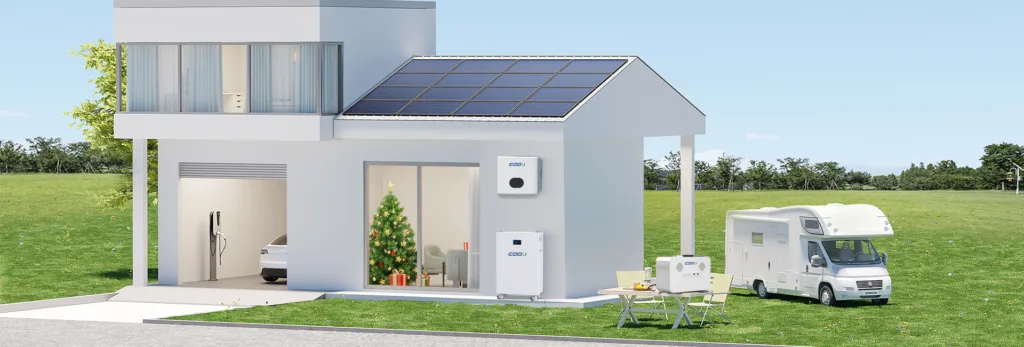
Ki sa ki se yon batri mi?
Abatri ki monte sou miray la se yon kontra enfòmèl ant, vètikal enstale inite depo enèji ki fèt pou konsève pou espas etaj. Sistèm sa yo popilè nan anviwònman rezidansyèl ak ti komèsyal akòz dous yo, tout-an-yon konsepsyon. Panse ak mak tankou Tesla Powerwall oswa LG Chem RESU-yo souvan mache kòm solisyon "plug-and-play" pou pwopriyetè kay..
Karakteristik kle nan batri mi yo:
- Konsepsyon pou ekonomize espas: Monte dirèkteman sou yon miray.
- Konpozan entegre: Bati-an varyateur, sistèm refwadisman, ak siveyans.
- Fè apèl ayestetik: Diskrè, gade modèn.
- Pi ba kapasite: Tipikman 5-15 kWh pou chak inite.
Ki sa ki se yon batri etajè?
Abatri etajè sèvè (oswa batri etajè-monte) se yon modilè, sistèm évolutive ki fèt pou anfòm nan etajè sèvè estanda. Sa yo souvan itilize nan sant done yo, fèm solè gwo echèl, ak aplikasyon komèsyal/endistriyèl. Egzanp yo enkli mak tankou BYD Battery-Box oswa eVault Fortress Power.
Karakteristik kle nan pil etajè:
- Évolutivité modilè: Pile plizyè pil nan yon etajè pou plis kapasite.
- Endistriyèl-klas durability: Bati pou monte bisiklèt lou ak dire lavi long.
- Ekspansyon pri-efikas: Ajoute inite yo dezagreman kòm bezwen yo grandi.
- Pi wo kapasite: Sistèm ka depase 100 kWh lè elaji.
Batri mi vs etajè: 7 Verite brital
Ann kraze faktè kritik ki ta ka fè oswa kraze desizyon ou:
1. Espas enstalasyon & Fleksibilite
- Mi batri: Ideyal pou espas ki sere (pa egzanp, garaj, ti chanm sèvis piblik). Sepandan, se plasman fiks yon fwa enstale.
- Batri etajè: Mande espas etaj pou yon etajè men ofri konfigirasyon fleksib. Gayan pou évolutivité.
2. Pri davans vs valè alontèm
- Mi batri: Pi ba pri davans (~$7,000–$15,000) men opsyon ekspansyon limite.
- Batri etajè: Pi wo envestisman inisyal pou etajè a ak konpozan men pi bon mache pou chak kWh sou tan. Gayan pou ROI alontèm.
3. Kapasite & Bezwen Enèji
- Mi batri: Pi bon pou itilize lakay chak jou (pa egzanp, konpanse to pik yo, kout pann).
- Batri etajè: Bati pou senaryo gwo demann (pa egzanp, k ap viv deyò, backup komèsyal). Gayan pou demann enèji segondè.
4. Antretyen & Reparasyon
- Mi batri: Inite sele yo vle di antretyen minim men ranplasman koute chè si yon eleman echwe.
- Batri etajè: Modil endividyèl yo ka chanje deyò, diminye D '. Gayan pou reparasyon.
5. Viv ak rezistans
- Mi batri: 10-15 ane (varye selon mak ak itilizasyon).
- Batri etajè: Souvan 15-20+ ane akòz selil endistriyèl ak pati ki ka ranplase. Gayan pou lonjevite.
6. Estetik vs Fonksyonalite
- Mi batri: Melanje nan kay yo san pwoblèm.
- Batri etajè: Gade itilitè men priyorite pèfòmans. Gayan depann sou priyorite.
7. Sekirite & Refwadisman
- Mi batri: Refwadisman pasif ka gen difikilte nan anviwònman ki gen gwo chalè.
- Batri etajè: Sistèm refwadisman aktif nan etajè asire tanperati ki estab. Gayan pou jesyon tèmik.
Ki moun ki ta dwe chwazi kiyès?
- Batri mi yo se pou ou si:
- Ou se yon pwopriyetè kay ki gen espas limite.
- Ou bay priyorite senplisite ak estetik.
- Bezwen enèji chak jou ou yo anba 20 kWh.
- Batri etajè yo se pou ou si:
- Ou bezwen depo évolutive (pa egzanp, etalaj solè k ap grandi).
- Ou pa nan kadriyaj la oswa ou bezwen backup pou sistèm kritik yo.
- Pri pou chak kWh ak fyab alontèm yo se pi gwo priyorite.
Liy anba a
Pa gen okenn opsyon inivèsèl "pi bon"-sèlman sa ki pi bon pouou sitiyasyon. Batri mi briye nan senplisite ak efikasite espas, pandan y ap pil etajè domine nan évolutivité ak durability. Anvan achte, mande:
- Konbyen enèji mwen bezwen kounye a vs nan 5 ane?
- Èske mwen ka peye ajou pita, oswa èske mwen bezwen yon sistèm ki prèv pou lavni?
- Èske estetik oswa pèfòmans anvan tout koreksyon pi enpòtan?
Lè w peze verite sa yo, ou pral evite regrè ki koute chè epi envesti nan yon sistèm batri ki vrèman aliyen ak objektif ou yo.
Bezwen èd pou deside? Pataje ka itilize ou nan kòmantè yo, epi nou pral gide ou nan bon chwa a!
10kWh LiFePO4 batri 10Depans batri solè kWh nan Myanma 25Sistèm batri kWh Tout-an-yon sèl BESS Container 4MWh Arabi BESS Manifakti Lachin Pi bon mache batri lakay Lachin BESS Solutions Lachin DDP Wholesale Lachin faktori LiFePO4 pil Lachin gri-echèl BESS Founisè OEM Chinwa Komèsyal Battery Depo Kenya DC ESS Solutions Solisyon DDP dirèk nan DRC Dirèk Lachin nan Afrik Dirèk Lachin nan Lafrik batri batri depo enèji Sistèm Depo Enèji Lidè mondyal batri ityòm yo Klas A batri Founisè Depo Batri Grid-Echèl Batri Kay pou Fanmi Olandè yo depo enèji lakay Endistriyèl BESS Kenya Plon-asid vs. Lityòm-Ion batri LiFePO4 LiFePO4 pil LiFePO4 batri nan Lafrik di sid LifePo4 batri Teknoloji batri LifePO4 LiFePO4 Distribitè nan Irak LiFePO4 ESS Kenya Lityòm-Ion batri batri ityòm ion Pi ba pri Tandans mache Deyò Kabinè Refwadisman likid Arabi LiFePO4 Akizisyon Solisyon BESS évolutive pou endistri Panno solè sistèm solè Anpile tout-an-yon sèl Wholesale LiFePO4 Batri Solè Wholesale batri solè