

Temukan Kekuatan Sistem Penyimpanan Energi: 5 Manfaat Utama yang Perlu Anda Ketahui
Sistem penyimpanan energi adalah tulang punggung sistem energi berkelanjutan. Mereka memberikan penyangga untuk memasok listrik pada saat energi terbarukan tidak dapat didekati.
Sistem penyimpanan energi dapat digunakan untuk menyimpan energi dari energi terbarukan,sama seperti tenaga surya dan angin, atau dari sumber lain yang serupa seperti bengkel berbahan bakar nuklir dan batu bara. Mereka juga dapat digunakan untuk menyimpan energi berlebih untuk digunakan selama usia puncak.
Untuk memastikan bahwa jaringan aman dan stabil, dibutuhkan jumlah kapasitas gudang yang dapat diterima dan sesuai dengan permintaan. Kapasitas sistem penyimpanan energi baterai diukur dalam megawatt- jam( MWh).
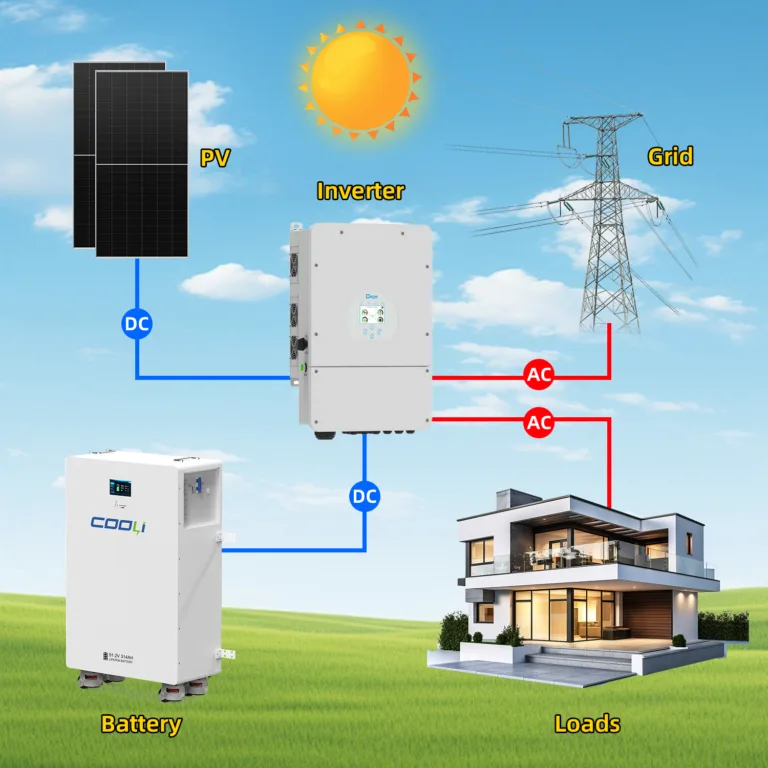
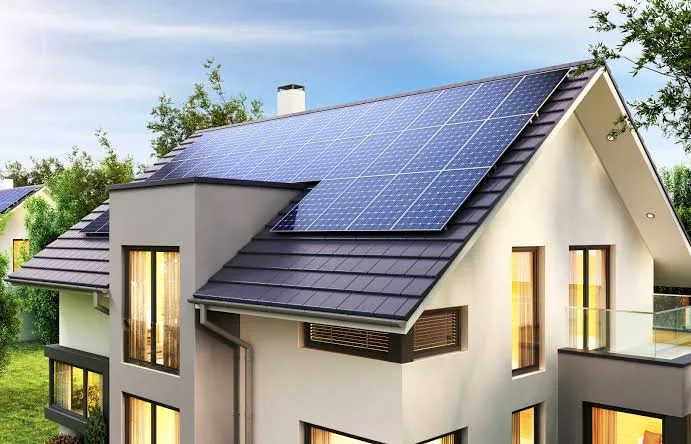
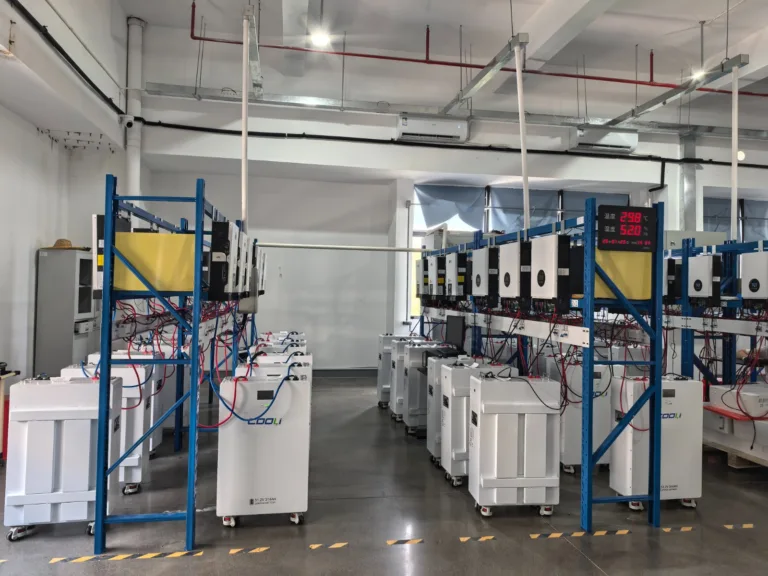
Kapasitas umum sistem adalah 10kw- 100kw, itu dapat diterapkan pada panel surya, stasiun pangkalan komunikasi gunung, penyimpanan energi stasiun pangkalan komunikasi, kekuasaan sementara, penyimpanan energi rumah penyimpanan energi buatan dll.

LIHAT LEBIH LANJUT: ikuti kami di Facebook
🔋 Sistem Penyimpanan Energi (ESS): Tinjauan Komprehensif
Sistem Penyimpanan Energi (ESS) adalah teknologi yang dirancang untuk menangkap energi yang dihasilkan pada suatu waktu untuk digunakan di lain waktu, mengatasi ketidaksesuaian antara pasokan dan permintaan energi. Mereka memainkan peran penting dalam manajemen energi modern, berperan sebagai tulang punggung sistem energi berkelanjutan dengan menyediakan penyangga penting untuk memasok listrik ketika sumber energi terbarukan seperti tenaga surya dan angin tidak tersedia. ESS memungkinkan integrasi beragam sumber energi—termasuk energi terbarukan, nuklir, dan bahkan pembangkit listrik berbahan bakar fosil (misalnya, fasilitas berbahan bakar batubara)—sambil menyimpan kelebihan energi untuk digunakan selama periode permintaan puncak.Sistem Penyimpanan Energi (ESS) sedang merevolusi manajemen energi, memastikan penggunaan energi yang efisien dan stabilitas jaringan. Mari kita jelajahi cara kerjanya dan signifikansinya!
⚡ Teknologi Penyimpanan Energi Utama
🔋 Baterai
- Jenis: Litium-ion, timbal-asam, natrium-belerang, Danbaterai solid-state .
- Digunakan di: Elektronik konsumen, kendaraan listrik (EV), dan penyimpanan jaringan.
- Inovasi: Baterai solid-state menawarkan peningkatan keamanan dan kepadatan energi.
⚙️ Penyimpanan Mekanis
- Hidro yang Dipompa: Menggunakan gravitasi untuk menghasilkan listrik dengan memindahkan air antar ketinggian.
- Roda gila: Simpan energi kinetik dengan rotor berkecepatan tinggi untuk ledakan energi yang cepat.
- Udara Terkompresi (CAES): Menyimpan udara terkompresi di bawah tanah untuk tenaga turbin.
🚀 Mengapa ESS Penting
- Stabilitas Jaringan: Mencegah pemadaman listrik dan mengatur fluktuasi frekuensi.
- Energi terbarukan: Menyimpan kelebihan tenaga surya dan angin untuk digunakan nanti.
- Kekuatan EV: Mengendarai kendaraan listrik dan sistem hibrida.
- Di Luar Jaringan Solusi: Menyediakan akses energi di lokasi terpencil.
🚧 Tantangan dalam Penyimpanan Energi
- Biaya Tinggi: Sistem penyimpanan baterai dan hidrogen yang canggih memerlukan investasi.
- Kehilangan Energi: Kerugian efisiensi dalam proses penyimpanan dan konversi.
- Dampak Lingkungan: Masalah terkait ekstraksi dan daur ulang material.
- Masalah Keamanan: Risiko seperti pelepasan panas baterai atau ledakan hidrogen.
🌍 Masa Depan ESS
- Aliran Baterai: Penyimpanan elektrolit cair terukur untuk energi jangka panjang.
- Penyimpanan Gravitasi: Menggunakan pengangkatan massa berat untuk retensi dan pelepasan tenaga.
- Sistem Termal Tingkat Lanjut: Inovasi pada material pengubah fasa untuk efisiensi yang lebih baik.
Daribaterai litiumkepenyimpanan hidrogen, Dari baterai litium hingga penyimpanan hidrogen, Singkatnya, ESS serbaguna, terukur, dan sangat diperlukan untuk membangun ekosistem energi yang adaptif—mulai dari memberi daya pada stasiun pangkalan terpencil hingga menstabilkan jaringan listrik nasional.ESS membentuk masa depan energi yang berkelanjutan! Seiring kemajuan teknologi, kami semakin dekat dengan keandalan, solusi energi hijau. ESS membentuk masa depan energi berkelanjutan! Seiring kemajuan teknologi, kami semakin dekat dengan keandalan, solusi energi hijau. 🌱⚡
Satu Komentar