
5 Fakta yang Harus Diketahui Tentang Sistem Penyimpanan Energi & Keamanan
Memahami Penyimpanan Baterai Energi Matahari dan Sistem Penyimpanan Energi Baterai
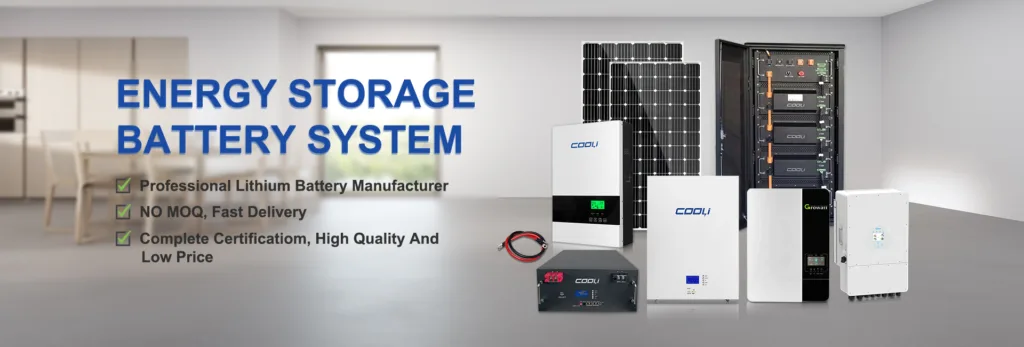
Energi surya telah menjadi solusi utama untuk pembangkit listrik berkelanjutan, dan integrasi sistem penyimpanan baterai telah meningkatkan efisiensinya. Namun, seperti teknologi apa pun, ada pertimbangan dan batasan tertentu yang harus diperhatikan ketika menangani penyimpanan energi surya, terutama saat menggunakan baterai litium. Dalam artikel ini, kita akan menjelajah cara menyimpan baterai litium untuk penyimpanan energi surya, keterbatasan penyimpanan baterai energi surya, Dan potensi bahaya, beserta cara kerja a sistem penyimpanan energi baterai (TERBAIK).
Apa itu Penyimpanan Baterai Energi Surya?
Penyimpanan baterai energi surya mengacu pada proses menangkap kelebihan listrik yang dihasilkan oleh panel surya dan menyimpannya dalam baterai untuk digunakan nanti. Hal ini memungkinkan kemandirian energi yang lebih besar, karena energi yang tersimpan dapat digunakan saat matahari tidak bersinar—seperti pada malam hari atau saat mendung.
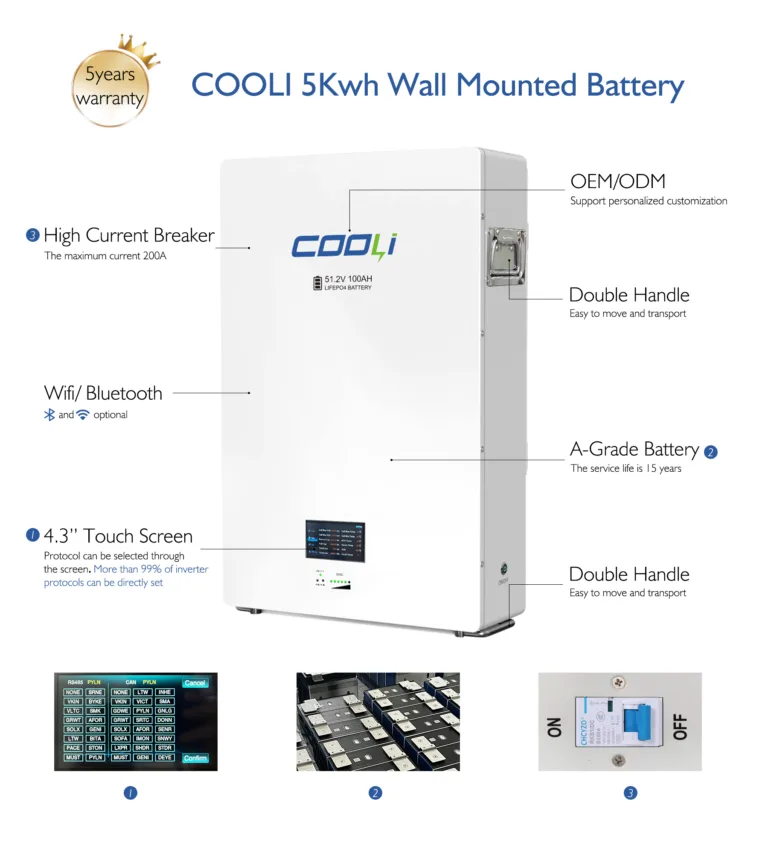
Baterai litium, khususnya baterai LiFePO4, umumnya digunakan untuk penyimpanan energi surya karena menawarkan kepadatan energi yang tinggi, siklus hidup yang panjang, dan umumnya lebih aman dibandingkan jenis baterai litium-ion lainnya. Baterai ini dirancang untuk menyimpan listrik yang dihasilkan oleh panel surya dan melepaskannya sesuai kebutuhan untuk menggerakkan rumah, bisnis, atau bahkan seluruh pengaturan industri.
Cara Menyimpan Baterai Lithium untuk Energi Matahari
Penyimpanan baterai lithium yang tepat sangat penting untuk memastikan umur panjang dan keamanannya. Berikut beberapa poin penting yang perlu dipertimbangkan saat menyimpan baterai litium untuk sistem energi surya:
- Kontrol Suhu: Baterai lithium harus disimpan di tempat yang sejuk, lingkungan kering, idealnya antara 20°C hingga 25°C (68°F hingga 77°F). Suhu ekstrim (entah terlalu panas atau terlalu dingin) dapat menyebabkan baterai cepat rusak atau bahkan rusak sebelum waktunya.
- Hindari Debit Dalam: Selalu simpan baterai litium dengan daya terisi sebagian, idealnya sekitar 50% ke 60%. Menyimpannya dalam keadaan terisi penuh atau kosong dalam jangka waktu lama dapat merusak baterai dan mengurangi masa pakainya.
- Ventilasi: Pastikan tempat penyimpanan baterai memiliki ventilasi yang baik untuk menghindari penumpukan panas. Terlalu panas dapat menyebabkan bahaya keselamatan, seperti pelarian termal.
- Hindari Sinar Matahari Langsung: Sinar matahari langsung dapat meningkatkan suhu baterai, menyebabkannya menjadi terlalu panas dan berpotensi gagal. Simpan di tempat yang teduh, ruang yang berventilasi baik.
- Perawatan Reguler: Periksa secara berkala tingkat pengisian daya dan kondisi baterai, terutama jika disimpan dalam jangka panjang, untuk memastikan mereka masih berfungsi dengan baik.
Apakah Sistem Energi Surya Memiliki Keterbatasan Penyimpanan Baterai?
Ya, sistem energi surya memang memiliki keterbatasan dalam hal penyimpanan baterai. Beberapa tantangan utama meliputi:
- Keterbatasan Kapasitas: Jumlah energi yang dapat Anda simpan dibatasi oleh kapasitas baterai. Jika pembangkitan energi surya Anda secara konsisten melebihi kapasitas penyimpanan Anda, kelebihan energi mungkin terbuang sia-sia, kecuali jika dimasukkan kembali ke jaringan (jika terikat pada jaringan).
- Efisiensi Baterai: Baterai biasanya kehilangan sebagian energinya selama proses pengisian dan pengosongan. Artinya meskipun Anda boleh menyimpannya 10 kWh energi, Anda mungkin hanya bisa menggunakan 8-9 kWh, tergantung pada efisiensi baterai dan inverter.
- Biaya: Baterai berkualitas tinggi, khususnya yang berbasis litium, bisa mahal. Biaya awal untuk menyiapkan sistem penyimpanan baterai dapat menjadi hambatan yang signifikan bagi banyak pemilik rumah atau bisnis.
- Jangka hidup: Sedangkan baterai lithium mempunyai umur yang panjang (khas 5-15 bertahun-tahun), mereka akhirnya terdegradasi. Seiring bertambahnya usia, kemampuan mereka untuk menahan muatan berkurang, yang berarti mereka perlu diganti.
- Ruang angkasa: Untuk sistem energi yang lebih besar, Anda memerlukan ruang yang cukup untuk memasang bank baterai. Ini bisa menjadi faktor pembatas untuk rumah atau bangunan kecil.
Bahaya Apa yang Ditimbulkan Penyimpanan Baterai Lithium pada Sistem Energi Surya?
Meskipun baterai litium umumnya aman dan andal, mereka memang menimbulkan risiko tertentu jika tidak ditangani dengan benar. Beberapa potensi bahayanya antara lain:
- Pelarian Termal: Jika baterai litium menjadi terlalu panas atau rusak, itu bisa dialami “pelarian termal,” dimana suhu meningkat dengan cepat, menyebabkan kebakaran atau ledakan. Hal ini terutama merupakan risiko jika baterai diisi atau dikosongkan terlalu cepat atau jika baterai rusak karena benturan.
- Pengisian Berlebihan atau Pengosongan Dalam: Mengisi atau mengosongkan baterai litium secara berlebihan di luar rentang voltase yang direkomendasikan dapat menyebabkan baterai rusak atau menjadi tidak stabil, berpotensi menyebabkan kebakaran atau kebocoran.
- Kebocoran Kimia: Jika baterai litium bocor atau rusak, itu bisa membocorkan bahan kimia berbahaya. Hal ini dapat membahayakan kesehatan manusia dan lingkungan, menjadikan penanganan dan pembuangan yang aman menjadi penting.
- Celana Pendek Listrik: Pengkabelan yang tidak tepat atau kerusakan pada sistem manajemen baterai (BMS) dapat menyebabkan korsleting listrik, yang dapat menimbulkan percikan api, kebakaran, atau ledakan.
Untuk memitigasi risiko-risiko ini, sangat penting untuk menggunakan sistem manajemen baterai yang tepat (BMS), yang memantau dan mengontrol siklus pengisian dan pengosongan untuk memastikan pengoperasian yang aman. Inspeksi dan pemeliharaan baterai secara berkala, bersama dengan mengikuti pedoman pabrikan untuk pemasangan, juga penting dalam mencegah bahaya.
Apa itu Sistem Penyimpanan Energi Baterai (TERBAIK)?
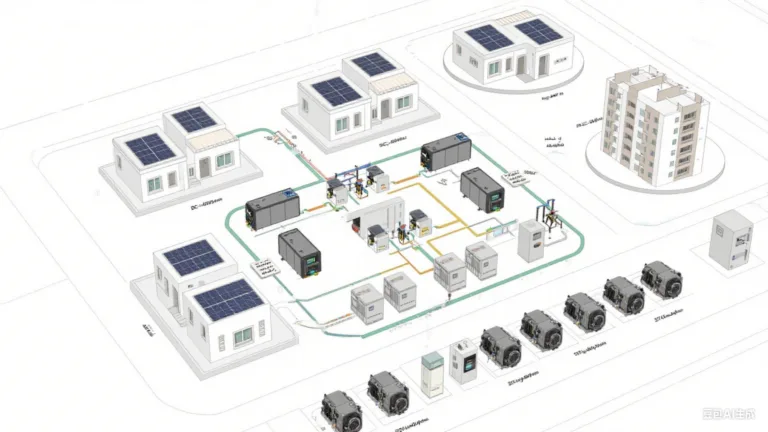
A Sistem Penyimpanan Energi Baterai (TERBAIK) adalah pengaturan yang lebih kompleks yang tidak hanya mencakup baterai tetapi juga komponen lain seperti inverter, sistem manajemen baterai (BMS), dan seringkali koneksi ke jaringan pintar. BESS digunakan untuk menyimpan energi listrik dan kemudian melepaskannya bila diperlukan, memberikan stabilitas dan keandalan energi untuk rumah, bisnis, dan bahkan utilitas.
Bagaimana Sistem Penyimpanan Energi Baterai (TERBAIK) Bekerja?
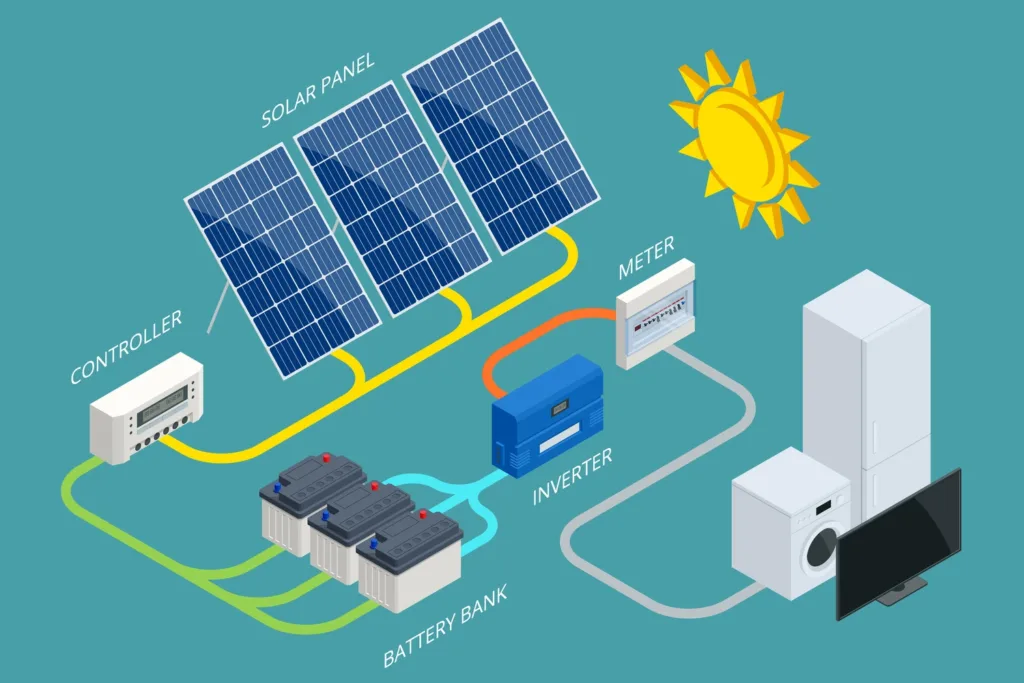
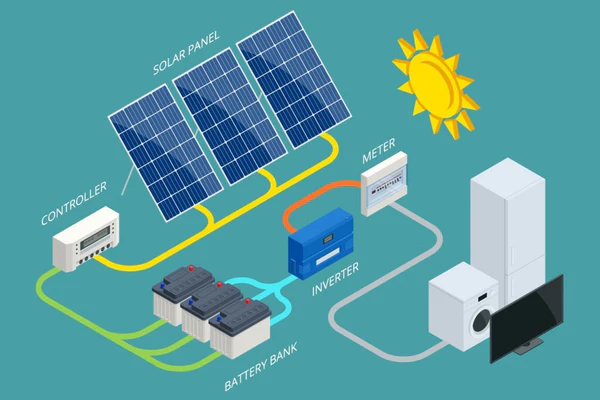
- Penangkapan Energi: Panel surya menangkap sinar matahari dan mengubahnya menjadi listrik. Listrik ini digunakan segera atau disimpan dalam baterai.
- Penyimpanan Energi: Ketika energi tidak segera dibutuhkan, itu diarahkan ke baterai, di mana ia disimpan sebagai DC (arus searah) listrik.
- Konversi Inverter: Inverter digunakan untuk mengubah listrik DC menjadi AC (arus bolak-balik), yang merupakan bentuk listrik yang digunakan sebagian besar peralatan dan sistem.
- Pelepasan Energi: Ketika kebutuhan energi melebihi pembangkitan (misalnya, pada malam hari atau saat cuaca mendung), energi yang tersimpan diambil dari baterai, melewati inverter, dan disuplai ke gedung atau jaringan.
- Pemantauan Cerdas: Banyak BESS yang terintegrasi dengan Sistem Manajemen Baterai (BMS) dan/atau perangkat lunak manajemen energi. Sistem ini membantu mengoptimalkan siklus pengisian dan pengosongan, memantau kesehatan baterai, dan memastikan bahwa sistem beroperasi secara efisien dan aman.
Kesimpulan
Penyimpanan baterai energi surya, khususnya dengan baterai litium, adalah terobosan dalam mencapai kemandirian dan keberlanjutan energi. Namun, memahami kondisi penyimpanan yang tepat, keterbatasan potensial, dan masalah keselamatan sangat penting untuk memaksimalkan masa pakai dan keamanan sistem energi surya Anda. Sistem Penyimpanan Energi Baterai (TERBAIK) menawarkan solusi komprehensif untuk meningkatkan penyimpanan dan keandalan energi, membantu pengguna mengelola konsumsi energi mereka dengan lebih efisien. Dengan pengaturan dan tindakan pencegahan yang tepat, penyimpanan energi surya dapat memberikan keandalan, hemat biaya, dan solusi ramah lingkungan untuk aplikasi perumahan dan komersial.
Kalkulator Surya:https://tapakhero.com/solar-calculators
Temukan Kekuatan Sistem Penyimpanan Energi: 5 Manfaat Utama yang Perlu Anda Ketahui
10Baterai LiFePO4 kWh 10Biaya Baterai Tenaga Surya kWh di Myanmar 25Sistem Baterai kWh Semua dalam Satu Kontainer BESS 4MWh Saudi Produsen BESS Cina Baterai Rumah Termurah Solusi BESS Tiongkok Grosir DDP Cina Baterai LiFePO4 Pabrik Cina BESS Skala Grid Cina Pemasok OEM Cina Penyimpanan Baterai Komersial Kenya Solusi DC ESS Solusi DDP Langsung ke DRC Arahkan Tiongkok ke Afrika Baterai Direct China ke Afrika baterai penyimpan energi Sistem Penyimpanan Energi Pemimpin Baterai Lithium Global Baterai Kelas A Pemasok Penyimpanan Baterai Skala Grid Baterai Rumah untuk Keluarga Belanda penyimpanan energi rumah Industri BESS Kenya Asam Timbal vs. Baterai Litium-Ion LiFePO4 baterai LiFePO4 Baterai LiFePO4 di Afrika Selatan Baterai LifePo4 Teknologi Baterai LifePO4 Distributor LiFePO4 di Irak LiFePO4 ESS Kenya Baterai Litium-Ion baterai ion lithium Harga Lebih Rendah Tren Pasar Kabinet Pendingin Cairan Luar Ruangan Pengadaan LiFePO4 Saudi Solusi BESS yang Skalabel untuk Industri Panel Surya tata surya Menumpuk All-in-One Baterai Surya LiFePO4 Grosir Grosir Baterai Tenaga Surya

Satu Komentar