
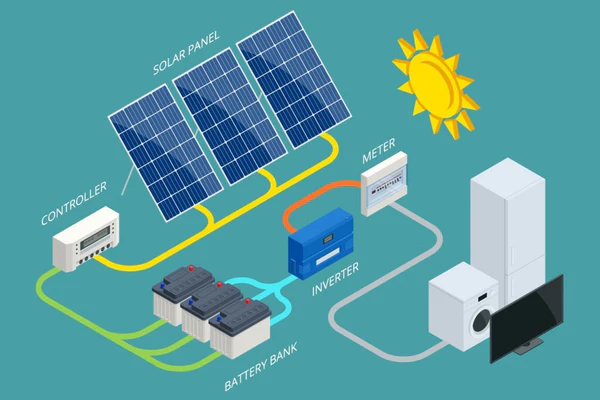
Cara Menghitung Kapasitas Baterai Tenaga Surya? 3 Langkah-langkah untuk Menyempurnakan Ukuran
(Panduan Praktis untuk Rumah dan Bisnis Afrika, dengan Fokus di Afrika Selatan)
Menyesuaikan Kapasitas Baterai Tenaga Surya dengan Jadwal Pelepasan Beban di Afrika
Di wilayah seperti Afrika Selatan dan bagian lain Afrika, seringnya pemadaman listrik dan jaringan listrik yang tidak dapat diandalkan membuat sistem energi surya menjadi penyelamat bagi rumah dan bisnis. Komponen penting dari setiap pengaturan tenaga surya adalah baterai, yang menyimpan energi untuk digunakan saat matahari tidak bersinar. Namun, Memilih kapasitas baterai yang salah bisa mengakibatkan uang terbuang percuma, daya yang tidak mencukupi, atau memperpendek masa pakai baterai.
Panduan ini menguraikan proses penghitungan kapasitas baterai surya menjadi tiga langkah sederhana, disesuaikan dengan kebutuhan energi unik Afrika, iklim, dan potensi surya.

Melangkah 1: Tentukan Konsumsi Energi Harian Anda
Sebelum mengukur baterai Anda, kamu perlu tahuberapa banyak energi yang digunakan rumah tangga atau bisnis Anda setiap hari.
- Daftar semua peralatan listrik Anda berencana untuk menggunakan tenaga surya.
- Peralatan khas di rumah tangga Afrika: lampu LED (5–10W), lemari es (100–200W), TV (50–100W), penggemar (50W), pengisi daya ponsel (10W), dan pompa air kecil (200–500W).
- Untuk bisnis: Komputer, router, kamera keamanan, atau mesin.
- Hitung penggunaan energi harian (dalam watt-jam, Ap):
- Kekuatan (W) × Jam penggunaan per hari = Energi harian per alat.
- Contoh:
- 5 lampu LED (10masing-masing W) × 6 jam = 300 Ap
- Lemari es (150W) × 24 jam (siklus hidup/mati) ≈ 900 Ap
- televisi (80W) × 4 jam = 320 Ap
- Jumlah energi harian = 300 + 900 + 320 = 1,520 Ap (1.52 kWh)
- Pertimbangkan inefisiensi:
- Tata surya kehilangan energi karena inefisiensi inverter (~10–20%) dan kerugian pengisian/pengosongan baterai (~10–15%).
- Kalikan total energi harian dengan1.3 (30% penyangga):
- 1.52 kWh× 1.3 = ~2 kWh per hari.
Melangkah 2: Hitung Kapasitas Baterai Berdasarkan Hari Otonomi
Kapasitas baterai tergantung padaberapa hari Anda memerlukan daya cadangan (hari otonomi). Di Afrika Selatan, dimana pelepasan beban sering terjadi, 2–Otonomi 3 hari praktis.
1.Rumus:
Kapasitas baterai(kWh)=Energi Harian(kWh)×Hari Otonomi
- Contoh: Untuk 2 hari otonomi:
2 kWh/hari×2 hari=4 kWh
2.Ubah kWh menjadi Amp-Jam (ah):
- Baterai diberi nilai dalam Ah pada tegangan tertentu (misalnya, 12V, 24V, 48V).
- Rumus:

- Contoh: Untuk sistem 48V:

3.Faktor Kedalaman Debit (Departemen Pertahanan):
- Kebanyakan baterai (misalnya, litium-ion) tidak boleh mengeluarkan debit di bawah 80–90% DoD. Baterai timbal-asam terbatas pada 50% Departemen Pertahanan.
- Sesuaikan kapasitas:

- Contoh: Untuk litium-ion (90% Departemen Pertahanan):

Melangkah 3: Cocokkan Kapasitas Baterai dengan Output Panel Surya
Baterai Anda harus selaras dengan kemampuan pengisian daya rangkaian panel surya Anda.
- Periksa pembangkit listrik tenaga surya setiap hari:
- Rata-rata Afrika Selatan4–6 jam puncak matahari setiap hari (bervariasi berdasarkan musim).
- Rumus:Keluaran Panel Surya(Ap)=Watt Panel×Jam MatahariOutput Panel Surya(Ap)= Watt Panel× Jam Matahari
- Contoh: 400W panel × 5 jam matahari = 2,000 Ap (2 kWh).
- Pastikan panel dapat mengisi ulang baterai:
- Pembangkit listrik tenaga surya harian harus melebihi penggunaan energi harian.
- Contoh: Jika Anda menggunakan 2 kWh/hari dan menghasilkan 2 kWh/hari, Anda memerlukan kapasitas ekstra untuk hari berawan.
- Perhitungkan perluasan sistem:
- Tambahkan 20–30% kapasitas baterai ekstra untuk kebutuhan masa depan (misalnya, menambahkan peralatan).
Pertimbangan Utama untuk Pengguna di Afrika
- Jenis baterai:
- Litium-ion: Umur lebih panjang (10+ bertahun-tahun), DoD yang lebih tinggi (90%), tapi mahal.
- Asam timbal: Lebih murah tapi umurnya lebih pendek (3–5 tahun) dan menurunkan DoD (50%).
- Suhu:
- Suhu tinggi (umum di Afrika) mengurangi efisiensi baterai. Pasang baterai di tempat yang teduh, area yang berventilasi.
- Dukungan Lokal:
- Pilih merek dengan pusat layanan di wilayah Anda (misalnya, Huawei, Energi Victron, atau pemasok lokal).
Contoh Perhitungan untuk Rumah Tangga Afrika Selatan
- Peralatan: 10 lampu (100W jumlah), kulkas (150W), televisi (80W), penggemar (50W).
- Energi harian: 1.5 kWh + 30% penyangga = 1.95 kWh.
- Otonomi: 2 hari → 3.9 kWh.
- Tegangan baterai: 48V → 3.9 kWh× 1,000 / 48V = 81.25 ah.
- Litium-ion (90% Departemen Pertahanan): 81.25 ah / 0.9 ≈ 90 ah.
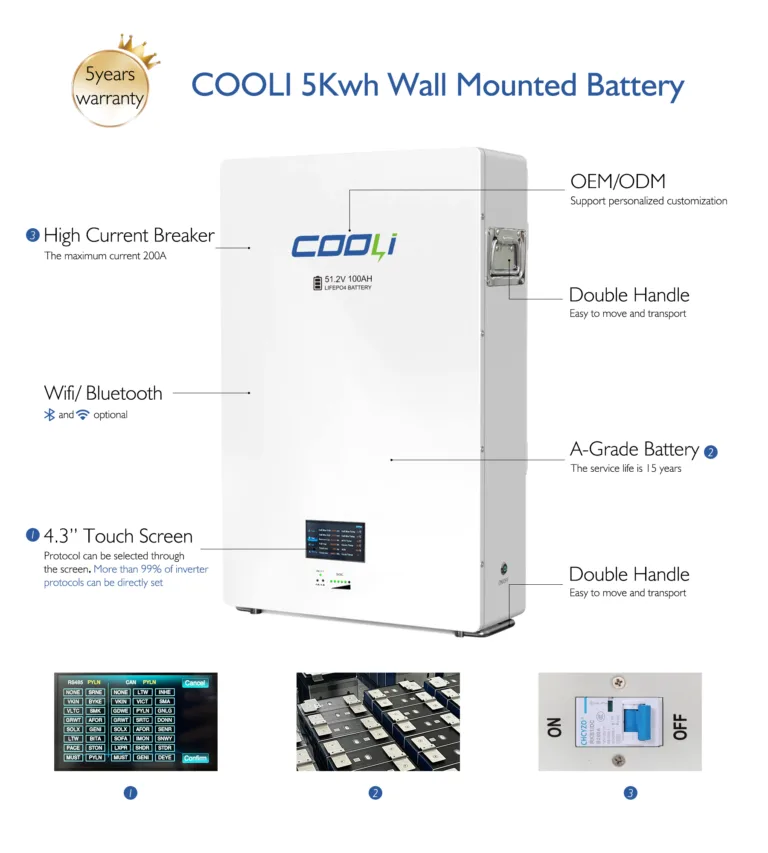
- Baterai yang direkomendasikan: 100 Ah litium-ion (48V).
Kiat Terakhir
- Gunakan alat kalkulator surya untuk presisi.
- Konsultasikan dengan pemasang lokal untuk memvalidasi desain Anda.
- Prioritaskan peralatan hemat energi untuk mengurangi ukuran dan biaya baterai.
Dengan mengikuti langkah-langkah ini, Anda akan memastikan sistem baterai surya Anda memenuhi kebutuhan Anda, bertahan dari pelepasan beban, dan tahan terhadap iklim Afrika. 🌞🔋
Bacaan Lebih Lanjut:
- [Panduan Utama untuk Baterai Lithium 48V 100Ah yang Dipasang di Dinding: Menjawab 5 FAQ Utama]
- [48Baterai Surya V 200Ah Uganda: Mengatasi Pemadaman & Menghemat Biaya]
10Baterai LiFePO4 kWh 10Biaya Baterai Tenaga Surya kWh di Myanmar 25Sistem Baterai kWh Semua dalam Satu Kontainer BESS 4MWh Saudi Produsen BESS Cina Baterai Rumah Termurah Solusi BESS Tiongkok Grosir DDP Cina Baterai LiFePO4 Pabrik Cina BESS Skala Grid Cina Pemasok OEM Cina Penyimpanan Baterai Komersial Kenya Solusi DC ESS Solusi DDP Langsung ke DRC Arahkan Tiongkok ke Afrika Baterai Direct China ke Afrika baterai penyimpan energi Sistem Penyimpanan Energi Pemimpin Baterai Lithium Global Baterai Kelas A Pemasok Penyimpanan Baterai Skala Grid Baterai Rumah untuk Keluarga Belanda penyimpanan energi rumah Industri BESS Kenya Asam Timbal vs. Baterai Litium-Ion LiFePO4 baterai LiFePO4 Baterai LiFePO4 di Afrika Selatan Baterai LifePo4 Teknologi Baterai LifePO4 Distributor LiFePO4 di Irak LiFePO4 ESS Kenya Baterai Litium-Ion baterai ion lithium Harga Lebih Rendah Tren Pasar Kabinet Pendingin Cairan Luar Ruangan Pengadaan LiFePO4 Saudi Solusi BESS yang Skalabel untuk Industri Panel Surya tata surya Menumpuk All-in-One Baterai Surya LiFePO4 Grosir Grosir Baterai Tenaga Surya
Satu Komentar