
Baterai Lithium di Tata Surya: 5 Manfaat Utama untuk Meningkatkan Efisiensi 90%
Baterai litium telah merevolusi penyimpanan energi surya, menawarkan kinerja unggul dibandingkan rekan-rekan asam timbal tradisional. Di bawah ini adalah eksplorasi rinci peran mereka dalam tata surya, didukung oleh wawasan teknis dan aplikasi dunia nyata.
1. Keuntungan Inti dari Baterai Lithium di Tata Surya
A. Efisiensi Tinggi & Kepadatan Energi
- Efisiensi Pulang Pergi: Baterai litium mencapai efisiensi 95–99%., dibandingkan dengan 70-85% untuk asam timbal, meminimalkan kehilangan energi selama siklus pengisian/pengosongan 13.
- Kepadatan Energi: Paket litium menyimpan energi 3× lebih banyak per satuan volume, mengurangi kebutuhan ruang sebesar 70% 18. Misalnya, A 5.12 Sistem litium kWh menempati separuh ruang pengaturan timbal-asam dengan kapasitas serupa.
B. Umur yang Diperpanjang & Efektivitas Biaya
- Siklus Hidup: LiFePO4 (litium besi fosfat) baterai bertahan 2.000–10.000 siklus pada 80% kedalaman pembuangan (Departemen Pertahanan), asam timbal yang lebih tahan lama (300–500 siklus pada 50% Departemen Pertahanan) 13. Lebih 15 bertahun-tahun, biaya di muka litium (2–3× lebih tinggi) diimbangi dengan lebih sedikit penggantian, menghasilkan biaya seumur hidup 40–50% lebih rendah3.
- Bebas Perawatan: Berbeda dengan baterai timbal-asam yang memerlukan isi ulang air dan pemeriksaan sulfasi, sistem lithium beroperasi tanpa perawatan 28.
C. Pengisian Cepat & Ketahanan Suhu
- Kecepatan Pengisian: Litium mengisi daya dalam 2–5 jam vs. 8–10 jam untuk asam timbal, memungkinkan penangkapan energi yang cepat selama puncak sinar matahari 13.
- Kisaran Suhu: Beroperasi secara efisien pada suhu -20°C hingga 60°C (-4°F hingga 140°F) untuk pembuangan dan 0°C hingga 49°C (32°F hingga 120°F) untuk mengisi daya. Model tingkat lanjut mencakup pemanasan sendiri untuk lingkungan di bawah nol derajat 38.
2. Aplikasi dalam Tata Surya
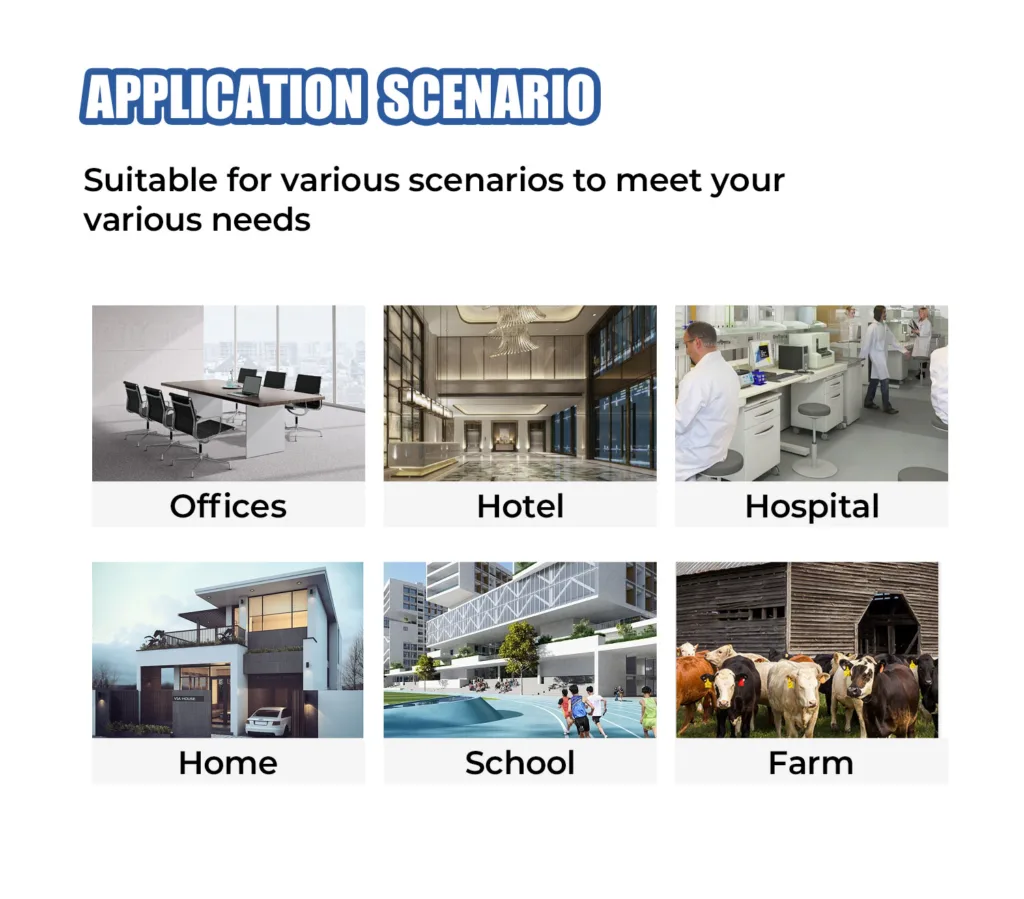
A. Perumahan & Penyimpanan Tenaga Surya Komersial
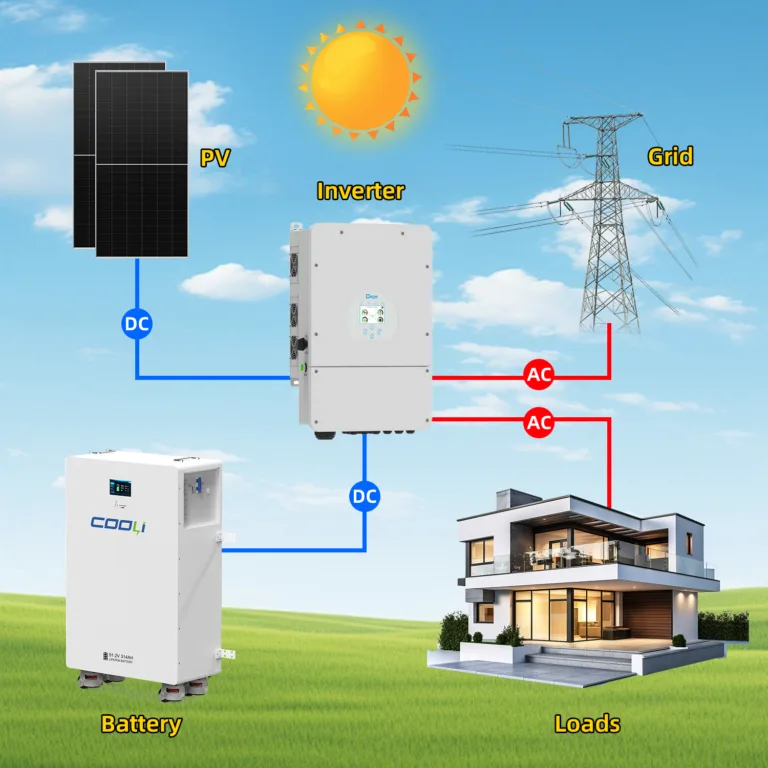
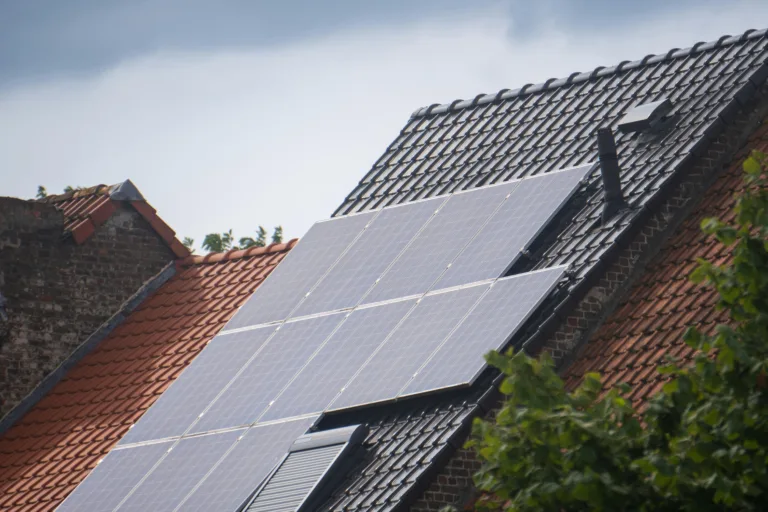
- Kemandirian Energi: Simpan kelebihan tenaga surya untuk penggunaan malam hari atau pemadaman jaringan listrik, mengurangi ketergantungan pada jaringan utilitas 48.
- Skalabilitas: Sistem litium modular (misalnya, Unit BSLBATT 5,12kWh–10,24kWh) memungkinkan perluasan kapasitas yang mudah8.
B. Di Luar Jaringan & Solusi Jarak Jauh
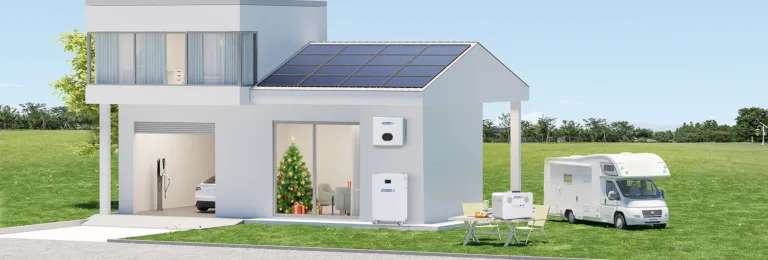
- Berkemah/RV: Paket litium ringan (60% lebih ringan dari timbal-asam) ideal untuk pengaturan seluler 8.
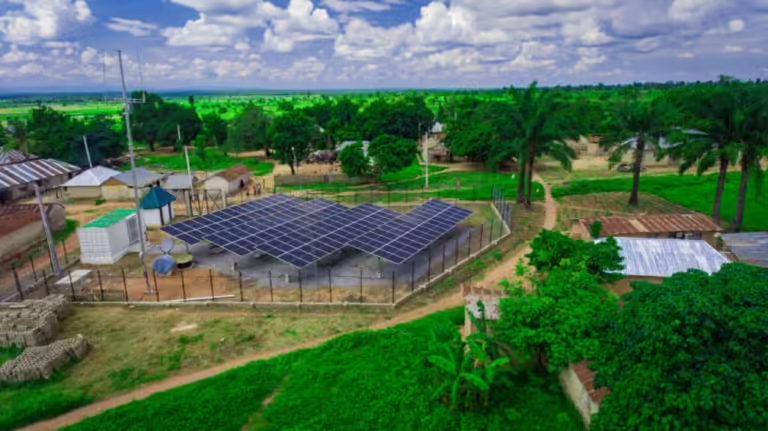
- Cadangan Industri: Digunakan dalam telemetri, pemantauan jarak jauh, dan infrastruktur penting karena keandalan dan umur panjang 24.
C. Dukungan Jaringan & mikrogrid
- Pencukuran Puncak: Mengurangi kebutuhan jaringan listrik selama periode energi tinggi dengan memanfaatkan energi surya yang tersimpan4.
- Regulasi Frekuensi: Respon cepat litium menstabilkan jaringan listrik dalam sistem hibrida terbarukan 10.
3. Inovasi Mendorong Adopsi
A. Sistem Penyimpanan Tenaga Surya Terintegrasi
- Desain Monolitik: Para peneliti telah menggabungkan sel surya silikon dengan baterai lithium solid-state, mencapai 15.8% efisiensi tenaga surya ke penyimpanan. Sistem ini masuk 45 detik di bawah sinar matahari dan mempertahankan tingkat debit yang tinggi (28C) 9.
B. Solid-State & Teknologi Paduan Lithium
- Baterai Solid-State: Tawarkan peningkatan keamanan dengan mengganti elektrolit cair yang mudah terbakar. Studi terbaru menyoroti tantangan-tantangan yang ada (misalnya, Dendrit Li-In dalam elektrolit sulfida), namun kemajuan dalam rekayasa antarmuka menunjukkan 710 menjanjikan.
- Sel Surya yang Didoping Lithium: Meningkatkan ketahanan radiasi untuk aplikasi luar angkasa, memungkinkan pemulihan diri dari kerusakan partikel berenergi tinggi6.
C. Keberlanjutan & Daur ulang
- Jejak Karbon Lebih Rendah: Sistem litium mengurangi emisi gas rumah kaca sebesar 43–57% dibandingkan dengan sistem timbal-asam selama siklus hidupnya 10.
- Infrastruktur Daur Ulang: Inisiatif yang berkembang mulai pulih >90% litium, kobalt, dan nikel, mengatasi kelangkaan sumber daya 10.
4. Tantangan & Pandangan Masa Depan
A. Keterbatasan Saat Ini
- Biaya di Muka: Investasi awal masih tinggi, padahal harga sudah turun 80% sejak tahun 20108.
- Pengisian Dingin: Membutuhkan sistem pemanas di bawah 0°C, menambah kompleksitas 3.
B. Tren yang Muncul
- Hibrida Natrium-Ion: Lebih murah dan lebih melimpah dibandingkan litium, baterai natrium-ion (SIB) mendapatkan daya tarik untuk penyimpanan jaringan berbiaya rendah, meskipun kepadatan energi tertinggal 10.
- Manajemen Berbasis AI: BMS yang cerdas (Sistem Manajemen Baterai) mengoptimalkan siklus pengisian daya dan memprediksi kegagalan, memperpanjang umur 14.
5. Panduan Keputusan: Apakah Litium Tepat untuk Anda?
| Faktor | Litium | Asam Timbal |
|---|---|---|
| Biaya Awal | Tinggi (1,750–1.750–2.500/kWh) | Rendah (500–500–1.000/kWh) |
| Biaya Seumur Hidup | Lebih rendah (10–15 tahun) | Lebih tinggi (3–5 tahun) |
| Ruang/Berat | Kompak, ringan | Tebal, berat |
| Pemeliharaan | Tidak ada | Pemeriksaan rutin |
| Dampak Lingkungan | Jejak karbon yang lebih rendah | Risiko polusi timbal |
Rekomendasi: Pilih litium untuk penghematan jangka panjang, efisiensi tinggi, dan skalabilitas. Pilihlah timbal-asam hanya jika kendala anggaran lebih besar daripada kebutuhan kinerja.
10Baterai LiFePO4 kWh 10Biaya Baterai Tenaga Surya kWh di Myanmar 25Sistem Baterai kWh Semua dalam Satu Kontainer BESS 4MWh Saudi Produsen BESS Cina Baterai Rumah Termurah Solusi BESS Tiongkok Grosir DDP Cina Baterai LiFePO4 Pabrik Cina BESS Skala Grid Cina Pemasok OEM Cina Penyimpanan Baterai Komersial Kenya Solusi DC ESS Solusi DDP Langsung ke DRC Arahkan Tiongkok ke Afrika Baterai Direct China ke Afrika baterai penyimpan energi Sistem Penyimpanan Energi Pemimpin Baterai Lithium Global Baterai Kelas A Pemasok Penyimpanan Baterai Skala Grid Baterai Rumah untuk Keluarga Belanda penyimpanan energi rumah Industri BESS Kenya Asam Timbal vs. Baterai Litium-Ion LiFePO4 baterai LiFePO4 Baterai LiFePO4 di Afrika Selatan Baterai LifePo4 Teknologi Baterai LifePO4 Distributor LiFePO4 di Irak LiFePO4 ESS Kenya Baterai Litium-Ion baterai ion lithium Harga Lebih Rendah Tren Pasar Kabinet Pendingin Cairan Luar Ruangan Pengadaan LiFePO4 Saudi Solusi BESS yang Skalabel untuk Industri Panel Surya tata surya Menumpuk All-in-One Baterai Surya LiFePO4 Grosir Grosir Baterai Tenaga Surya
Satu Komentar