
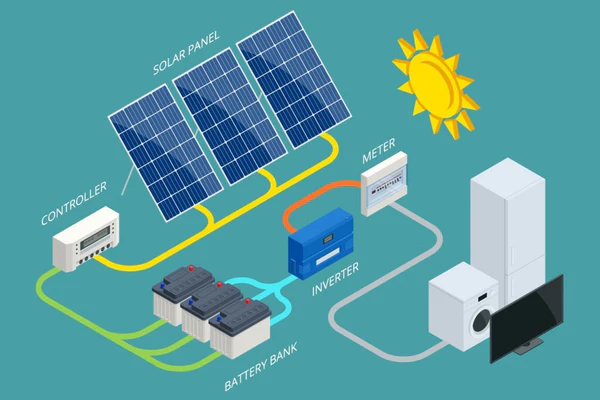
Нарны батерейны хүчин чадлыг хэрхэн тооцоолох вэ? 3 Хэмжээг төгс болгох алхамууд
(A Practical Guide for African Homes and Businesses, with a Focus on South Africa)
Matching Solar Battery Capacity to Load-Shedding Schedules in Africa
In regions like South Africa and other parts of Africa, frequent power outages and unreliable grid electricity make solar energy systems a lifeline for homes and businesses. A critical component of any solar setup is the battery, which stores energy for use when the sun isn’t shining. Гэсэн хэдий ч, choosing the wrong battery capacity can lead to wasted money, insufficient power, or shortened battery life.
This guide breaks down the process of calculating solar battery capacity into three simple steps, tailored to Africa’s unique energy needs, climate, and solar potential.

Алхам 1: Determine Your Daily Energy Consumption
Before sizing your battery, you need to knowhow much energy your household or business uses daily.
- List all electrical appliances you plan to power with solar.
- Typical appliances in African households: LED lights (5–10W), refrigerators (100–200W), TVs (50–100W), шүтэн бишрэгчид (50В), mobile chargers (10В), and small water pumps (200–500W).
- Бизнес эрхлэгчдэд зориулсан: Computers, routers, security cameras, or machinery.
- Calculate daily energy use (in watt-hours, Wh):
- Хүч (В) × Hours of use per day = Daily energy per appliance.
- Жишээ:
- 5 LED lights (10W тус бүр) × 6 hours = 300 Wh
- Refrigerator (150В) × 24 цаг (cycles on/off) ≈ 900 Wh
- ТВ (80В) × 4 hours = 320 Wh
- Total daily energy = 300 + 900 + 320 = 1,520 Wh (1.52 кВт.ц)
- Factor in inefficiencies:
- Solar systems lose energy due to inverter inefficiency (~10–20%) and battery charging/discharging losses (~10–15%).
- Multiply total daily energy by1.3 (30% buffer):
- 1.52 kWh × 1.3 = ~2 kWh per day.
Алхам 2: Calculate Battery Capacity Based on Autonomy Days
Battery capacity depends onhow many days you need backup power (autonomy days). In South Africa, where load-shedding is common, 2–3 days of autonomy is practical.
1.Томъёо:
Зайны багтаамж(кВт.ц)=Daily Energy(кВт.ц)×Autonomy Days
- Жишээ: Учир нь 2 days of autonomy:
2 kWh/day×2 days=4 kWh
2.Convert kWh to Amp-Hours (Аа):
- Batteries are rated in Ah at a specific voltage (жишээ нь, 12В, 24В, 48В).
- Томъёо:

- Жишээ: For a 48V system:

3.Factor in Depth of Discharge (DoD):
- Most batteries (жишээ нь, лити-ион) should not discharge below 80–90% DoD. Lead-acid batteries are limited to 50% DoD.
- Adjust capacity:

- Жишээ: Лити-ионы хувьд (90% DoD):

Алхам 3: Match Battery Capacity to Solar Panel Output
Your battery must align with your solar panel array’s charging capability.
- Check daily solar generation:
- South Africa averages4–6 peak sun hours daily (varies by season).
- Томъёо:Solar Panel Output(Wh)=Panel Wattage×Sun HoursSolar Panel Output(Wh)=Panel Wattage×Sun Hours
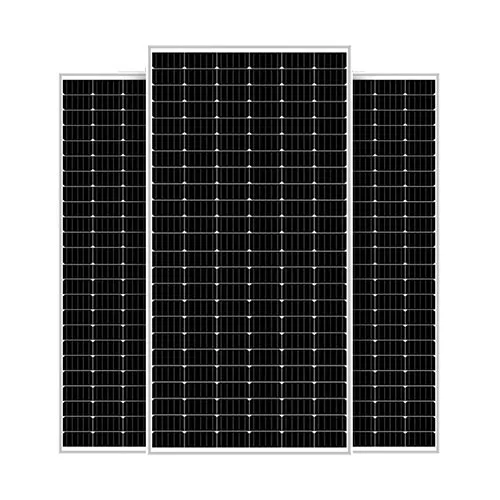
- Жишээ: 400W panels × 5 sun hours = 2,000 Wh (2 кВт.ц).
- Ensure panels can recharge the battery:
- Daily solar generation should exceed daily energy use.
- Жишээ: If you use 2 kWh/day and generate 2 kWh/day, you’ll need extra capacity for cloudy days.
- Account for system expansion:
- Add 20–30% extra battery capacity for future needs (жишээ нь, adding appliances).
Key Considerations for African Users
- Зайны төрөл:
- Лити-ион: Longer lifespan (10+ жил), higher DoD (90%), but costly.
- Хар тугалга-хүчил: Cheaper but shorter lifespan (3–5 years) and lower DoD (50%).
- Температур:
- High temperatures (common in Africa) reduce battery efficiency. Install batteries in shaded, ventilated areas.
- Орон нутгийн дэмжлэг:
- Choose brands with service centers in your region (жишээ нь, Huawei, Victron Energy, or local suppliers).
Example Calculation for a South African Household
- Appliances: 10 гэрэл (100W total), fridge (150В), ТВ (80В), fan (50В).
- Daily energy: 1.5 кВт.ц + 30% buffer = 1.95 кВт.ц.
- Autonomy: 2 days → 3.9 кВт.ц.
- Battery voltage: 48V → 3.9 kWh × 1,000 / 48V = 81.25 Аа.
- Лити-ион (90% DoD): 81.25 Аа / 0.9 ≈ 90 Аа.
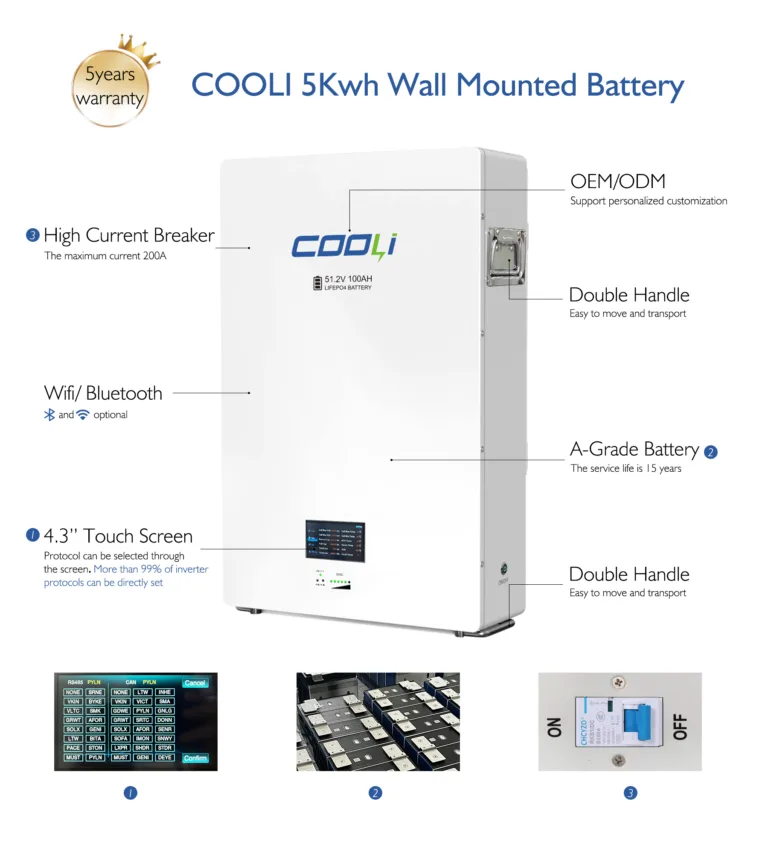
- Санал болгож буй батерей: 100 Ah lithium-ion (48В).
Final Tips
- Use a solar calculator tool for precision.
- Consult local installers to validate your design.
- Prioritize energy-efficient appliances to reduce battery size and cost.
By following these steps, you’ll ensure your solar battery system meets your needs, survives load-shedding, and withstands Africa’s climate. 🌞🔋
Further Reading:
- [48V 100Ah лити батерейны хананд суурилуулсан шилдэг гарын авлага: Хариулах 5 Түлхүүр асуултууд]
- [48V 200Ah Solar Battery Uganda: Solve Outages & Save Costs]
10кВт цаг LiFePO4 батерей 10кВт.ц нарны зайны үнэ Мьянмарын 25кВт.ц батерейны систем Бүгд нэгд BESS чингэлэг 4МВт цаг Саудын BESS үйлдвэрлэгч Хятад Гэрийн хамгийн хямд батерей Хятадын BESS Solutions Хятад DDP бөөний худалдаа Хятад үйлдвэр LiFePO4 батерей Хятадын сүлжээний масштабтай BESS Хятадын OEM нийлүүлэгчид Арилжааны батерейны агуулах Кени DC ESS шийдэл DDP шийдэл DRC руу шууд Хятадыг Африк руу чиглүүлэх Хятадыг Африк руу чиглүүлэх батерей эрчим хүч хадгалах зай Эрчим хүч хадгалах системүүд Дэлхийн лити батерейны удирдагчид А зэрэглэлийн батерей Торон масштабтай батерей хадгалах нийлүүлэгч Голланд гэр бүлд зориулсан гэрийн батерей гэрийн эрчим хүчний хадгалалт Аж үйлдвэрийн BESS Кени Хар тугалга-хүчил vs. Лити-ион батерей LiFePO4 LiFePO4 батерей Өмнөд Африк дахь LiFePO4 батерей LifePo4 батерей LifePO4 батерейны технологи Ирак дахь LiFePO4 дистрибьютер LiFePO4 ESS Кени Лити-ион батерей лити ион батерей Бага үнэ Зах зээлийн чиг хандлага Гадна шингэн хөргөх кабинет Саудын Арабын LiFePO4 худалдан авалт Аж үйлдвэрт зориулсан өргөтгөх боломжтой BESS шийдлүүд Нарны хавтан нарны систем Бүгдийг нэг дор цуглуулах LiFePO4 нарны зайны бөөний худалдаа Нарны батерейны бөөний худалдаа

Нэг сэтгэгдэл