
Betri za Lithium katika Mifumo ya Jua: 5 Faida Muhimu za Kuongeza Ufanisi 90%
Betri za lithiamu wameleta mapinduzi makubwa katika hifadhi ya nishati ya jua, inayotoa utendaji wa hali ya juu kuliko wenzao wa jadi wa asidi-asidi. Chini ni uchunguzi wa kina wa jukumu lao katika mifumo ya jua, inayoungwa mkono na maarifa ya kiufundi na matumizi ya ulimwengu halisi.

1. Faida kuu za Betri za Lithium katika Mifumo ya Jua
A. Ufanisi wa Juu & Msongamano wa Nishati
- Ufanisi wa Safari za Kurudi: Betri za lithiamu hufikia ufanisi wa 95-99%., ikilinganishwa na 70-85% kwa asidi ya risasi, kupunguza upotevu wa nishati wakati wa mizunguko ya kuchaji/kutoa 13.
- Msongamano wa Nishati: Vifurushi vya lithiamu huhifadhi nishati 3x zaidi kwa kila kitengo, kupunguza mahitaji ya nafasi kwa 70% 18. Kwa mfano, a 5.12 kWh mfumo wa lithiamu huchukua nusu ya nafasi ya usanidi wa asidi ya risasi na uwezo sawa.
B. Muda wa Maisha uliopanuliwa & Gharama-Ufanisi
- Maisha ya Mzunguko: LiFePO4 (phosphate ya chuma ya lithiamu) betri huvumilia mizunguko 2,000–10,000 saa 80% kina cha kutokwa (DoD), asidi ya risasi ya kudumu (300- mizunguko 500 saa 50% DoD) 13. Zaidi 15 miaka, gharama ya awali ya lithiamu (2-3 × juu) inarekebishwa na uingizwaji chache, kutoa 40-50% gharama ya chini ya maisha 3.
- Bila Matengenezo: Tofauti na betri za asidi ya risasi zinazohitaji kujazwa tena kwa maji na ukaguzi wa sulfation, mifumo ya lithiamu inafanya kazi bila matengenezo sifuri 28.
C. Kuchaji Haraka & Ustahimilivu wa Joto
- Kasi ya Kuchaji: Gharama za Lithium ndani ya saa 2-5 dhidi ya. 8- masaa 10 kwa asidi ya risasi, kuwezesha kunasa nishati haraka wakati wa jua kali 13.
- Kiwango cha Joto: Hufanya kazi kwa ufanisi katika -20°C hadi 60°C (-4°F hadi 140°F) kwa kutokwa na 0 ° C hadi 49 ° C (32°F hadi 120°F) kwa malipo. Miundo ya hali ya juu ni pamoja na kujipasha joto kwa mazingira ya chini ya sufuri 38.
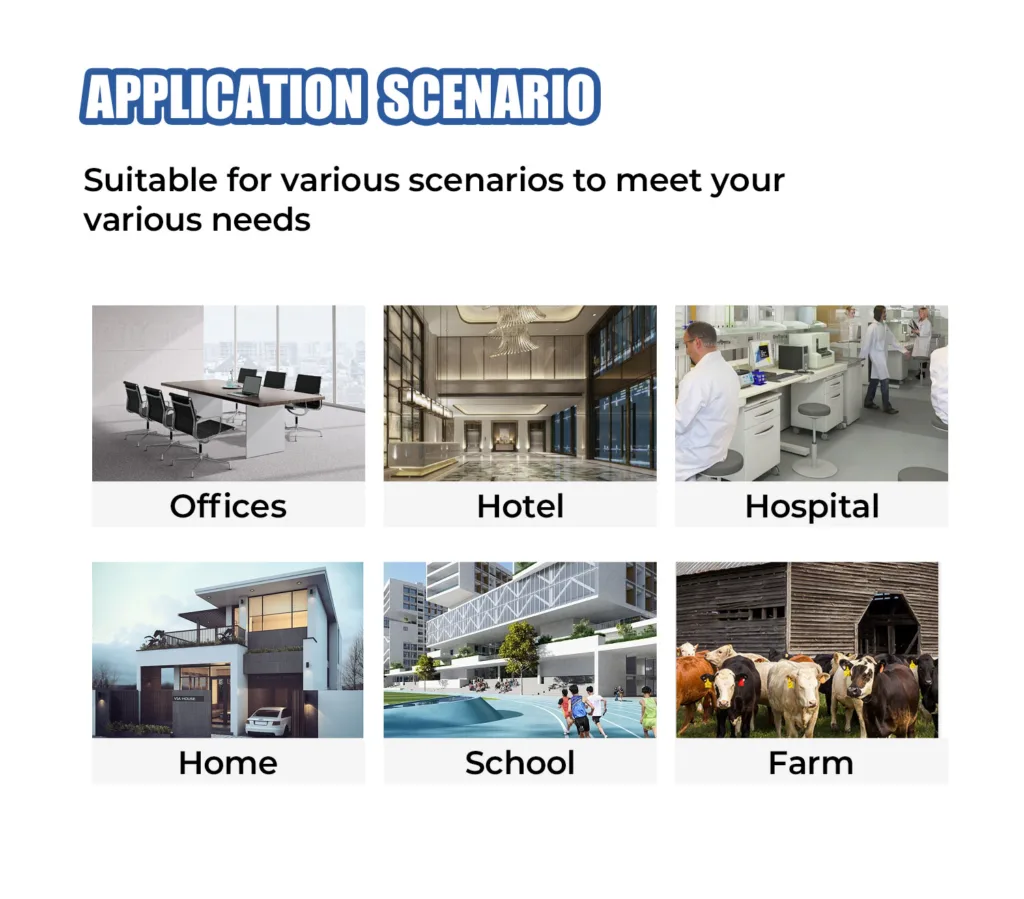
2. Maombi katika Mifumo ya jua
A. Makazi & Hifadhi ya Biashara ya Sola
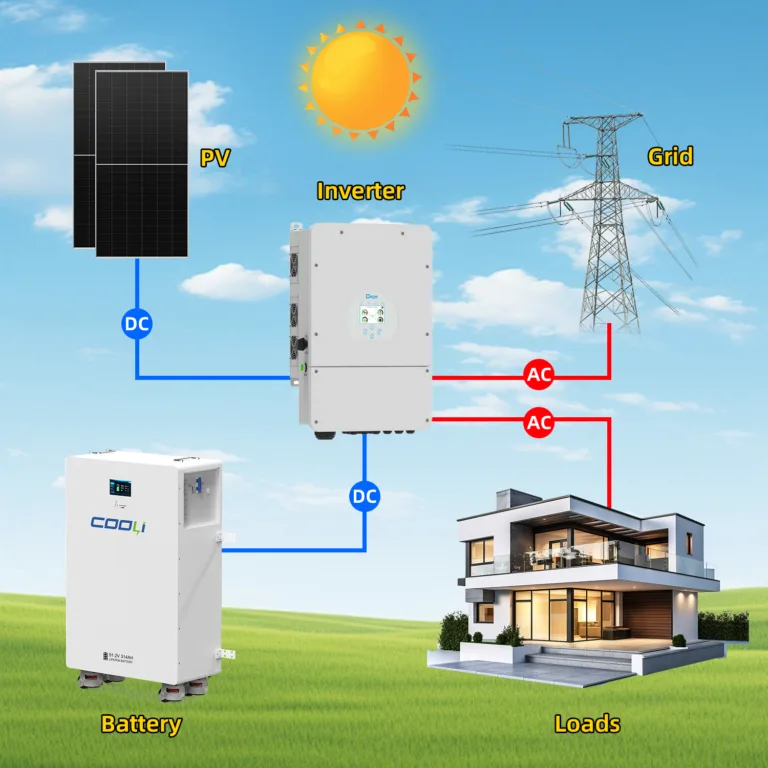
- Uhuru wa Nishati: Hifadhi nishati ya jua ya ziada kwa matumizi ya usiku au kukatika kwa gridi ya taifa, kupunguza utegemezi wa gridi za matumizi 48.
- Scalability: Mifumo ya lithiamu ya msimu (k.m., Vizio vya BSLBATT vya 5.12kWh–10.24kWh) kuruhusu upanuzi wa uwezo rahisi 8.
B. Nje ya Gridi & Ufumbuzi wa Mbali
- Kambi/RVs: Pakiti za lithiamu nyepesi (60% nyepesi kuliko asidi ya risasi) ni bora kwa usanidi wa rununu 8.
- Hifadhi Nakala ya Viwanda: Inatumika katika telemetry, ufuatiliaji wa mbali, na miundombinu muhimu kutokana na kutegemewa na maisha marefu 24.
C. Msaada wa Gridi & Microgridi
- Unyoaji wa Kilele: Kupunguza mahitaji ya gridi ya taifa wakati wa vipindi vya nishati ya juu kwa kugonga nishati ya jua iliyohifadhiwa 4.
- Udhibiti wa Mzunguko: Mwitikio wa haraka wa Lithium hutulia gridi katika mifumo ya mseto inayoweza kurejeshwa 10.

3. Ubunifu wa Kupitishwa kwa Uendeshaji
A. Mifumo Jumuishi ya Uhifadhi wa Jua
- Miundo ya Monolithic: Watafiti wameunganisha seli za jua za silicon na betri za lithiamu za hali dhabiti, kufikia 15.8% ufanisi wa nishati ya jua hadi uhifadhi. Mifumo hii inaingia 45 sekunde chini ya mwanga wa jua na kudumisha viwango vya juu vya kutokwa (28C) 9.
B. Jimbo-Mango & Teknolojia ya Aloi ya Lithium
- Betri za Hali Imara: Toa usalama ulioimarishwa kwa kubadilisha elektroliti za kioevu zinazoweza kuwaka. Tafiti za hivi majuzi zinaangazia changamoto (k.m., Li-In dendrites katika elektroliti za sulfidi), lakini maendeleo katika uhandisi wa kiolesura yanaonyesha ahadi 710.
- Seli za Jua za Lithium-Doped: Kuboresha upinzani wa mionzi kwa matumizi ya nafasi, kuwezesha kujiokoa kutokana na uharibifu wa chembe zenye nishati nyingi 6.
C. Uendelevu & Usafishaji
- Alama ya chini ya Carbon: Mifumo ya lithiamu hupunguza utoaji wa gesi chafuzi kwa 43-57% ikilinganishwa na asidi ya risasi katika mzunguko wa maisha yao 10.
- Miundombinu ya Urejelezaji: Mipango inayokua inapona >90% ya lithiamu, kobalti, na nikeli, kukabiliana na uhaba wa rasilimali 10.
4. Changamoto & Mtazamo wa Baadaye
A. Mapungufu ya Sasa
- Gharama ya awali: Uwekezaji wa awali unabaki juu, ingawa bei zimeshuka 80% tangu 20108.
- Kuchaji kwa Baridi: Inahitaji mifumo ya kuongeza joto chini ya 0°C, kuongeza utata 3.
B. Mitindo inayoibuka
- Mchanganyiko wa Sodiamu-Ion: Nafuu na nyingi zaidi kuliko lithiamu, betri za sodiamu (SIBs) zinapata nguvu kwa uhifadhi wa gridi ya gharama nafuu, ingawa msongamano wa nishati unapungua 10.
- Usimamizi unaoendeshwa na AI: Smart BMS (Mifumo ya Usimamizi wa Betri) kuboresha mizunguko ya malipo na kutabiri kushindwa, kuongeza muda wa maisha 14.
5. Mwongozo wa Uamuzi: Lithium Inafaa Kwako?
| Sababu | Lithiamu | Asidi ya risasi |
|---|---|---|
| Gharama ya Awali | Juu (1,750–1,750–2,500/kWh) | Chini (500–500–1,000/kWh) |
| Gharama ya Maisha | Chini (10- miaka 15) | Juu zaidi (3- miaka 5) |
| Nafasi/Uzito | Compact, nyepesi | Wingi, nzito |
| Matengenezo | Hakuna | Ukaguzi wa mara kwa mara |
| Athari kwa Mazingira | Alama ya chini ya kaboni | Hatari za uchafuzi wa risasi |
Pendekezo: Chagua lithiamu kwa akiba ya muda mrefu, ufanisi wa juu, na scalability. Chagua asidi ya risasi ikiwa tu vikwazo vya bajeti vinazidi mahitaji ya utendaji.
10Betri za kWh LiFePO4 10Gharama za Betri ya jua ya kWh nchini Myanmar 25Mifumo ya Betri ya kWh Yote kwa Moja BESS Container 4MWh Saudi Mtengenezaji wa BESS China Betri ya Nyumbani ya bei nafuu zaidi China BESS Solutions Uchina DDP Jumla Betri za Kiwanda cha China LiFePO4 Gridi ya China ya Kiwango cha BESS Wauzaji wa OEM wa Kichina Hifadhi ya Betri ya Kibiashara Kenya Suluhisho za DC ESS Suluhisho la DDP Moja kwa moja hadi DRC Ielekeze China kwa Afrika Elekeza China kwa Betri ya Afrika betri ya kuhifadhi nishati Mifumo ya Uhifadhi wa Nishati Viongozi wa Betri ya Lithium Ulimwenguni Betri ya daraja A Msambazaji wa Kuhifadhi Betri ya Kiwango cha Gridi Betri za Nyumbani kwa Familia za Uholanzi uhifadhi wa nishati nyumbani Viwanda BESS Kenya Asidi ya risasi dhidi ya. Betri za Lithium-ion LiFePO4 Betri za LiFePO4 Betri za LiFePO4 nchini Afrika Kusini Betri ya LifePo4 Teknolojia ya Betri ya LifePO4 Msambazaji wa LiFePO4 nchini Iraq LiFePO4 ESS Kenya Betri ya Lithium-ion betri ya lithiamu ion Bei za Chini Mitindo ya Soko Baraza la Mawaziri la kupoeza Kioevu cha Nje Ununuzi wa Saudi LiFePO4 Scalable BESS Solutions kwa ajili ya Viwanda Paneli za jua mfumo wa jua Kuweka Zote kwa Moja Betri za Jua za LiFePO4 kwa Jumla Betri za Jua za Jumla
Maoni Moja