
Lithium dhidi ya Betri ya Asidi ya Lead: Ulinganisho wa Kina & Mwongozo wa Kununua【2025】
The Complete Guide to Lithium vs Lead-Acid Battery
In energy storage, betri za lithiamu-ion nabetri za asidi ya risasi dominate the market. Whether for solar systems, magari ya umeme, au vifaa vya viwandani, choosing the right battery type impacts performance, gharama, and long-term efficiency. This article compares these two technologies acrossmaisha ya mzunguko, ufanisi wa malipo, environmental adaptability, na usalama, while addressing FAQs like “What is a sealed lead-acid battery?” and “Which is better?” to help you make informed decisions.
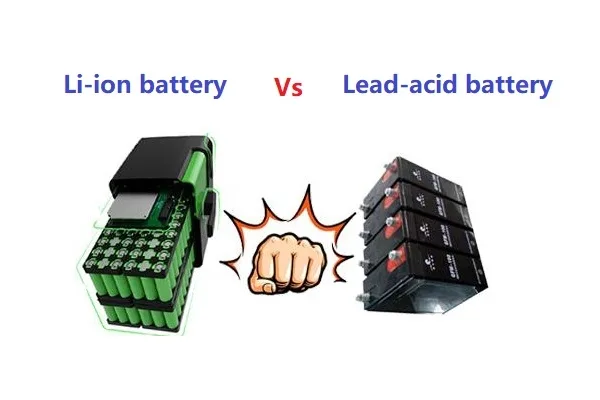
1. Core Differences Between Lead-Acid and Lithium Batteries
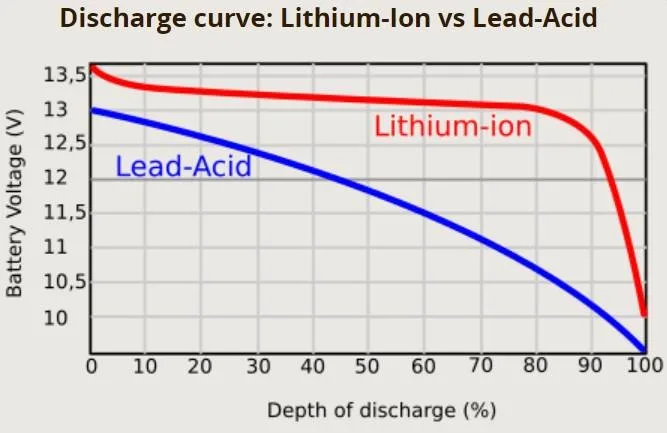
1.1 Maisha ya Mzunguko & Ufanisi wa Gharama
- Lithium-ion (k.m., LiFePO4): 3,000- mizunguko 5,000, retaining 80%+ uwezo baada ya 2,000 mizunguko.
- Asidi ya risasi: 300- mizunguko 500, with capacity often dropping below 50% baada ya 150 mizunguko.
- Cost Insight: Lithium’s upfront cost is 2–3× higher, but its lifespan reduces long-term expenses by 40–50%.
1.2 Kasi ya Kuchaji & Energy Efficiency
- Lithiamu: Charges in2- masaa 5 (99% ufanisi); supports partial “opportunity charging.”
- Asidi ya risasi: Inahitaji8- masaa 10 (50–80% efficiency) and must be fully discharged before recharging to avoid sulfation damage.
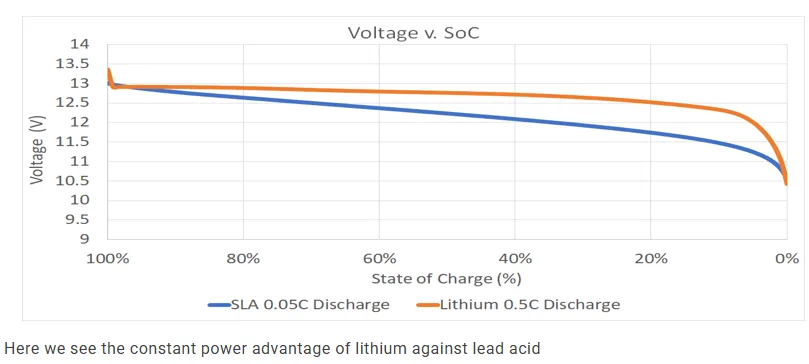
1.3 Uvumilivu wa Joto
- High Heat: Lithium lasts 2× longer than lead-acid at 55°C (131°F).
- Low Temperatures:
- Lithiamu: Inatoa 70% capacity at -18°C (0°F) but cannot charge below 0°C (32°F) without heating systems.
- Asidi ya risasi: Hutoa 45% capacity at -18°C and allows low-current charging in freezing conditions.
1.4 Uzito & Space Efficiency
- Lithium has3× higher energy density, weighing 60% less. Kwa mfano, a 48V/600Ah lithium pack weighs ~700 lbs vs. 1,800 lbs for lead-acid.
2. What Is a Sealed Lead-Acid Battery (VRLA)?
Valve-Regulated Lead-Acid (VRLA) betri are maintenance-free with unique designs:
- Structure: Electrolyte is absorbed in AGM separators or gel, eliminating leaks.
- Usalama: Pressure-relief valves prevent acid spills during overcharging.
- Maombi: Mifumo ya UPS, emergency lighting, vifaa vya matibabu (5–10-year lifespan).
3. Ambayo ni Bora? Key Applications Decoded
✅When to Choose Lithium Batteries
- High-Cycle Applications: Hifadhi ya jua, forklifts (5,000+ cycles reduce replacements).
- Weight-Sensitive Uses: RVs, ndege zisizo na rubani, maombi ya baharini.
- Mazingira Uliokithiri: High-temperature warehouses or cold-chain logistics.
✅When Lead-Acid Batteries Shine
- Budget Constraints: Initial cost is 1/3–1/2 of lithium.
- Low-Maintenance Needs: VRLA batteries suit backup power systems.
- High-Vibration Settings: Robust construction for automotive starter batteries or heavy machinery.
4. Future Trends: Solid-State Lithium & Eco-Innovations
Emerging tech likesolid-state lithium-metal batteries (k.m., Harvard’s 10,000-cycle prototype with 10–20-minute charging) naaqueous batteries (rafiki wa mazingira, isiyoweza kuwaka) promise breakthroughs. Hata hivyo, challenges like dendrite growth and corrosion resistance remain.
5. Quick Comparison Table
| Sababu | Lithium-Ion | Asidi ya risasi |
|---|---|---|
| Gharama ya awali | Juu | Chini |
| Gharama ya Maisha | Chini (maisha marefu) | Juu zaidi (frequent replacement) |
| Muda wa Kuchaji | 2- masaa 5 | 8- masaa 10 |
| Kiwango cha Joto | -20°C–60°C (discharge) | -40°C–50°C (charge limited) |
| Eco-Friendliness | Juu (no lead) | Chini (heavy metal pollution) |
Mwongozo wa Uamuzi: Chagualithiamu for longevity, ufanisi, and portability. Chaguaasidi ya risasi for tight budgets or simple backup needs. For extreme conditions (k.m., subzero charging), ensure battery management systems (BMS) are integrated.
Gundua Zaidi:
With this detailed comparison, you’re equipped to select the optimal energy storage solution! 🔋
10Betri za kWh LiFePO4 10Gharama za Betri ya jua ya kWh nchini Myanmar 25Mifumo ya Betri ya kWh Yote kwa Moja BESS Container 4MWh Saudi Mtengenezaji wa BESS China Betri ya Nyumbani ya bei nafuu zaidi China BESS Solutions Uchina DDP Jumla Betri za Kiwanda cha China LiFePO4 Gridi ya China ya Kiwango cha BESS Wauzaji wa OEM wa Kichina Hifadhi ya Betri ya Kibiashara Kenya Suluhisho za DC ESS Suluhisho la DDP Moja kwa moja hadi DRC Ielekeze China kwa Afrika Elekeza China kwa Betri ya Afrika betri ya kuhifadhi nishati Mifumo ya Uhifadhi wa Nishati Viongozi wa Betri ya Lithium Ulimwenguni Betri ya daraja A Msambazaji wa Kuhifadhi Betri ya Kiwango cha Gridi Betri za Nyumbani kwa Familia za Uholanzi uhifadhi wa nishati nyumbani Viwanda BESS Kenya Asidi ya risasi dhidi ya. Betri za Lithium-ion LiFePO4 Betri za LiFePO4 Betri za LiFePO4 nchini Afrika Kusini Betri ya LifePo4 Teknolojia ya Betri ya LifePO4 Msambazaji wa LiFePO4 nchini Iraq LiFePO4 ESS Kenya Betri ya Lithium-ion betri ya lithiamu ion Bei za Chini Mitindo ya Soko Baraza la Mawaziri la kupoeza Kioevu cha Nje Ununuzi wa Saudi LiFePO4 Scalable BESS Solutions kwa ajili ya Viwanda Paneli za jua mfumo wa jua Kuweka Zote kwa Moja Betri za Jua za LiFePO4 kwa Jumla Betri za Jua za Jumla

2 Maoni