
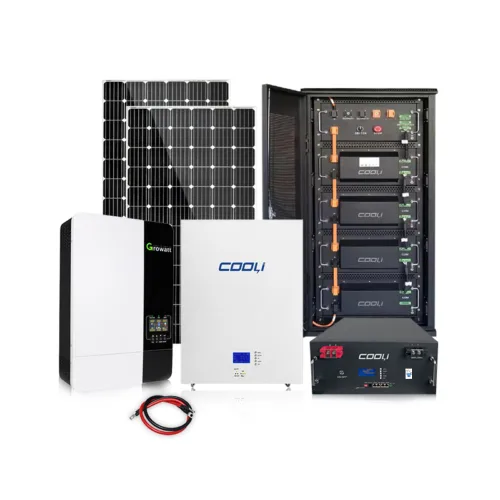
5 ข้อเท็จจริงที่ต้องรู้เกี่ยวกับระบบกักเก็บพลังงาน & ความปลอดภัย
ทำความเข้าใจเกี่ยวกับการจัดเก็บแบตเตอรี่พลังงานแสงอาทิตย์และระบบจัดเก็บพลังงานแบตเตอรี่
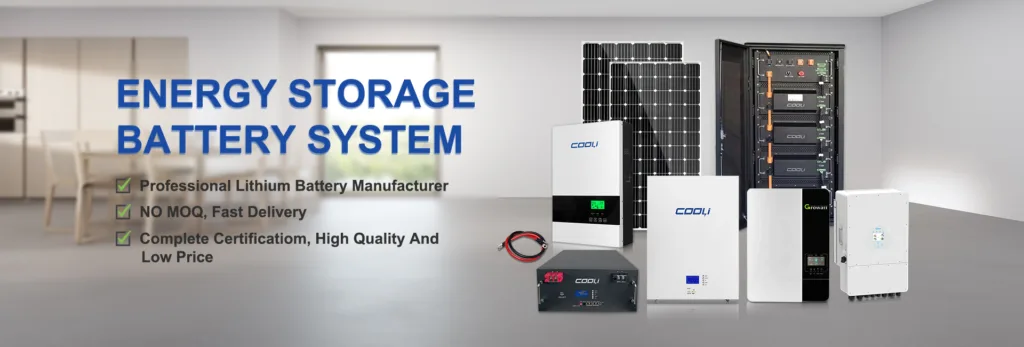
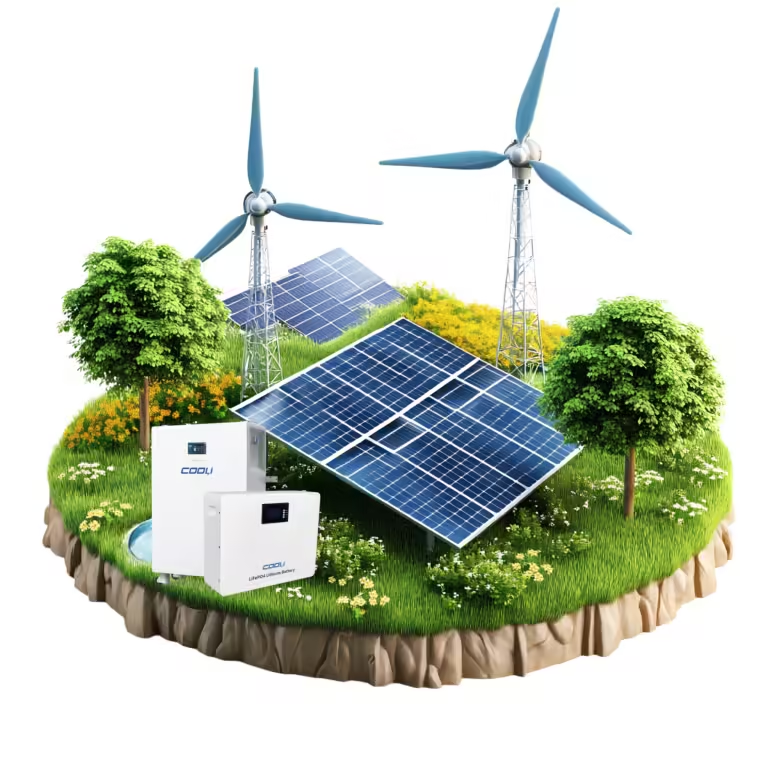
พลังงานแสงอาทิตย์ได้กลายเป็นโซลูชั่นที่โดดเด่นสำหรับการผลิตไฟฟ้าที่ยั่งยืน, และการบูรณาการระบบจัดเก็บแบตเตอรี่ช่วยเพิ่มประสิทธิภาพ. อย่างไรก็ตาม, เช่นเดียวกับเทคโนโลยีใดๆ, มีข้อควรพิจารณาและข้อจำกัดบางประการที่ต้องคำนึงถึงเมื่อต้องจัดการกับการจัดเก็บพลังงานแสงอาทิตย์, โดยเฉพาะเมื่อใช้แบตเตอรี่ลิเธียม. ในบทความนี้, เราจะสำรวจ วิธีเก็บแบตเตอรี่ลิเธียมเพื่อเก็บพลังงานแสงอาทิตย์, ข้อจำกัดของการจัดเก็บแบตเตอรี่พลังงานแสงอาทิตย์, และ อันตรายที่อาจเกิดขึ้น, พร้อมด้วยการทำงานของก ระบบจัดเก็บพลังงานแบตเตอรี่ (เบส).
การจัดเก็บแบตเตอรี่พลังงานแสงอาทิตย์คืออะไร?
การจัดเก็บแบตเตอรี่พลังงานแสงอาทิตย์หมายถึงกระบวนการจับไฟฟ้าส่วนเกินที่เกิดจากแผงโซลาร์เซลล์และเก็บไว้ในแบตเตอรี่เพื่อใช้ในภายหลัง. ช่วยให้มีอิสระด้านพลังงานมากขึ้น, เนื่องจากพลังงานที่สะสมไว้สามารถนำมาใช้ในเวลาที่ดวงอาทิตย์ไม่ส่องแสง เช่น ในเวลากลางคืนหรือในวันที่มีเมฆมาก.
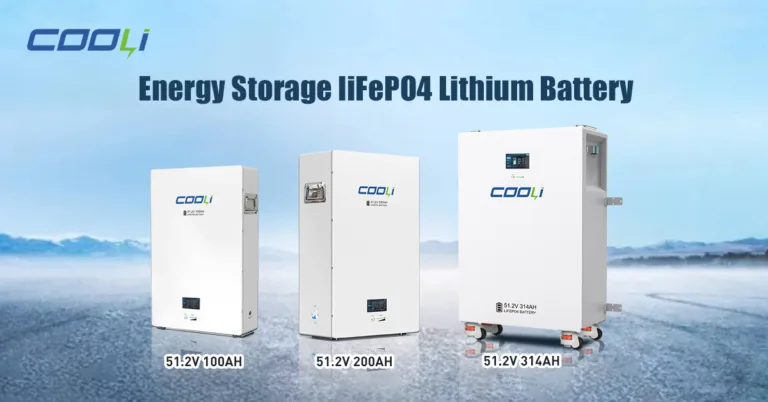
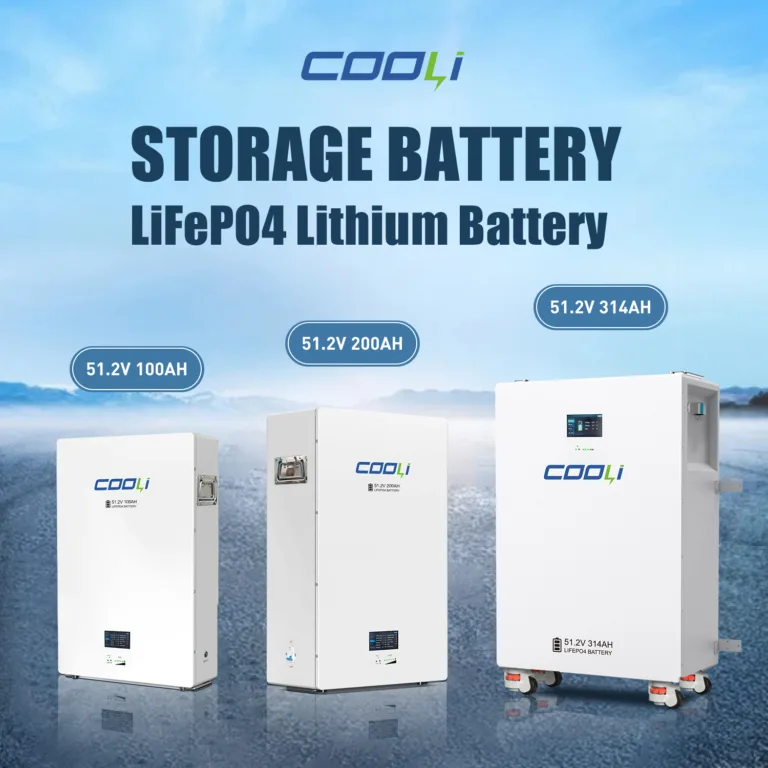
แบตเตอรี่ลิเธียม, โดยเฉพาะ แบตเตอรี่ LiFePO4, มักใช้สำหรับเก็บพลังงานแสงอาทิตย์เนื่องจากมีความหนาแน่นของพลังงานสูง, วงจรชีวิตยาว, และโดยทั่วไปจะปลอดภัยกว่าแบตเตอรี่ลิเธียมไอออนประเภทอื่น. แบตเตอรี่เหล่านี้ได้รับการออกแบบมาเพื่อกักเก็บไฟฟ้าที่ผลิตได้จากแผงโซลาร์เซลล์และปล่อยออกมาตามความจำเป็นเพื่อจ่ายไฟให้กับบ้าน, ธุรกิจ, หรือแม้แต่การตั้งค่าทางอุตสาหกรรมทั้งหมด.
วิธีจัดเก็บแบตเตอรี่ลิเธียมสำหรับพลังงานแสงอาทิตย์
การจัดเก็บแบตเตอรี่ลิเธียมอย่างเหมาะสมถือเป็นสิ่งสำคัญเพื่อให้มั่นใจถึงอายุการใช้งานที่ยาวนานและปลอดภัย. ต่อไปนี้เป็นประเด็นสำคัญที่ควรพิจารณาเมื่อจัดเก็บแบตเตอรี่ลิเธียมสำหรับระบบพลังงานแสงอาทิตย์:
- การควบคุมอุณหภูมิ: ควรเก็บแบตเตอรี่ลิเธียมไว้ในที่เย็น, สภาพแวดล้อมที่แห้ง, อย่างเหมาะสมระหว่าง 20°C ถึง 25°C (68°F ถึง 77°F). อุณหภูมิสูงสุด (ร้อนเกินไปหรือเย็นเกินไป) อาจทำให้แบตเตอรี่เสื่อมเร็วขึ้นหรือพังก่อนเวลาอันควรได้.
- หลีกเลี่ยงการปล่อยน้ำลึก: เก็บแบตเตอรี่ลิเธียมโดยมีค่าใช้จ่ายบางส่วนเสมอ, ตามหลักการแล้ว 50% ถึง 60%. การเก็บแบตเตอรี่ที่ชาร์จจนเต็มหรือคายประจุจนหมดเป็นเวลานานอาจทำให้แบตเตอรี่เสียหายและลดอายุการใช้งานได้.
- การระบายอากาศ: ตรวจสอบให้แน่ใจว่าบริเวณที่เก็บแบตเตอรี่มีการระบายอากาศที่ดีเพื่อหลีกเลี่ยงการสะสมของความร้อน. ความร้อนสูงเกินไปอาจทำให้เกิดอันตรายด้านความปลอดภัยได้, เช่น การหนีความร้อน.
- หลีกเลี่ยงแสงแดดโดยตรง: แสงแดดโดยตรงอาจทำให้อุณหภูมิของแบตเตอรี่เพิ่มขึ้น, ทำให้เกิดความร้อนมากเกินไปและอาจล้มเหลวได้. เก็บไว้ในที่ร่ม, พื้นที่ระบายอากาศได้ดี.
- การบำรุงรักษาตามปกติ: ตรวจสอบระดับการชาร์จและสภาพของแบตเตอรี่เป็นระยะ, โดยเฉพาะอย่างยิ่งหากอยู่ในการจัดเก็บระยะยาว, เพื่อให้แน่ใจว่ายังคงทำงานได้อย่างถูกต้อง.
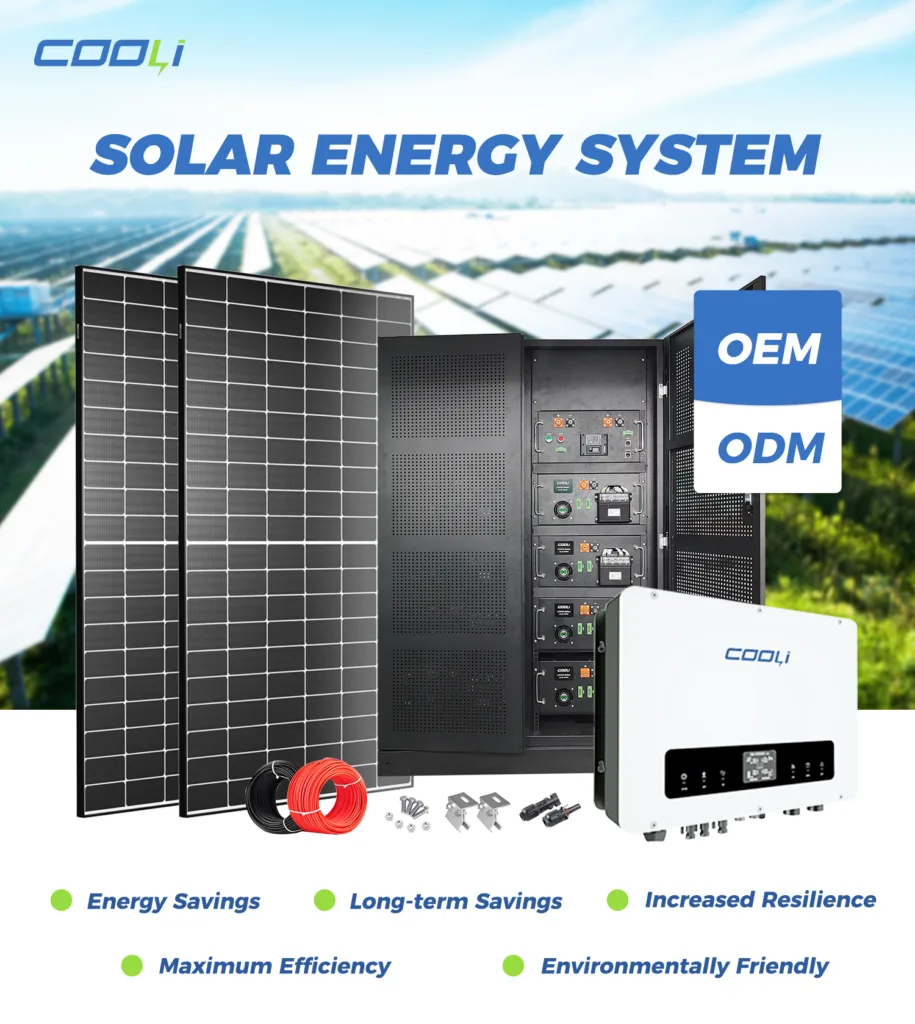
ระบบพลังงานแสงอาทิตย์มีข้อ จำกัด ในการจัดเก็บแบตเตอรี่หรือไม่?
ใช่, ระบบพลังงานแสงอาทิตย์มีข้อจำกัดในเรื่องการจัดเก็บแบตเตอรี่. ความท้าทายที่สำคัญบางประการ ได้แก่:
- ข้อจำกัดด้านความจุ: ปริมาณพลังงานที่คุณสามารถจัดเก็บได้จะถูกจำกัดด้วยความจุของแบตเตอรี่. หากการผลิตพลังงานแสงอาทิตย์ของคุณเกินความจุของคุณอย่างต่อเนื่อง, พลังงานส่วนเกินอาจสูญเปล่า, เว้นแต่จะถูกป้อนกลับเข้าไปในกริด (ถ้าผูกกริด).
- ประสิทธิภาพของแบตเตอรี่: โดยทั่วไปแบตเตอรี่จะสูญเสียพลังงานบางส่วนในระหว่างกระบวนการชาร์จและคายประจุ. ซึ่งหมายความว่าแม้ว่าคุณจะจัดเก็บก็ตาม 10 กิโลวัตต์ชั่วโมงของพลังงาน, คุณอาจสามารถใช้ได้เท่านั้น 8-9 กิโลวัตต์ชั่วโมง, ขึ้นอยู่กับประสิทธิภาพของแบตเตอรี่และอินเวอร์เตอร์.
- ค่าใช้จ่าย: แบตเตอรี่คุณภาพสูง, โดยเฉพาะพวกที่ใช้ลิเธียม, อาจมีราคาแพง. ต้นทุนเริ่มต้นในการตั้งค่าระบบจัดเก็บแบตเตอรี่อาจเป็นอุปสรรคสำคัญสำหรับเจ้าของบ้านหรือธุรกิจจำนวนมาก.
- อายุการใช้งาน: ในขณะที่แบตเตอรี่ลิเธียมมีอายุการใช้งานยาวนาน (โดยทั่วไป 5-15 ปี), ในที่สุดพวกเขาก็เสื่อมโทรมลง. เมื่อพวกเขาอายุมากขึ้น, ความสามารถในการเก็บประจุลดลง, ซึ่งหมายความว่าจะต้องเปลี่ยนใหม่.
- ช่องว่าง: สำหรับระบบพลังงานที่ใหญ่ขึ้น, คุณจะต้องมีพื้นที่เพียงพอในการติดตั้งแบตเตอรีแบต. นี่อาจเป็นปัจจัยจำกัดสำหรับบ้านหรืออาคารขนาดเล็ก.
การจัดเก็บแบตเตอรี่ลิเธียมก่อให้เกิดอันตรายต่อระบบพลังงานแสงอาทิตย์อย่างไร?
แม้ว่าแบตเตอรี่ลิเธียมโดยทั่วไปจะปลอดภัยและเชื่อถือได้ก็ตาม, สิ่งเหล่านี้อาจก่อให้เกิดความเสี่ยงเมื่อไม่ได้รับการจัดการอย่างเหมาะสม. อันตรายที่อาจเกิดขึ้นบางประการ ได้แก่:
- หนีความร้อน: หากแบตเตอรี่ลิเธียมร้อนเกินไปหรือเสียหาย, มันสามารถสัมผัสได้ “หนีความร้อน,” โดยที่อุณหภูมิเพิ่มขึ้นอย่างรวดเร็ว, ทำให้เกิดเพลิงไหม้หรือการระเบิด. นี่เป็นความเสี่ยงอย่างยิ่งหากมีการชาร์จหรือคายประจุแบตเตอรี่เร็วเกินไป หรือหากได้รับความเสียหายจากการกระแทก.
- การชาร์จไฟเกินหรือการคายประจุแบบลึก: การชาร์จไฟเกินหรือการคายประจุแบตเตอรี่ลิเธียมเกินช่วงแรงดันไฟฟ้าที่แนะนำอาจทำให้แบตเตอรี่เสื่อมสภาพหรือไม่เสถียรได้, อาจนำไปสู่เพลิงไหม้หรือการรั่วไหลได้.
- สารเคมีรั่วไหล: หากแบตเตอรี่ลิเธียมถูกเจาะหรือชำรุด, อาจทำให้สารเคมีอันตรายรั่วไหลได้. สิ่งเหล่านี้อาจเป็นอันตรายต่อสุขภาพของมนุษย์และสิ่งแวดล้อม, ทำให้การจัดการและการกำจัดอย่างปลอดภัยเป็นสิ่งสำคัญ.
- กางเกงขาสั้นไฟฟ้า: สายไฟไม่ถูกต้องหรือทำงานผิดปกติในระบบจัดการแบตเตอรี่ (บีเอ็มเอส) อาจทำให้เกิดไฟฟ้าลัดวงจรได้, ซึ่งสามารถทำให้เกิดประกายไฟได้, ไฟไหม้, หรือการระเบิด.
เพื่อลดความเสี่ยงเหล่านี้, จำเป็นอย่างยิ่งที่จะต้องใช้ระบบการจัดการแบตเตอรี่ที่เหมาะสม (บีเอ็มเอส), ซึ่งตรวจสอบและควบคุมรอบการชาร์จและการคายประจุเพื่อให้มั่นใจว่าการทำงานปลอดภัย. การตรวจสอบและบำรุงรักษาแบตเตอรี่เป็นประจำ, พร้อมด้วยคำแนะนำในการติดตั้งของผู้ผลิตดังต่อไปนี้, ก็มีความสำคัญในการป้องกันอันตรายเช่นกัน.
ระบบจัดเก็บพลังงานแบตเตอรี่คืออะไร (เบส)?
ก ระบบจัดเก็บพลังงานแบตเตอรี่ (เบส) คือการตั้งค่าที่ซับซ้อนมากขึ้น ซึ่งไม่เพียงแค่แบตเตอรี่เท่านั้น แต่ยังรวมถึงส่วนประกอบอื่นๆ เช่น อินเวอร์เตอร์ ด้วย, ระบบการจัดการแบตเตอรี่ (บีเอ็มเอส), และมักมีการเชื่อมต่อกับโครงข่ายอัจฉริยะ. BESS ใช้เพื่อกักเก็บพลังงานไฟฟ้าแล้วปล่อยเมื่อจำเป็น, ให้ความมั่นคงด้านพลังงานและความน่าเชื่อถือสำหรับบ้าน, ธุรกิจ, และแม้กระทั่งสาธารณูปโภค.
ระบบจัดเก็บพลังงานแบตเตอรี่เป็นอย่างไร (เบส) งาน?
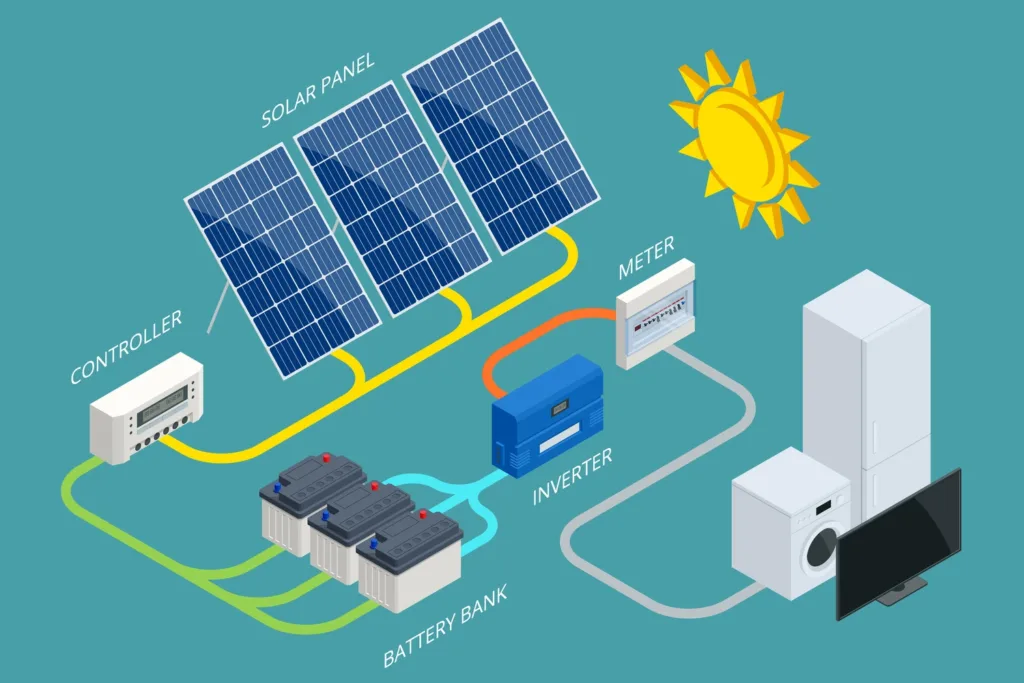
- การจับพลังงาน: แผงโซลาร์เซลล์จับแสงแดดและแปลงเป็นไฟฟ้า. ไฟฟ้านี้ถูกใช้ทันทีหรือเก็บไว้ในแบตเตอรี่.
- การจัดเก็บพลังงาน: เมื่อไม่จำเป็นต้องใช้พลังงานทันที, มันถูกส่งไปยังแบตเตอรี่โดยตรง, โดยที่จะถูกจัดเก็บเป็น DC (กระแสตรง) ไฟฟ้า.
- การแปลงอินเวอร์เตอร์: อินเวอร์เตอร์ใช้ในการแปลงไฟฟ้ากระแสตรงเป็นไฟฟ้ากระแสสลับ (กระแสสลับ), ซึ่งเป็นรูปแบบไฟฟ้าที่เครื่องใช้ไฟฟ้าและระบบส่วนใหญ่ใช้.
- การปลดปล่อยพลังงาน: เมื่อความต้องการพลังงานมีมากกว่าการผลิต (เช่น, ในเวลากลางคืนหรือในช่วงที่มีเมฆมาก), พลังงานที่เก็บไว้จะถูกดึงออกมาจากแบตเตอรี่, ผ่านอินเวอร์เตอร์, และจำหน่ายให้กับอาคารหรือโครงข่าย.
- การตรวจสอบอัจฉริยะ: BESS หลายตัวรวมเข้ากับระบบจัดการแบตเตอรี่ (บีเอ็มเอส) และ/หรือซอฟต์แวร์การจัดการพลังงาน. ระบบเหล่านี้ช่วยเพิ่มประสิทธิภาพรอบการชาร์จและการคายประจุ, ตรวจสอบสุขภาพแบตเตอรี่, และดูแลให้ระบบทำงานได้อย่างมีประสิทธิภาพและปลอดภัย.
บทสรุป
การเก็บแบตเตอรี่พลังงานแสงอาทิตย์, โดยเฉพาะกับแบตเตอรี่ลิเธียม, เป็นผู้เปลี่ยนเกมในการบรรลุความเป็นอิสระและความยั่งยืนด้านพลังงาน. อย่างไรก็ตาม, ทำความเข้าใจกับสภาวะการเก็บรักษาที่เหมาะสม, ข้อจำกัดที่อาจเกิดขึ้น, และข้อกังวลด้านความปลอดภัยถือเป็นสิ่งสำคัญในการเพิ่มอายุการใช้งานและความปลอดภัยของระบบพลังงานแสงอาทิตย์ของคุณ. ระบบจัดเก็บพลังงานแบตเตอรี่ (เบส) นำเสนอโซลูชั่นที่ครอบคลุมเพื่อเพิ่มการจัดเก็บพลังงานและความน่าเชื่อถือ, ช่วยให้ผู้ใช้จัดการการใช้พลังงานได้อย่างมีประสิทธิภาพมากขึ้น. ด้วยการตั้งค่าและข้อควรระวังที่ถูกต้อง, การจัดเก็บพลังงานแสงอาทิตย์สามารถให้ความน่าเชื่อถือ, คุ้มค่า, และโซลูชั่นที่เป็นมิตรต่อสิ่งแวดล้อมสำหรับการใช้งานทั้งที่อยู่อาศัยและเชิงพาณิชย์.
เครื่องคำนวณพลังงานแสงอาทิตย์:https://รอยเท้าฮีโร่.com/solar-calculators
ค้นพบพลังของระบบกักเก็บพลังงาน: 5 ประโยชน์หลักที่คุณต้องรู้
10แบตเตอรี่ LiFePO4 กิโลวัตต์ชั่วโมง 10ต้นทุนแบตเตอรี่พลังงานแสงอาทิตย์ kWh ในเมียนมาร์ 25ระบบแบตเตอรี่กิโลวัตต์ชั่วโมง ออลอินวัน BESS คอนเทนเนอร์ 4MWh ซาอุดีอาระเบีย ผู้ผลิต BESS ประเทศจีน แบตเตอรี่บ้านที่ถูกที่สุด โซลูชั่น BESS ของจีน จีน DDP ขายส่ง แบตเตอรี่ LiFePO4 ของโรงงานจีน จีนกริดสเกล BESS ซัพพลายเออร์ OEM ของจีน ที่เก็บแบตเตอรี่เชิงพาณิชย์เคนยา ดีซี เอส โซลูชั่น โซลูชัน DDP ตรงไปยัง DRC ส่งจีนตรงสู่แอฟริกา ส่งจีนไปยังแอฟริกาแบตเตอรี่โดยตรง แบตเตอรี่เก็บพลังงาน ระบบกักเก็บพลังงาน ผู้นำแบตเตอรี่ลิเธียมระดับโลก แบตเตอรี่เกรดเอ ผู้จำหน่ายอุปกรณ์จัดเก็บแบตเตอรี่แบบกริดสเกล แบตเตอรี่ภายในบ้านสำหรับครอบครัวชาวดัตช์ การจัดเก็บพลังงานในบ้าน อุตสาหกรรม BESS เคนยา ตะกั่วกรดกับ. แบตเตอรี่ลิเธียมไอออน LiFePO4 แบตเตอรี่ LiFePO4 แบตเตอรี่ LiFePO4 ในแอฟริกาใต้ แบตเตอรี่ LifePo4 เทคโนโลยีแบตเตอรี่ LifePO4 ผู้จัดจำหน่าย LiFePO4 ในอิรัก LiFePO4 ESS เคนยา แบตเตอรี่ลิเธียมไอออน แบตเตอรี่ลิเธียมไอออน ราคาที่ต่ำกว่า แนวโน้มตลาด ตู้ระบายความร้อนด้วยของเหลวกลางแจ้ง การจัดซื้อ LiFePO4 ของซาอุดีอาระเบีย โซลูชัน BESS ที่ปรับขนาดได้สำหรับอุตสาหกรรม แผงโซลาร์เซลล์ ระบบสุริยะ ซ้อน All-in-One ขายส่งแบตเตอรี่พลังงานแสงอาทิตย์ LiFePO4 ขายส่งแบตเตอรี่พลังงานแสงอาทิตย์

หนึ่งความคิดเห็น