

ค้นพบพลังของระบบกักเก็บพลังงาน: 5 ประโยชน์หลักที่คุณต้องรู้
ระบบกักเก็บพลังงานถือเป็นหัวใจสำคัญของระบบพลังงานที่ยั่งยืน. พวกเขาให้บัฟเฟอร์ในการจ่ายไฟฟ้าในเวลาที่พลังงานหมุนเวียนไม่สามารถเข้าถึงได้.
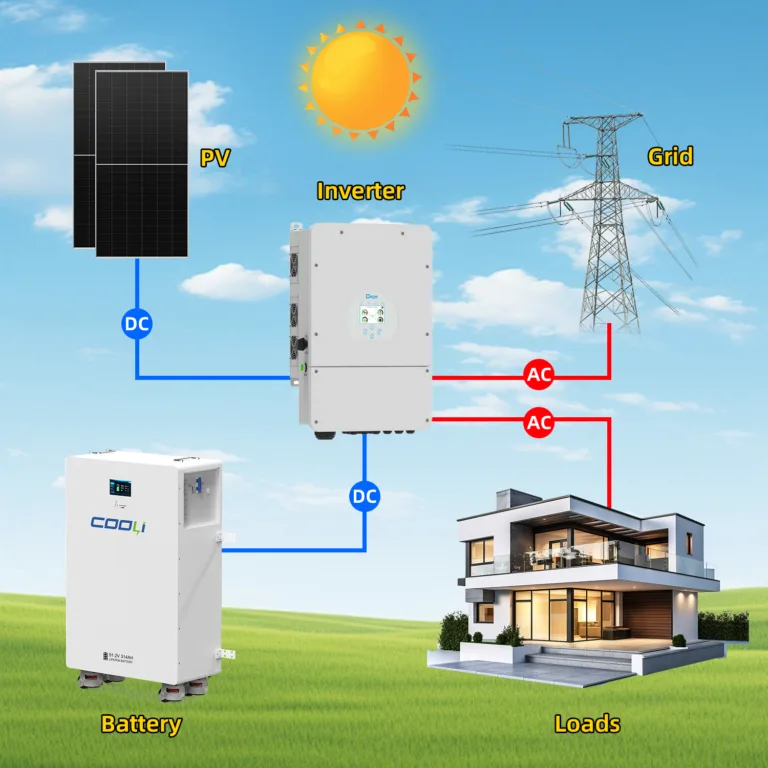
ระบบกักเก็บพลังงาน สามารถใช้กักเก็บพลังงานจากพลังงานหมุนเวียนได้,คล้ายกับพลังงานแสงอาทิตย์และพลังงานลม, หรือจากแหล่งอื่นที่คล้ายกับแหล่งนิวเคลียร์และถ่านหิน. นอกจากนี้ยังสามารถใช้เพื่อกักเก็บพลังงานสำรองเพื่อใช้ในช่วงวัยที่มีการใช้พลังงานสูงสุด.
เพื่อประกันว่าโครงข่ายมีความมั่นคงและมั่นคง, มันต้องการความจุควอนตัมที่ยอมรับได้ซึ่งตรงกับความต้องการ. ความจุของระบบจัดเก็บพลังงานแบตเตอรี่วัดเป็นเมกะวัตต์- ชั่วโมง( เมกะวัตต์ชั่วโมง).
กำลังการผลิตทั่วไปของระบบคือ 10kw- 100กิโลวัตต์, สามารถนำไปใช้กับแผงโซลาร์เซลล์ได้, สถานีฐานการสื่อสารบนภูเขา, การจัดเก็บพลังงานของสถานีฐานการสื่อสาร, อำนาจชั่วคราว, การจัดเก็บพลังงานในบ้าน การจัดเก็บพลังงานประดิษฐ์ ect.

ดูเพิ่มเติม: ติดตามเราต่อไป เฟสบุ๊ค
🔋 ระบบกักเก็บพลังงาน (เอสเอส): ภาพรวมที่ครอบคลุม
ระบบกักเก็บพลังงาน (เอสเอส) เป็นเทคโนโลยีที่ออกแบบมาเพื่อดักจับพลังงานที่ผลิตในคราวเดียวเพื่อใช้ในภายหลัง, การจัดการกับความไม่ตรงกันระหว่างอุปสงค์และอุปทานพลังงาน. มีบทบาทสำคัญในการจัดการพลังงานยุคใหม่, ทำหน้าที่เป็นแกนหลักของระบบพลังงานที่ยั่งยืนโดยการจัดหาบัฟเฟอร์ที่สำคัญในการจ่ายไฟฟ้าเมื่อแหล่งพลังงานหมุนเวียน เช่น พลังงานแสงอาทิตย์และลมไม่พร้อมใช้งาน. ESS ช่วยให้สามารถบูรณาการแหล่งพลังงานที่หลากหลาย รวมถึงพลังงานหมุนเวียน, นิวเคลียร์, และแม้กระทั่งพืชเชื้อเพลิงฟอสซิล (เช่น, สิ่งอำนวยความสะดวกที่ใช้ถ่านหิน)—โดยเก็บพลังงานส่วนเกินไว้ใช้ในช่วงที่มีความต้องการใช้สูงสุดระบบกักเก็บพลังงาน (เอสเอส) กำลังปฏิวัติการจัดการพลังงาน, รับประกันการใช้พลังงานอย่างมีประสิทธิภาพและความเสถียรของกริด. เรามาสำรวจว่ามันทำงานอย่างไรและมีความสำคัญอย่างไร!
⚡ เทคโนโลยีการจัดเก็บพลังงานที่สำคัญ
🔋 แบตเตอรี่
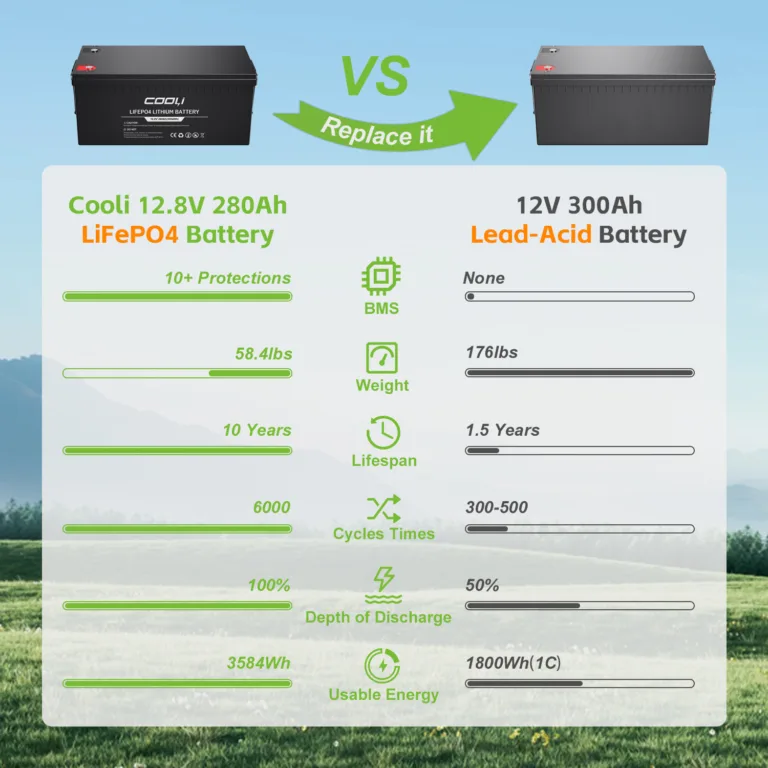
- ประเภท: ลิเธียมไอออน, กรดตะกั่ว, โซเดียมซัลเฟอร์, และแบตเตอรี่โซลิดสเตต .
- ใช้ใน: เครื่องใช้ไฟฟ้า, ยานพาหนะไฟฟ้า (EV), และที่เก็บกริด.
- นวัตกรรม: แบตเตอรี่โซลิดสเตตช่วยเพิ่มความปลอดภัยและความหนาแน่นของพลังงาน.
⚙️ห้องเก็บเครื่อง
- ปั้มไฮโดร: ใช้แรงโน้มถ่วงเพื่อผลิตกระแสไฟฟ้าโดยการเคลื่อนย้ายน้ำระหว่างระดับความสูง.
- มู่เล่: เก็บพลังงานจลน์ไว้ด้วยโรเตอร์ความเร็วสูงเพื่อการระเบิดพลังงานอย่างรวดเร็ว.
- อากาศอัด (ซีเออีเอส): เก็บอากาศอัดไว้ใต้ดินเพื่อใช้เป็นพลังงานกังหัน.
🚀 เหตุใด ESS จึงมีความสำคัญ
- ความเสถียรของกริด: ป้องกันไฟดับและควบคุมความผันผวนของความถี่.
- พลังงานทดแทน: เก็บพลังงานแสงอาทิตย์และพลังงานลมส่วนเกินไว้ใช้ในภายหลัง.
- อีวีพาวเวอร์: ขับเคลื่อนรถยนต์ไฟฟ้าและระบบไฮบริด.
- นอกกริด โซลูชั่น: ให้การเข้าถึงพลังงานในสถานที่ห่างไกล.
🚧 ความท้าทายในการจัดเก็บพลังงาน
- ต้นทุนสูง: ระบบจัดเก็บแบตเตอรี่และไฮโดรเจนขั้นสูงจำเป็นต้องมีการลงทุน.
- การสูญเสียพลังงาน: การสูญเสียประสิทธิภาพในกระบวนการจัดเก็บและการแปลง.
- ผลกระทบต่อสิ่งแวดล้อม: ปัญหาที่เกี่ยวข้องกับการสกัดและการรีไซเคิลวัสดุ.
- ข้อกังวลด้านความปลอดภัย: ความเสี่ยงต่างๆ เช่น ความร้อนแบตเตอรี่หมดหรือการระเบิดของไฮโดรเจน.
🌍 อนาคตของ ESS
- แบตเตอรี่ไหล: การจัดเก็บอิเล็กโทรไลต์เหลวแบบปรับขนาดได้เพื่อพลังงานที่มีระยะเวลายาวนาน.
- การจัดเก็บแรงโน้มถ่วง: ใช้การยกของหนักเพื่อกักเก็บและปล่อยกำลัง.
- ระบบระบายความร้อนขั้นสูง: นวัตกรรมวัสดุเปลี่ยนเฟสเพื่อประสิทธิภาพที่ดีขึ้น.
จากแบตเตอรี่ลิเธียมถึงการจัดเก็บไฮโดรเจน, จากแบตเตอรี่ลิเธียมไปจนถึงการจัดเก็บไฮโดรเจน, โดยสรุป, ESS มีความหลากหลาย, ปรับขนาดได้, และขาดไม่ได้สำหรับการสร้างระบบนิเวศพลังงานที่ปรับเปลี่ยนได้ ตั้งแต่การจ่ายไฟให้กับสถานีฐานระยะไกลไปจนถึงการรักษาเสถียรภาพของโครงข่ายไฟฟ้าของประเทศ ESS กำลังกำหนดอนาคตพลังงานที่ยั่งยืน! เมื่อเทคโนโลยีก้าวหน้าไป, เราเข้าใกล้ความน่าเชื่อถือมากขึ้น, โซลูชั่นพลังงานสีเขียว. ESS กำลังกำหนดอนาคตพลังงานที่ยั่งยืน! เมื่อเทคโนโลยีก้าวหน้าไป, เราเข้าใกล้ความน่าเชื่อถือมากขึ้น, โซลูชั่นพลังงานสีเขียว. 🌱⚡


หนึ่งความคิดเห็น