The Ultimate Guide to LiFePO4 Batteries: Everything You Need to Know
Introduction to LiFePO4 Technology
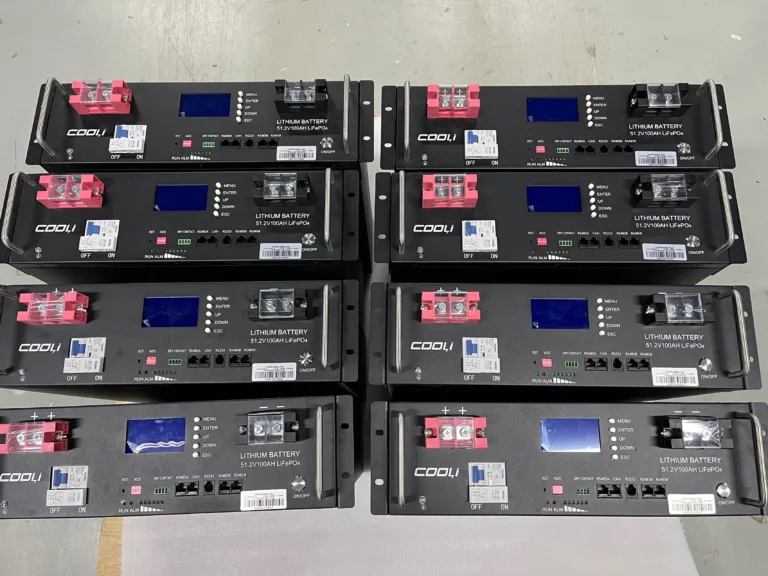
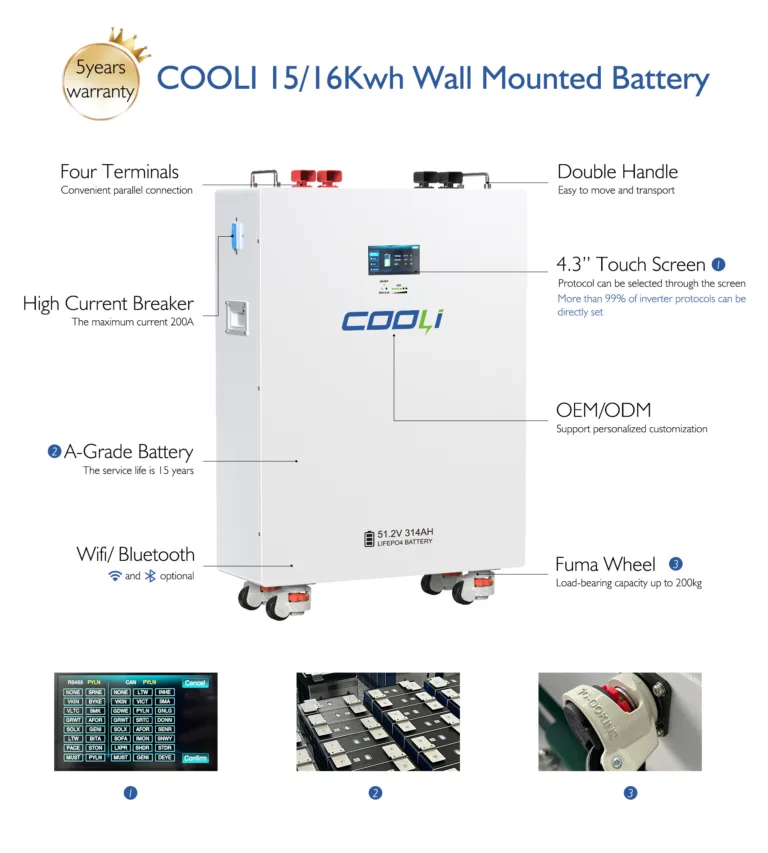
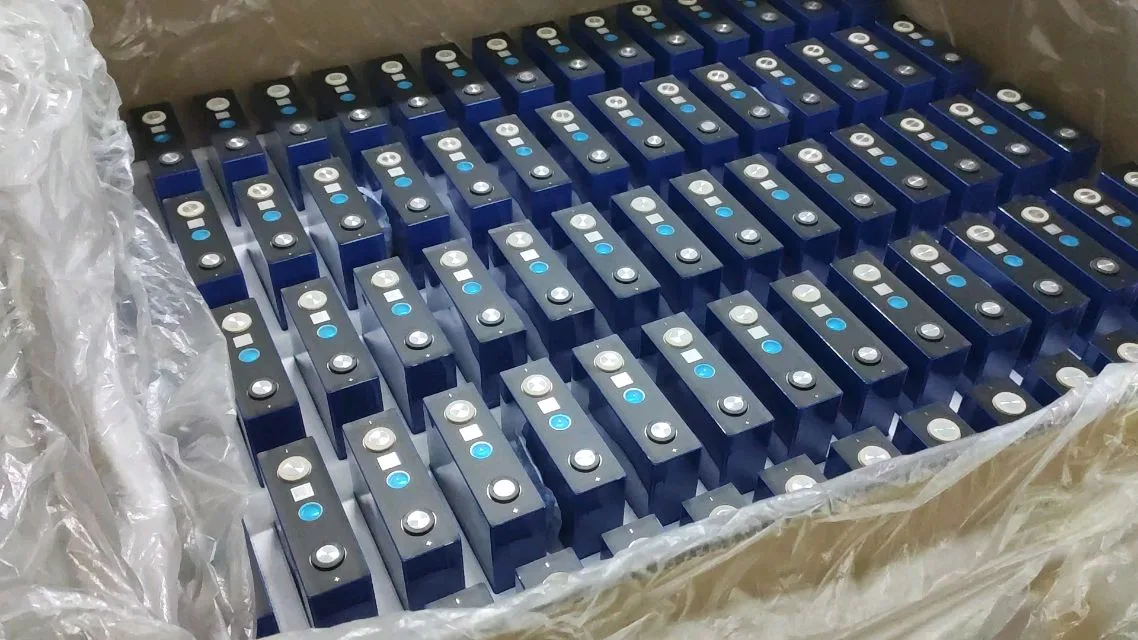
LiFePO4 (ลิเธียมเหล็กฟอสเฟต) batteries represent a breakthrough in rechargeable energy storage. Unlike traditional lithium-ion chemistries (เช่น, cobalt-based), LiFePO4 uses a stableolivine crystal structure that inherently resists thermal runaway, making it one of the safest lithium battery variants available. This chemistry delivers exceptional cycle life, environmental benefits, and robust performance across diverse applications—from electric vehicles to home energy storage.
1. Core Advantages of LiFePO4 Batteries
- Exceptional Longevity:
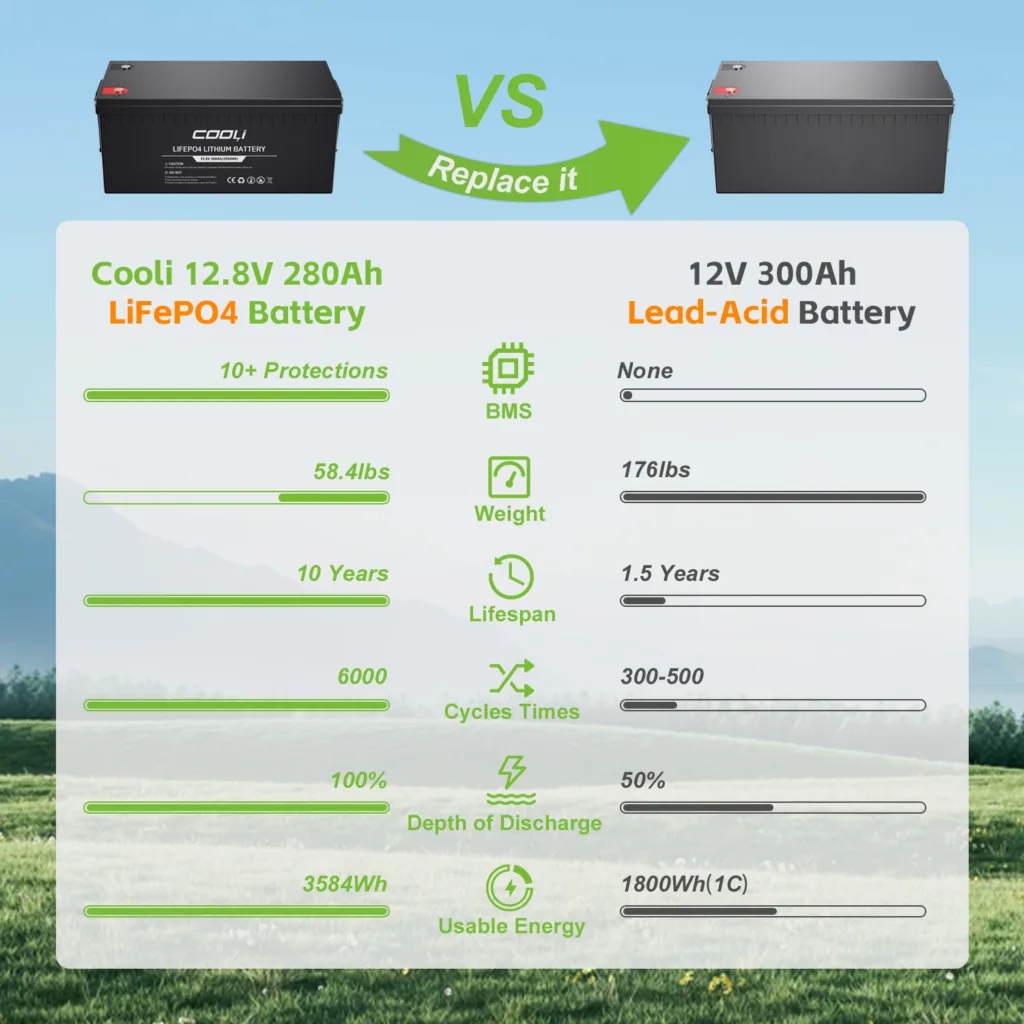
กับ3,000–6,000 รอบ ที่ 80% ความลึกของการปล่อย (กระทรวงกลาโหม), LiFePO4 batteries outperform lead-acid (300–500 cycles) and standard lithium-ion batteries. Properly maintained, they can last7–10 years—4x longer than lead-acid alternatives. - Enhanced Safety:
The iron-phosphate bond remains stable up to500องศาเซลเซียส, eliminating explosion risks during overcharge, short circuits, or physical damage. This makes LiFePO4 compliant with stringent safety standards likeExic IIB T4 Gc. - High Performance in Extreme Conditions:
- Operates between-20°C to 60°C with minimal capacity loss (เช่น, 70% capacity retention at -40°C).
- Supportsrapid charging (up to 2C rate), reaching 100% capacity in 40 minutes with a compatible charger.
- Eco-Friendly:
Contains no toxic cobalt, lead, or cadmium. Achieves95% recyclability and reduces carbon footprint by 40% compared to lead-acid batteries.
2. แรงดันไฟฟ้า & Capacity Characteristics
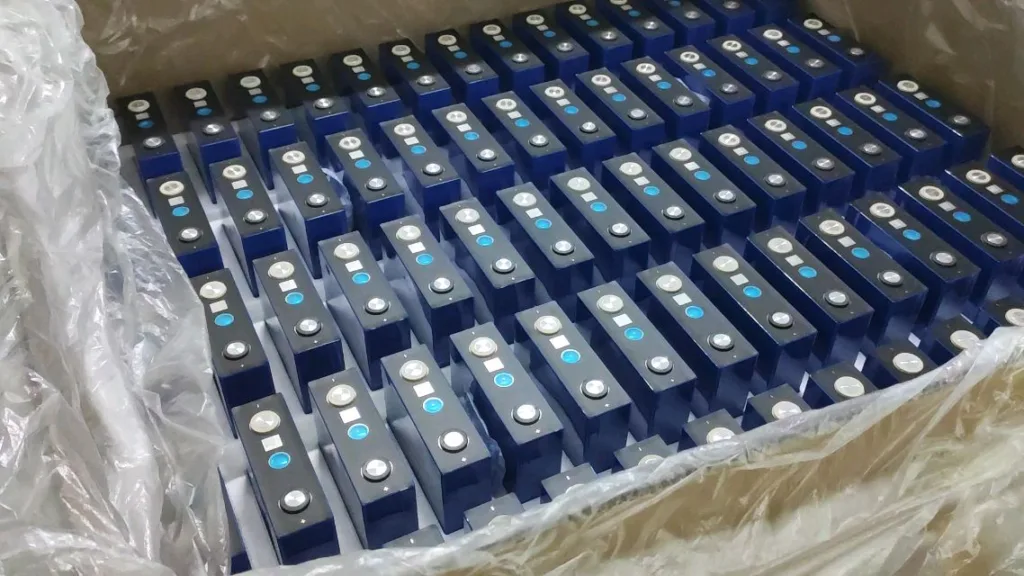
LiFePO4 cells have a nominal voltage of3.2วี. Configurations scale to meet system requirements:
| System Voltage | Full Charge (วี) | 20% กระทรวงกลาโหม (วี) | 0% ความจุ (วี) |
|---|---|---|---|
| 12วี | 14.6 | 12.8 | 10.0 |
| 24วี | 29.2 | 25.6 | 20.0 |
| 48วี | 58.4 | 51.2 | 40.0 |
Key Notes:
- Avoid discharging below2.5V per cell (เช่น, 10V for 12V systems) to prevent irreversible damage.
- Resting voltage (after 30+ minutes idle) is the most accurate state-of-charge (SoC) indicator.
3. Maximizing Lifespan: Maintenance Best Practices
- Charge Management:
- Ideal Range: Maintain20–80% SoC during daily use. Avoid 100% full charges unless necessary.
- Voltage Limits: Use LiFePO4-specific chargers with voltage cutoffs at3.65V/cell (14.6V for 12V systems).
- Temperature Control:
- Store/operate between0°C–45°C (32°F–113°F). Below 0°C, lithium plating occurs; above 45°C, degradation accelerates.
- Avoid Deep Discharges:
Never discharge below20% SoC (3.0V/cell). Deeper discharges cause permanent capacity loss. - Storage Protocol:
- Store at30–50% SoC in a dry, 15–25°C environment. Recharge every 6 months to prevent over-discharge.
4. Installation & Configuration Tips
- Series vs. Parallel Connections:
- Series: Increases voltage (เช่น, 4x 12V = 48V). Requiresidentical batteries และกBalancing BMS to prevent voltage drift.
- Parallel: Increases capacity (เช่น, 4x 100Ah = 400Ah). Use cables ofsame length/AWG to ensure balanced currents.
- Critical Safety Steps:
- Secure terminals withtorque wrenches (12–15 Nm) to avoid loose connections.
- Clean terminals regularly with awire brush to prevent corrosion-induced resistance.
- Always integrate aBattery Management System (บีเอ็มเอส) to monitor voltage, temperature, and current.
5. Top Applications
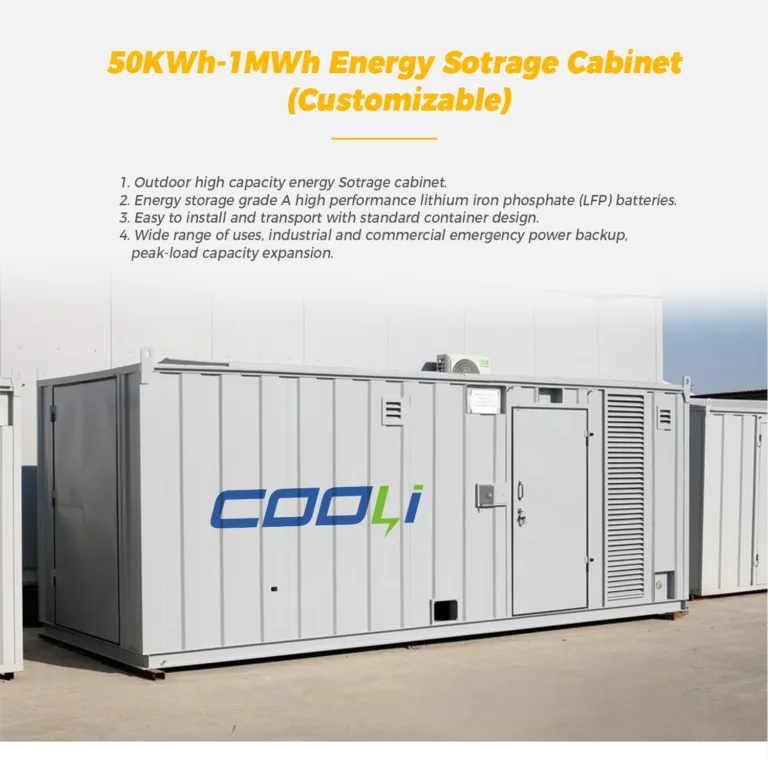
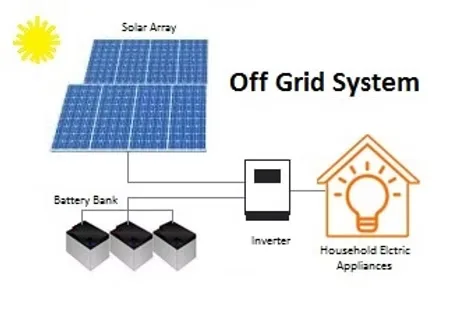
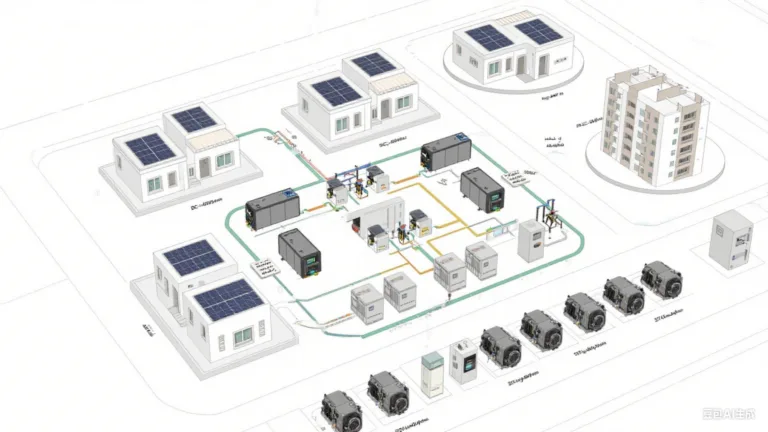
- การจัดเก็บพลังงานทดแทน: Ideal for solar/wind systems due to high DoD tolerance and 10+ year lifespan.
- ยานพาหนะไฟฟ้า: Used in EVs, golf carts, and forklifts for high current delivery (up to 10C) and fast charging.
- Marine/RVs: Resistant to vibration, requires no ventilation, and operates safely in confined spaces.
- Backup Power: Replaces lead-acid in UPS systems with 50% weight reduction and 2x energy density.
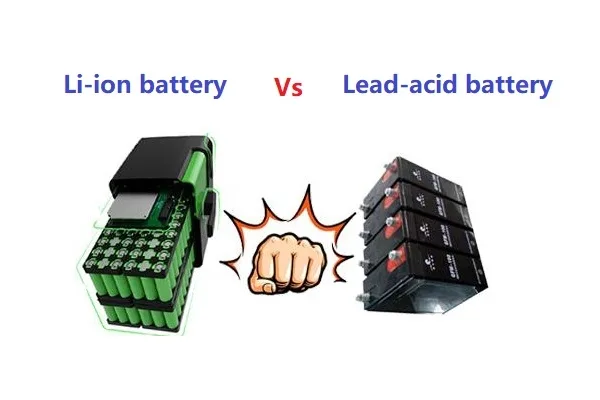
6. Comparison with Other Batteries
| Parameter | LiFePO4 | กรดตะกั่ว | Standard Li-ion |
|---|---|---|---|
| วงจรชีวิต | 3,000–5,000 | 300–500 | 500–1,000 |
| ความหนาแน่นของพลังงาน | 90–120 Wh/kg | 30–50 Wh/kg | 150–200 Wh/kg |
| Cost Over 10 ปี | $$$ | $$$$ | $$$$ |
| ความปลอดภัย | ยอดเยี่ยม | ดี | Moderate |
7. Troubleshooting Common Issues
- Capacity Fade: Caused by deep discharges or high-temperature storage. Recalibrate with a full charge/discharge cycle.
- Voltage Imbalance: In series configurations, use a BMS with active balancing to equalize cell voltages.
- Swelling/Leaks: Immediately isolate the battery. Often results from physical damage or chronic overcharging.
Future of LiFePO4 Technology
Innovations focus on boosting energy density (>160 Wh/กก) and reducing costs throughsodium-ion hybrids. As sustainability mandates tighten, LiFePO4 is projected to dominate 70% of the EV and grid-storage markets by 2030.
สำหรับทิป: สำหรับระบบพลังงานแสงอาทิตย์, pair LiFePO4 withMPPT controllers (เช่น, 14.6V absorption for 12V batteries) to optimize harvest and prevent overcharge.
LiFePO4 batteries merge safety, อายุยืนยาว, and eco-efficiency—making them the cornerstone of modern energy storage. By adhering to voltage limits, temperature guidelines, and cycling best practices, users unlock decades of reliable performance.