Can Solar Batteries Work Without Grid Power in Kinshasa? 【2026】
Solar Batteries Work for You: A Guide to Off-Grid & Hybrid Systems
For countless households in Kinshasa, the question of reliable electricity isn’t about convenience—it’s about survival. With frequent, prolonged blackouts and an often-unreliable grid, many are left wondering if there’s a true path to energy independence. One question emerges above all: Can solar batteries work completely without grid power in Kinshasa?
The answer is a resounding yes. A properly configured solar and battery system is not just a backup solution; it’s a complete, off-grid power source for your home. This article explains exactly how families in DR Congo can use this technology to break free from daily power cuts and achieve true energy autonomy.
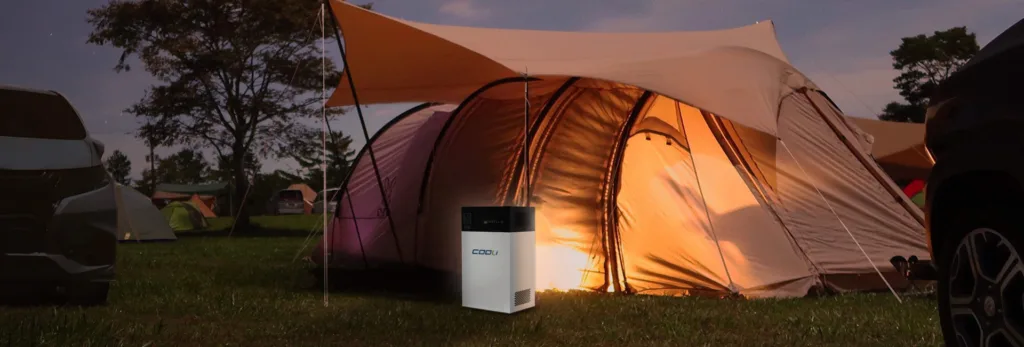
Can solar batteries work off-grid in Kinshasa? Learn how DR Congo homes survive blackouts with solar + battery systems.
Understanding Off-Grid & Hybrid Solar Systems in Kinshasa
In Kinshasa, “off-grid” doesn’t always mean living in a remote area. It describes the reality for many urban homes facing:
- No grid power for hours or even days.
- Voltage so low it can damage sensitive appliances.
- Sudden, unpredictable outages that disrupt daily life and business.
A solar battery system directly solves this. Solar panels generate electricity during the day. Instead of feeding it solely to your appliances or a non-existent grid, the energy is stored in your home battery storage system. This stored power is then available on demand—at night, during rain, or whenever the grid fails—making your home self-sufficient.
The Core Components for True Energy Independence
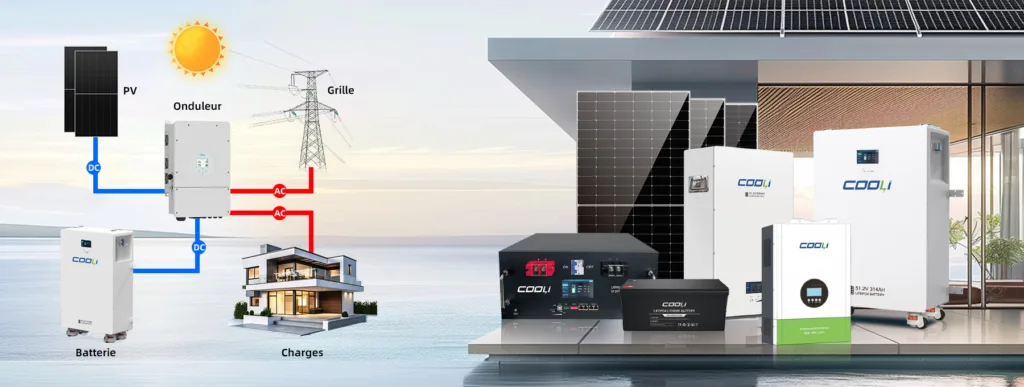
To achieve a functional off-grid system, you need three key components working in harmony:
- Solar Panels: Your power plant. The size and number determine how much free energy you can harvest daily.
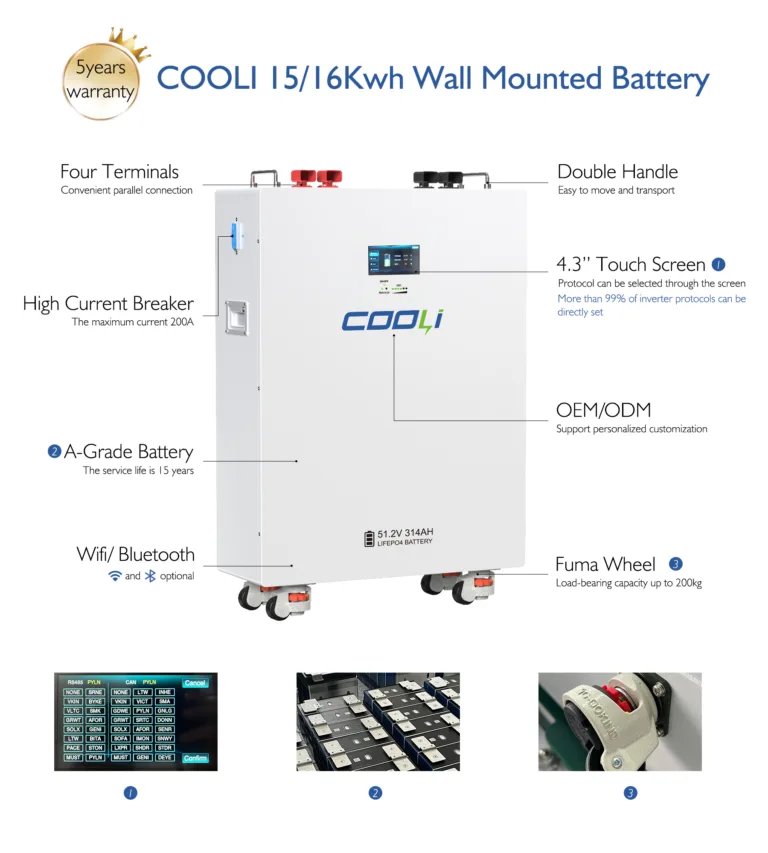
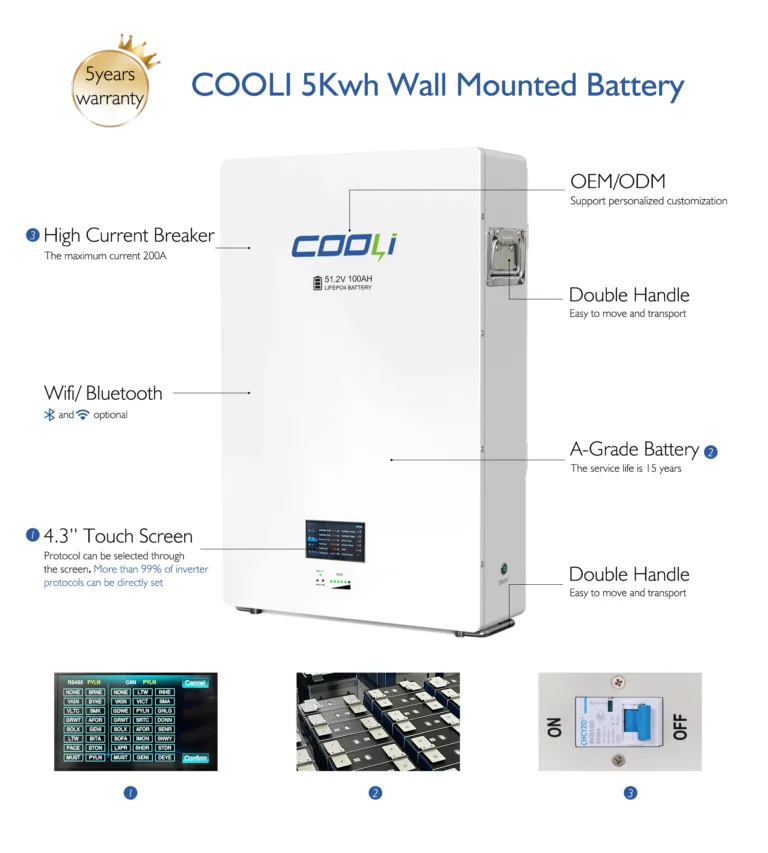
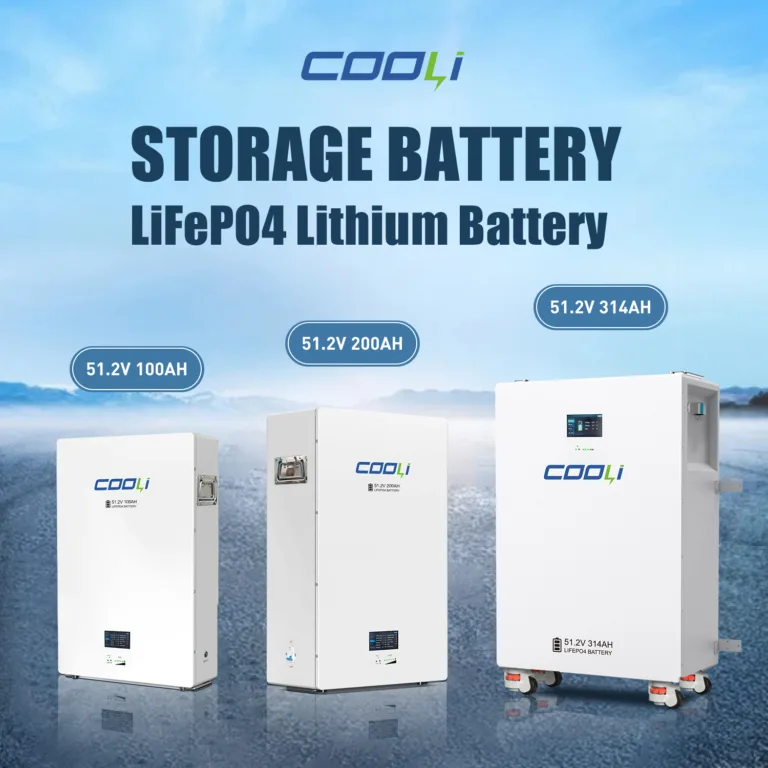
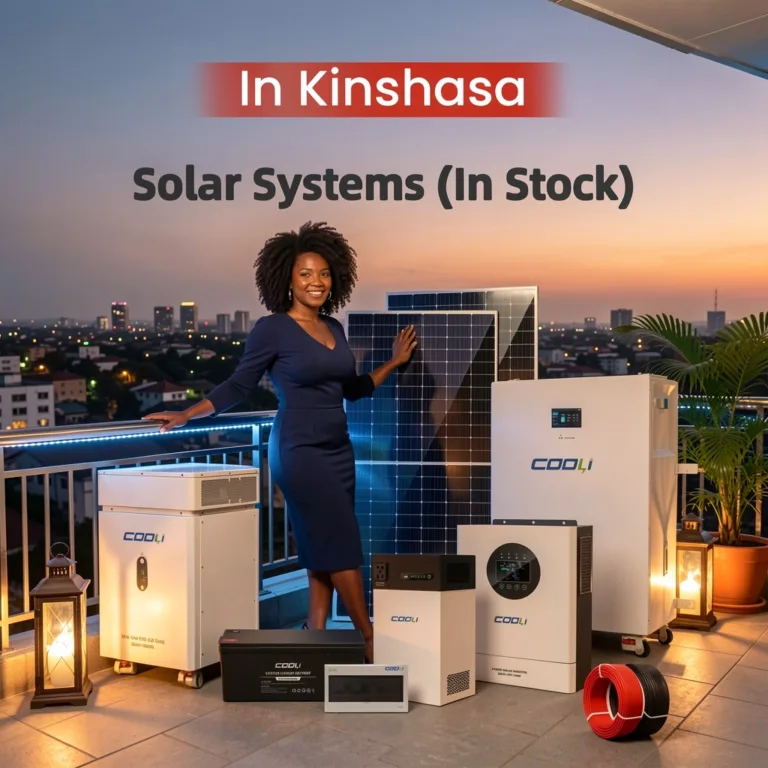
- Battery Storage: Your energy bank. This is the heart of the system, storing solar energy for use anytime. Modern lithium battery storage solutions for homes, like LiFePO4, are ideal for their long lifespan and deep discharge capability.
- Inverter/Charger: The brain and translator. It converts the DC power from panels and batteries into the AC power your home appliances use. Many modern residential energy storage solutions come as all-in-one units, integrating the inverter, solar charger, and battery management for simplicity and reliability.
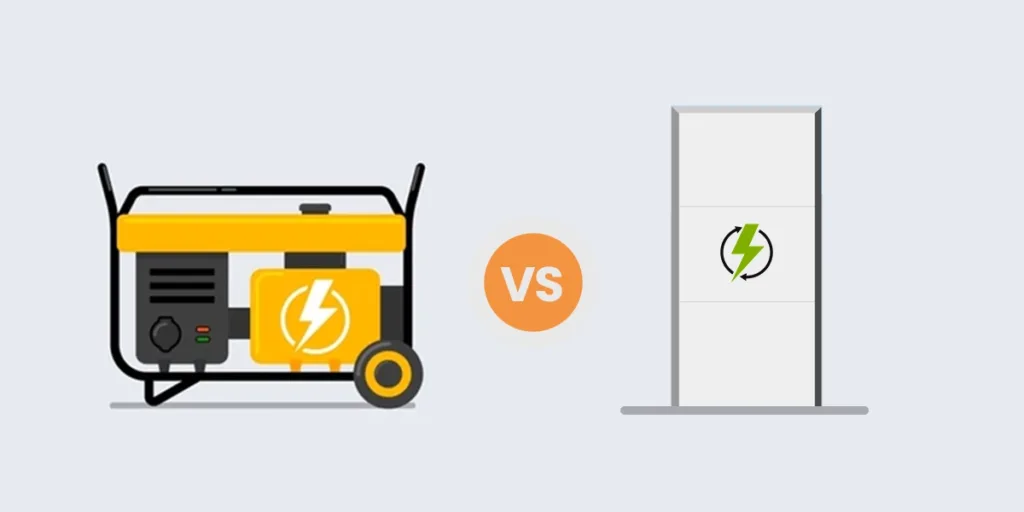
Solar Battery vs. Generator: The Ultimate Off-Grid Choice
When the grid is absent, the traditional alternative has been the fuel generator. Here’s the critical comparison:
- Generator: Requires constant, expensive fuel (gasoline or diesel), produces noise and fumes, needs regular maintenance, and is not automatic.
- Solar Battery System: Runs on free, silent sunlight after the initial investment. It switches on instantly and automatically during an outage. It requires minimal maintenance and has no ongoing fuel costs.
For sustained off-grid living in Kinshasa, a solar battery system is a more sustainable, cost-effective, and peaceful long-term solution.
How Long Can a Solar Battery Run Your Home Off-Grid?
Backup time depends on your battery capacity and energy consumption. Here’s a realistic guideline for essential loads (lights, fan, TV, phone charging, small fridge):
| Battery Size | Estimated Off-Grid Runtime* | What It Can Power |
|---|---|---|
| 1kWh | 4–6 Hours | Basic lighting, WiFi, phone charging for short evening outages. |
| 2kWh | 6–10 Hours | Lights, TV, fan, and short fridge cycles for a typical night. |
| 5kWh | 12–24+ Hours | Full coverage for a family, including continuous fridge operation and more appliances. |
Assumes a fully charged battery with no solar input during the outage. With daily sunlight, the system recharges, providing indefinite power.
Is an Off-Grid Solar System Safe for My Home?
Absolutely, provided it is designed and installed correctly. Safety hinges on three factors:
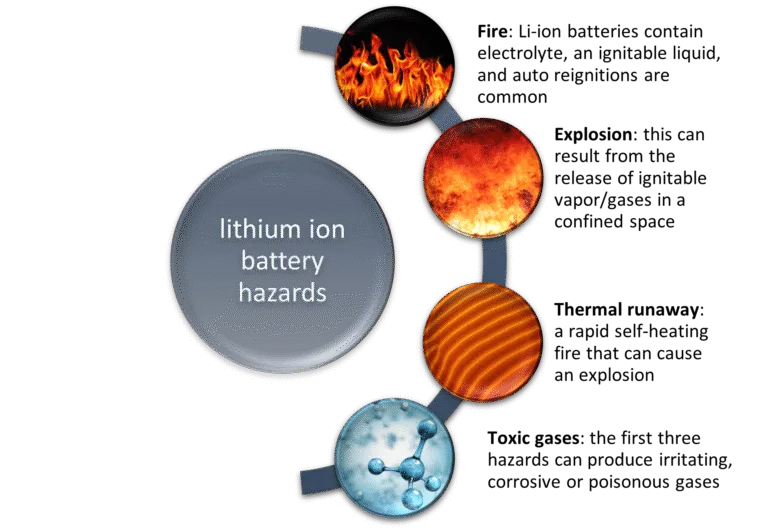
- Battery Chemistry: LiFePO4 (Lithium Iron Phosphate) batteries are highly recommended. They are inherently safer, more stable, and have a longer lifespan than older lead-acid types.
- System Protection: A quality inverter includes vital protection against surges, overloading, short circuits, and over-temperature—all critical in Kinshasa’s harsh electrical environment.
- Professional Installation: Correct wiring, grounding, and component sizing are non-negotiable for safety and performance.
This is why choosing integrated residential energy storage solutions designed for African conditions, like COOLI all-in-one systems, is wise. They are engineered with these protections built-in from the start.
Conclusion: Your Path to Power Independence Starts Now
The technology to live independently from SNEL’s unreliable grid is not a future dream—it’s available today in Kinshasa. A solar and battery system is a definitive answer to blackouts, providing clean, quiet, and self-reliant power for your home.
By investing in a scalable home battery storage solution, you are not just buying a product; you are investing in certainty, security, and the freedom to power your life on your own terms.
⚡ Tired of Waiting for the Grid to Return?
Take control of your energy. Speak with our local experts to design a solar battery system that meets your off-grid needs and budget.
Contact us on WhatsApp today to start your journey to energy independence.