10 Powerful Facts About Clean Energy Transformation in Africa
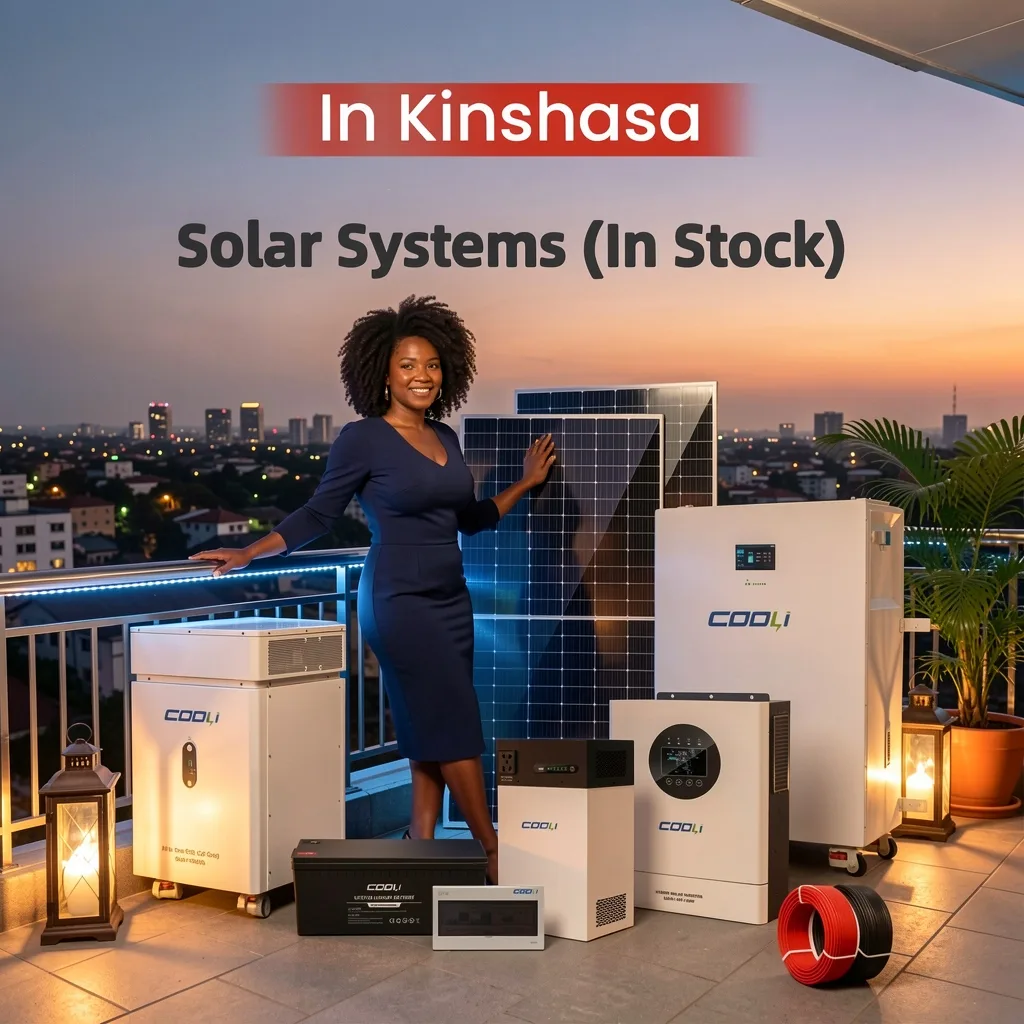
In many parts of Africa, electricity is still a daily challenge. In places like Kinshasa, people often deal with sudden blackouts, unstable voltage, and rising fuel prices. Because of this, more families and businesses are turning to solar power and battery storage systems instead of relying only on the national grid.
The clean energy transition in Africa is not just about protecting the environment anymore. For many Africans, it has become a practical way to solve real-life electricity problems.
1. Solar Power Is Growing Faster Than Ever
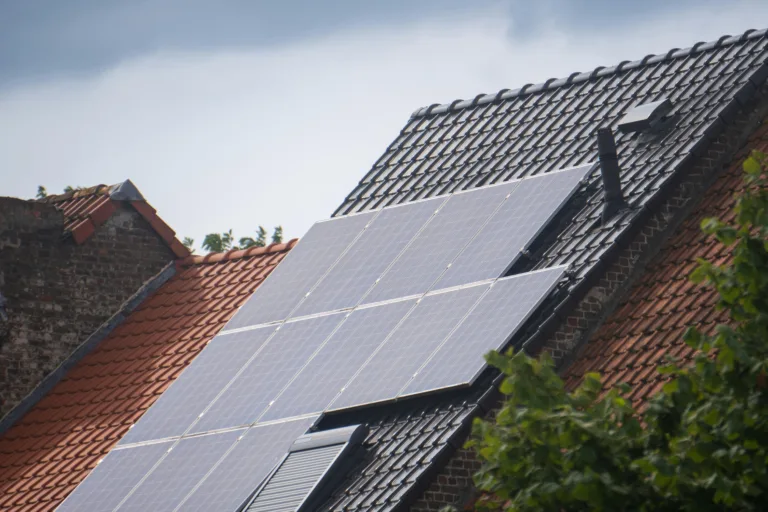
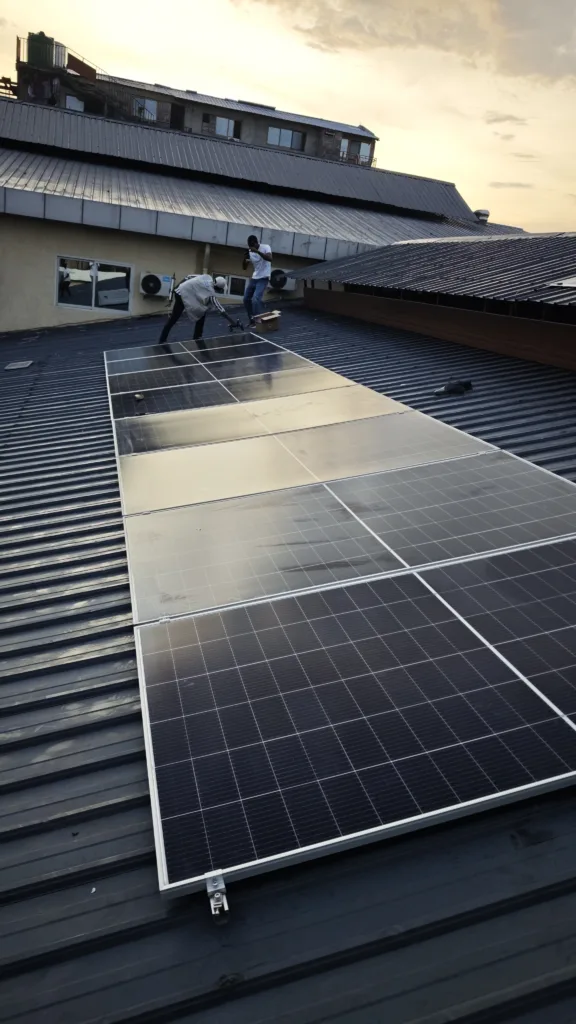
Africa has strong sunlight almost all year round, which makes solar energy a natural choice. In cities and rural areas, solar panels are appearing on rooftops, shops, schools, and offices. More people now see solar as a long-term investment instead of a luxury product.
2. Fuel Generators Are Becoming Too Expensive
For years, generators were the main backup solution during power cuts. But fuel prices continue to rise, and maintenance costs are high. Many business owners in Kinshasa say they spend too much money every month just to keep generators running.
That is one reason why solar systems with lithium batteries are becoming more popular.
3. Battery Storage Is Changing Daily Life
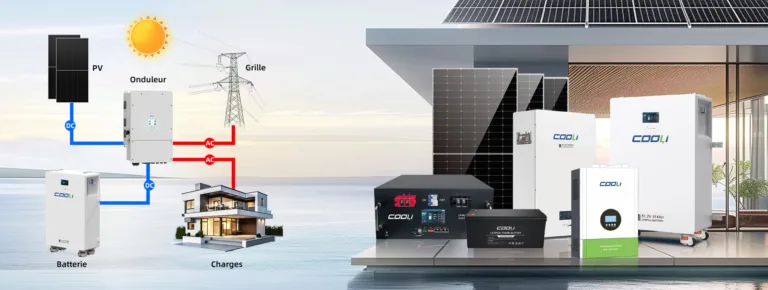
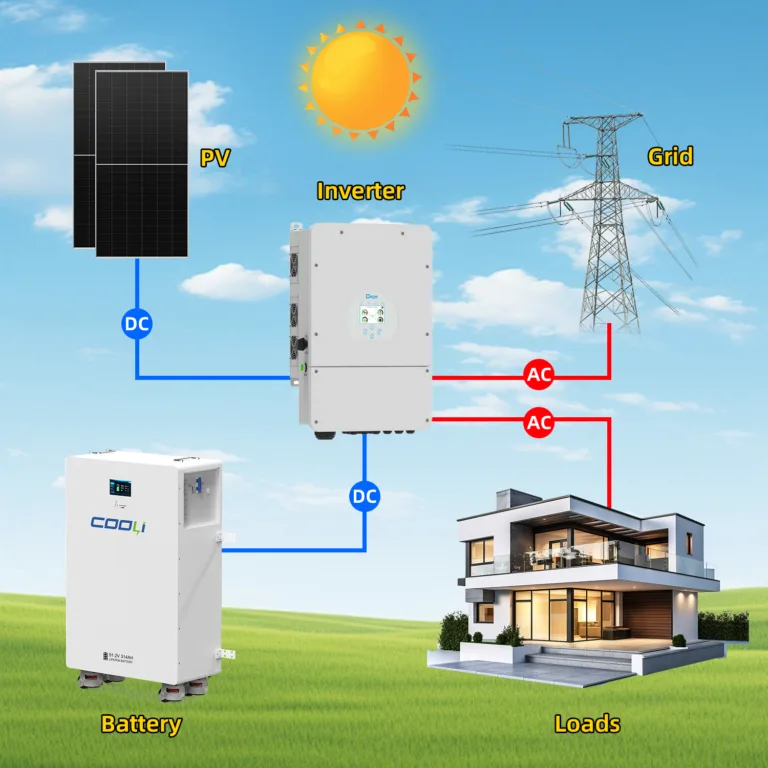
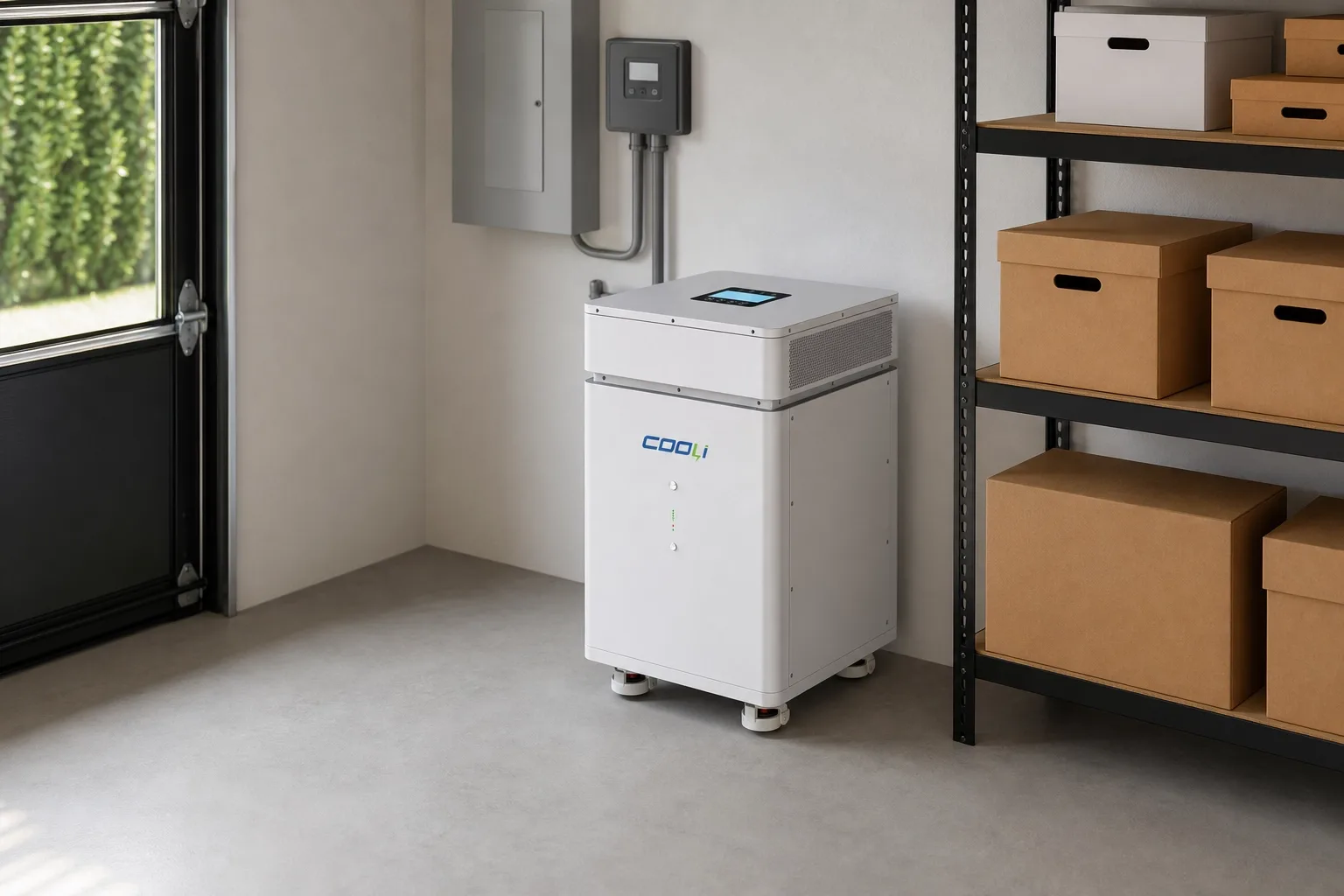
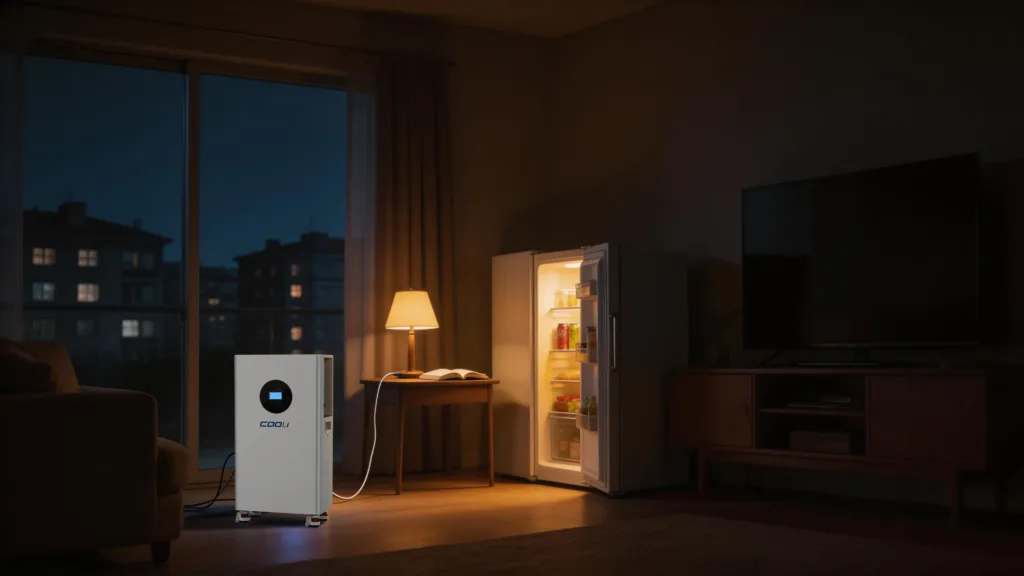
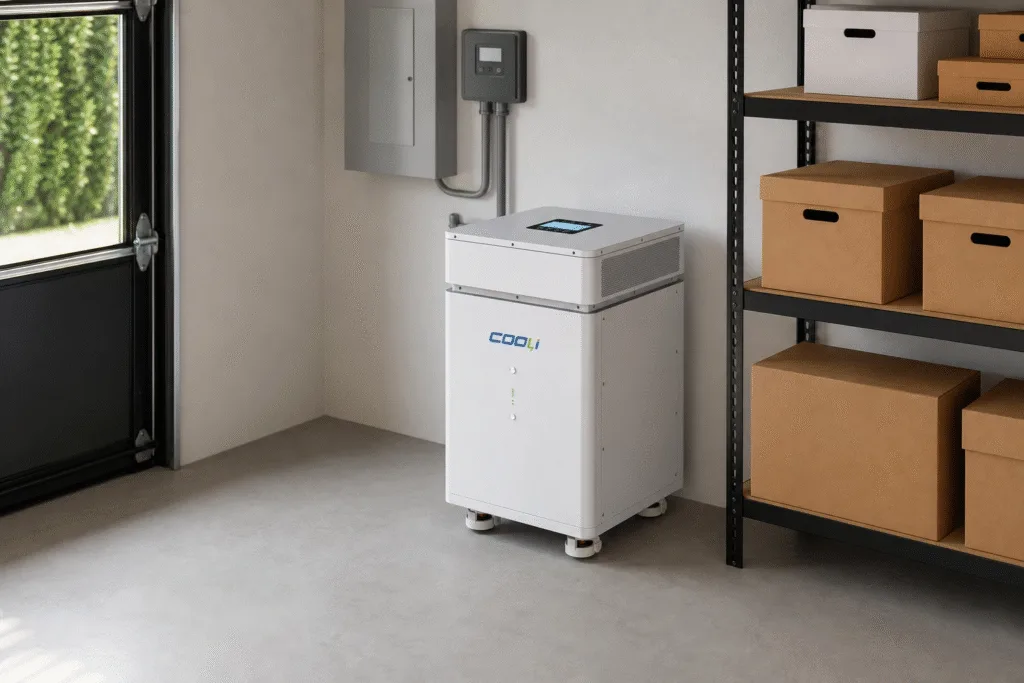
A few years ago, solar systems without batteries could only provide power during the daytime. Today, LiFePO4 battery storage allows homes to keep lights, fans, TVs, and refrigerators working even at night or during outages.
This has improved daily life for thousands of families across Africa.
4. Small Businesses Need Stable Electricity
Hair salons, restaurants, printing shops, and supermarkets all depend on stable power. Even short blackouts can affect customers and damage equipment.
The impact of solar energy on African development can be seen clearly in small businesses that now operate more smoothly with backup energy systems.
5. Rural Areas Are Benefiting the Most
In some villages, electricity from the national grid still does not exist. Solar energy gives these communities access to lighting, phone charging, internet equipment, and cold storage without waiting for expensive grid expansion projects.
For many rural families, solar power is their first reliable source of electricity.
6. The Cost of Solar Systems Is Slowly Dropping
One important reason behind the future of renewable energy in Africa 2026 is affordability. Compared with several years ago, solar panels and lithium batteries are now easier to buy because manufacturing technology has improved and the market has become more competitive.
More middle-income families can now afford home energy storage systems.
7. More African Customers Want Long-Term Solutions
Many customers are no longer looking for temporary fixes. They want energy systems that can last for years with low maintenance costs.
Because of this, high-quality lithium batteries are replacing traditional lead-acid batteries in many homes and commercial projects.
8. Technical Support Has Become Very Important
One of the biggest clean energy transition challenges and solutions in Africa is after-sales service. Customers want local support, installation guidance, and faster delivery.
In markets like Kinshasa, companies with local warehouses and technical teams are usually trusted more by buyers.
9. Governments and Investors Are Supporting Green Energy
Across Africa, renewable energy projects are receiving more attention from both governments and private investors. New solar farms, mini-grid systems, and battery storage projects are being developed in different countries every year.
This is helping speed up Africa’s move toward cleaner energy.
10. Clean Energy Is Becoming Part of Africa’s Future
The way Africans use electricity is changing quickly. Solar power is no longer seen as an “alternative” energy source. In many places, it is becoming the first choice because it is quieter, cleaner, and more economical over time.
For cities like Kinshasa, renewable energy is helping families and businesses reduce dependence on unstable electricity and costly fuel generators. The clean energy transformation in Africa is already happening step by step, and the demand is expected to continue growing in the coming years.