Nejlepší solární invertor pro domácí použití: 2026 Průvodce nákupem
Nejlepší solární invertor pro domácí použití je hybridní měnič, protože spravuje solární panely, bateriové úložiště, a síťové napájení vše v jedné jednotce, poskytuje domácnostem maximální flexibilitu, účinnost, a záložní ochranu.

Proč je výběr správného solárního invertoru důležitý
Solární invertor je srdcem každého domácího solárního systému. Převádí stejnosměrný proud (DC) elektřinu vyrobenou vašimi solárními panely do střídavého proudu (AC) elektřina, která pohání vaše spotřebiče, světla, a elektroniky. Bez správného měniče, i ty nejkvalitnější solární panely budou mít horší výkon.
Výběr správného solárního invertoru ovlivňuje:
- Energetická účinnost — kolik elektřiny, kterou vaše panely vygenerují, skutečně dosáhne vašeho domova
- Životnost systému — Neodpovídající měnič může zkrátit životnost vašich panelů a baterií
- Spolehlivost zálohování — zda váš dům zůstane napájen během výpadků sítě
- Návratnost investice — správný střídač rychleji snižuje účty za elektřinu a dříve se zaplatí
Jak funguje hybridní střídač
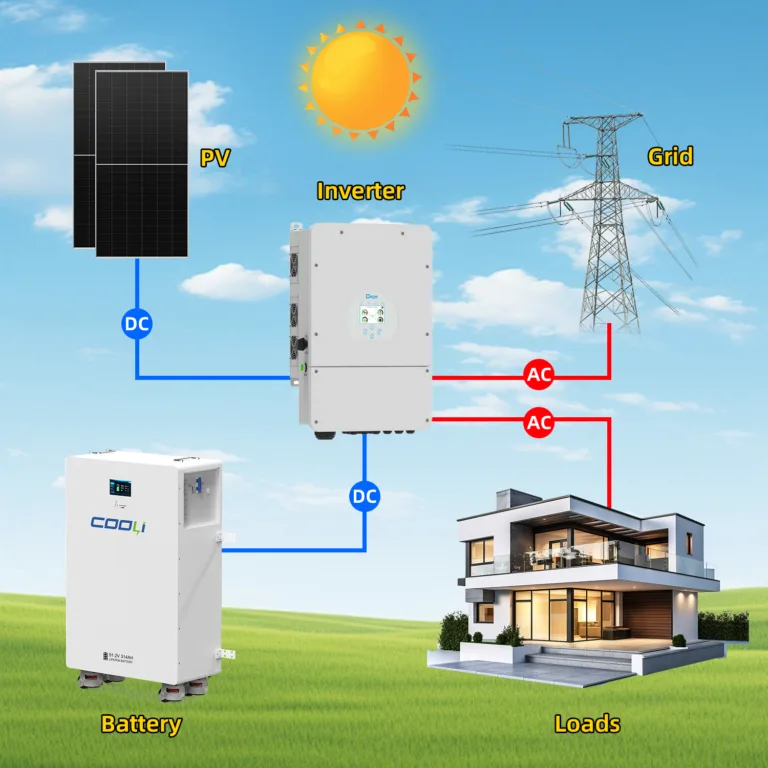
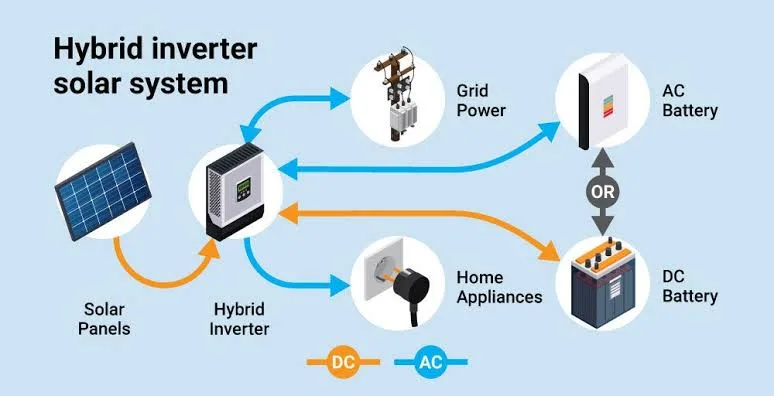
Hybridní invertor spojuje funkce standardního solárního invertoru a bateriového střídače do jediného zařízení. Může:
- Přeměňte solární stejnosměrnou energii na použitelnou střídavou energii pro váš domov
- Nabijte bateriovou banku přebytečnou sluneční energií během dne
- Odebírejte energii z baterie v noci nebo při výpadcích
- Automatické přepínání mezi solárními panely, baterie, a napájení sítě podle dostupnosti
Díky tomuto designu „vše v jednom“ jsou hybridní invertory obzvláště oblíbené pro majitele domů, kteří chtějí jak úsporu energie, tak zabezpečení zálohování – aniž by potřebovali samostatná zařízení pro solární a úložný systém..
Běžné typy solárních invertorů a jejich výhody
| Typ měniče | Nejlepší pro | Klíčový přínos |
|---|---|---|
| Stringový měnič | Jednoduchý, rozpočtové systémy | Nízká cena, snadná instalace |
| Mikroinvertor | Střechy se stíněním nebo více úhly | Optimalizace na úrovni panelu |
| Hybridní invertor | Domy, které chtějí zálohovat baterie | Kombinuje solární + skladování + mřížka |
| Invertor mimo síť | Oblasti s nespolehlivým nebo žádným přístupem k síti | Plná energetická nezávislost |
Pro většinu dnešních domácností, A hybridní invertor nabízí nejlepší rovnováhu nákladů, výkon, a zabezpečení do budoucna – zvláště když ceny baterií stále klesají a spolehlivost sítě se stává pro mnoho domácností větším problémem.
Nejlepší postupy a tipy na nákup domácí solární soustavy
Při nákupu solárního invertoru, mějte tyto faktory na paměti:
1. Přizpůsobte velikost měniče vaší solární soustavě. Správná velikost invertoru pro domácí solární systém obvykle odpovídá celkovému výkonu vašeho panelového pole, s výškou kolem 10–20 %. Například, 5kW solární pole se obvykle dobře spáruje s 5–6kW invertorem.
2. Zkontrolujte kompatibilitu baterie. Pokud nyní nebo v budoucnu plánujete přidat úložiště, potvrďte, že hybridní střídač podporuje vaši preferovanou chemii a kapacitu baterie.
3. Zvažte místní podmínky sítě. V oblastech s častými výpadky proudu, jako v mnoha částech Afriky, Hybridní invertor se silnou bateriovou zálohou a schopností off-grid je často nejpraktičtější volbou pro nepřetržitou domácí energii.
4. Upřednostňujte hodnocení účinnosti. Hledejte měniče s účinností konverze 95% nebo vyšší, aby se minimalizovaly energetické ztráty.
5. Zkontrolujte záruku a podporu značky. Solární invertor je dlouhodobá investice – vyberte si výrobce, který nabízí záruku alespoň 5–10 let a spolehlivou místní servisní podporu.
FAQ
Závěr
Výběr nejlepšího solárního invertoru pro domácí použití spočívá v pochopení vašich energetických potřeb, požadavky na zálohování, a místní podmínky sítě. Pro většinu majitelů domů, hybridní invertor poskytuje nejsilnější kombinaci účinnosti, flexibilita, a klid v duši.
Připraveni dimenzovat správný solární systém pro váš domov? Obraťte se na certifikovaného solárního instalatéra pro individuální posouzení systému a doporučení střídače.