
Atas 3 Baterai Lithium-ion untuk Tata Surya: Pilihan Terbaik di 2025
Peran Inti dari Baterai litium-ion dalam Tata Surya dan Pilihan Terbaik
Dengan semakin populernya tata surya, baterai litium-ion telah menjadi pilihan utama dalam penyimpanan energi karena efisiensinya yang tinggi, umur panjang, dan manfaat lingkungan. Artikel ini menggabungkan informasi tentang produk dan produsen utama untuk menganalisis jenis baterai lithium-ion yang cocok untuk tata surya, kelebihan mereka, dan rekomendasi seleksi.
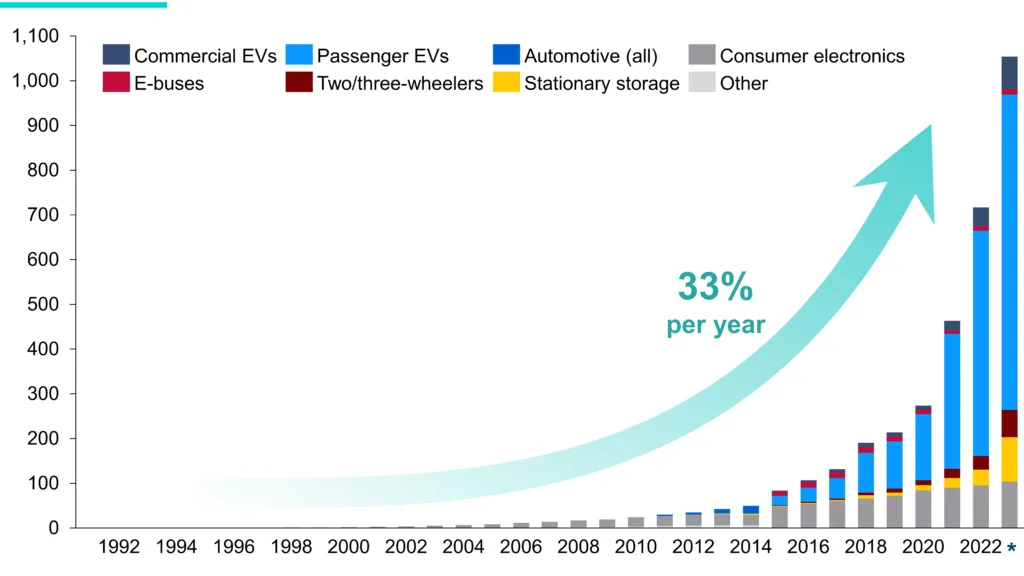
Perbandingan Data Penjualan
1. Volume Penjualan Global (2023):
- Baterai LiFePO₄: 2.5 GWh
- Baterai NCM: 1.8 GWh
- Baterai KPP: 0.6 GWh
- Baterai LiFePO₄ memiliki pangsa terbesar, menjadikannya pilihan utama untuk sebagian besar sistem perumahan dan industri.
2. Tarif Penggunaan untuk Sistem Perumahan dan Industri:
- Dalam sistem perumahan:
- 80% gunakan LiFePO₄
- 15% menggunakan NCM
- 5% menggunakan LTO
- Dalam sistem industri dan komersial:
- 60% gunakan LiFePO₄
- 30% menggunakan NCM
- 10% menggunakan LTO
3. Perbandingan Efisiensi Pengisian/Pengosongan:
- Efisiensi Pengisian/Pengosongan:
- Baterai LiFePO₄: 96%
- Baterai NCM: 92%
- Baterai KPP: 98%
- Siklus Hidup:
- Baterai LiFePO₄: 2000-5000 siklus
- Baterai NCM: 1000-2000 siklus
- Baterai KPP: 10,000 siklus
- Keamanan:
- LiFePO₄: Tinggi, tidak mudah terbakar
- NCM: Sedang, mungkin mengalami pelarian termal
- KPP: Sangat tinggi, stabil di lingkungan ekstrim
4. Perbandingan Harga:
- LiFePO₄: Kira-kira. $120–$180/kWh
- NCM: Kira-kira. $150–$200/kWh
- KPP: Kira-kira. $400–$600/kWh
Keuntungan Baterai Lithium-ion dalam Penyimpanan Energi Matahari
1. Kepadatan Energi Tinggi dan Ringan Dibandingkan dengan baterai timbal-asam tradisional, baterai litium-ion, terutama jenis LiFePO₄, mempunyai kepadatan energi yang lebih tinggi dan lebih ringan. Misalnya, baterai LiFePO₄ 12V 100Ah hanya berbobot 9,36kg, sedangkan baterai timbal-asam dengan kapasitas yang sama dapat memiliki berat hingga 30kg. Hal ini menjadikannya ideal untuk instalasi di atap atau aplikasi seluler seperti RV dan sistem off-grid.
2. Siklus Hidup dan Stabilitas yang Panjang Baterai LiFePO₄ biasanya memiliki masa pakai lebih dari itu 2000 siklus (dengan 80% retensi kapasitas), jauh melebihi 300-500 siklus baterai timbal-asam. Produsen seperti Dinali Energy melakukan pengujian kualitas yang ketat untuk memastikan stabilitas baterai di bawah suhu ekstrem dan menawarkan jaminan mulai dari 1 ke 3 bertahun-tahun.
3. Pengisian/Pengosongan Cepat dan Kompatibilitas Tinggi Baterai lithium-ion mendukung tingkat pengisian/pengosongan yang lebih tinggi (misalnya, 100Sebuah BMS), memungkinkan respons cepat terhadap masukan energi dari panel surya. Melalui cerdas Sistem Manajemen Baterai (BMS), mereka memberikan perlindungan harga yang berlebihan dan pelepasan yang berlebihan, memastikan kompatibilitas dengan inverter dan pengontrol surya.
Jenis Baterai Lithium-ion Terbaik untuk Tata Surya
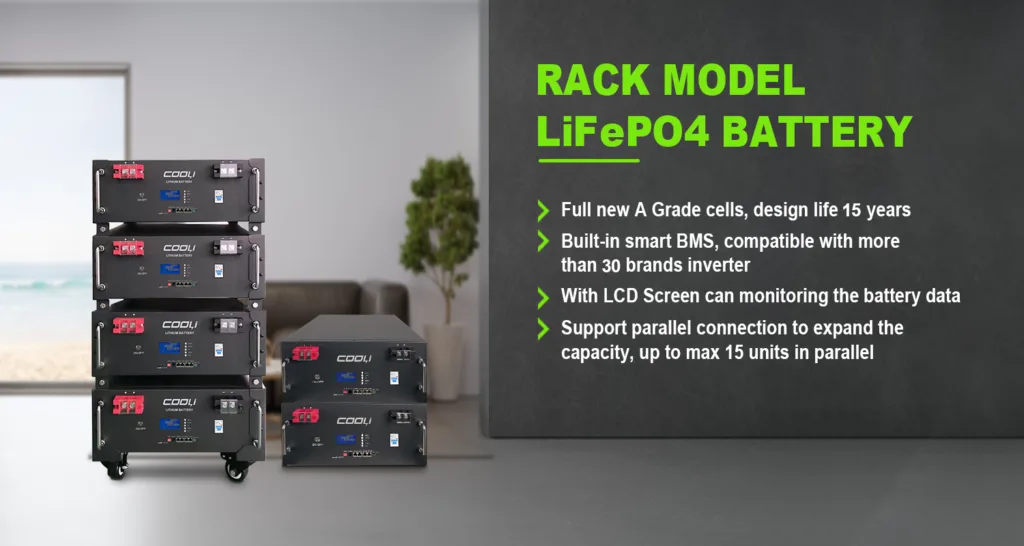
1. LiFePO₄ (Baterai Lithium Besi Fosfat)
- Keuntungan Inti: Keamanan tinggi (stabilitas termal yang kuat), siklus hidup yang panjang (1500-2000 siklus), ramah lingkungan.
- Aplikasi Khas: Penyimpanan perumahan, tata surya off-grid, RV, dll..
- Produk Perwakilan: Baterai LiFePO₄ 12V 100Ah dengan BMS 100A, menawarkan garansi 1 tahun, harga sekitar $139.
2. NCM (Baterai Lithium Nikel Kobalt Mangan)
- Fitur: Kepadatan energi yang lebih tinggi, ideal untuk aplikasi yang sensitif terhadap ruang, tetapi dengan siklus hidup yang sedikit lebih rendah dibandingkan dengan LiFePO₄.
- Aplikasi: Sistem penyimpanan komersial dan industri, pengaturan tenaga surya hibrida dengan permintaan daya tinggi.
3. KPP (Baterai Litium Titanat)
- Keuntungan: Siklus hidup yang sangat panjang (hingga 10,000 siklus), kemampuan beradaptasi suhu yang luas (-30°C hingga 60 °C).
- Aplikasi yang Cocok: Sistem penyimpanan tenaga surya di iklim ekstrem atau sistem mikrogrid dengan siklus pengisian/pengosongan yang sering.
Panduan Pembelian Baterai Lithium-ion Tenaga Surya
1. Pencocokan Kapasitas dan Tegangan Untuk sistem perumahan, 12Baterai V atau 24V biasanya digunakan (misalnya, baterai 12V 100Ah dapat menyimpan energi sekitar 1,2kWh). Penting untuk menghitung total kebutuhan energi berdasarkan daya beban dan durasi sinar matahari.
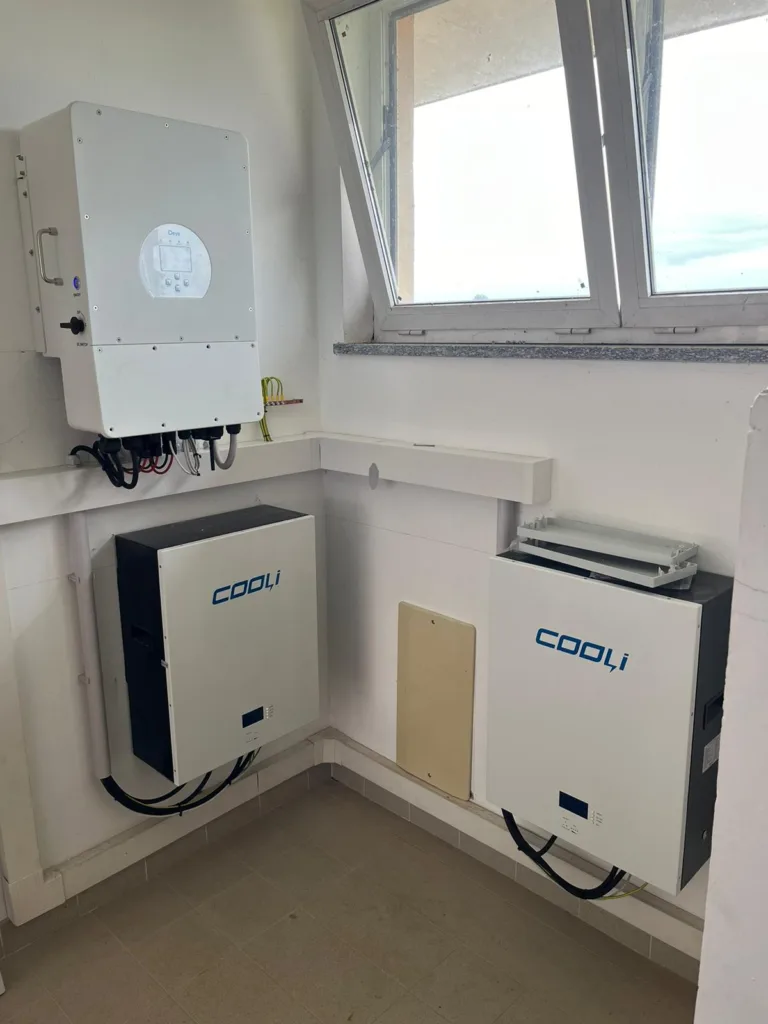
2. Sertifikasi BMS dan Keselamatan Pastikan baterai memiliki BMS terintegrasi yang mendukung perlindungan arus berlebih dan suhu. Pilih produk yang disertifikasi oleh UL, CE, atau TUV (seperti yang dari EastSun ,Sunchee dan Coolithium).
3. Produsen dan Layanan Purna Jual Pilihlah merek yang menawarkan solusi khusus:
- kekuatan total: 30,000 pabrik m², mendukung penyesuaian penyimpanan energi tingkat industri.
- CMGL Tenaga Surya (Pasar Pakistan): Menawarkan solusi baterai Tesla dan Longi dengan garansi sistem 25 tahun.
Produsen Baterai Lithium Global yang Direkomendasikan
1. Matahari Timur (Cina)
- Lini produk mereka mencakup sistem penyimpanan perumahan dan komersial, menyediakan solusi terintegrasi dengan inverter hybrid dan baterai LiFePO₄, disertifikasi oleh UL dan IEC.
2. Energi Cepat (India)
- Spesialisasi dalam energi hijau, memproduksi baterai LFP dan NCM, mendukung inverter surya dan aplikasi microgrid, dan persembahan 24/7 dukungan teknis.
3. keju matahari (Cina)
- Dengan 15 pengalaman OEM selama bertahun-tahun, Sunchees menawarkan inverter gelombang sinus murni dan sistem baterai lithium, mendukung proyek terdistribusi di lebih dari 100 negara.
4. Coolithium(Cina)
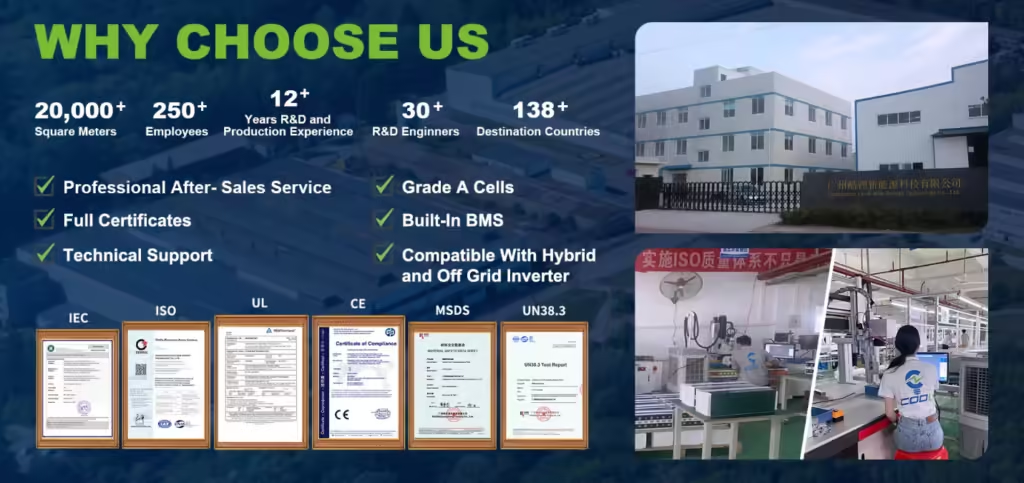
- 15 Pengalaman bertahun-tahun dengan pabrik profesional 3 bangunan untuk produksi, OEM&Pengalaman ODM, Sistem BMS dikembangkan oleh Tim Insinyur kami sendiri, Dapat mencocokkan lebih dari 20 merek inverter. Mendapat ISO9001, UL,itu-021, IEC,CE,CB,UN38.3,MSDS,dll. Sertifikat.
Rekomendasi Pemasangan dan Perawatan
1. Kompatibilitas Sistem Pastikan volume bateraitage sesuai dengan spesifikasi panel surya dan inverter (misalnya, baterai 12V harus kompatibel dengan pengontrol surya 12V).
2. Pemantauan Reguler Gunakan aplikasi pintar yang disediakan oleh produsen (misalnya, Alat pemantauan CMGL Solar) untuk melacak status pengisian dan pemakaian secara real-time.
3. Persyaratan Lingkungan Hindari suhu tinggi atau lingkungan lembab. Baterai LiFePO₄ direkomendasikan untuk dioperasikan dalam kisaran suhu -20°C hingga 60°C.
Kesimpulan
baterai LiFePO₄, karena efisiensi pengisian/pengosongannya yang tinggi, keamanan, dan harga terjangkau, tetap menjadi pilihan utama di sebagian besar sistem perumahan dan industri. Baterai NCM lebih cocok untuk aplikasi berkapasitas tinggi, sementara baterai LTO menonjol di lingkungan ekstrem atau skenario bersepeda frekuensi tinggi. Saat memilih, mempertimbangkan kebutuhan spesifik sistem, dan dari perspektif investasi dan efisiensi jangka panjang, LiFePO₄ adalah pilihan terbaik dalam banyak kasus.
Sumber Ikhtisar Pasar Baterai Surya Global: https://www.marketresearchfuture.com/reports/solar-battery-market-10621
10Baterai LiFePO4 kWh 10Biaya Baterai Tenaga Surya kWh di Myanmar 25Sistem Baterai kWh Semua dalam Satu Kontainer BESS 4MWh Saudi Produsen BESS Cina Baterai Rumah Termurah Solusi BESS Tiongkok Grosir DDP Cina Baterai LiFePO4 Pabrik Cina BESS Skala Grid Cina Pemasok OEM Cina Penyimpanan Baterai Komersial Kenya Solusi DC ESS Solusi DDP Langsung ke DRC Arahkan Tiongkok ke Afrika Baterai Direct China ke Afrika baterai penyimpan energi Sistem Penyimpanan Energi Pemimpin Baterai Lithium Global Baterai Kelas A Pemasok Penyimpanan Baterai Skala Grid Baterai Rumah untuk Keluarga Belanda penyimpanan energi rumah Industri BESS Kenya Asam Timbal vs. Baterai Litium-Ion LiFePO4 baterai LiFePO4 Baterai LiFePO4 di Afrika Selatan Baterai LifePo4 Teknologi Baterai LifePO4 Distributor LiFePO4 di Irak LiFePO4 ESS Kenya Baterai Litium-Ion baterai ion lithium Harga Lebih Rendah Tren Pasar Kabinet Pendingin Cairan Luar Ruangan Pengadaan LiFePO4 Saudi Solusi BESS yang Skalabel untuk Industri Panel Surya tata surya Menumpuk All-in-One Baterai Surya LiFePO4 Grosir Grosir Baterai Tenaga Surya


Satu Komentar