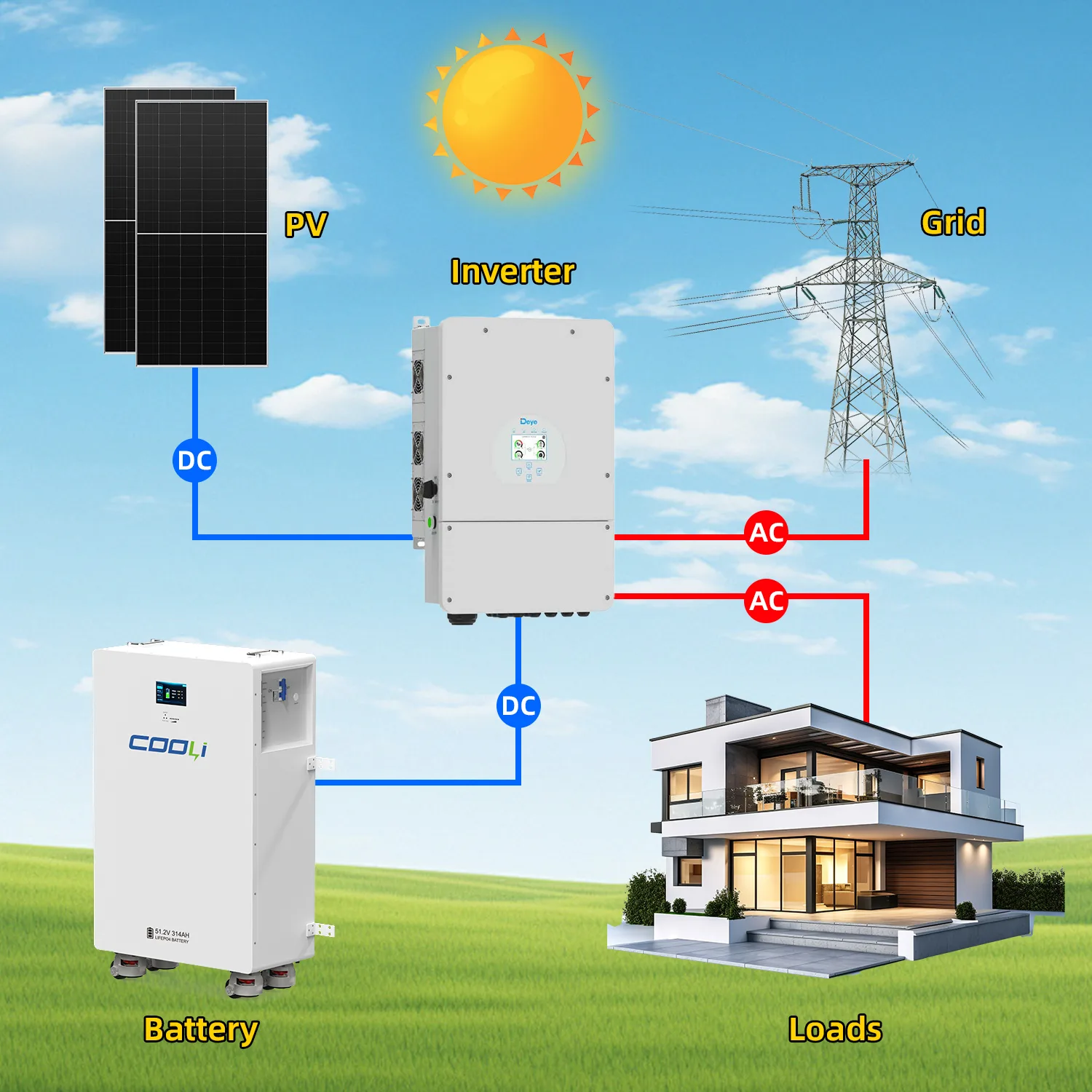
Acquista all'ingrosso batterie di accumulo di energia per il sistema solare 2026: Prezzi, Fornitori & Guida completa all'acquisto
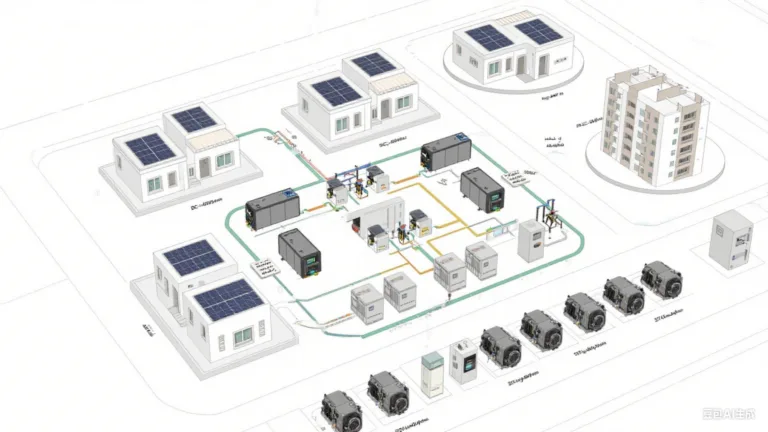
Poiché l’adozione dell’energia solare continua a crescere a livello globale, la domanda di affidabilità batterie di accumulo di energia per sistemi solari sta rapidamente aumentando, soprattutto nei mercati all’ingrosso. Per gli installatori, distributori, e sviluppatori di progetti, capire come fare acquistare all'ingrosso batterie di accumulo di energia per il sistema solare è essenziale per ridurre i costi, migliorare i margini del progetto, e garantire l'affidabilità del sistema.
Questa guida spiega i prezzi all'ingrosso, selezione dei fornitori, configurazione del sistema, considerazioni logistiche, e rischi comuni. È progettato per gli acquirenti B2B che cercano approfondimenti pratici e professionali prima di prendere decisioni di acquisto.
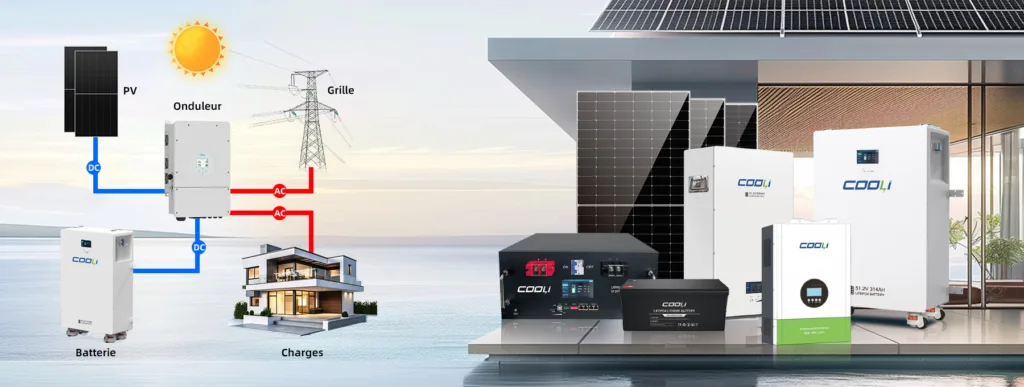
Che cos'è una batteria di accumulo di energia all'ingrosso per sistemi solari?
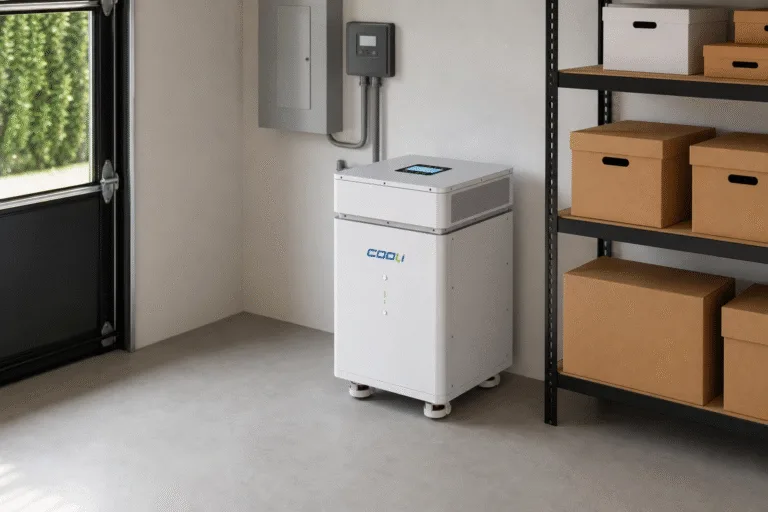
Una batteria di accumulo di energia all'ingrosso si riferisce alle batterie acquistate direttamente dai produttori o dai grandi distributori in grandi quantità, tipicamente per i sistemi ad energia solare, progetti off-grid, o installazioni commerciali.
Le caratteristiche principali includono:
- Il prezzo all'ingrosso è significativamente inferiore a quello al dettaglio
- Specifiche personalizzabili (voltaggio, capacità, Configurazione BMS)
- Opzioni di branding OEM/ODM per i distributori
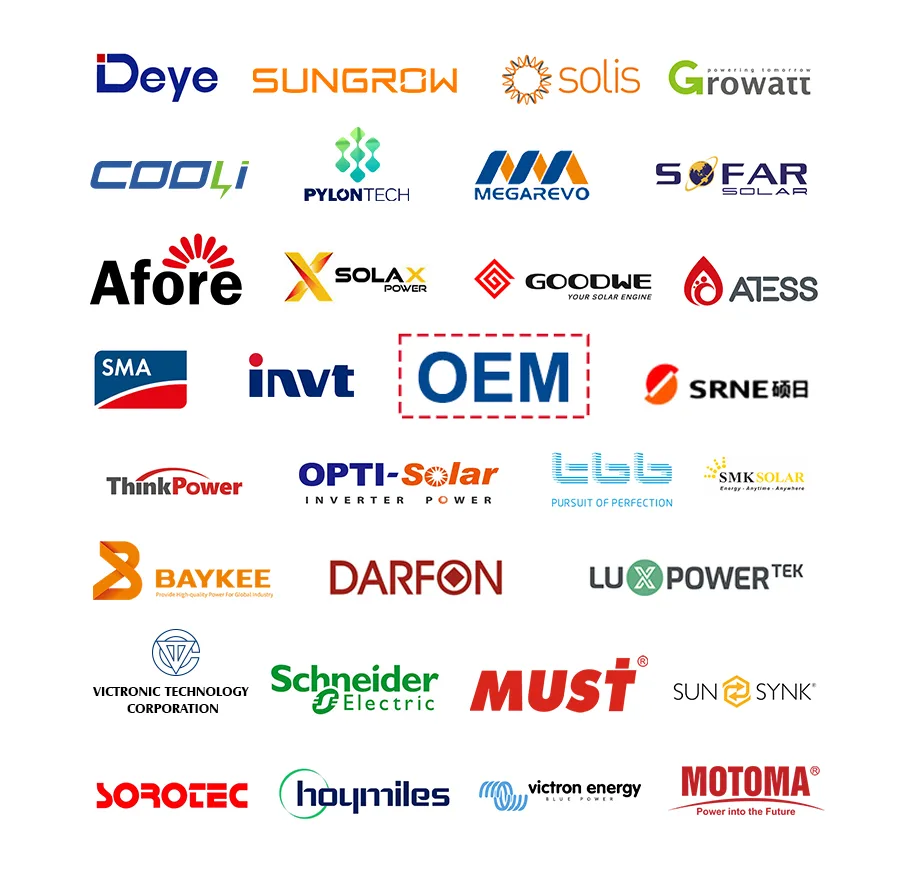
- Compatibilità con inverter solari e sistemi ibridi
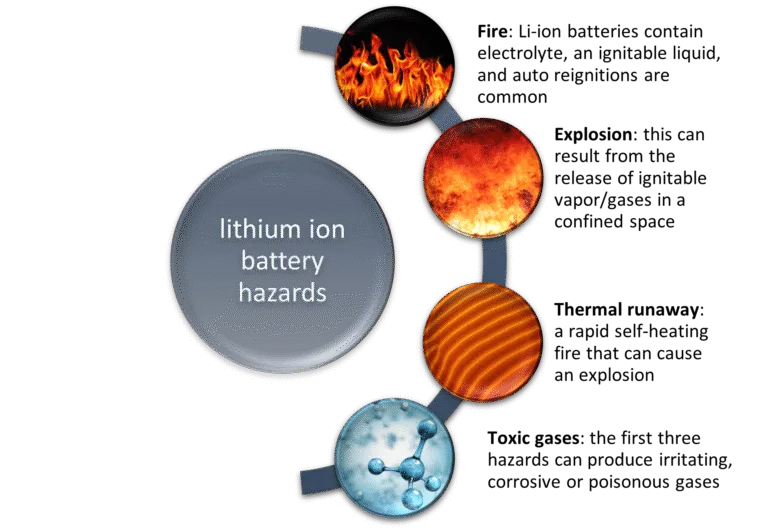
Nelle applicazioni solari, utilizzano i sistemi più moderni LiFePO4 (fosfato di ferro e litio) batterie per la loro sicurezza, ciclo di vita lungo, e stabilità termica.
Quanto costa una batteria di accumulo di energia solare all'ingrosso? 2026?
Il prezzo all'ingrosso varia a seconda della capacità, chimica, e la struttura dei fornitori. Tuttavia, l'intervallo globale tipico è:
- $400–$900 al kWh (livello di fabbrica all'ingrosso)
- 5sistema kWh: $1,500–$3.500
- 10sistema kWh: $3,000–$6.500
- 15sistema kWh: $4,500–$9.000
Fattori che influenzano il prezzo:
- Grado delle celle della batteria (Grado A contro Grado B)
- Chimica della batteria (LiFePO4 contro NMC)
- Qualità BMS e compatibilità con gli inverter
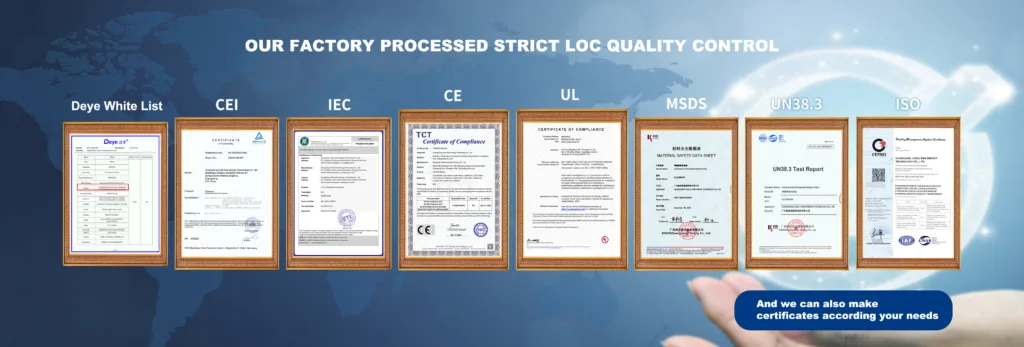
- Certificazioni (ONU38.3, CE, norme CEI)
- Requisiti di personalizzazione OEM
Per gli acquirenti all'ingrosso, l’obiettivo principale non è solo il prezzo unitario ma costo per ciclo utilizzabile nel corso della vita.

Dove acquistare all'ingrosso batterie per l'accumulo di energia per il sistema solare?
Gli acquirenti all’ingrosso hanno in genere tre canali di approvvigionamento principali:
1. Fornitori diretti della fabbrica (Raccomandato)
- Costo più basso per kWh
- Personalizzazione OEM/ODM disponibile
- Ideale per partnership di distribuzione a lungo termine
2. Società commerciali
- Comunicazione più semplice e MOQ inferiore
- Prezzo più alto a causa degli strati di margine
- Adatto per piccoli distributori
3. Distributori locali
- Consegna veloce e supporto locale
- Livello di prezzo più alto
- Opzioni di personalizzazione limitate
Come verificare un fornitore affidabile:
- Audit di fabbrica o verifica video
- Documentazione di certificazione (ONU38.3, CE, Scheda di sicurezza)
- Prova della reale capacità produttiva
- Esperienza di esportazione nei mercati target
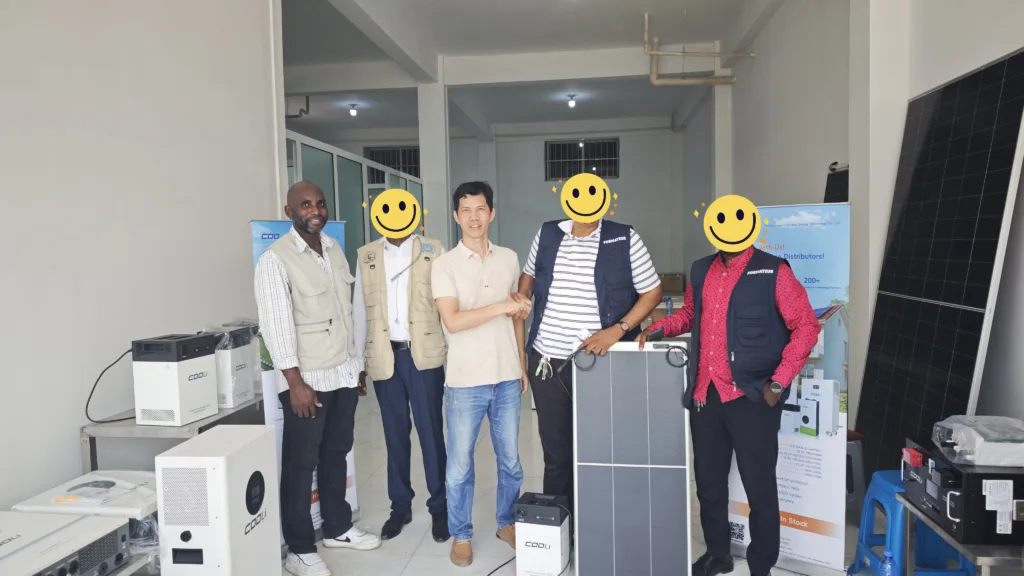
Come scegliere la giusta batteria per l'accumulo di energia per l'acquisto all'ingrosso?
La scelta del giusto sistema di batterie richiede il bilanciamento delle prestazioni, costo, e requisiti dell'applicazione.
Considerazioni chiave:
- Corrispondenza delle dimensioni del sistema: 5kW, 10kW, o sistemi solari da 20kW
- Consumo energetico giornaliero (Calcolo dei kWh/giorno)
- Scalabilità della batteria (sistemi modulari o impilabili)
- Compatibilità con inverter e controllori MPPT
Confronto chimico della batteria:
- LiFePO4: più sicuro, durata di vita più lunga, ideale per l'accumulo solare
- NMC: maggiore densità energetica, ma meno stabile
- Piombo acido: basso costo, ma durata breve e manutenzione elevata
Un sistema ben progettato dovrebbe garantire almeno 10-15 anni di vita operativa per l'ottimizzazione del ROI.
MOQ, Tempi di consegna & Spedizione: Cosa devono sapere gli acquirenti all'ingrosso
L’approvvigionamento all’ingrosso non riguarda solo i prezzi, ma riguarda anche la logistica e la pianificazione della catena di fornitura.
Quantità minima di ordine (MOQ):
- Piccoli ordini OEM: 1–10 unità
- Commercio all'ingrosso standard: 10–50 unità
- Ordini di contenitori: 100+ unità
Tempi di produzione:
- Prodotti standard: 7–15 giorni
- Sistemi OEM personalizzati: 20–30 giorni
Metodi di spedizione:
- Trasporto marittimo (più conveniente per ordini all'ingrosso)
- Trasporto aereo (ordini urgenti o di campione)
- Spedizione DDP (popolare per l'Africa, include lo sdoganamento)
Una corretta pianificazione logistica può ridurre i costi totali allo sbarco del 10-25%.
Rischi comuni quando si acquistano batterie per l'accumulo di energia all'ingrosso
Gli acquirenti all'ingrosso devono valutare attentamente i rischi prima di effettuare ordini di grandi dimensioni.
1. Batterie di bassa qualità o di falsa capacità
Alcuni fornitori potrebbero sopravvalutare la capacità o utilizzare celle di grado B.
2. Mancanza di certificazioni
Senza certificazione UN38.3 o CE, i prodotti potrebbero essere soggetti al rifiuto doganale.
3. Assistenza post-vendita debole
Nessuna garanzia o politiche di sostituzione poco chiare possono portare a perdite a lungo termine.
4. Progettazione del sistema incompatibile
Un abbinamento improprio tra batteria e inverter può ridurre l'efficienza del sistema o causare guasti.
Per ridurre il rischio, richiedere sempre:
- Rapporti di prova
- Politica di garanzia (tipicamente 5-10 anni)
- Test a campione prima dell'acquisto in blocco
Perché gli acquirenti all'ingrosso preferiscono i fornitori di stoccaggio energetico diretto in fabbrica
Acquistare direttamente dai produttori offre vantaggi significativi agli acquirenti B2B.
Vantaggi principali:
- Costo per kWh inferiore rispetto agli intermediari
- Personalizzazione completa (capacità, voltaggio, marchio)
- Catena di fornitura stabile a lungo termine
- Supporto tecnico per l'integrazione del sistema
- Scalabilità per grandi progetti solari
Le partnership di fabbrica consentono inoltre ai distributori di costruire vantaggi del mercato locale, soprattutto nelle regioni emergenti con un’elevata domanda solare.
FAQ: Acquisto di batterie per l'accumulo di energia all'ingrosso
1. Qual è l'ordine minimo per le batterie di accumulo dell'energia all'ingrosso?
La maggior parte delle fabbriche supporta piccoli ordini di prova a partire da 1–10 unità, mentre sconti maggiori si applicano agli acquisti a livello di contenitore.
2. Quanto dura una batteria solare?
Le batterie LiFePO4 di alta qualità durano in genere 10-15 anni o 6,000+ cicli a seconda delle condizioni di utilizzo.
3. Posso personalizzare il marchio della batteria?
SÌ, OEM e etichettatura privata sono comunemente disponibili per gli acquirenti all'ingrosso.
4. Le batterie all'ingrosso sono compatibili con tutti gli inverter solari?
La maggior parte delle batterie moderne sono compatibili con gli inverter ibridi, ma è necessario l'adattamento della tensione.
5. Qual è il tipo di batteria più sicuro per i sistemi solari?
LiFePO4 è attualmente la sostanza chimica più sicura e stabile per lo stoccaggio solare residenziale e commerciale.
Conclusione
Con successo acquistare all'ingrosso batterie di accumulo di energia per il sistema solare, gli acquirenti devono andare oltre il confronto dei prezzi e concentrarsi sulla progettazione del sistema, affidabilità del fornitore, struttura logistica, e prestazioni a lungo termine.
I grossisti e i distributori di maggior successo sono quelli che comprendono non solo le specifiche delle batterie, ma anche scenari applicativi del mondo reale, ambienti di installazione, e il costo totale del ciclo di vita.
Mentre l’adozione del solare accelera a livello globale, soprattutto nei mercati emergenti, le batterie di accumulo di energia all’ingrosso rimarranno una componente fondamentale della catena di approvvigionamento delle energie rinnovabili, offrendo forti opportunità sia ai distributori che agli installatori che scelgono partner di fabbrica affidabili.