Rivoluziona l'energia domestica: 48Le batterie al litio V 100 Ah consentono di risparmiare 1,2 mila dollari all'anno!
Sistemi di accumulo dell'energia domestica: Sinergia tra batterie al litio 48V 100Ah e inverter bidirezionali
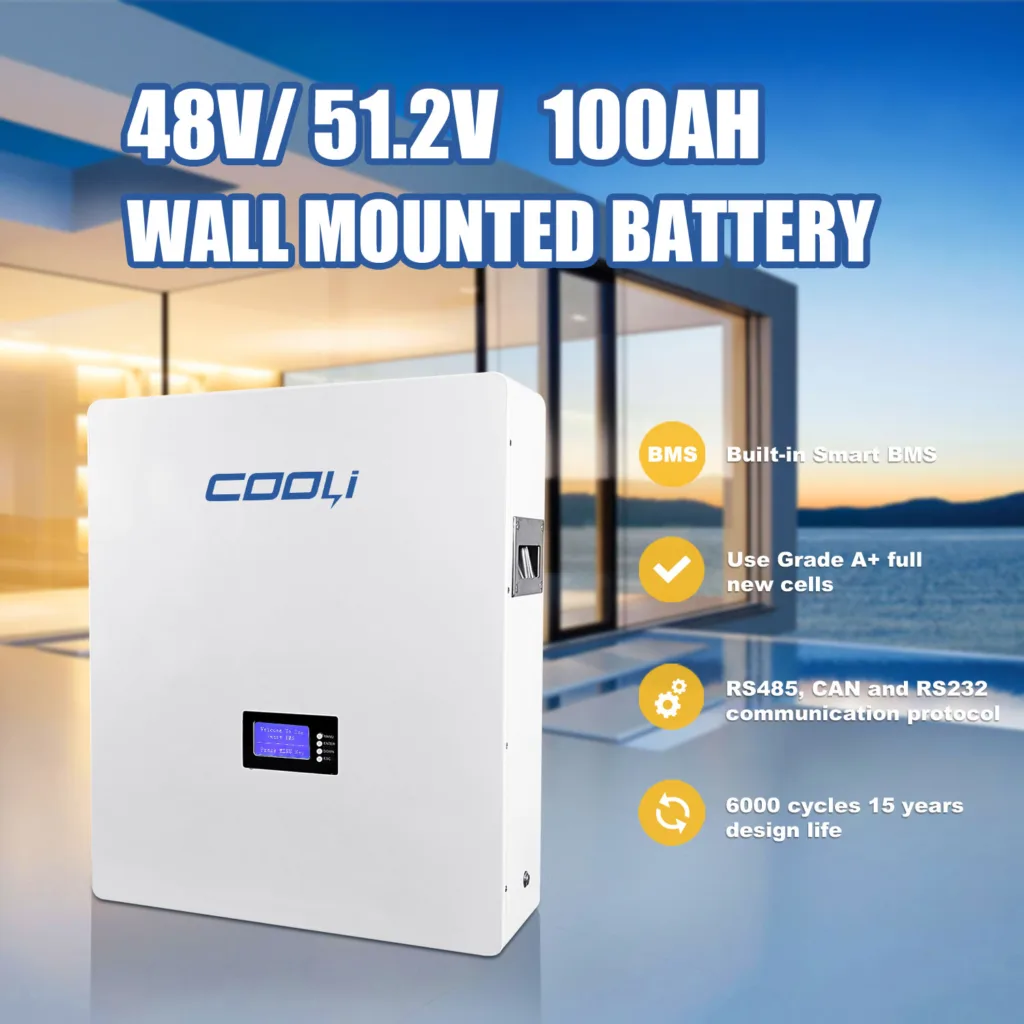
Con la crescente adozione di energie rinnovabili e la domanda di una gestione efficiente dell’energia domestica, 48Batterie al litio da V 100Ah (per esempio., “Batteria 48V 100Ah”) accoppiato con inverter per batterie domestiche stanno emergendo come tecnologie cruciali per raggiungere l’autosufficienza energetica nelle famiglie moderne. Questo articolo esplora l'architettura del sistema, principi operativi, vantaggi, e le tendenze future di queste soluzioni.
1. Architettura del sistema e principi operativi
Un tipico sistema di accumulo di energia domestico comprende tre componenti principali:
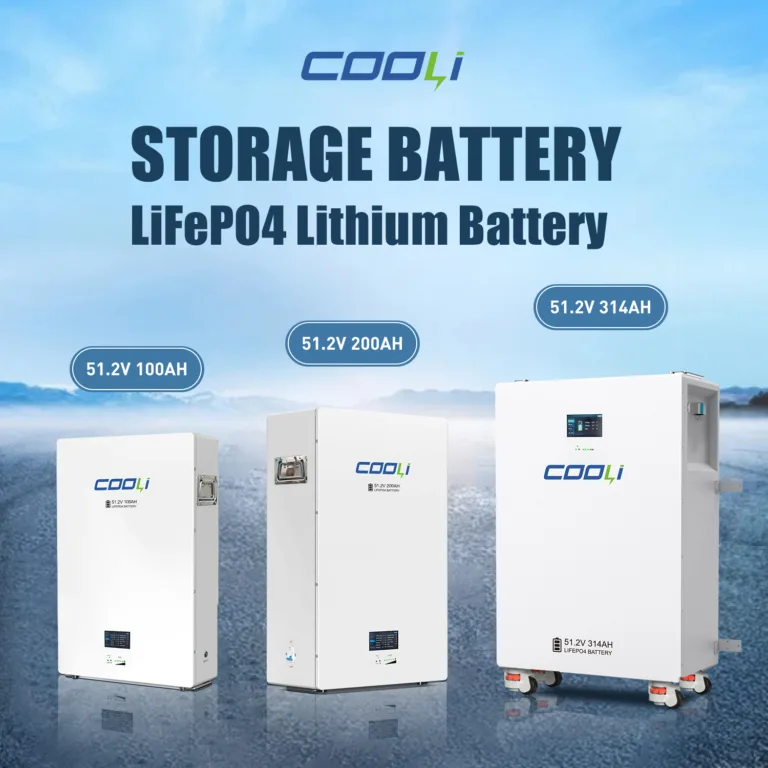
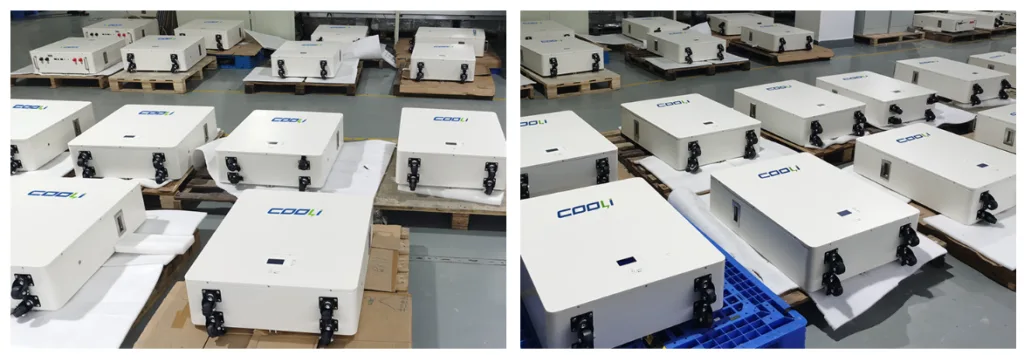
- 48Batteria al litio da 100 Ah: Un'unità di accumulo ad alta densità di energia con un lungo ciclo di vita, ideale per il fabbisogno energetico quotidiano della casa.
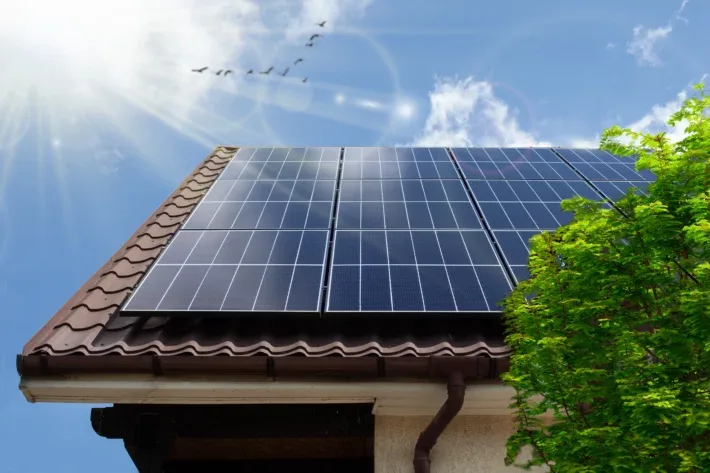
- Pannelli solari: Converti l'energia solare in elettricità CC per caricare direttamente la batteria o alimentare gli apparecchi.
- Invertitore bidirezionale: Gestisce la conversione DC-AC e ottimizza il flusso di energia tra la rete, batteria, e carichi domestici.
Flusso di lavoro operativo:
- Giorno (Generazione solare): L’energia solare dà priorità al consumo domestico. L'energia in eccesso carica la batteria o la reimmette in rete.
- Notte/giorni nuvolosi: La batteria scarica l'energia immagazzinata tramite l'inverter per alimentare la casa, riducendo la dipendenza dalla rete.
- Interruzioni della rete: Il sistema passa alla modalità off-grid, garantendo alimentazione ininterrotta per carichi critici.
2. Vantaggi principali
- Gestione intelligente dell'energia
Gli inverter bidirezionali consentono il monitoraggio in tempo reale della domanda di energia e dei prezzi dell'elettricità. Per esempio, la ricarica durante le ore non di punta e la scarica durante i periodi di punta possono ridurre le bollette elettriche di 20-40%. - Stabilità e sicurezza migliorate
Meccanismi di protezione avanzati (sovraccarico, corto circuito, eccetera.) prolungare la durata della batteria. L'inverter Ninebot 800, compatibile con sistemi a 48V, supporta una potenza di picco di 1600 W per apparecchi ad alta richiesta come i condizionatori d'aria. - Costi e benefici ambientali
Immagazzinando energia rinnovabile, le famiglie riducono le emissioni di carbonio e riducono la dipendenza dalla rete. Un caso di studio della California ha mostrato un 80% riduzione del costo annuale dell'elettricità utilizzando una batteria da 48 V 100 Ah abbinata a pannelli solari.
3. Scenari applicativi
- Consumo domestico giornaliero
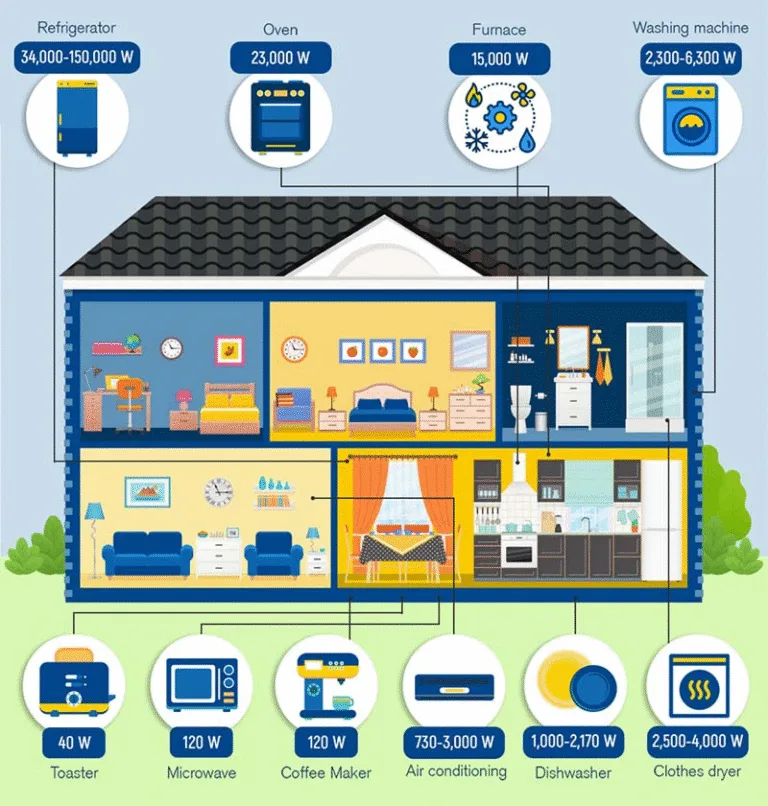
Una batteria da 48 V 100 Ah (4.8capacità kWh) può alimentare dispositivi essenziali per 8-12 ore, coprire un frigorifero (1kWh/giorno), illuminazione (0.5kWh/giorno), e router Wi-Fi. - Alimentazione di riserva di emergenza
Durante i disastri naturali (per esempio., uragani, terremoti), questi sistemi supportano dispositivi critici come apparecchiature mediche fino a 24 ore, sovraperformando i tradizionali generatori di carburante (6–8 ore). Dati dagli Stati Uniti. Il Dipartimento dell'Energia conferma questa affidabilità estesa. - Integrazione della casa intelligente
I sistemi abilitati all’IoT consentono il monitoraggio remoto e la gestione automatizzata dell’energia:- Punto dati 1: Fraunhofer ISE la ricerca mostra algoritmi intelligenti (per esempio., Sole ECO) aumentare l’efficienza energetica tramite 30%, con gli utenti che risparmiano 18–25% sulle fatture mensili tramite l'ottimizzazione controllata dall'app.
- Punto dati 2: Powerwall Tesla utenti che combinano l'energia solare, 48batterie da V, e gli inverter intelligenti risparmiano **1.200/anno∗∗sfruttando i prezzi in base al tempo di utilizzo(sulla base dei 1.200/anno∗∗sfruttando il tempo−Di−usepricing(basato sulla California’S0.30/tariffa kWh).
- Punto dati 3: Wood Mackenzie riporta a 42% crescita nell’adozione di sistemi energetici domestici intelligenti in 2023, con 80% degli utenti che notano a 15%+ aumento della durata del ciclo della batteria grazie alla gestione automatizzata del carico.
4. Tendenze future
- Ottimizzazione basata sull'intelligenza artificiale: Gli inverter integreranno algoritmi predittivi per regolare la carica/scarica in base alle previsioni meteorologiche e ai modelli di utilizzo.
- Espansione multi-scenario: I sistemi si interfacceranno con i caricabatterie per veicoli elettrici (V2G) e microreti per creare reti energetiche decentralizzate.
- Scoperte tecnologiche: Le batterie allo stato solido e gli inverter ad alta efficienza ridurranno ulteriormente i costi e miglioreranno la longevità del sistema.
Conclusione
La combinazione di 48Batterie al litio da V 100Ah E inverter per batterie domestiche rappresenta una soluzione trasformativa per la gestione sostenibile dell’energia. Con progressi nella tecnologia intelligente e incentivi politici, questi sistemi sono destinati a diventare un punto fermo della famiglia, accelerare la transizione globale verso l’energia pulita. Per l'implementazione, gli utenti possono esplorare soluzioni di leader del settore come Pengcheng New Energy o gli inverter ad alte prestazioni di Ninebot.
10Batterie kWh LiFePO4 10Costo della batteria solare kWh in Myanmar 25Sistemi di batterie kWh Tutto in uno Contenitore BESS da 4 MWh saudita Produttore BESS Cina Batteria domestica più economica Soluzioni BESS cinesi Commercio all'ingrosso DDP cinese Batterie LiFePO4 della fabbrica cinese BESS su scala cinese Fornitori OEM cinesi Stoccaggio di batterie commerciali Kenya Soluzioni DC ESS Soluzione DDP diretta nella RDC Dirigere la Cina verso l’Africa Batteria diretta dalla Cina all'Africa batteria di accumulo dell'energia Sistemi di accumulo dell'energia Leader mondiali nel settore delle batterie al litio Batteria di grado A. Fornitore di sistemi di stoccaggio di batterie su scala di rete Batterie domestiche per famiglie olandesi stoccaggio energetico domestico BESS industriale Kenya Piombo-acido vs. Batterie agli ioni di litio LiFePO4 batterie LiFePO4 Batterie LiFePO4 in Sud Africa Batteria LifePo4 Tecnologia della batteria LifePO4 Distributore LiFePO4 in Iraq LiFePO4 ESS Kenya Batteria agli ioni di litio batteria agli ioni di litio Prezzi più bassi Tendenze del mercato Armadio di raffreddamento a liquido per esterni Approvvigionamento saudita di LiFePO4 Soluzioni BESS scalabili per l'industria Pannelli solari sistema solare Impilabile tutto in uno Batterie solari LiFePO4 all'ingrosso Batterie solari all'ingrosso