
Batteria al litio vs. piombo-acido: Confronto completo & Guida all'acquisto【2025】
La guida completa alle batterie al litio e al piombo
Nello stoccaggio dell'energia, batterie agli ioni di litio Ebatterie al piombo dominare il mercato. Sia per i sistemi solari, veicoli elettrici, o attrezzature industriali, la scelta del giusto tipo di batteria influisce sulle prestazioni, costo, ed efficienza a lungo termine. Questo articolo mette a confronto queste due tecnologieciclo di vita, efficienza di ricarica, adattabilità ambientale, e sicurezza, rispondendo a domande frequenti come "Che cos'è una batteria al piombo sigillata".?” e “Che è meglio?" per aiutarti a prendere decisioni informate.
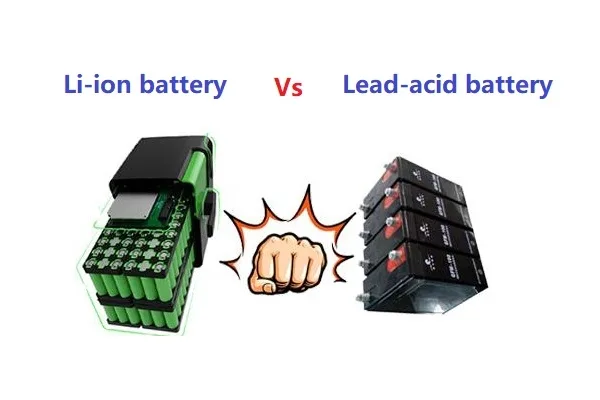
1. Differenze fondamentali tra batterie al piombo e al litio
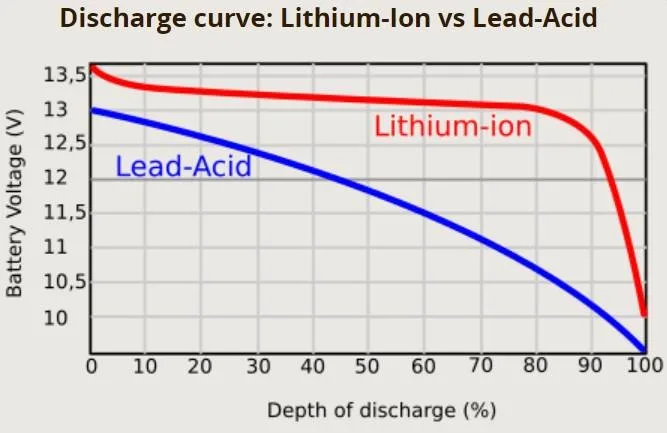
1.1 Ciclo di vita & Efficienza dei costi
- Ioni di litio (per esempio., LiFePO4): 3,000–5.000 cicli, trattenendo 80%+ capacità dopo 2,000 cicli.
- Piombo-acido: 300–500 cicli, con una capacità che spesso scende al di sotto 50% Dopo 150 cicli.
- Informazioni sui costi: Il costo iniziale del litio è 2–3 volte più alto, ma la sua durata riduce le spese a lungo termine del 40-50%.
1.2 Velocità di ricarica & Efficienza energetica
- Litio: Addebiti in2–5 ore (99% efficienza); supporta la “ricarica opportunità” parziale.
- Piombo-acido: Richiede8–10 ore (50–80% di efficienza) e deve essere completamente scaricato prima di ricaricarlo per evitare danni da solfatazione.
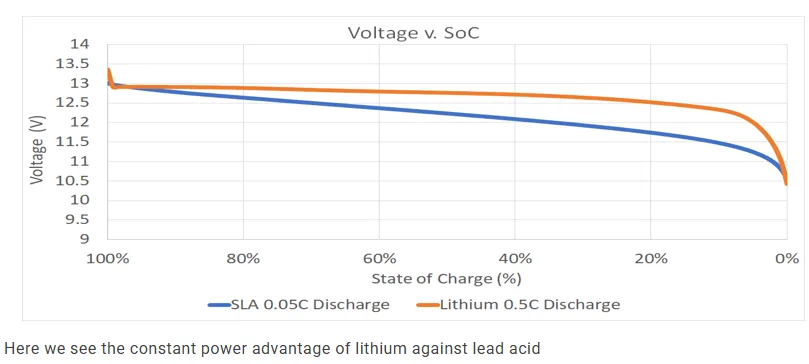
1.3 Tolleranza alla temperatura
- Calore elevato: Il litio dura 2 volte più a lungo del piombo acido a 55°C (131°F).
- Basse Temperature:
- Litio: Consegna 70% capacità a -18°C (0°F) ma non può caricare sotto 0°C (32°F) senza impianti di riscaldamento.
- Piombo-acido: Fornisce 45% capacità a -18°C e consente la ricarica a bassa corrente in condizioni di gelo.
1.4 Peso & Efficienza spaziale
- Il litio ha3× maggiore densità energetica, pesatura 60% meno. Per esempio, un pacco al litio da 48 V/600 Ah pesa circa 700 libbre rispetto a un. 1,800 libbre per piombo-acido.
2. Cos'è una batteria al piombo sigillata (VRLA)?
Piombo-acido regolato da valvola (VRLA) batterie sono esenti da manutenzione con design unici:
- Struttura: L'elettrolita viene assorbito nei separatori o gel AGM, eliminando le perdite.
- Sicurezza: Le valvole limitatrici di pressione prevengono le fuoriuscite di acido durante il sovraccarico.
- Applicazioni: Sistemi UPS, illuminazione di emergenza, dispositivi medici (5–Durata della vita di 10 anni).
3. Che è meglio? Applicazioni chiave decodificate
✅Quando scegliere le batterie al litio
- Applicazioni ad alto ciclo: Accumulo solare, carrelli elevatori (5,000+ i cicli riducono le sostituzioni).
- Usi sensibili al peso: Camper, droni, applicazioni marine.
- Ambienti estremi: Magazzini ad alta temperatura o logistica della catena del freddo.
✅Quando le batterie al piombo brillano
- Vincoli di bilancio: Il costo iniziale è 1/3–1/2 del litio.
- Esigenze di manutenzione ridotte: Le batterie VRLA sono adatte ai sistemi di alimentazione di backup.
- Impostazioni ad alta vibrazione: Costruzione robusta per batterie di avviamento per autoveicoli o macchinari pesanti.
4. Tendenze future: Litio allo stato solido & Eco-innovazioni
Come la tecnologia emergentebatterie al litio-metallo allo stato solido (per esempio., Il prototipo di Harvard da 10.000 cicli con ricarica in 10-20 minuti) Ebatterie acquose (ecologico, non infiammabile) promettere scoperte. Tuttavia, permangono sfide come la crescita dei dendriti e la resistenza alla corrosione.
5. Tabella di confronto rapido
| Fattore | Ioni di litio | Piombo-acido |
|---|---|---|
| Costo iniziale | Alto | Basso |
| Costo a vita | Inferiore (lunga durata) | Più alto (sostituzione frequente) |
| Tempo di ricarica | 2–5 ore | 8–10 ore |
| Intervallo di temperatura | -20°C–60°C (scarico) | -40°C–50°C (carica limitata) |
| Ecocompatibilità | Alto (nessun vantaggio) | Basso (inquinamento da metalli pesanti) |
Guida alle decisioni: Optare perlitio per la longevità, efficienza, e portabilità. Sceglierepiombo-acido per budget limitati o semplici esigenze di backup. Per condizioni estreme (per esempio., ricarica sotto zero), garantire sistemi di gestione delle batterie (BMS) sono integrati.
Esplora di più:
Con questo confronto dettagliato, sei attrezzato per selezionare la soluzione ottimale di accumulo di energia! 🔋
10Batterie kWh LiFePO4 10Costo della batteria solare kWh in Myanmar 25Sistemi di batterie kWh Tutto in uno Contenitore BESS da 4 MWh saudita Produttore BESS Cina Batteria domestica più economica Soluzioni BESS cinesi Commercio all'ingrosso DDP cinese Batterie LiFePO4 della fabbrica cinese BESS su scala cinese Fornitori OEM cinesi Stoccaggio di batterie commerciali Kenya Soluzioni DC ESS Soluzione DDP diretta nella RDC Dirigere la Cina verso l’Africa Batteria diretta dalla Cina all'Africa batteria di accumulo dell'energia Sistemi di accumulo dell'energia Leader mondiali nel settore delle batterie al litio Batteria di grado A. Fornitore di sistemi di stoccaggio di batterie su scala di rete Batterie domestiche per famiglie olandesi stoccaggio energetico domestico BESS industriale Kenya Piombo-acido vs. Batterie agli ioni di litio LiFePO4 batterie LiFePO4 Batterie LiFePO4 in Sud Africa Batteria LifePo4 Tecnologia della batteria LifePO4 Distributore LiFePO4 in Iraq LiFePO4 ESS Kenya Batteria agli ioni di litio batteria agli ioni di litio Prezzi più bassi Tendenze del mercato Armadio di raffreddamento a liquido per esterni Approvvigionamento saudita di LiFePO4 Soluzioni BESS scalabili per l'industria Pannelli solari sistema solare Impilabile tutto in uno Batterie solari LiFePO4 all'ingrosso Batterie solari all'ingrosso
2 Commenti