
Wyzwól swoją fabrykę:150kW Układ Słoneczny dla Nigerii Folia polimerowa Mfg
Lokalizacja celów (Nigeria), przemysł (Folia polimerowa Mfg), i skala rozwiązania (150kW).
Nigeryjscy producenci folii polimerowej borykają się z ciągłymi przerwami w dostawie prądu i ogromnymi wydatkami na olej napędowy. Ten strategiczny plan pokazuje, jak dostosować 150kW układ słoneczny zapewnia niezależność energetyczną, obniża koszty roczne o ponad 5 mln NGN, i eliminuje przestoje produkcyjne. Odkryj technologię magazynowania litu i etapowe wdrażanie, dzięki którym światło słoneczne stanie się Twoją przewagą konkurencyjną.

Poniżej znajduje się szczegółowa analiza komponentów, koszty, składowanie, i wdrożenie:
⚙️ 1.Specyfikacje systemu & Komponenty
- Panele słoneczne:
- 150 System kW wymaga ~375 paneli (400W każdy). Nadaj priorytet markom Tier-1 (np., Słońce) dla trwałości w stosunku do klimatu Nigerii .
- Aby uzyskać wysoką wydajność, należy stosować panele monokrystaliczne (≥22%) w ograniczonej przestrzeni.
- Falowniki:
- Falowniki na skalę użytkową (np., Sungrow’a 99% modele efektywności) zapewniają stabilność sieci i obsługują baterie litowe .
- Włączać 3-4 jednostki (50 kW każdy) dla skalowalności.
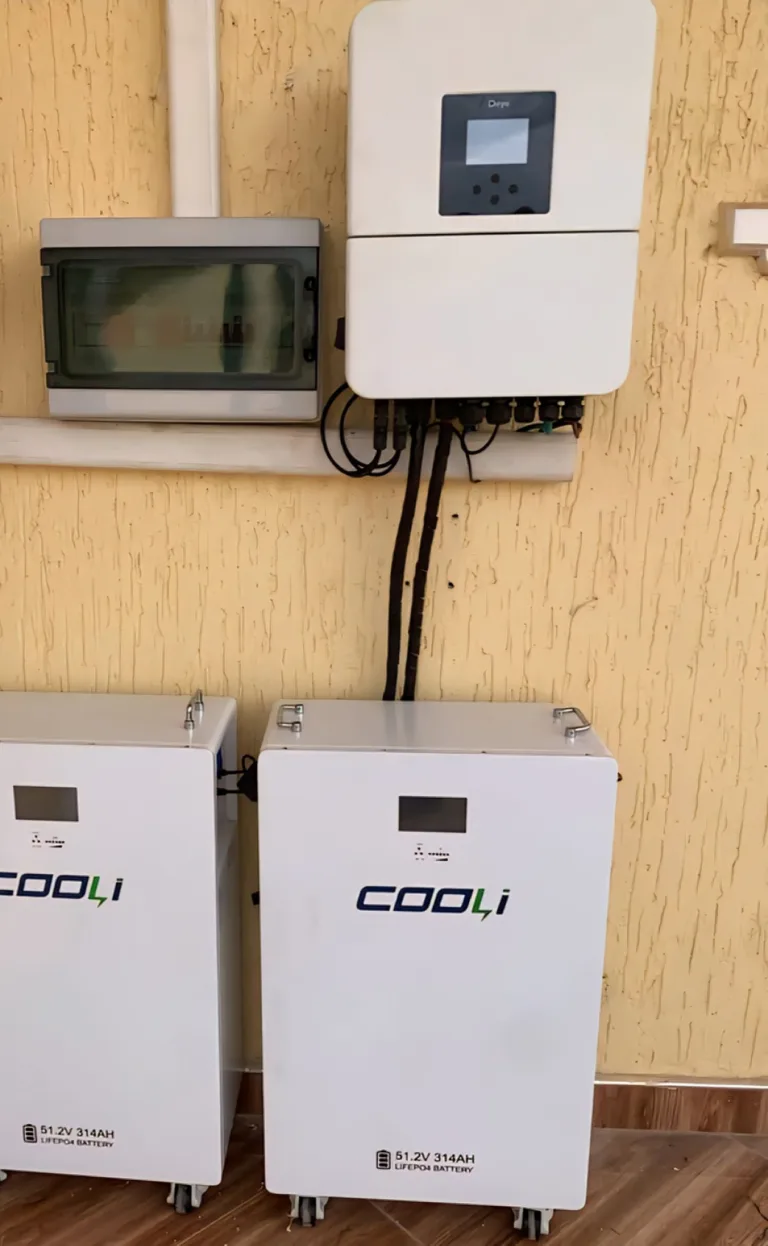
- Przechowywanie baterii:
- Litowo-jonowy (zalecony): 120– pojemność 150 kWh (8– 10 godzin kopii zapasowej).
- Głębokość rozładowania (DoD): 90% vs. 50% dla kwasu ołowiowego .
- Długość życia: 4,000 cykle (vs. 1,800 dla kwasu ołowiowego) .
- Przykład: Huawei 13.5 Jednostki kWh (9–11 jednostek) .
- Litowo-jonowy (zalecony): 120– pojemność 150 kWh (8– 10 godzin kopii zapasowej).
💰 2.Podział kosztów
Inwestycja z góry:
| Część | Koszt (₦) | Notatki |
|---|---|---|
| Panele słoneczne | 18–22 mln jenów | 120 000–150 000 jenów / kW |
| Magazynowanie litu | 9–12 milionów jenów | 60 000–80 000 jenów/kWh |
| Falowniki/sterowniki | 4,5–6 mln jenów | Zawiera kontrolery MPPT |
| Instalacja | 3–4,5 mln jenów | Praca, okablowanie, i mocowania |
| Całkowity | 34–45 milionów jenów |
- Długoterminowe oszczędności:
- Eliminuje koszty oleju napędowego/generatora w wysokości 3–10 mln jenów rocznie .
- Okres zwrotu: 3–5 lat przy obecnych cenach energii.
🔋 3.Składowanie & Krytyczność kopii zapasowej
- Dlaczego lit?:
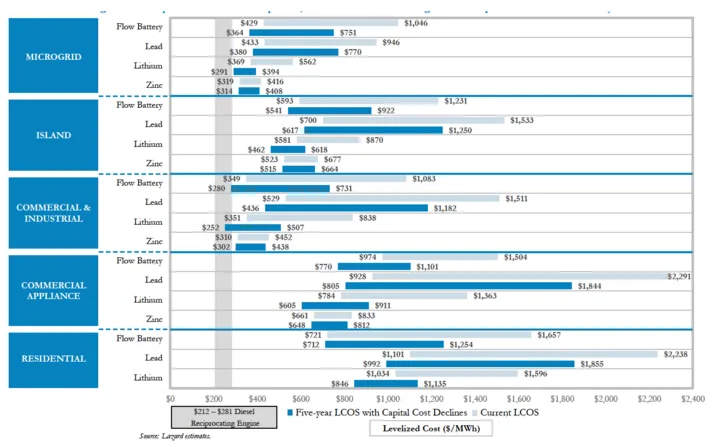
- Niżej Uśredniony koszt przechowywania (LCOS): 5,66 ₦/kWh/cykl vs. kwas ołowiowy 11,32 ₦.
- Obsługuje sprzęt dużej mocy (np., wytłaczarki, chillery) bez spadków napięcia.
- Czas trwania kopii zapasowej: Rozmiar akumulatorów wystarcza na 8–10 godzin, aby pokryć zmiany produkcyjne i awarie sieci. A 150 Do niezawodnego działania system kW potrzebuje 1,2–1,5 MWh magazynowania.
⚡ 4.Zarządzanie energią dla obciążeń produkcyjnych
- Sprzęt krytyczny:
- Wytłaczarki do folii (50–75 kW), chillery (20–30 kW), kompresory (15–25 kW).
- Używać miękkie startery lub napędy zmienne do zarządzania prądami rozruchowymi.
- Inteligentne kontrolery: Technologia sprzężenia prądu stałego zastosowana w SolarEdge maksymalizuje wydajność podczas częściowego zacienienia.
- Konfiguracja hybrydowa sieci: Połącz energię słoneczną z istniejącymi generatorami, aby uzyskać nieprzerwane zasilanie w pochmurne dni.
🌍 5.Czynniki specyficzne dla Nigerii
- Regulamin:
- Przestrzegaj 2024 Standardy SON zapobiegające podrabianiu paneli.
- Stuknij w pożyczki BOI, kredyty węglowe, lub dotacje dla organizacji pozarządowych (np., Oferty o wartości 3,5 mln jenów za pośrednictwem programów podobnych do SGIP).
- Środowiskowy:
- Kurz/zabrudzenia zmniejszają wydajność o 15–25%. Uwzględnij automatyczne systemy czyszczenia.
- Optymalne nachylenie: 10–15° w przypadku czyszczenia wspomaganego deszczem.
🛠️ 6.Plan wdrożenia
- Rewizja: Ocena energetyczna (np., 24-godzinny profil obciążenia).
- Projekt: System hybrydowy z 70% słoneczny + 30% rezerwa generatora.
- Nabywanie: Korzystaj ze sprawdzonych dostawców (np., Huaweia, SolarEdge) z Plan biznesowy związany z energią słonecznąlista dostawców.
- Instalacja: Certyfikowani technicy (unikać “Błędy nigeryjskiego startupu” spowodowanie 60% niepowodzenia).
- Konserwacja:
- Baterie litowe: W przypadku bezczynności ładuj co 3–6 miesięcy.
- Co kwartał czyszczenie panelu i sprawdzanie falownika.
💡 7.Skalowalność & Optymalizacja zwrotu z inwestycji
- Faza 1: 150 Osłony systemu kW ~60% dziennego obciążenia.
- Faza 2: Rozwiń do 300 kW + przechowywanie dla 24/7 operacje.
- Wzmacniacze ROI:
- Sprzedaj nadwyżkę mocy za pośrednictwem umowy PPA (Umowy zakupu energii).
- Użyj przesunięcia czasu użytkowania: Ładuj akumulatory poza szczytem, rozładowanie w godzinach szczytu.
📊 Oczekiwane rezultaty:
- Miesięczne oszczędności: 500 tys.–5 mln jenów z wyeliminowanych kosztów oleju napędowego.
- Zyski produkcyjne: Unikaj 10–30% przestojów spowodowanych awariami sieci.
Aby uzyskać indywidualną wycenę.
10kWh akumulatory LiFePO4 10Koszty kWh baterii słonecznych w Birmie 25Systemy baterii kWh Wszystko w jednym BESS Kontener 4MWh Arabia BESS Producent Chiny Najtańsza bateria domowa Rozwiązania BESS w Chinach Hurtownia DDP w Chinach Baterie LiFePO4 z fabryki w Chinach BESS w skali chińskiej Chińscy dostawcy OEM Komercyjne magazynowanie baterii Kenia Rozwiązania DC ESS Rozwiązanie DDP bezpośrednio do DRK Skieruj Chiny do Afryki Skieruj Chiny do Afryki baterii akumulator energii Systemy magazynowania energii Globalni liderzy baterii litowych Bateria klasy A Dostawca rozwiązań do przechowywania akumulatorów w skali sieciowej Baterie domowe dla holenderskich rodzin domowe magazynowanie energii Przemysłowy BESS Kenia Kwas ołowiowy vs. Baterie litowo-jonowe LiFePO4 akumulatory LiFePO4 Baterie LiFePO4 w Republice Południowej Afryki Bateria LifePo4 Technologia baterii LifePO4 Dystrybutor LiFePO4 w Iraku LiFePO4 ESS Kenia Bateria litowo-jonowa bateria litowo-jonowa Niższe ceny Trendy rynkowe Zewnętrzna szafka chłodząca cieczą Zakup LiFePO4 w Arabii Saudyjskiej Skalowalne rozwiązania BESS dla przemysłu Panele słoneczne układ słoneczny Układanie wszystkiego w jednym Hurtownia baterii słonecznych LiFePO4 Hurtownia baterii słonecznych