Ogniwa akumulatorowe klasy A i klasy B: Jaka jest różnica i który wybrać?
As the demand for solar energy storage continues to grow in Kinshasa and across Africa, more buyers are comparing battery quality before making a purchase. Jednym z najczęstszych pytań jest: What is the difference between Grade A and Grade B battery cells?
Whether you are installing a home solar system, rozwiązanie zasilania rezerwowego, or commercial energy storage project, understanding battery cell grades can help you make a smarter investment.
What Are Grade A Battery Cells?
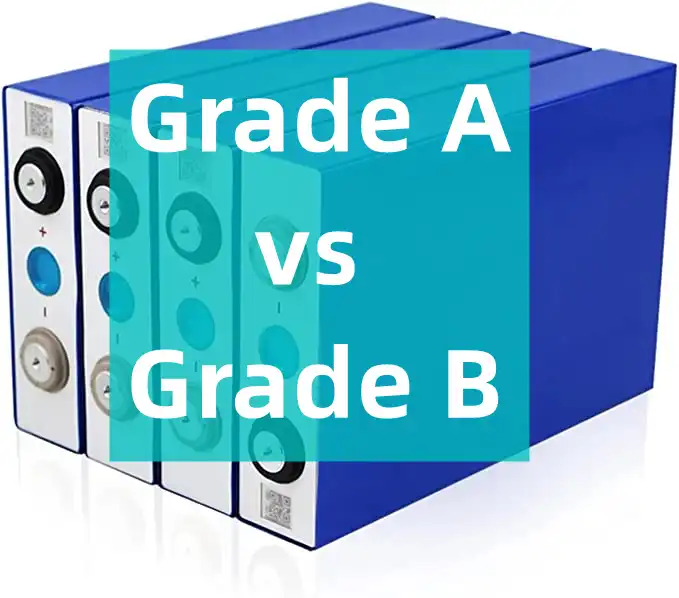
Grade A battery cells are premium-quality cells produced directly by manufacturers and tested to meet strict performance standards. These cells offer the highest level of consistency in capacity, woltaż, internal resistance, i życie cykliczne.
Key benefits of Grade A battery cells include:
- Full rated capacity
- Dłuższa żywotność
- Higher charging and discharging efficiency
- Lepsze bezpieczeństwo
- Stable long-term operation
- Manufacturer warranty support
Most high-quality LiFePO4 batteries used in residential and commercial solar energy storage systems are built with Grade A cells.
What Are Grade B Battery Cells?
Grade B battery cells are cells that do not fully meet the manufacturer’s highest grading standards. This may be due to slight differences in capacity, internal resistance, appearance, or production testing results.
It is important to understand that Grade B does not automatically mean defective. Many Grade B cells remain safe and functional when properly tested and assembled into battery packs.
Common characteristics include:
- Lower purchase cost
- Acceptable performance for many applications
- Slight variations between cells
- Potentially shorter cycle life
- Lower consistency compared to Grade A cells
For budget-conscious users, Grade B battery cells can provide a practical and affordable energy storage solution.
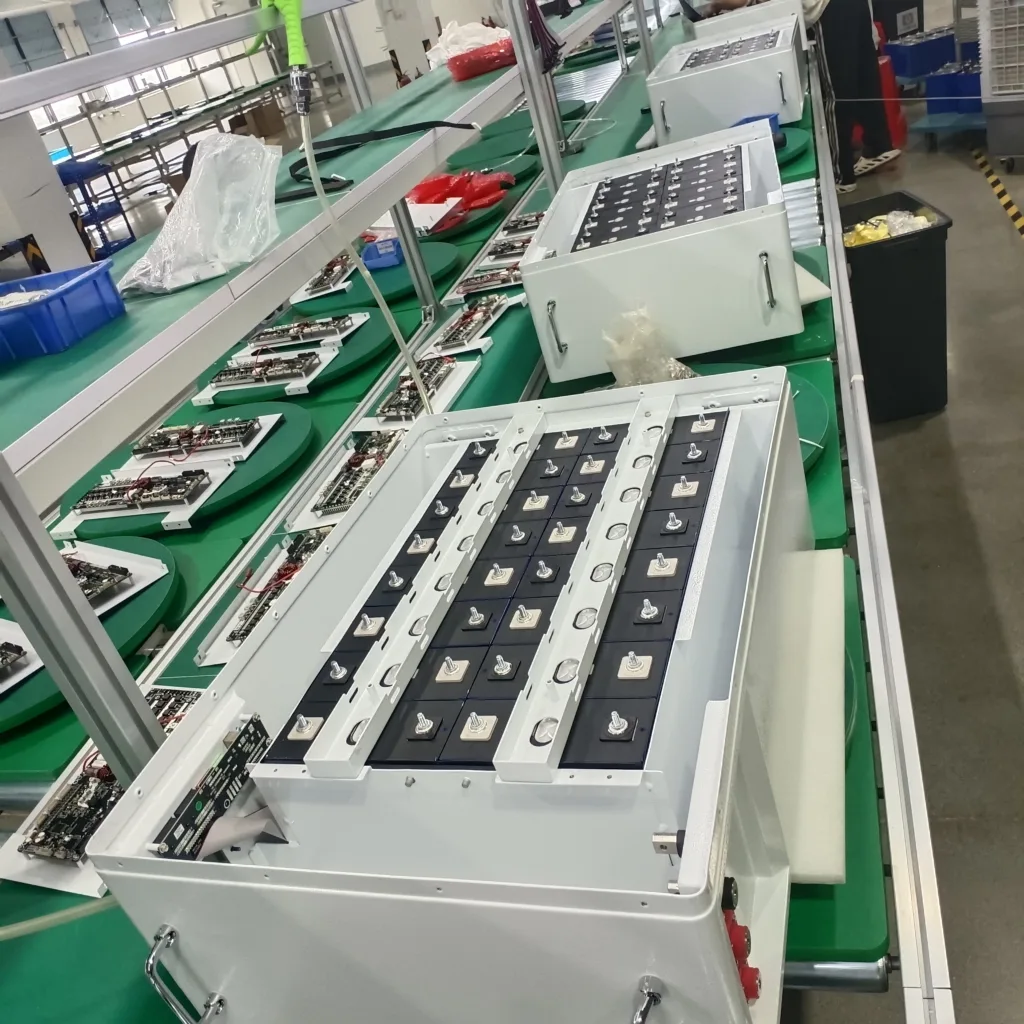
Grade A vs Grade B Battery Cells
| Funkcja | Komórki klasy A | Grade B Cells |
|---|---|---|
| Capacity Consistency | Doskonały | Umiarkowany |
| Cykl życiowy | Longer | Krótszy |
| Performance Stability | Wysoki | Varies |
| Wsparcie gwarancyjne | Usually Available | Depends on Supplier |
| Cena | Wyższy | Niżej |
| Najlepsze zastosowanie | Premium Solar Systems | Budget Solar Systems |
Are Grade B Battery Cells Worth Buying?
Tak, especially when budget is a major consideration.
Many households and small businesses in Kinshasa want reliable energy storage without a large upfront investment. A battery pack built from carefully tested Grade B cells can still provide years of dependable service for home backup power and solar applications.
The key is purchasing from a reputable supplier that performs strict quality control, cell matching, and battery testing before delivery.
A well-built Grade B Bateria LiFePO4 is often a better choice than a poorly assembled battery using low-quality components.
Which Battery Cell Grade Is Best for Solar Energy Storage?
The best choice depends on your needs.
Wybierać Grade A battery cells Jeśli:
- You want maximum lifespan and performance
- Your system operates daily
- You need long-term return on investment
- The project requires high reliability
Wybierać Ogniwa akumulatorowe klasy B Jeśli:
- You have a limited budget
- You need affordable backup power
- Your energy usage is moderate
- The batteries come from a trusted supplier with quality testing procedures
Wniosek
When comparing Grade A and Grade B battery cells, neither option is automatically right or wrong. Grade A cells offer premium performance, dłuższą żywotność, and higher consistency, while Grade B cells provide a cost-effective solution for users seeking lower upfront costs.
For solar users in Kinshasa, the most important factor is choosing a reliable battery manufacturer that performs comprehensive testing and quality control. Whether you select Grade A or Grade B cells, a properly designed LiFePO4 battery system can deliver dependable power and help reduce energy costs for years to come.