
Baterie litowe w układach słonecznych: 5 Kluczowe korzyści zwiększające wydajność 90%
Baterie litowe zrewolucjonizowały magazynowanie energii słonecznej, oferując wyższą wydajność w porównaniu z tradycyjnymi odpowiednikami kwasowo-ołowiowymi. Poniżej znajduje się szczegółowe badanie ich roli w układach słonecznych, wspierane przez wiedzę techniczną i zastosowania w świecie rzeczywistym.

1. Podstawowe zalety Baterie litowe w układach słonecznych
A. Wysoka wydajność & Gęstość energii
- Wydajność w obie strony: Baterie litowe osiągają sprawność na poziomie 95–99%., w porównaniu do 70–85% w przypadku kwasu ołowiowego, minimalizacja strat energii podczas cykli ładowania/rozładowania 13.
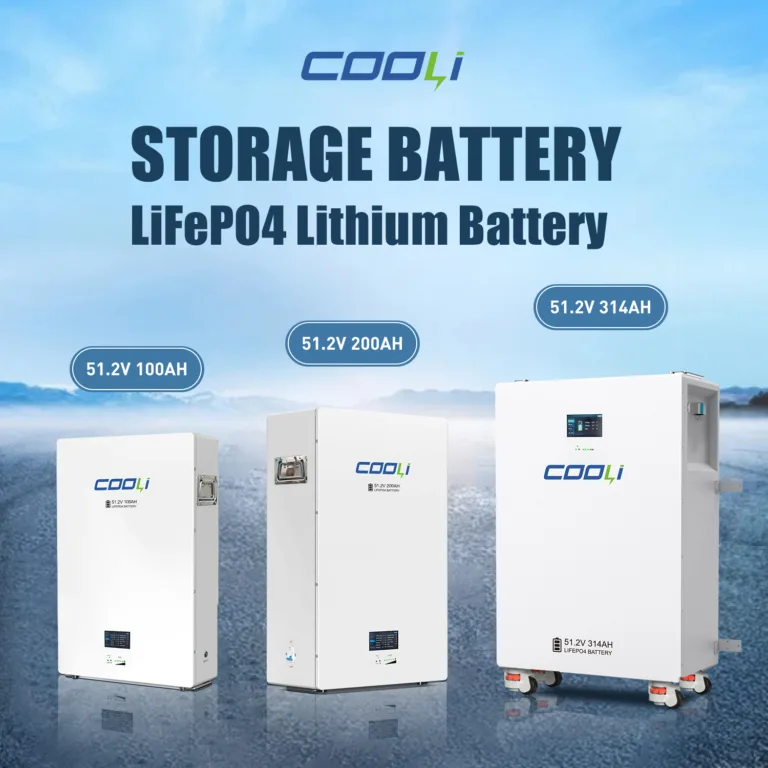
- Gęstość energii: Pakiety litowe przechowują 3 razy więcej energii na jednostkę objętości, zmniejszenie wymagań przestrzennych o 70% 18. Na przykład, A 5.12 System litowy kWh zajmuje o połowę mniej miejsca niż układ kwasowo-ołowiowy o podobnej wydajności.
B. Wydłużona żywotność & Opłacalność
- Cykl życiowy: LiFePO4 (fosforan litowo-żelazowy) akumulatory wytrzymują 2 000–10 000 cykli przy 80% głębokość wyładowania (DoD), trwalszy kwas ołowiowy (300–500 cykli przy 50% DoD) 13. Nad 15 lata, początkowy koszt litu (2–3× wyższy) jest równoważony mniejszą liczbą wymian, co skutkuje o 40–50% niższymi kosztami w całym okresie użytkowania 3.
- Bezobsługowy: W przeciwieństwie do akumulatorów kwasowo-ołowiowych wymagających uzupełniania wody i kontroli zasiarczenia, systemy litowe działają bezobsługowo 28.
C. Szybkie ładowanie & Odporność na temperaturę
- Prędkość ładowania: Ładowanie litu w 2–5 godzin vs. 8–10 godzin dla kwasu ołowiowego, umożliwienie szybkiego przechwytywania energii w godzinach największego nasłonecznienia 13.
- Zakres temperatury: Działa wydajnie w temperaturach od -20°C do 60°C (-4°F do 140°F) dla rozładunku i od 0°C do 49°C (32°F do 120°F) do ładowania. Zaawansowane modele obejmują samonagrzewanie w środowiskach ujemnych 38.
2. Zastosowania w układach słonecznych
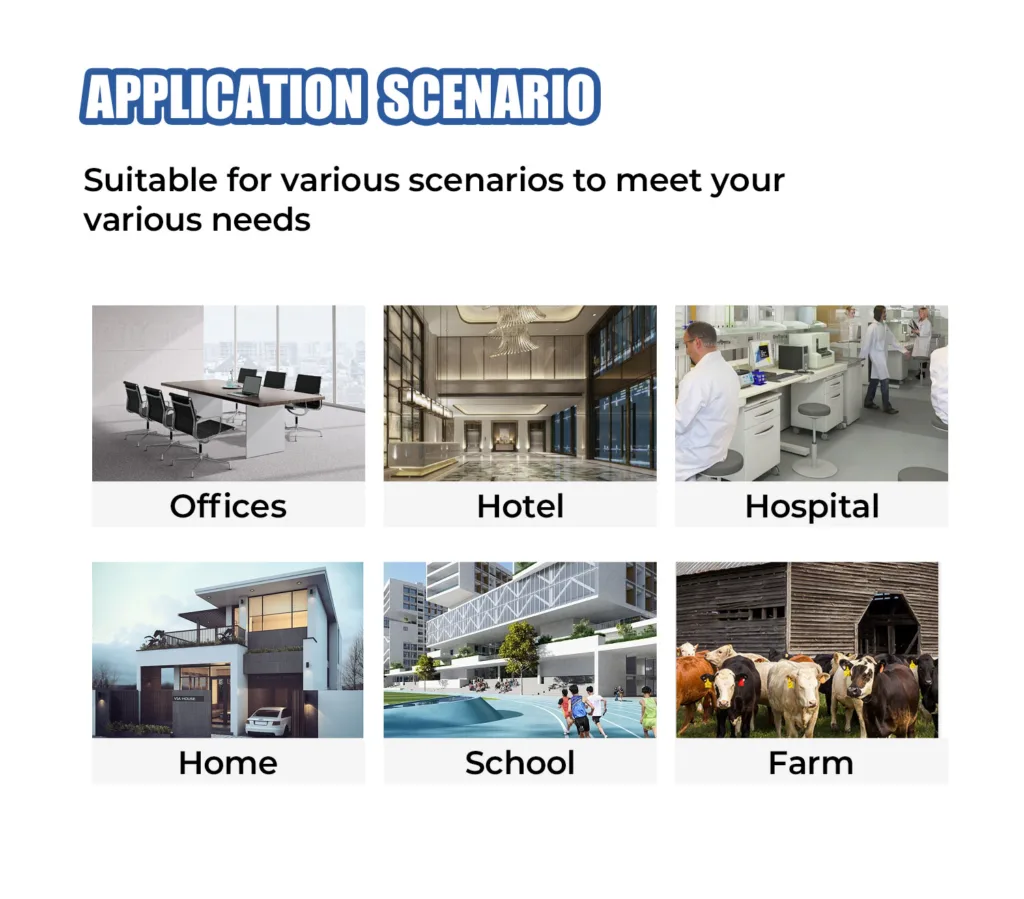
A. Mieszkaniowy & Komercyjne magazyny energii słonecznej
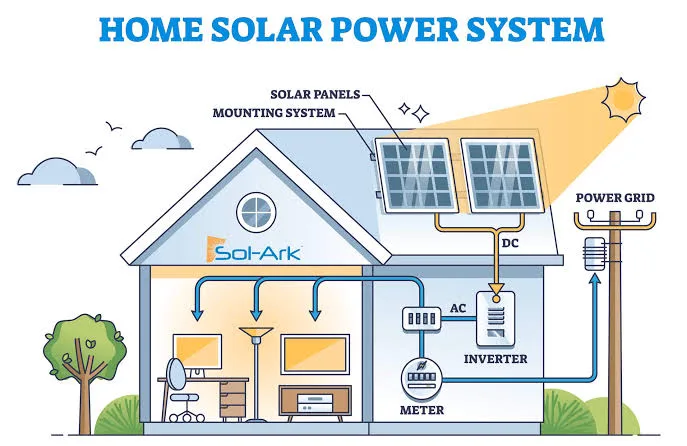
- Niezależność energetyczna: Przechowuj nadmiar energii słonecznej do użytku w nocy lub w przypadku awarii sieci, zmniejszenie zależności od sieci elektroenergetycznych 48.
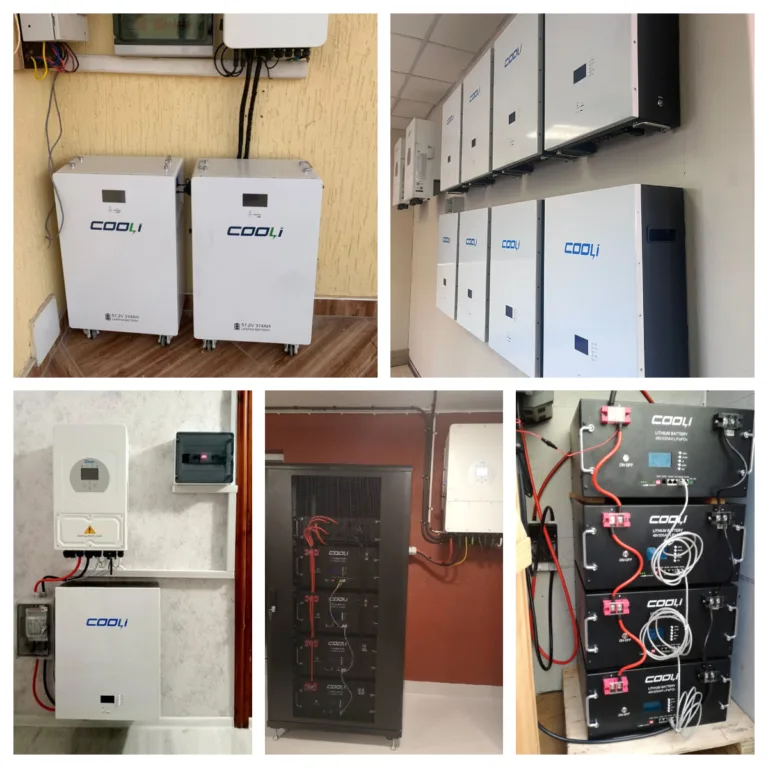
- Skalowalność: Modułowe systemy litowe (np., Jednostki BSLBATT o mocy od 5,12 kWh do 10,24 kWh) umożliwiają łatwe zwiększanie pojemności 8.
B. Poza siecią & Rozwiązania zdalne
- Kemping/samochody kempingowe: Lekkie pakiety litowe (60% lżejszy od kwasu ołowiowego) są idealne do konfiguracji mobilnych 8.
- Kopia zapasowa przemysłowa: Stosowany w telemetrii, zdalne monitorowanie, i infrastruktury krytycznej ze względu na niezawodność i długą żywotność 24.
C. Wsparcie siatki & Mikrosieci
- Szczytowe golenie: Zmniejsz zapotrzebowanie sieci w okresach wysokiego zużycia energii, wykorzystując zmagazynowaną energię słoneczną 4.
- Regulacja częstotliwości: Szybka reakcja litu stabilizuje sieci w hybrydowych systemach odnawialnych 10.
3. Innowacje napędzające przyjęcie
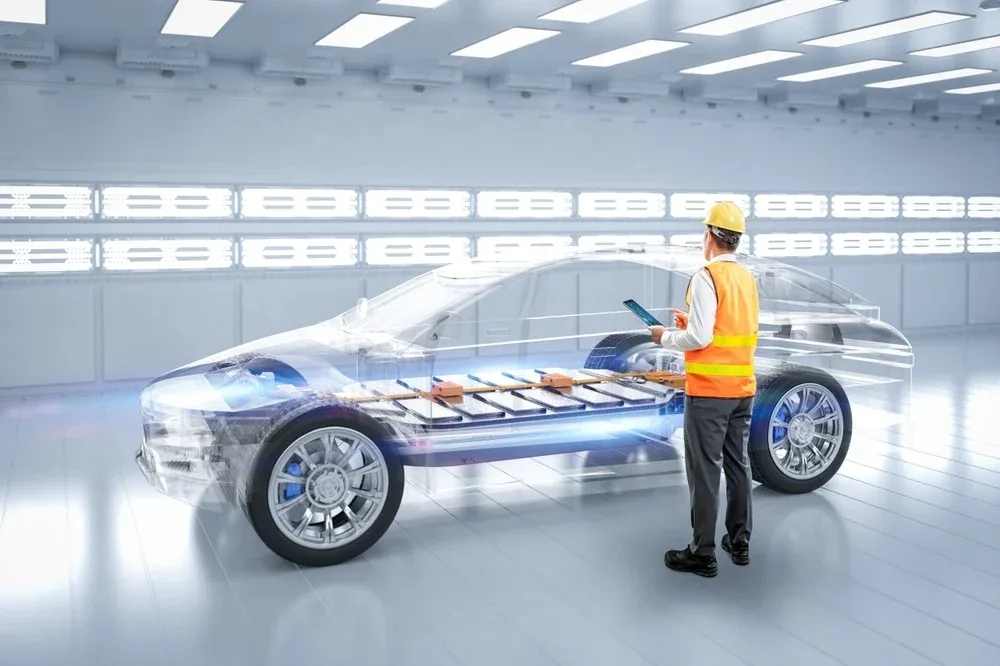
A. Zintegrowane systemy magazynowania energii słonecznej
- Projekty monolityczne: Naukowcy połączyli krzemowe ogniwa słoneczne z półprzewodnikowymi akumulatorami litowymi, osiągnięcie 15.8% efektywność wykorzystania energii słonecznej do magazynowania. Systemy te ładują się 45 sekund w świetle słonecznym i utrzymać wysoki współczynnik rozładowania (28C) 9.
B. Półprzewodnikowy & Technologia stopów litu
- Baterie półprzewodnikowe: Zapewniają większe bezpieczeństwo poprzez zastąpienie łatwopalnych ciekłych elektrolitów. Ostatnie badania podkreślają wyzwania (np., Dendryty Li-In w elektrolitach siarczkowych), ale postęp w inżynierii interfejsów daje nadzieję 710.
- Ogniwa słoneczne domieszkowane litem: Popraw odporność na promieniowanie w zastosowaniach kosmicznych, umożliwienie samoregeneracji po uszkodzeniu cząstkami wysokoenergetycznymi 6.
C. Zrównoważony rozwój & Recykling
- Niższy ślad węglowy: Systemy litowe zmniejszają emisję gazów cieplarnianych o 43–57% w porównaniu z kwasami ołowiowymi w całym cyklu życia 10.
- Infrastruktura recyklingu: Odradzają się rosnące inicjatywy >90% litowy, kobalt, i nikiel, rozwiązanie problemu niedoboru zasobów 10.
4. Wyzwania & Perspektywy przyszłości
A. Aktualne ograniczenia
- Koszt początkowy: Inwestycje początkowe pozostają wysokie, choć ceny spadły 80% od 2010 roku 8.
- Ładowanie na zimno: Wymaga systemów grzewczych poniżej 0°C, dodawanie złożoności 3.
B. Pojawiające się trendy
- Hybrydy sodowo-jonowe: Tańszy i bardziej powszechny niż lit, akumulatory sodowo-jonowe (SIB) zyskują na popularności w zakresie taniego magazynowania sieciowego, chociaż gęstość energii jest opóźniona o 10.
- Zarządzanie oparte na sztucznej inteligencji: Inteligentny BMS (Systemy zarządzania akumulatorami) optymalizować cykle ładowania i przewidywać awarie, przedłużenie życia 14.
5. Przewodnik po decyzjach: Czy lit jest dla Ciebie odpowiedni??
| Czynnik | Lit | Kwas ołowiowy |
|---|---|---|
| Koszt początkowy | Wysoki (1,750–1750–2500/kWh) | Niski (500–500–1000/kWh) |
| Koszt życia | Niżej (10–15 lat) | Wyższy (3–5 lat) |
| Przestrzeń/waga | Kompaktowy, lekki | Gruby, ciężki |
| Konserwacja | Nic | Regularne kontrole |
| Wpływ na środowisko | Niższy ślad węglowy | Ryzyko zanieczyszczenia ołowiem |
Zalecenie: Wybierz lit, jeśli chcesz oszczędzać długoterminowo, wysoka wydajność, i skalowalność. Zdecyduj się na kwas ołowiowy tylko wtedy, gdy ograniczenia budżetowe przewyższają potrzeby w zakresie wydajności.
10kWh akumulatory LiFePO4 10Koszty kWh baterii słonecznych w Birmie 25Systemy baterii kWh Wszystko w jednym BESS Kontener 4MWh Arabia BESS Producent Chiny Najtańsza bateria domowa Rozwiązania BESS w Chinach Hurtownia DDP w Chinach Baterie LiFePO4 z fabryki w Chinach BESS w skali chińskiej Chińscy dostawcy OEM Komercyjne magazynowanie baterii Kenia Rozwiązania DC ESS Rozwiązanie DDP bezpośrednio do DRK Skieruj Chiny do Afryki Skieruj Chiny do Afryki baterii akumulator energii Systemy magazynowania energii Globalni liderzy baterii litowych Bateria klasy A Dostawca rozwiązań do przechowywania akumulatorów w skali sieciowej Baterie domowe dla holenderskich rodzin domowe magazynowanie energii Przemysłowy BESS Kenia Kwas ołowiowy vs. Baterie litowo-jonowe LiFePO4 akumulatory LiFePO4 Baterie LiFePO4 w Republice Południowej Afryki Bateria LifePo4 Technologia baterii LifePO4 Dystrybutor LiFePO4 w Iraku LiFePO4 ESS Kenia Bateria litowo-jonowa bateria litowo-jonowa Niższe ceny Trendy rynkowe Zewnętrzna szafka chłodząca cieczą Zakup LiFePO4 w Arabii Saudyjskiej Skalowalne rozwiązania BESS dla przemysłu Panele słoneczne układ słoneczny Układanie wszystkiego w jednym Hurtownia baterii słonecznych LiFePO4 Hurtownia baterii słonecznych

Jeden komentarz