
50% Spadek kosztów!Przełom baterii w Afryce: Baterie drugiego życia
Odblokowanie przyszłości energetycznej Afryki: Rola Baterie drugiego życia w Zrównoważonym Rozwoju
Ponieważ Afryka stoi w obliczu rosnącego zapotrzebowania na energię, Baterie drugiego życia (lub akumulatory kaskadowe) - przerobiony z wycofanego pojazdu elektrycznego (EW) akumulatory — stają się rozwiązaniem opłacalnym i przyjaznym dla środowiska. Z ponad 600 milionów ludzi pozbawionych niezawodnego dostępu do energii elektrycznej (Bank Światowy, 2023) oraz coraz szybsze wdrażanie energii odnawialnej, baterie kaskadowe mogłyby wypełnić lukę między ubóstwem energetycznym a zrównoważonym rozwojem. W tym artykule zbadano, w jaki sposób Afryka może wykorzystać tę technologię do odblokowania gospodarki, środowiskowy, i wartość społeczna.
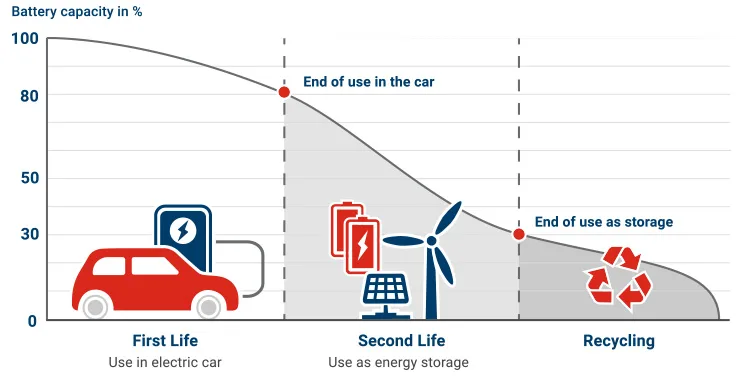
Dlaczego baterie drugiego życia pasują do kontekstu Afryki?
- Ekonomiczne magazynowanie energii
- Niższe koszty początkowe: Baterie kaskadowe są 30–50% taniej niż nowe akumulatory litowo-jonowe (BNEF, 2022), ma kluczowe znaczenie dla rynków o ograniczonych budżetach. Na przykład, Mikrosieć fotowoltaiczna i magazynująca wykorzystująca baterie kaskadowe w Kenii obniżyła koszty instalacji o 40% (Studium przypadku UNDP, 2022).
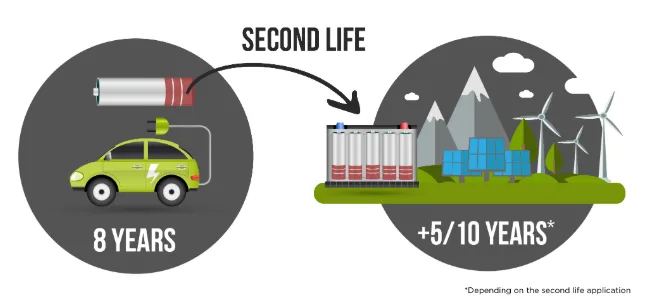
- Wydłużona żywotność: Wycofane akumulatory pojazdów elektrycznych (80% pojemność) może zasilać systemy poza siecią 5–8 lat, opóźnianie zakupu nowych baterii. W Nigerii, ponownie wykorzystane akumulatory EV z Europy wsparły systemy fotowoltaiczne wiejskich klinik, obniżenie kosztów energii o $1,200/rok na obiekt (Raport dotyczący dostępu do energii, 2023).
- Integracja OZE
- Potencjał energii słonecznej Afryki jest ogromny (aż do 10 Pojemność TW), ale niestabilność sieci ogranicza adopcję. Baterie kaskadowe mogą magazynować nadmiar energii słonecznej w godz 50% niższy koszt niż nowe systemy, umożliwienie 24/7 zasilanie dla domów i firm.
- Przykład: Kioski „SolarTurtle” w Republice Południowej Afryki wykorzystują baterie kaskadowe, aby zapewnić przenośną energię słoneczną dla miasteczek, porcja 3,000+ użytkowników miesięcznie za połowę ceny generatorów diesla.
- Redukcja elektroodpadów i zanieczyszczeń
- Import z Afryki ~500,000 mnóstwo zużytej elektroniki rocznie, z niewłaściwą utylizacją zanieczyszczającą glebę i wodę. Baterie kaskadowe opóźniają wywóz śmieci na wysypiska śmieci 5–10 lat, zmniejszenie ryzyka wycieku substancji toksycznych.
- Recykling 1 ton litu dzięki oszczędnościom kaskadowym 15 ton CO₂ vs. wydobycie nowego litu (Z, 2020). Jeśli 50% przyszłych akumulatorów pojazdów elektrycznych w Afryce zostanie ponownie wykorzystanych, mogłoby zapobiec 200,000 mnóstwo elektroodpadów wg 2030 (Projekcja UNEP).
- Tworzenie miejsc pracy i innowacje lokalne
- Regeneracja i konserwacja baterii może spowodować 50,000+ prace przez Afrykę 2030 (Szacunki AfDB). Startupy takie jak Niger Ponownie wprowadzać do obiegu i Kenii Aceli już szkolą techników w zakresie testowania akumulatorów i ponownego ich przeznaczenia.
Kluczowe zastosowania na rynkach afrykańskich
- Systemy off-grid i mini-grid
- Baterie kaskadowe w połączeniu z fotowoltaiką mogą zasilać odległe wioski. W Rwandzie, projekt pilotażowy wykorzystujący zelektryfikowane akumulatory Nissana Leaf 200 gospodarstwa domowe Na 30% niższy koszt niż zamienniki diesla.
- Infrastruktura telekomunikacyjna
- Wieże mobilne zużywają 5–10 kW dziennie, często na dieslu. Zastąpienie grupy MTN w Ugandzie 500 generatory diesla z systemami baterii słonecznych i kaskadowych, obniżenie kosztów paliwa o 70% i emisji CO₂ wg 4,000 ton/rok.
- Produktywność rolnictwa
- Systemy nawadniające zasilane energią słoneczną z akumulatorami kaskadowymi umożliwiają drobnym rolnikom zwiększanie plonów. Zgłoszono projekt z Ghany 40% wyższą wydajność upraw po przyjęciu takich systemów.
- Mobilność miejska
- Wycofane akumulatory pojazdów elektrycznych mogą zasilać e-riksze i motocykle. Kenii Wędruj elektrycznie wykorzystuje akumulatory kaskadowe, aby obniżyć koszty rowerów elektrycznych 25%, kierowanie 10,000 jednostki wg 2025.
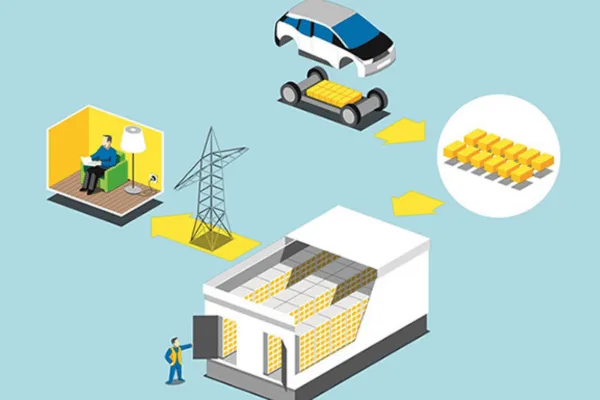
Wyzwania i rozwiązania
- Bariery Techniczne
- Niejednorodność baterii: Mieszane marki/modele akumulatorów komplikują ponowne użycie.
Rozwiązanie: Współpraca ze światowymi producentami samochodów (np., BMW, BYD) standaryzację konstrukcji akumulatorów.
- Niejednorodność baterii: Mieszane marki/modele akumulatorów komplikują ponowne użycie.
- Brak infrastruktury testowej
- Tylko 5% krajów afrykańskich posiada urządzenia umożliwiające ocenę stanu baterii (SOH).
Rozwiązanie: Mobilne jednostki testujące i narzędzia diagnostyczne oparte na sztucznej inteligencji (np., Kenii StimaLabs).
- Tylko 5% krajów afrykańskich posiada urządzenia umożliwiające ocenę stanu baterii (SOH).
- Luki w polityce
- W większości krajów nie ma przepisów dotyczących akumulatorów „drugiego życia”..
Rozwiązanie: Przyjęcie ram takich jak unijny paszport baterii, który śledzi historię baterii.
- W większości krajów nie ma przepisów dotyczących akumulatorów „drugiego życia”..
- Świadomość konsumencka
- Utrzymują się błędne przekonania na temat bezpieczeństwa „używanych” baterii.
Rozwiązanie: Programy certyfikacji i demonstracje prowadzone przez społeczność.
- Utrzymują się błędne przekonania na temat bezpieczeństwa „używanych” baterii.
Historie sukcesu
- Nigeryjska inicjatywa „Rozświetl Lagos”.
- Zastosowano kaskadowe akumulatory z chińskich pojazdów elektrycznych do zasilania latarni ulicznych, zmniejszenie zależności od sieci poprzez 60% i oszczędzanie $2 milion/rok w kosztach energii.
- Elektrownia słoneczna Noor w Maroku
- Zintegrowane akumulatory kaskadowe do magazynowania nadmiaru energii słonecznej, stabilizacja produkcji i serwowania 1 milion+ ludzi w okresie szczytowego zapotrzebowania.
- Partnerstwo Eskom z Republiki Południowej Afryki
- A 20 Kaskadowy system magazynowania baterii o MWh (przy użyciu akumulatorów BMW i3) obsługuje regulację częstotliwości sieci, oszczędność $5 milion/rok w kosztach rezerwowych elektrowni węglowych.
Perspektywy przyszłości
Przez 2030, Kaskadowy rynek baterii w Afryce może przekroczyć$2 miliard, prowadzony przez:
- Adopcja pojazdów elektrycznych: Przewiduje się, że flota pojazdów elektrycznych w Afryce będzie rosła 15% rocznie (Mróz & Sullivana, 2023), tworzenie stałych dostaw wycofanych baterii.
- Dynamika polityki: Unii Afrykańskiej 2030 Ramy zrównoważonej energii priorytetowo traktuje rozwiązania z zakresu gospodarki o obiegu zamkniętym.
- Innowacje technologiczne: Startupy rozwijają platformy blockchain w celu śledzenia stanu baterii i własności, zwiększenie zaufania.
Wniosek
Baterie drugiego życia zapewniają Afryce potrójne zwycięstwo: przystępny cenowo dostęp do energii, zmniejszona szkodliwość dla środowiska, I lokalny wzrost gospodarczy. Aby skalować to rozwiązanie, zainteresowane strony muszą współpracować w zakresie normalizacji, finansowanie, i świadomość. Zamieniając „marnotrawstwo” w bogactwo, Afryka może przewodzić światowemu przejściu na gospodarkę energetyczną o obiegu zamkniętym.
Jeśli potrzebujesz, Proszę Skontaktuj się z nami
Źródła danych: Bank Światowy, UNEP, BloombergNEF, AfDB, UNDP, Z, Mróz & Sullivana.
10kWh akumulatory LiFePO4 10Koszty kWh baterii słonecznych w Birmie 25Systemy baterii kWh Wszystko w jednym BESS Kontener 4MWh Arabia BESS Producent Chiny Najtańsza bateria domowa Rozwiązania BESS w Chinach Hurtownia DDP w Chinach Baterie LiFePO4 z fabryki w Chinach BESS w skali chińskiej Chińscy dostawcy OEM Komercyjne magazynowanie baterii Kenia Rozwiązania DC ESS Rozwiązanie DDP bezpośrednio do DRK Skieruj Chiny do Afryki Skieruj Chiny do Afryki baterii akumulator energii Systemy magazynowania energii Globalni liderzy baterii litowych Bateria klasy A Dostawca rozwiązań do przechowywania akumulatorów w skali sieciowej Baterie domowe dla holenderskich rodzin domowe magazynowanie energii Przemysłowy BESS Kenia Kwas ołowiowy vs. Baterie litowo-jonowe LiFePO4 akumulatory LiFePO4 Baterie LiFePO4 w Republice Południowej Afryki Bateria LifePo4 Technologia baterii LifePO4 Dystrybutor LiFePO4 w Iraku LiFePO4 ESS Kenia Bateria litowo-jonowa bateria litowo-jonowa Niższe ceny Trendy rynkowe Zewnętrzna szafka chłodząca cieczą Zakup LiFePO4 w Arabii Saudyjskiej Skalowalne rozwiązania BESS dla przemysłu Panele słoneczne układ słoneczny Układanie wszystkiego w jednym Hurtownia baterii słonecznych LiFePO4 Hurtownia baterii słonecznych

Jeden komentarz