Lithium Battery vs Lead Acid Battery in Kinshasa: Which Is Better in 2026?
Lithium Battery vs Lead Acid Battery: Which Is Better for Kinshasa?
In Kinshasa, power cuts are not occasional — they are part of daily life.
For many households, electricity outages happen every day, sometimes lasting several hours. This reality forces families to look for reliable backup power solutions.
When choosing a battery for home backup power, most people in Kinshasa face the same question:
Lithium battery vs lead acid battery — which is better for Kinshasa homes?
At first glance, lead acid batteries seem cheaper and more familiar. Lithium batteries, on the other hand, look modern but slightly more expensive. However, the real difference becomes clear only after months of daily blackouts.
In this article, we compare lithium batteries vs lead acid batteries specifically for Kinshasa conditions, focusing on real usage, long-term cost, safety, and performance during frequent power cuts.
Problems with Lead Acid Batteries in Kinshasa Homes
Lead acid batteries have been used in DR Congo for many years. They are common in generators, basic solar systems, and backup setups. But what works on paper does not always work well in real-life Kinshasa conditions.
1. Short Lifespan Under Daily Blackouts
Lead acid batteries are not designed for frequent deep discharge.
In Kinshasa:
- Power cuts happen daily
- Batteries are often discharged to low levels
- Recharging is irregular due to unstable grid power
This usage pattern dramatically shortens lead acid battery life.
A battery that should last 2–3 years often fails in less than 12 months.
Many users end up replacing lead acid batteries every year, sometimes even sooner.
2. Heavy Weight and Installation Problems
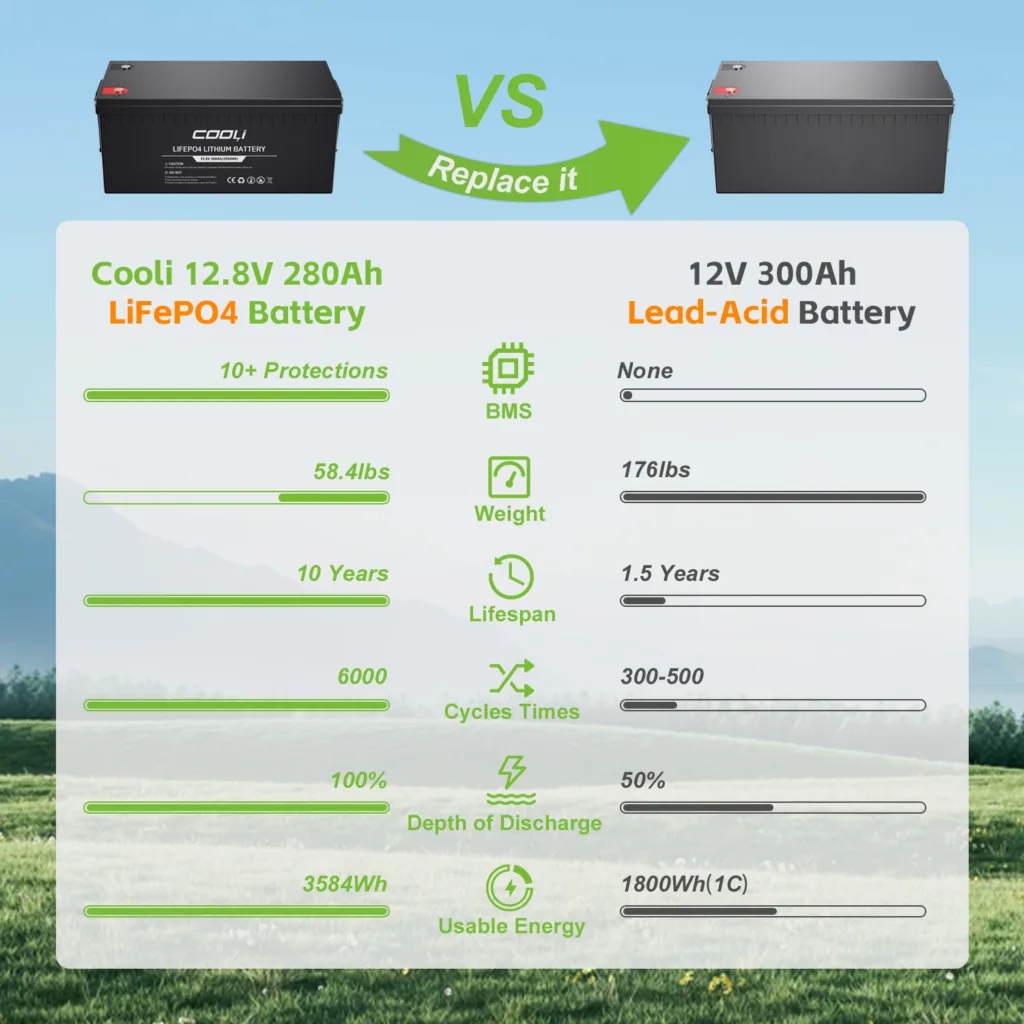
Lead acid batteries are very heavy.
For apartments and small homes in Kinshasa:
- Carrying batteries upstairs is difficult
- Installation requires extra space
- Moving or repositioning is inconvenient
This makes lead acid batteries poorly suited for:
- Apartments
- Rental homes
- Users who need portability
In contrast, modern lithium batteries are compact and much lighter.
3. High Maintenance Requirements
Lead acid batteries require regular maintenance, which many users underestimate.
Common issues include:
- Water refilling
- Terminal corrosion
- Ventilation requirements
- Risk of acid leakage
In Kinshasa’s hot and humid climate, maintenance problems become worse. Poor maintenance leads to faster degradation and safety risks.
4. Poor Performance in Hot Weather
Kinshasa temperatures often exceed 30°C.
Lead acid batteries:
- Lose efficiency in heat
- Degrade faster at high temperatures
- Have unstable performance during long outages
This means that even when fully charged, a lead acid battery may deliver less usable power than expected.
5. Hidden Safety Risks Indoors
Lead acid batteries:
- Release gases during charging
- Are not ideal for indoor use
- Pose risks in poorly ventilated rooms
For apartment dwellers in Kinshasa, this is a serious concern.
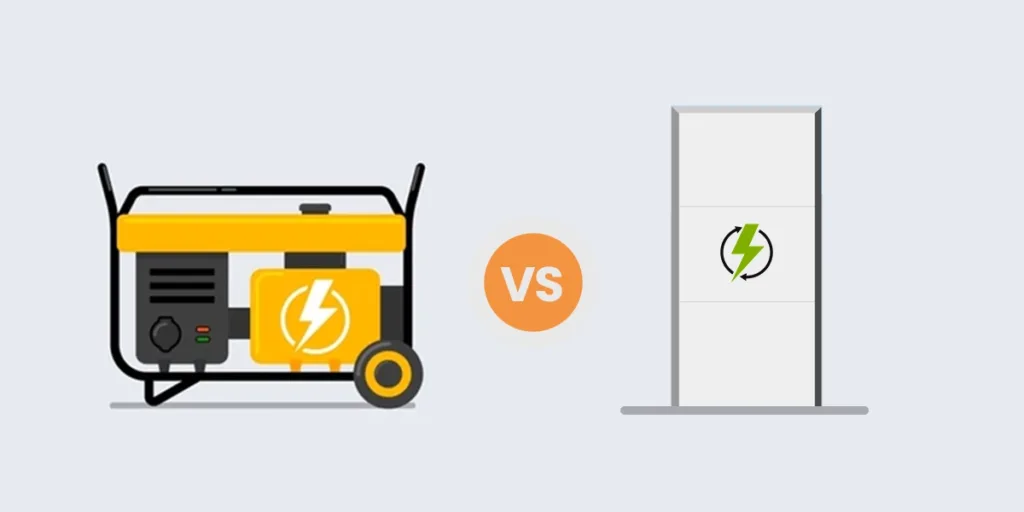
Why Lithium Batteries Are Better for Daily Blackouts in Kinshasa
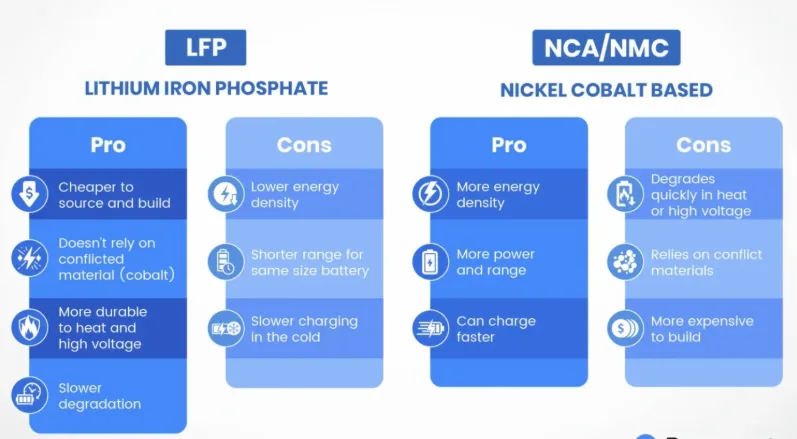
Lithium batteries, especially LiFePO4 lithium batteries, are designed for exactly the kind of usage Kinshasa homes experience: frequent outages, daily charging, and limited space.
1. Designed for Daily Charge and Discharge
Lithium batteries handle thousands of charge cycles without significant degradation.
In practical terms:
- Daily blackouts are not a problem
- Deep discharge does not damage the battery
- Performance remains stable over time
For Kinshasa users, this means reliability every day, not just in the first few months.
2. Much Longer Lifespan
A quality lithium battery typically lasts:
- 5–10 years, even with daily use
- 3–5 times longer than lead acid batteries
This makes lithium batteries far more suitable for long-term use in Kinshasa, where replacing batteries frequently is costly and inconvenient.
3. Lightweight and Portable
Lithium batteries are significantly lighter.
For example:
- A 1kWh lithium portable power station may weigh around 11–12 kg
- A comparable lead acid setup can weigh 30–40 kg or more
This makes lithium batteries ideal for:
- Apartments
- Small homes
- Users who need to move their system
- Portable power stations
4. Safe for Indoor Use
Modern lithium batteries come with:
- Built-in Battery Management Systems (BMS)
- Overcharge and over-discharge protection
- Temperature control
- Short-circuit protection
They produce:
- No gas
- No acid leakage
- No strong smell
This makes them safe for indoor use, even in bedrooms or living rooms — a major advantage in Kinshasa apartments.
5. Better Efficiency and More Usable Power
Lithium batteries provide more usable energy from the same capacity.
For example:
- A 1kWh lithium battery can deliver up to 90–95% usable power
- A lead acid battery may only provide 50–60% usable power
This means:
- Lights stay on longer
- Fans run longer
- TVs and routers work more reliably
6. Perfect Match for Portable Power Stations
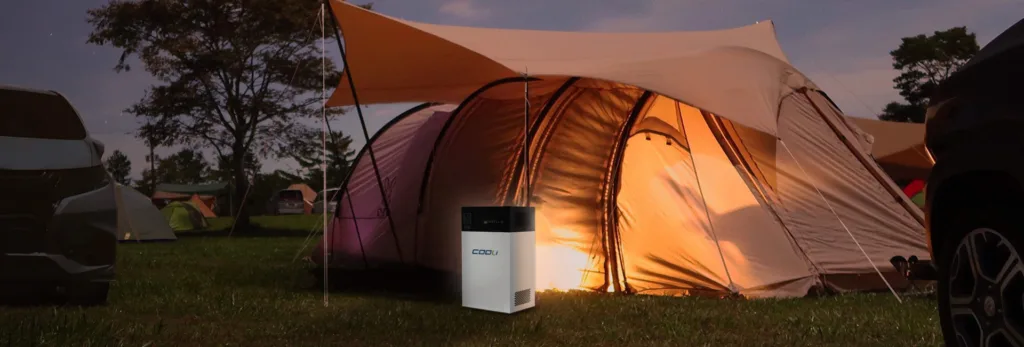
Lithium batteries are the core of modern portable power stations, which are becoming increasingly popular in Kinshasa.
These systems:
- Require no installation
- Work silently
- Can be charged by grid or solar
- Are easy to use for non-technical users
This is especially important for households with limited technical knowledge.
Lithium Battery vs Lead Acid: Cost Comparison Over Time in Kinshasa
At first glance, lead acid batteries appear cheaper. But the real question is:
Which battery costs less over time in Kinshasa?
Let’s compare realistically.
Initial Purchase Cost
- Lead acid battery: lower upfront price
- Lithium battery: slightly higher upfront cost
This is where many buyers stop comparing — and make a costly mistake.
Replacement Frequency
In Kinshasa conditions:
- Lead acid battery: replaced every 1–2 years
- Lithium battery: lasts 5–10 years
Over a 5-year period:
- Lead acid batteries may need 2–4 replacements
- Lithium battery usually needs no replacement
Maintenance Cost
Lead acid batteries:
- Require maintenance
- Risk damage if neglected
- Often fail early due to poor conditions
Lithium batteries:
- Maintenance-free
- Stable performance
- No extra costs
Total Cost Over 3–5 Years
When fuel savings (vs generators), maintenance, and replacement costs are included:
👉 Lithium batteries are often cheaper than lead acid batteries in the long run for Kinshasa households.
Real-Life Example in Kinshasa
A family using lead acid batteries may spend:
- Money on replacements
- Time dealing with failures
- Extra costs during outages
A family using a lithium portable power station:
- Pays once
- Uses it daily
- Enjoys stable power during blackouts
This is why more Kinshasa households are switching to lithium-based systems.

Which Battery Makes More Sense for Kinshasa Homes?
Let’s be very clear.
Lead Acid Batteries Make Sense If:
- You use backup power very rarely
- Budget is extremely limited
- Maintenance and replacement are acceptable
Lithium Batteries Are Better If:
- You experience daily blackouts
- You live in an apartment
- You want quiet, clean indoor power
- You want lower long-term costs
- You value safety and convenience
For most Kinshasa homes, lithium batteries are the smarter and more practical choice.
Portable Lithium Power Stations: A Practical Solution for Kinshasa
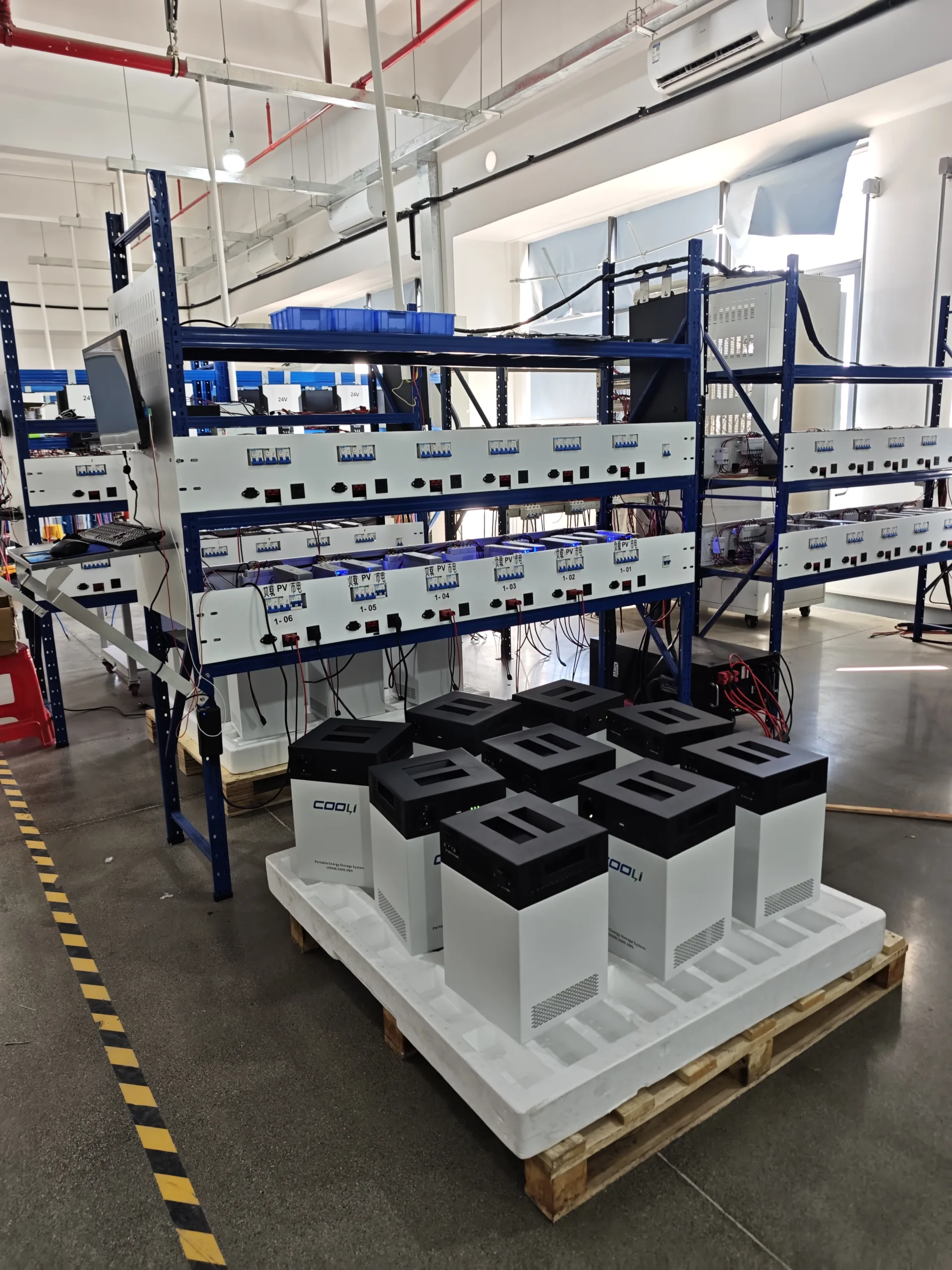
Modern portable power stations using lithium batteries are designed for exactly this environment.
They offer:
- 0.5kW / 1kWh and 1kW / 2kWh options
- Lightweight designs (as low as 11.5 kg)
- Solar charging compatibility
- Simple plug-and-play operation
- Prices under $200 for entry-level systems
For many families in Kinshasa, this is the easiest and safest way to get backup power.
👉 Internal link suggestion: Affordable Portable Power Station for Kinshasa Homes – Backup Power Under $200