The Battery Types for Reliable African Home Power Your Must-Know 2026
The Essential Battery Types for Your Reliable African Home Power
For millions of households and businesses across Africa, unreliable grids and the high cost of fossil fuel generators make renewable energy a game-changer. Solar panels are a vital first step, but to truly unlock 24/7 power, energy storage batteries are the essential companion. This guide explores the different types of battery backup systems and how they create effective off-grid and hybrid power solutions for African contexts, with a special focus on applications in places like Kinshasa, DR Congo.
Why Battery Storage is Non-Negotiable
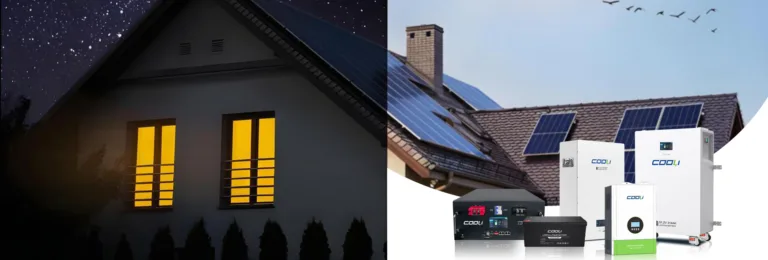
Solar panels only generate electricity when the sun shines. Renewable energy storage bridges the gap, storing excess solar energy produced during the day for use at night, during cloudy weather, or during grid outages. This transforms a solar system from a partial solution into a complete reliable power storage solution.
Key Types of Energy Storage Batteries
Choosing the right battery technology is crucial for performance, longevity, and cost-effectiveness. Here’s a breakdown of the most common options:
1. Lead-Acid Batteries
- Types: Flooded (FLA) and Sealed (AGM, Gel).
- Pros: Well-established, lowest upfront cost, widely available.
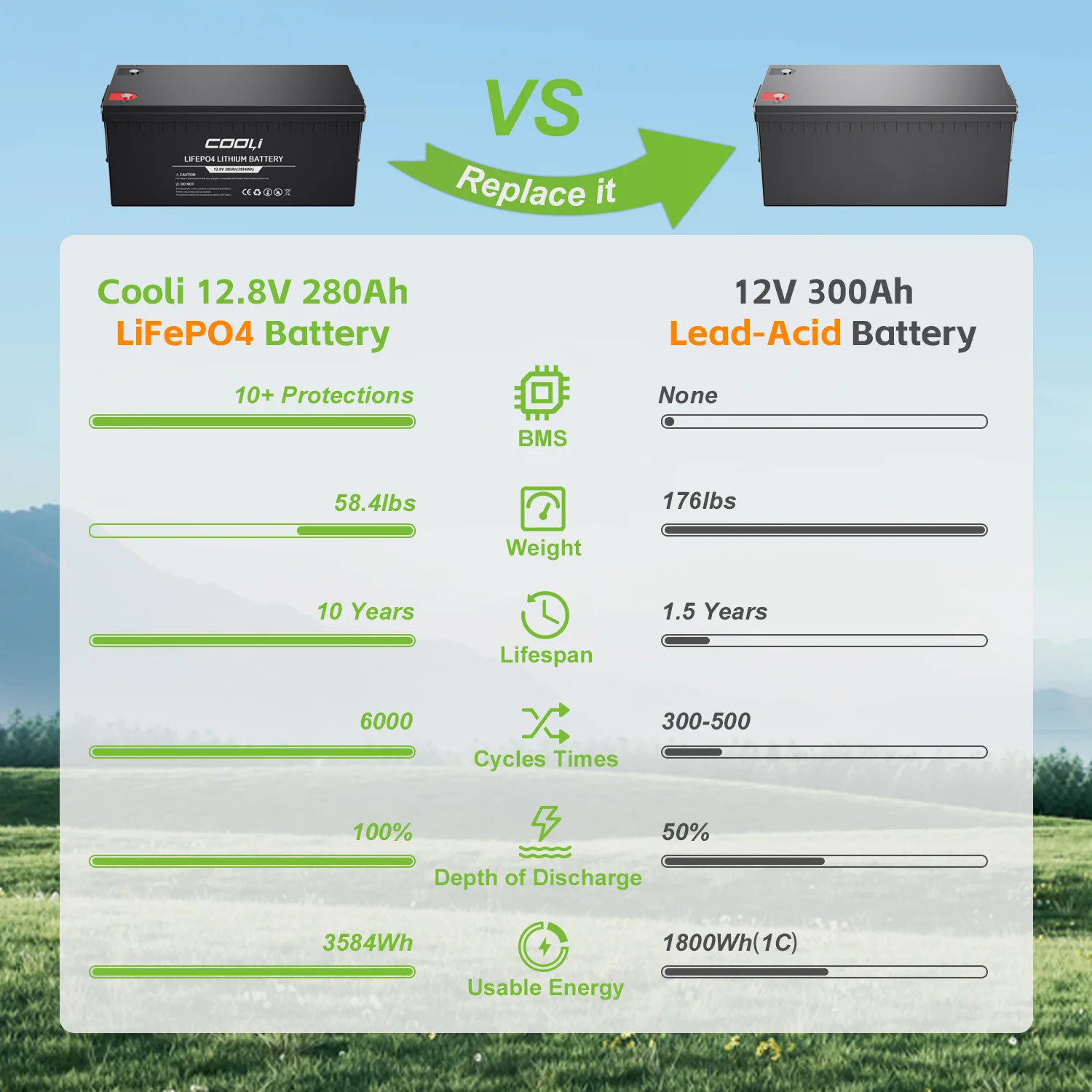
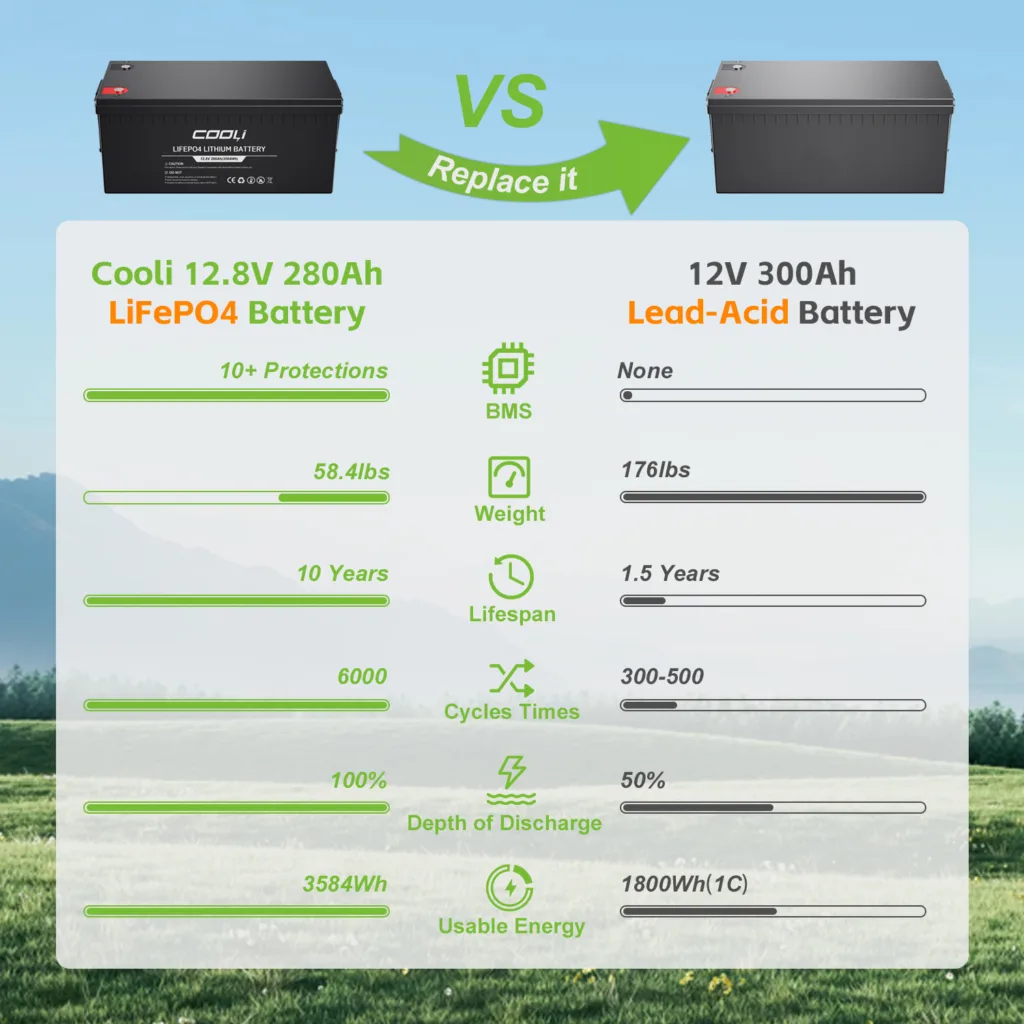
- Cons: Shorter lifespan (3-7 years), lower depth of discharge (DoD), require regular maintenance (especially FLAs), and are bulkier.
- Best for: Budget-conscious, smaller-scale solar battery storage projects where maintenance can be performed.
2. Lithium-Ion Batteries
- Types: Lithium Iron Phosphate (LFP) is the dominant type for solar storage.
- Pros: Long lifespan (10-15 years), high efficiency, compact size, requires no maintenance, and allows for a deeper DoD (using more of the stored energy).
- Cons: Higher initial investment.
- Best for: Most home battery backup installations and business solutions where long-term value, reliability, and low maintenance are priorities. LFP chemistry is particularly praised for its thermal stability and safety.
Installing Home Battery Backup with Solar Panels in Kinshasa
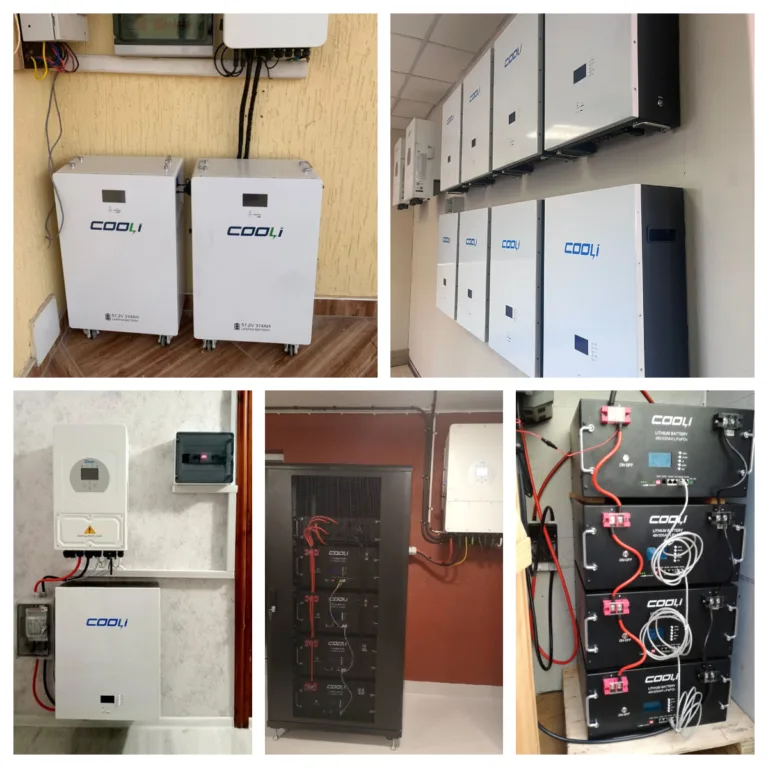
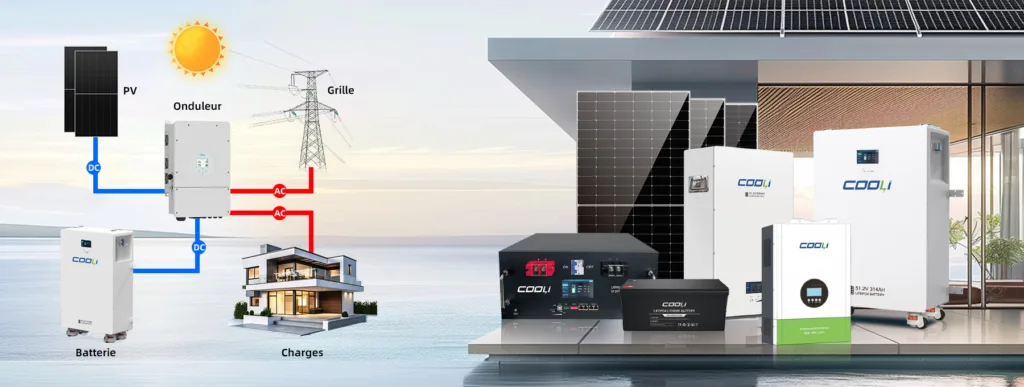
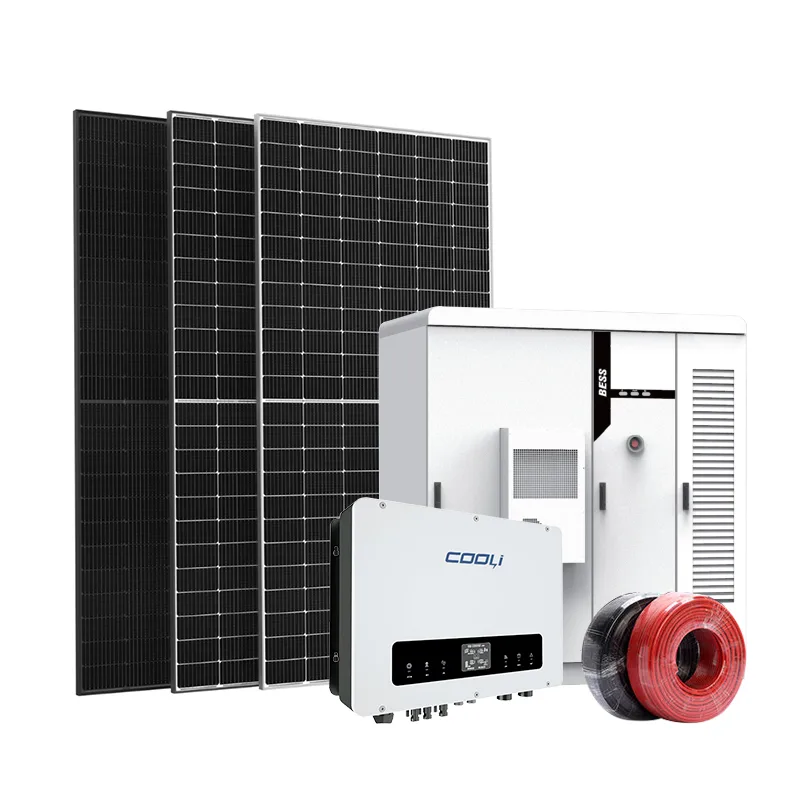
For residents of Kinshasa, combining solar panels with battery storage is a powerful strategy to combat load-shedding and gain energy independence. A typical installation includes:
- Solar Panels on the roof.
- A Charge Controller to regulate battery charging.
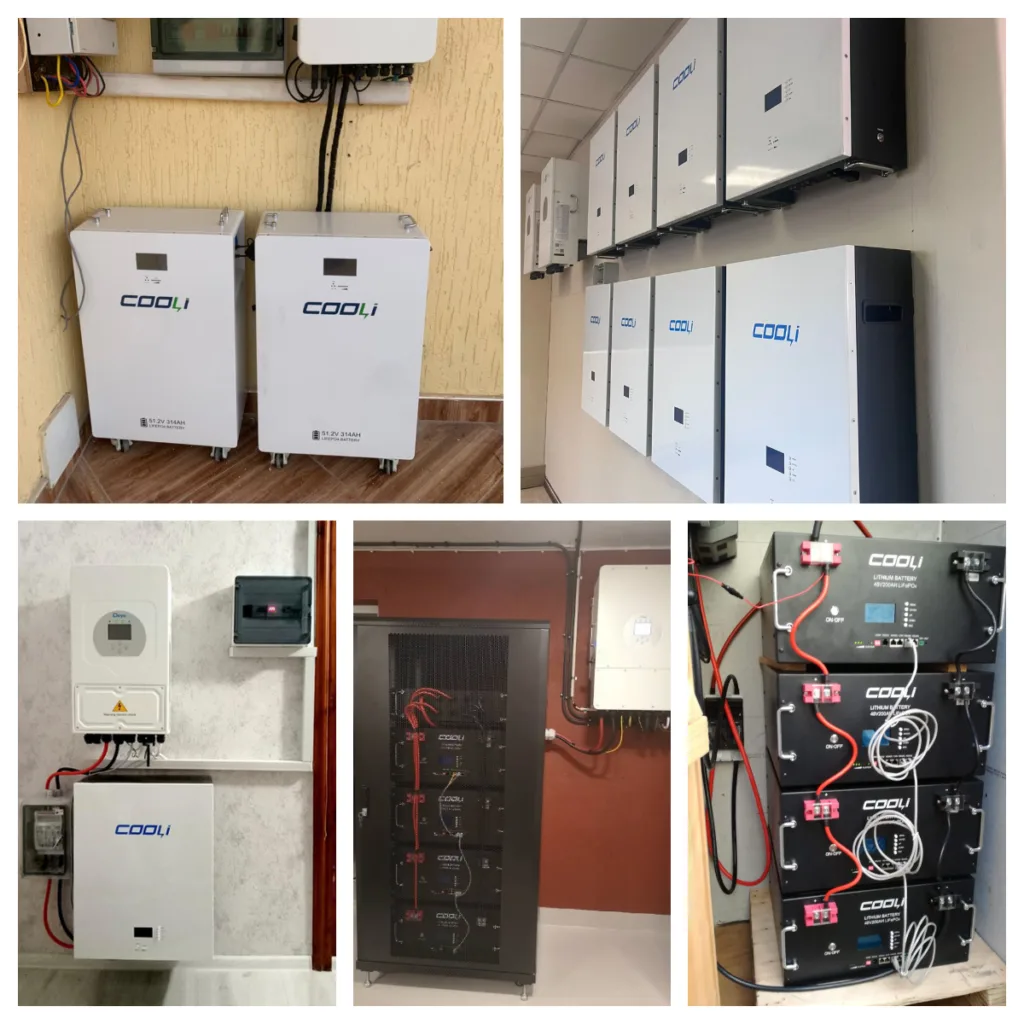
- The Energy Storage Battery bank (Lithium-ion is increasingly recommended).
- An Inverter to convert DC battery power to AC for home appliances.
- A critical step is a professional energy audit to right-size your system, ensuring it meets your nightly loads and essential needs during outages.
Maintenance Tips for Solar Batteries in Tropical Climates
The hot, humid climate of regions like Central Africa poses specific challenges. Here’s how to protect your investment:
- Control Temperature: Extreme heat is the enemy of all batteries. Install battery banks in a cool, shaded, and well-ventilated location. For lithium-ion, this drastically extends lifespan.
- Manage Humidity: Ensure the installation area is dry to prevent corrosion on terminals and connections, especially for lead-acid batteries.
- Ensure Ventilation: Particularly important for flooded lead-acid batteries, which off-gas hydrogen. A ventilated battery box is essential for safety.
- Regular Checks: For lead-acid, check electrolyte levels and terminal corrosion monthly. For sealed batteries (AGM, Lithium), a system performance check via the inverter’s monitoring system is key.
- Professional Servicing: Schedule annual check-ups with your installer.
Reliable Power Storage Solutions for Businesses in DR Congo
For businesses, a power outage means lost revenue and productivity. A robust battery backup system integrated with solar provides:
- Uninterrupted Operations: Keeps lights, refrigeration, POS systems, and essential machinery running.
- Predictable Energy Costs: Shields from diesel price volatility and rising grid tariffs.
- Enhanced Reputation: Signals reliability to customers and clients.
- Scalability: Systems can be designed to start with critical loads and expand as needed. Lithium-ion batteries are often the preferred choice for businesses due to their reliability, fast response time, and lower lifetime cost.
Conclusion: Building a Resilient Energy Future
Combining solar panels with battery storage in Kinshasa and across Africa is no longer a luxury—it’s a practical pathway to energy security and economic stability. While lead-acid batteries offer a lower entry point, the superior lifespan, depth of discharge, and minimal maintenance of Lithium Iron Phosphate (LFP) batteries are making them the leading choice for both homes and businesses seeking a reliable power storage solution.
Investing in the right solar battery storage system today means investing in years of reliable, clean, and self-generated power, turning the abundant African sun into a true 24/7 resource.