
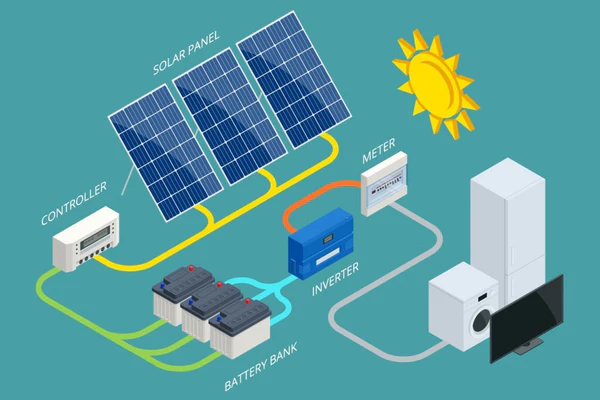
Как рассчитать емкость солнечной батареи? 3 Шаги к идеальному размеру
(Практическое руководство для африканских домов и предприятий, с акцентом на Южную Африку)
Соответствие мощности солнечных батарей графикам сброса нагрузки в Африке
В таких регионах, как Южная Африка и другие части Африки., Частые перебои в подаче электроэнергии и ненадежное электроснабжение делают солнечные энергетические системы спасательным кругом для домов и предприятий.. Важнейшим компонентом любой солнечной установки является аккумулятор., который хранит энергию для использования, когда не светит солнце. Однако, выбор неправильной емкости аккумулятора может привести к потере денег, недостаточная мощность, или сокращение срока службы батареи.
В этом руководстве подробно описан процесс расчета. емкость солнечной батареи в три простых шага, адаптированный к уникальным энергетическим потребностям Африки, климат, и солнечный потенциал.

Шаг 1: Определите свое ежедневное потребление энергии
Прежде чем определить размер батареи, тебе нужно знатьсколько энергии ежедневно использует ваше домохозяйство или бизнес.
- Перечислите все электроприборы вы планируете питаться от солнечной энергии.
- Типичная бытовая техника в африканских семьях: светодиодные фонари (5–10 Вт), холодильники (100–200 Вт), телевизоры (50–100 Вт), фанаты (50Вт), мобильные зарядные устройства (10Вт), и небольшие водяные насосы (200–500 Вт).
- Для бизнеса: Компьютеры, маршрутизаторы, камеры видеонаблюдения, или техника.
- Рассчитать ежедневное потребление энергии (в ватт-часах, Чт):
- Власть (Вт) × Часы использования в день = Ежедневная энергия на устройство.
- Пример:
- 5 светодиодные фонари (10Вт каждый) × 6 часы = 300 Чт
- Холодильник (150Вт) × 24 часы (циклически включается/выключается) ≈ 900 Чт
- ТВ (80Вт) × 4 часы = 320 Чт
- Общая дневная энергия = 300 + 900 + 320 = 1,520 Чт (1.52 кВтч)
- Фактор неэффективности:
- Солнечные системы теряют энергию из-за неэффективности инвертора (~10–20%) и потери при зарядке/разрядке аккумулятора (~10–15%).
- Умножьте общую дневную энергию на1.3 (30% буфер):
- 1.52 кВтч × 1.3 = ~2 кВтч в день.
Шаг 2: Рассчитайте емкость аккумулятора на основе дней автономной работы
Емкость аккумулятора зависит отсколько дней вам нужно резервное питание (дни автономии). В Южной Африке, где разгрузка нагрузки является обычным явлением, 2–3 дня автономности практично.
1.Формула:
Емкость батареи(кВтч)= Ежедневная энергия(кВтч)×Дни автономии
- Пример: Для 2 дни автономии:
2 кВтч/день×2 дня=4 кВтч
2.Конвертировать кВтч в ампер-часы (Ах):
- Батареи имеют номинал в Ач при определенном напряжении. (например, 12В, 24В, 48В).
- Формула:

- Пример: Для системы 48 В:

3.Фактор глубины разряда (Министерство обороны):
- Большинство батарей (например, литий-ионный) не должен разряжаться ниже 80–90% DoD. Свинцово-кислотные аккумуляторы ограничены 50% Министерство обороны.
- Отрегулируйте емкость:

- Пример: Для литий-ионных (90% Министерство обороны):

Шаг 3: Сопоставьте емкость аккумулятора с мощностью солнечной панели
Ваша батарея должна соответствовать возможностям зарядки вашей солнечной панели..
- Проверьте ежедневную выработку солнечной энергии:
- В среднем по Южной Африке4–6 часов пика солнечного света ежедневно (зависит от сезона).
- Формула:Выход солнечной панели(Чт)= Мощность панели × Солнечные часы Выход солнечной панели(Чт)= Мощность панели × Солнечные часы
- Пример: 400W панели × 5 солнечные часы = 2,000 Чт (2 кВтч).
- Убедитесь, что панели могут заряжать аккумулятор:
- Ежедневная выработка солнечной энергии должна превышать ежедневное потребление энергии.
- Пример: Если вы используете 2 кВтч/день и генерировать 2 кВтч/день, вам понадобится дополнительная емкость для пасмурных дней.
- Учет расширения системы:
- Добавьте 20–30 % дополнительной емкости аккумулятора для будущих нужд. (например, добавление бытовой техники).
Ключевые соображения для африканских пользователей
- Тип батареи:
- Литий-ионный: Более длительный срок службы (10+ годы), более высокий Минобороны (90%), но дорого.
- Свинцово-кислотный: Дешевле, но короче срок службы (3–5 лет) и ниже DoD (50%).
- Температура:
- Высокие температуры (распространен в Африке) снизить эффективность батареи. Устанавливайте батареи в затененном месте., вентилируемые помещения.
- Местная поддержка:
- Выбирайте бренды с сервисными центрами в вашем регионе (например, Хуавей, Виктрон Энерджи, или местные поставщики).
Пример расчета для домохозяйства в Южной Африке
- Бытовая техника: 10 огни (100Вт всего), холодильник (150Вт), ТВ (80Вт), вентилятор (50Вт).
- Ежедневная энергия: 1.5 кВтч + 30% буфер = 1.95 кВтч.
- Автономия: 2 дни → 3.9 кВтч.
- Напряжение аккумулятора: 48В → 3.9 кВтч × 1,000 / 48В = 81.25 Ах.
- Литий-ионный (90% Министерство обороны): 81.25 Ах / 0.9 ≈ 90 Ах.
- Рекомендуемая батарея: 100 Ах, литий-ионный (48В).
Заключительные советы
- Для точности используйте солнечный калькулятор..
- Проконсультируйтесь с местными установщиками для проверки вашей конструкции..
- Отдавайте приоритет энергоэффективным приборам, чтобы уменьшить размер и стоимость батарей..
Выполнив эти шаги, вы будете уверены, что ваша система солнечных батарей соответствует вашим потребностям, выдерживает сброс нагрузки, и выдерживает африканский климат. 🌞🔋
Дальнейшее чтение:
- [Полное руководство по настенному литиевому аккумулятору 48 В, 100 Ач: Отвечаю 5 Основные часто задаваемые вопросы]
- [48Солнечная батарея V 200 Ач, Уганда: Устранение сбоев & Экономьте затраты]
10Батареи LiFePO4, кВтч 10Стоимость солнечной батареи в кВтч в Мьянме 25Аккумуляторные системы кВтч Все-в-одном BESS Контейнер 4 МВтч Саудовская Аравия BESS Производитель Китай Самый дешевый домашний аккумулятор Китайские решения BESS Китай DDP Оптовая торговля Китайские заводские батареи LiFePO4 Китайская сетка BESS Китайские поставщики OEM Коммерческое хранение аккумуляторов в Кении Решения DC ESS Решение DDP напрямую в ДРК Прямой Китай в Африку Прямой аккумулятор из Китая в Африку аккумуляторная батарея Системы хранения энергии Мировые лидеры в области литиевых батарей Батарея класса А Поставщик аккумуляторных батарей в масштабе сетки Домашние батареи для голландских семей домашнее хранилище энергии Промышленная BESS Кения Свинцово-кислотные против. Литий-ионные аккумуляторы ЛиФеПО4 LiFePO4 аккумуляторы LiFePO4 аккумуляторы в Южной Африке Батарея LifePo4 Технология аккумуляторов LifePO4 Дистрибьютор LiFePO4 в Ираке LiFePO4 ESS Кения Литий-ионный аккумулятор литий-ионный аккумулятор Более низкие цены Тенденции рынка Наружный шкаф с жидкостным охлаждением Закупки LiFePO4 в Саудовской Аравии Масштабируемые решения BESS для промышленности Солнечные панели Солнечная система Штабелирование «все в одном» Солнечные батареи LiFePO4 оптом Оптом Солнечные батареи
Один комментарий