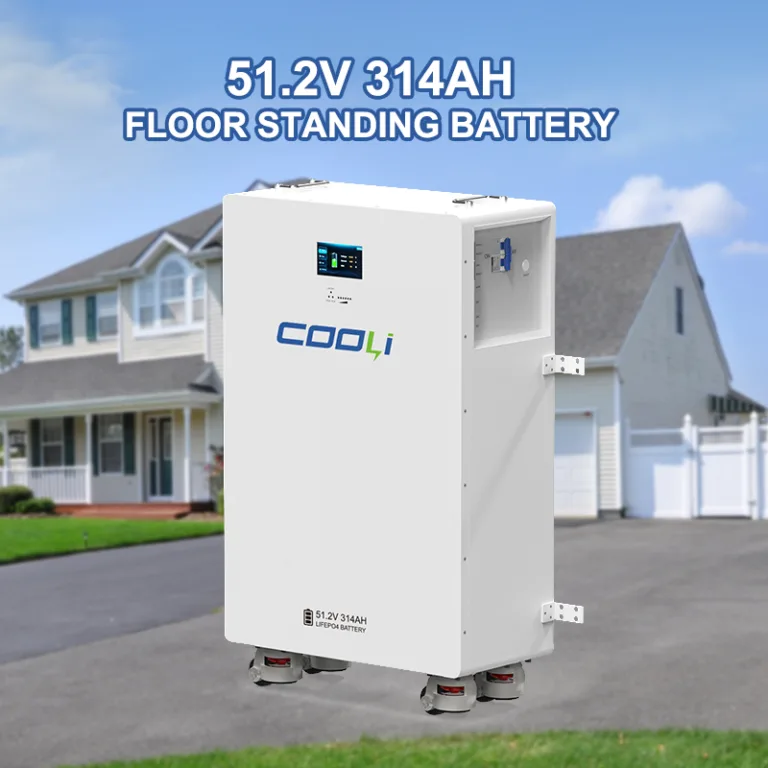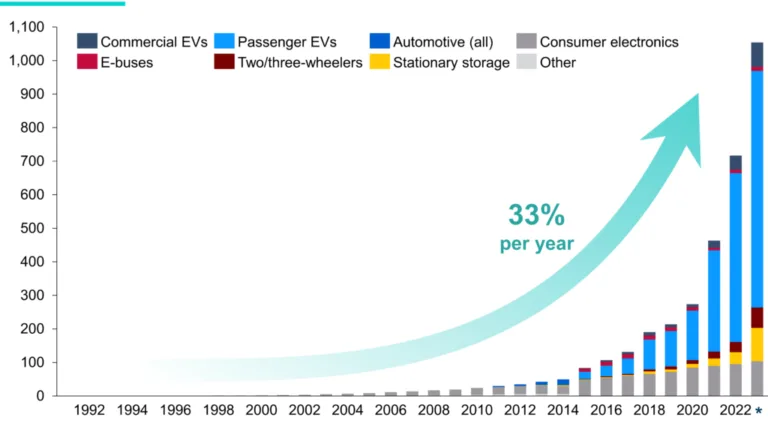
Почему моя солнечная батарея быстро разряжается? Причины & Исправления
Твой солнечная батарея drains fast most often because of parasitic loads, poor charge cycles, extreme temperatures, or an aging battery that can no longer hold its rated capacity. Identifying which factor applies to your system is the first step toward fixing it.
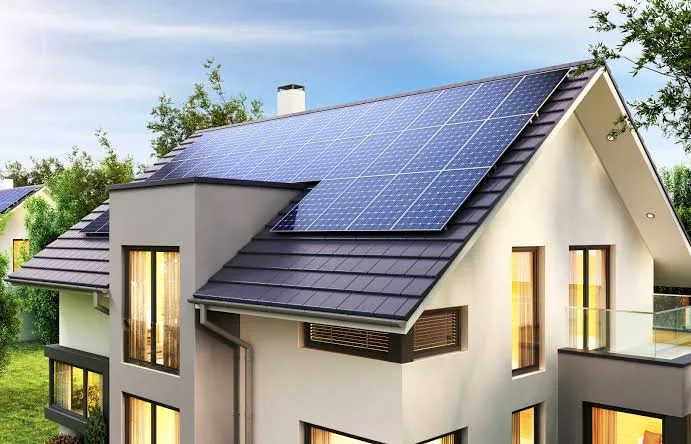
Why Does a Solar Battery Lose Charge So Quickly?
A solar battery’s job is simple: store energy during the day and release it when the sun isn’t shining. When it drains faster than expected, the cause usually falls into one of three categories — how the battery is being charged, how much power your home is pulling from it, and the battery’s internal health.
Unlike a car battery that mostly sits idle, a solar battery cycles daily, so small inefficiencies compound quickly. A battery rated for 10 kWh that only delivers 6 kWh usable capacity isn’t necessarily broken — it may simply be affected by depth-of-discharge settings, температура, or age-related capacity fade. Understanding this distinction helps you figure out whether you’re dealing with a quick fix or a battery nearing the end of its service life.
Common Causes of Fast Solar Battery Drain
1. Parasitic loads and phantom power draw Инверторы, monitoring systems, and standby appliances pull small amounts of power around the clock. Individually tiny, these loads add up overnight and can drain a battery noticeably faster than expected, especially in smaller systems.
2. Insufficient solar charging during the day Пасмурная погода, shading from trees or nearby structures, dirty panels, or an undersized array relative to your consumption can mean the battery never gets a full charge before evening loads kick in.
3. Extreme temperatures Both very hot and very cold conditions reduce a battery’s efficiency. Lithium-based batteries, including LiFePO4, lose some usable capacity in cold weather and can degrade faster if regularly exposed to high heat.
4. Battery aging and capacity fade All rechargeable batteries lose capacity over time. LiFePO4 batteries are known for long cycle life, but even they typically lose some capacity after several thousand cycles — faster if they’re routinely charged past 100% or discharged below the recommended minimum.
5. Incorrect depth-of-discharge (Министерство обороны) settings Some systems are configured to reserve more capacity as a buffer than necessary, which can make the battery seem like it’s draining fast when it’s actually just hitting its programmed cutoff sooner.
6. Inverter or BMS inefficiency The battery management system (БМС) and inverter both consume some energy during conversion. An aging or poorly matched inverter can waste more power than a newer, higher-efficiency model.
7. Increased household load New appliances, EV charging, or seasonal changes (like running AC or heating more) can increase demand beyond what the system was originally sized for.
Best Practices for Solar Battery Maintenance
- Monitor performance with an app or monitoring system to catch a gradual capacity decline early, rather than after it becomes a noticeable problem.
- Keep panels clean and unshaded so the battery receives a full charge whenever possible.
- Avoid extreme temperature exposure — install batteries in a temperature-controlled space when the manufacturer allows it.
- Don’t routinely deep-discharge the battery. For LiFePO4 batteries, staying within roughly 10–90% state of charge on a daily basis can meaningfully extend lifespan.
- Schedule an annual system check with your installer to inspect connections, firmware, and BMS settings.
- Choose LiFePO4 over older lithium-ion or lead-acid chemistries when replacing or expanding a system — LiFePO4 batteries generally offer more charge cycles, better thermal stability, and slower capacity fade.
- Right-size your system if your household load has grown; a battery that was adequate two years ago may now be undersized.
Часто задаваемые вопросы
вопрос: How long should a LiFePO4 solar battery last before it needs replacing? Most LiFePO4 batteries are rated for 4,000–6,000+ cycles, which can translate to 10–15 years of daily use before capacity drops significantly, depending on usage patterns and temperature exposure.
вопрос: Is it normal for a solar battery to lose some capacity over time? Да. Gradual capacity fade is normal and expected. A noticeable drop within the first year or two, однако, may indicate a defect, poor installation, or a BMS issue worth investigating.
вопрос: Can cold weather really make my battery drain faster? Да. Cold temperatures temporarily reduce a battery’s usable capacity and efficiency. This isn’t permanent damage in most cases, but it can make the battery seem like it’s draining faster during winter months.
вопрос: Should I be worried if my battery drains fully every night? Occasional full discharges aren’t necessarily harmful, but routinely draining a battery to 0% — especially below the manufacturer’s recommended minimum — can accelerate long-term capacity loss.
Заключение
Fast solar battery drain is usually explainable — and often fixable — once you identify whether the issue lies with charging, потребление, температура, or battery age. Regular monitoring and good charge habits go a long way toward extending your battery’s lifespan. If you’re still seeing unexpected drain after checking these factors, it may be time to have a solar technician run a full diagnostic on your system, or explore whether a LiFePO4 upgrade is the better long-term investment.
目录册-23.6.7修改_04-768x569.webp "5 Важные правила закупок LiFePO4 в Саудовской Аравии: Сохранять & Исполнять!")