
5 Powerful Benefits of a Home Battery: Save Money & Gain Peace of Mind
How a Home Battery System Works with Solar Panels
In an era of increasing energy awareness, climate considerations, and a desire for greater household resilience, the way we power our homes is undergoing a profound transformation. Homeowners are no longer passive consumers of electricity but are becoming active managers of their own energy production, storage, and usage. At the heart of this shift lies a powerful and enabling technology: the home battery storage system.

This guide is designed to demystify this technology and provide clear, practical answers to the most common questions. Whether you are a solar panel owner looking to maximize your investment, someone seeking reliable backup power, or simply exploring ways to take control of your energy costs and environmental impact, understanding battery storage is a crucial step. The following sections break down the essentials—from the basic “what and how” to the practical benefits and financial considerations—offering a foundational understanding to inform your journey toward a more secure and sustainable energy future for your home.
What is a home battery/storage system?
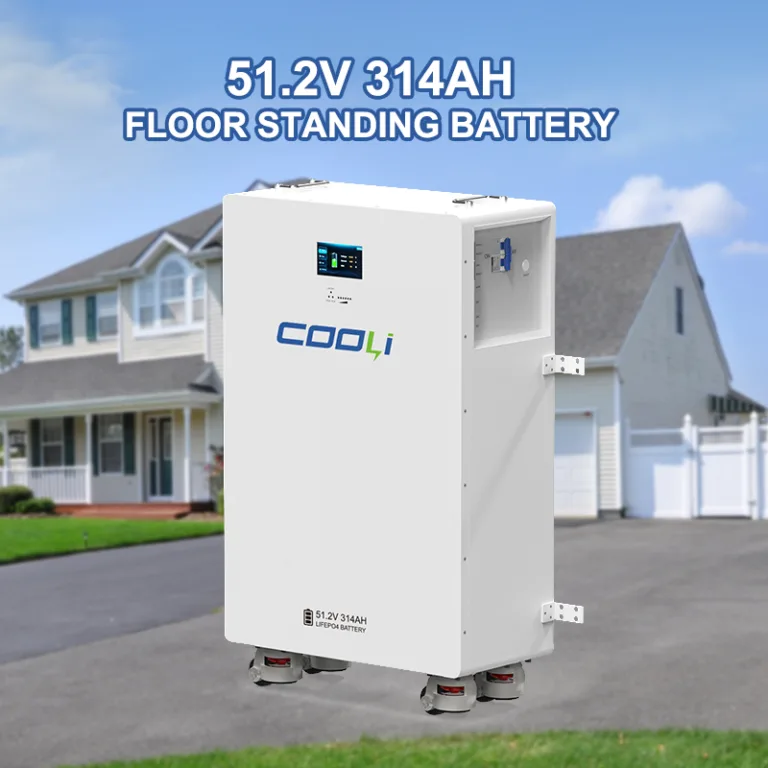
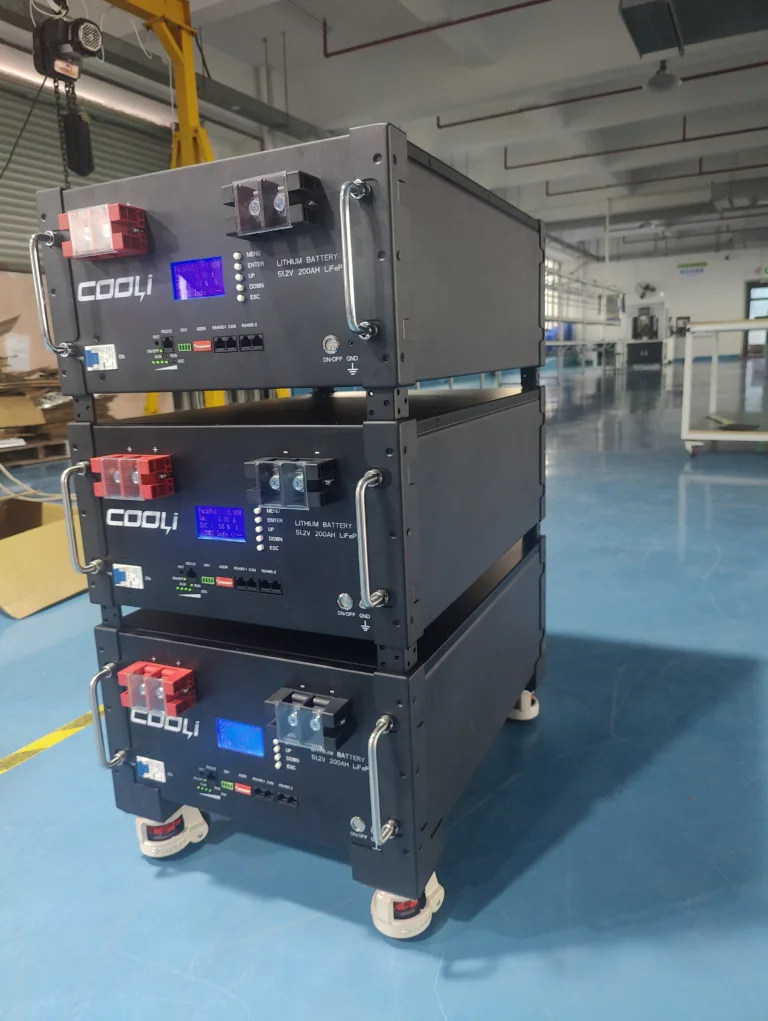
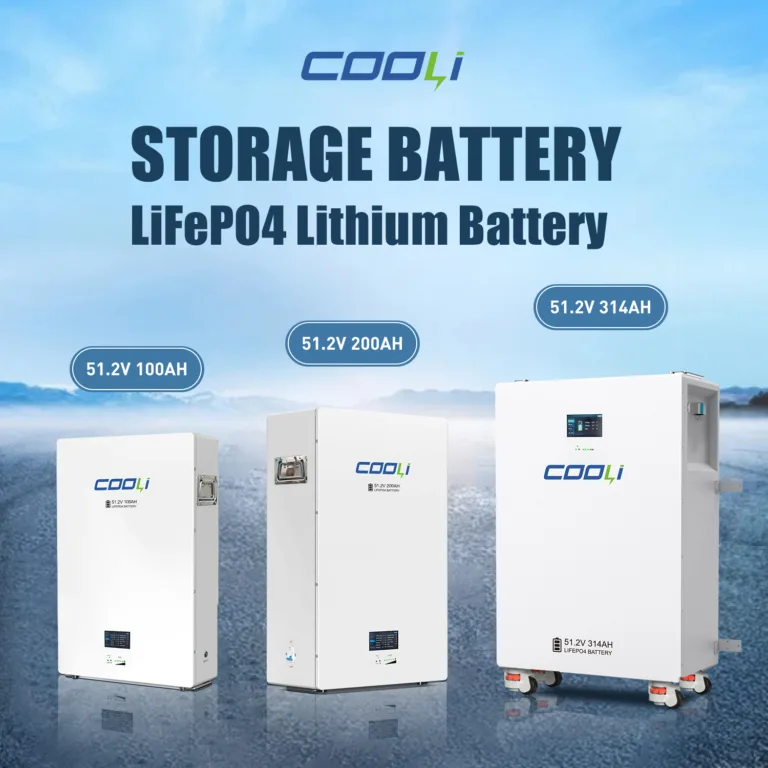
A home battery storage system is a unit that stores electrical energy for later use in your home. Think of it as a large, sophisticated rechargeable battery for your house. It is typically installed alongside your existing electrical panel and can store energy either from the electricity grid (during off-peak hours when rates are low) or from an on-site generation source like solar panels. The most common chemistry used in modern home batteries is lithium-ion, similar to electric vehicle batteries.
How does a battery work with solar panels?
A battery seamlessly integrates with a solar panel system to maximize the use of the solar energy you produce.
- Solar Generation: During the day, your solar panels convert sunlight into electricity.
- Direct Consumption: This electricity first powers your home’s immediate needs.
- Battery Charging: Any excess solar energy that isn’t used instantly is directed to charge your battery instead of being sent back to the grid.
- Stored Energy Use: When the sun goes down, your panels stop producing, or during a grid outage, your home automatically draws power from the charged battery. This allows you to use your own solar energy at night, significantly reducing your reliance on the grid.
What are the benefits of having a battery?
- Energy Independence & Resilience: The primary benefit is backup power during grid outages. A battery can keep essential appliances (lights, refrigeration, medical devices) running for hours or even days, depending on its capacity.
- Maximizing Solar Self-Consumption: It allows you to use more of the clean energy you produce, sometimes increasing your consumption of self-generated solar power from 30-50% to 70% or more.
- Grid Support & Stability: Batteries can help balance electricity demand on the local grid.
- Environmental Impact: By storing and using more renewable energy, you further reduce your carbon footprint.

Can I save money with a battery?
Yes, but savings depend heavily on your local utility’s electricity rate structure and policies.
- Time-of-Use (TOU) Rate Management: If your utility charges higher rates during peak evening hours, you can use stored battery power instead of buying expensive grid power, leading to direct bill savings.
- Reducing Grid Consumption: By using stored solar energy at night, you buy less electricity from the utility.
- Incentives: Many regions offer rebates, tax credits, or other incentives that improve the financial return.
- Note on Payback: The upfront cost can be significant. While savings are guaranteed, the “payback period” (time to recoup the investment) varies. For some, the primary value is in backup power and energy independence rather than immediate financial return.
Do I need solar panels to get a battery?
No, you do not need solar panels to install a battery. Batteries can be installed as standalone systems. They can be charged from the grid, which is particularly useful if you have time-of-use electricity rates—you charge the battery when grid rates are low and use it when rates are high to avoid peak charges. This is called “arbitrage.” However, pairing a battery with solar panels unlocks its greatest potential, creating a personal, clean energy ecosystem that provides both maximum savings and backup power from a renewable source.

In summary, a home battery storage system is a transformative technology that provides control, resilience, and efficiency for modern homeowners. It acts as a reservoir for electrical energy, most powerfully paired with solar panels to store surplus daytime generation for use at night or during outages, thereby maximizing self-consumption of clean energy.
The core benefits are clear: energy independence through backup power during grid failures, increased financial savings by avoiding peak electricity rates and using more of your own solar production, and a reduced carbon footprint. While solar panels are not a strict requirement—batteries can also charge from the grid for cost arbitrage—their combination creates a truly integrated and sustainable home energy solution.
Ultimately, investing in a battery is about taking charge. It’s a step towards greater household security, economic predictability amidst fluctuating energy costs, and a tangible contribution to a more resilient and cleaner energy grid. By understanding how these systems work and their potential benefits, homeowners can make an informed decision tailored to their priorities, whether centered on savings, security, or sustainability.