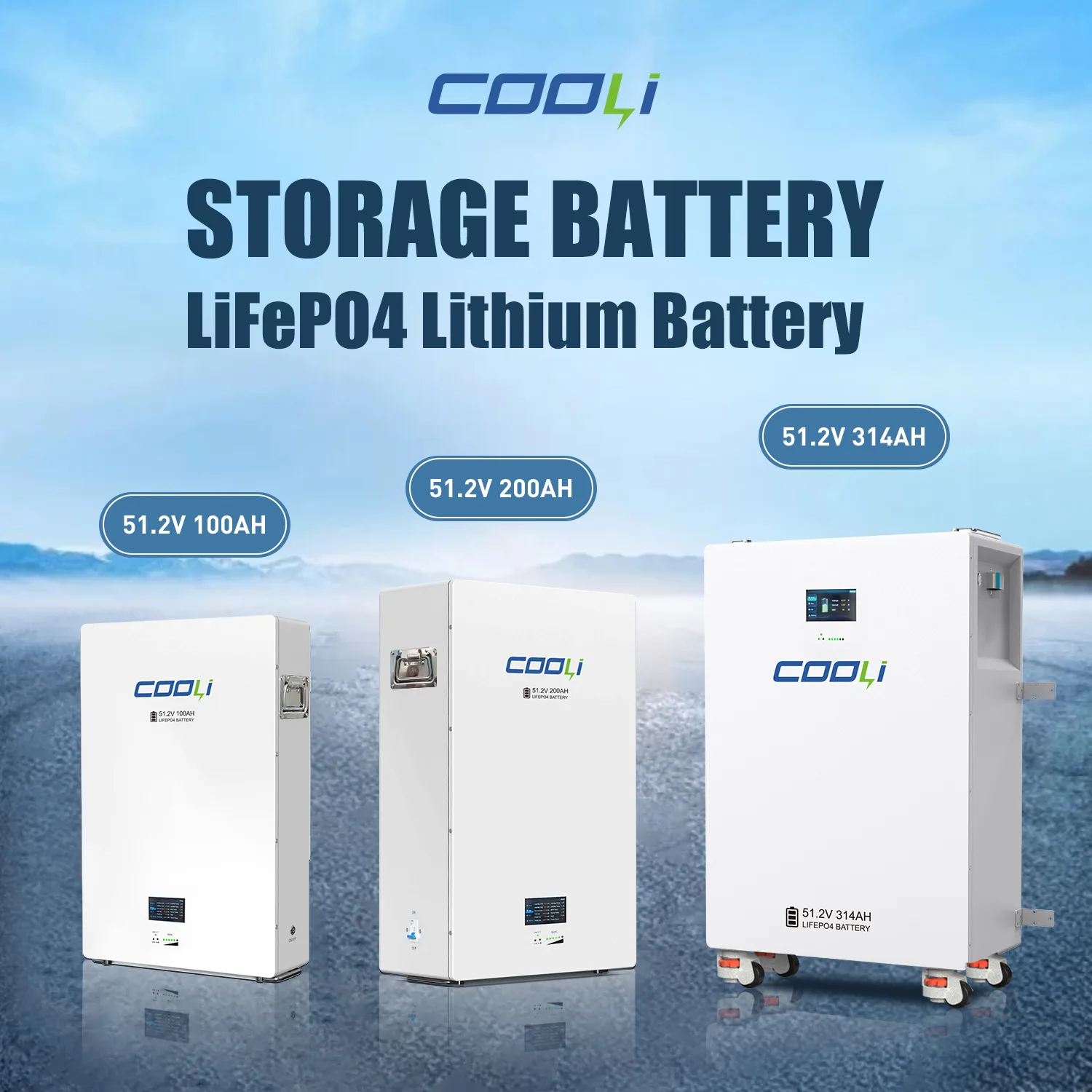
From Confusion to Confidence: A Kinshasa Resident’s Action Plan
Choosing an Energy Storage Battery for Your Kinshasa Home: A Practical Guide and Key Considerations
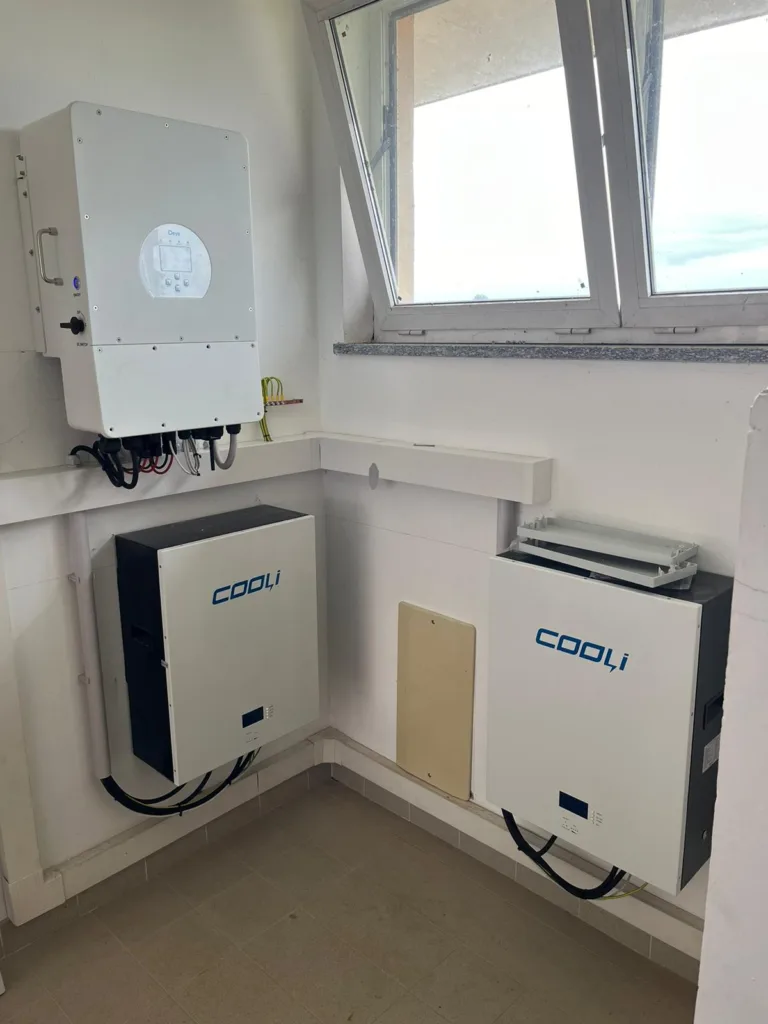
Faced with Kinshasa’s unreliable power supply, more and more households are considering installing energy storage battery systems. However, with complex technical terms and numerous brands on the market, how can you make an informed choice? This article provides a practical guide and key considerations tailored to the local context.
Step 1: Define Your Core Needs and Budget
Before looking at any products, ask yourself a few key questions:
- What is the primary goal? Is it to ensure basic lighting and phone charging at night, or to keep larger appliances like refrigerators, fans, or even air conditioners running?
- How long do you need backup for? Is it to cope with daily power cuts of a few hours, or to prepare for potential prolonged outages?
- What is your budget? Establish a realistic budget that includes both the equipment and the installation service.
Actionable Advice: Create a “must-run during an outage” appliance list and note their power ratings (usually labeled on the appliance in watts – W). This list will help installers accurately calculate the battery capacity you need.
Step 2: Understand Key Technical Specifications and Local Suitability
Understanding the spec sheet is crucial. Focus on these points:
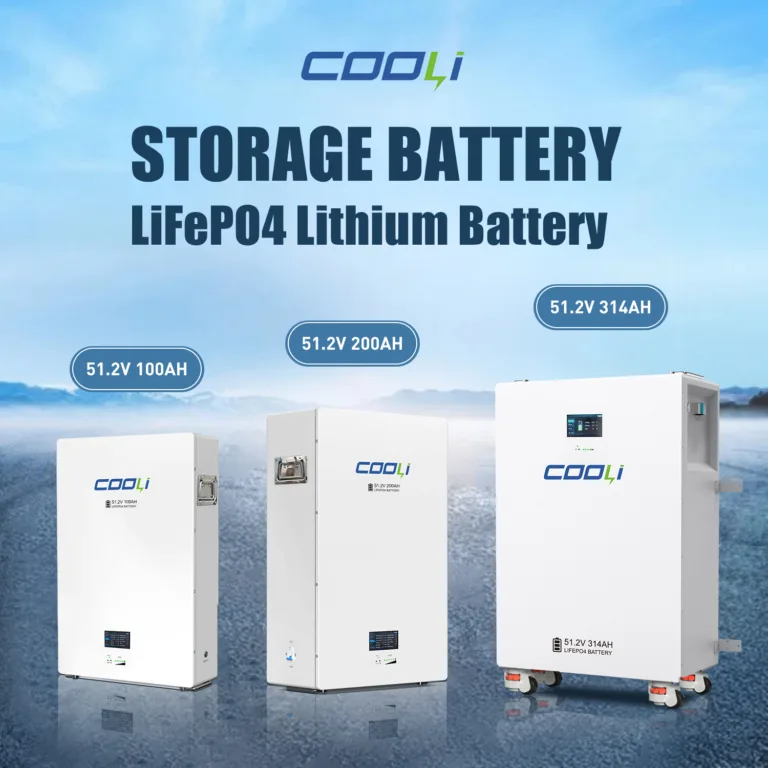
- Usable Capacity: Don’t just look at total capacity. Pay attention to the Usable Capacity, which is the actual energy you can use after considering the Depth of Discharge (DoD, measured in kilowatt-hours, kWh). For example, a 10kWh battery with a 90% DoD offers 9kWh of usable energy.
- Continuous Power Output: This determines how many appliances the battery can run simultaneously (measured in kilowatts, kW). Starting a microwave or water pump requires a high surge power; ensure your battery can handle it.
- Cycle Life and Warranty: Ask about the battery’s “full cycle count” at a specified DoD. High-quality lithium-ion batteries often exceed 6000 cycles. Crucially, understand the warranty terms, especially the guaranteed capacity retention over time (e.g., not less than 60% of original capacity after 10 years).
Local Pitfalls to Avoid:
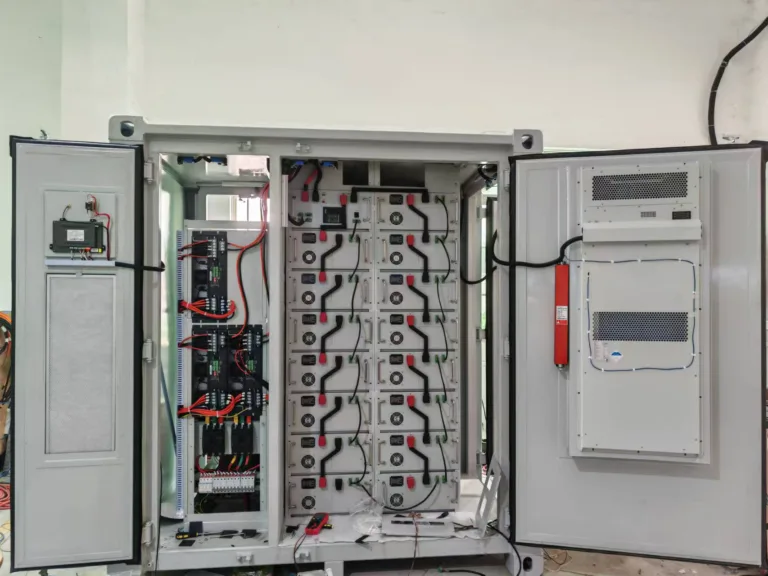
- High Temperatures: Kinshasa’s hot climate can accelerate battery aging. Choose battery brands with active temperature management systems (like fans or liquid cooling) and insist on installation in a cool, well-ventilated area.
- Voltage Fluctuations: Unstable grid voltage can damage equipment. Ensure your system includes or is paired with a high-quality inverter featuring voltage stabilization to protect both the battery and your home appliances.
Step 3: Choose a Reliable Local Service Provider
In Kinshasa, the reliability of the installer is often more critical than the battery brand itself.
- Site Visits: Request to see their completed local installation projects and speak to existing customers about their experience.
- Credentials and Experience: Verify that their team holds electrical qualifications and has certification for installing your chosen battery brand.
- Service and Support: Clearly understand the after-sales response time, troubleshooting procedures, and availability of local spare parts. A clear long-term service agreement is essential.
- Transparent Quotation: A professional quote should detail all costs: battery, inverter, distribution board, cables, installation labor, and any applicable government taxes.
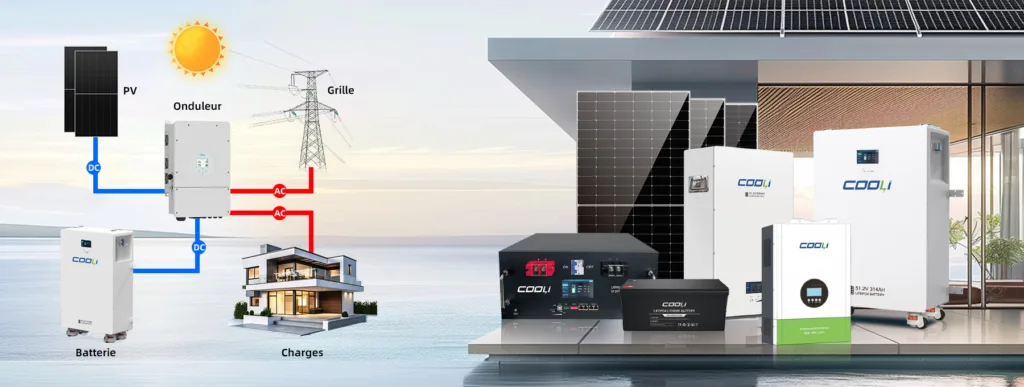
目录册-23.6.7修改_04-1024x759.webp "From Confusion to Confidence: A Kinshasa Resident's Action Plan")
Step 4: Prioritize Safety and Future Expandability
- Safety Certifications: Ensure the battery and inverter carry internationally recognized safety certifications (e.g., UL, CE, IEC).
- Fire Safety: Inquire about the battery’s chemical safety (e.g., Lithium Iron Phosphate – LFP batteries are generally more heat-resistant and stable than NMC) and understand the safety requirements for the installation environment.
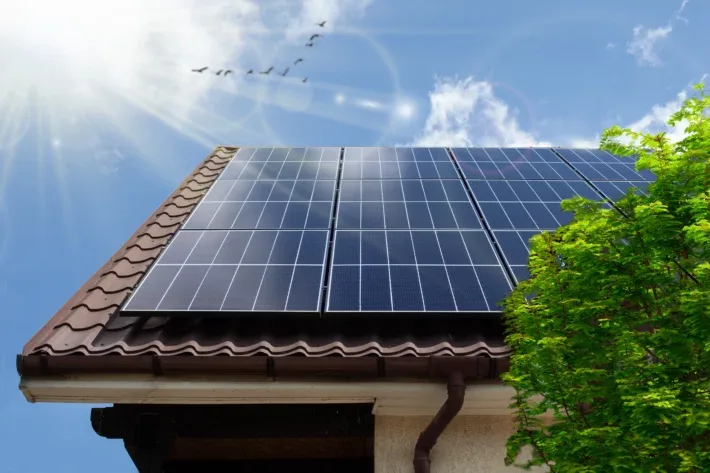
- Expandability: If you might add solar panels or need more capacity in the future, choose a system that supports modular expansion.
Conclusion: A Long-Term Asset Worth Careful Investment
Choosing a home energy storage battery is a significant investment, with returns paid daily in the form of power stability and convenience. In Kinshasa, the keys to success are: clearly defining your needs, thoroughly understanding the key specifications, and selecting a reputable installer who can provide reliable, long-term local support. Don’t rush the process. Taking the time to do your research will enable you to build a more secure and resilient energy future for yourself and your family.