
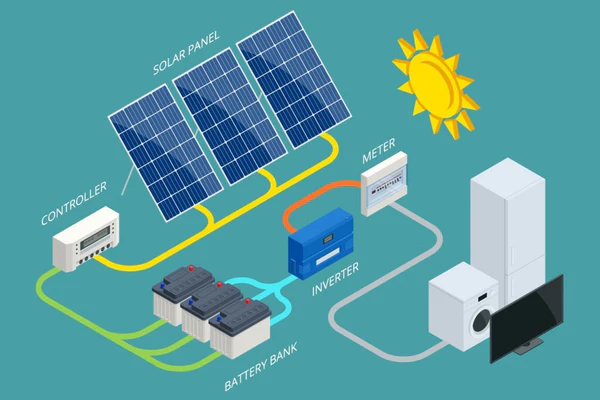
Как да изчислим капацитета на слънчевата батерия? 3 Стъпки за перфектно оразмеряване
(Практическо ръководство за африкански домове и бизнеси, с фокус върху Южна Африка)
Съвпадение на капацитета на слънчевата батерия с графици за намаляване на натоварването в Африка
В региони като Южна Африка и други части на Африка, честите прекъсвания на електрозахранването и ненадеждната електрическа мрежа правят слънчевите енергийни системи спасителен пояс за домовете и бизнеса. Критичен компонент на всяка слънчева инсталация е батерията, който съхранява енергия за използване, когато слънцето не грее. Въпреки това, изборът на грешен капацитет на батерията може да доведе до загуба на пари, недостатъчна мощност, или съкратен живот на батерията.
Това ръководство разбива процеса на изчисление капацитет на слънчевата батерия в три прости стъпки, съобразени с уникалните енергийни нужди на Африка, климат, и слънчев потенциал.

стъпка 1: Определете дневната си консумация на енергия
Преди да оразмерите батерията си, трябва да знаетеколко енергия вашето домакинство или бизнес използва дневно.
- Избройте всички електрически уреди планирате да захранвате със слънчева енергия.
- Типични уреди в африканските домакинства: LED светлини (5–10W), хладилници (100–200W), телевизори (50–100W), фенове (50У), мобилни зарядни устройства (10У), и малки водни помпи (200–500W).
- За бизнеса: Компютри, рутери, охранителни камери, или машини.
- Изчислете дневната консумация на енергия (във ват-часове, Wh):
- Мощност (У) × Часове на използване на ден = Дневна енергия на уред.
- Пример:
- 5 LED светлини (10W всеки) × 6 часа = 300 Wh
- Хладилник (150У) × 24 часове (цикли включване/изключване) ≈ 900 Wh
- телевизор (80У) × 4 часа = 320 Wh
- Обща дневна енергия = 300 + 900 + 320 = 1,520 Wh (1.52 kWh)
- Фактор на неефективността:
- Слънчевите системи губят енергия поради неефективност на инвертора (~10–20%) и загуби при зареждане/разреждане на батерията (~10–15%).
- Умножете общата дневна енергия по1.3 (30% буфер):
- 1.52 kWh × 1.3 = ~2 kWh на ден.
стъпка 2: Изчислете капацитета на батерията въз основа на дните на автономност
Капацитетът на батерията зависи отколко дни имате нужда от резервно захранване (дни на автономия). В Южна Африка, където разтоварването е обичайно, 2– 3 дни автономност е практично.
1.Формула:
Капацитет на батерията(kWh)=Ежедневна енергия(kWh)×Дни на автономията
- Пример: За 2 дни на автономия:
2 kWh/ден × 2 дни = 4 kWh
2.Преобразувайте kWh в ампер-часове (ах):
- Батериите се оценяват в Ah при определено напрежение (e.g., 12V, 24V, 48V).
- Формула:

- Пример: За 48V система:

3.Фактор в дълбочината на изпразване (МО):
- Повечето батерии (e.g., литиево-йонни) не трябва да се разрежда под 80–90% DoD. Оловно-киселинните батерии са ограничени до 50% МО.
- Регулирайте капацитета:

- Пример: За литиево-йонни (90% МО):

стъпка 3: Съпоставете капацитета на батерията с мощността на слънчевия панел
Вашата батерия трябва да съответства на способността за зареждане на вашия слънчев панел.
- Проверете ежедневното слънчево генериране:
- Средни стойности за Южна Африка4–6 пикови слънчеви часа дневно (варира според сезона).
- Формула:Изход на слънчевия панел(Wh)= Мощност на панела × Слънчеви часове Изход на слънчевия панел(Wh)= Мощност на панела × Слънчеви часове
- Пример: 400W панели × 5 слънчеви часове = 2,000 Wh (2 kWh).
- Уверете се, че панелите могат да зареждат батерията:
- Ежедневното слънчево производство трябва да надвишава дневната консумация на енергия.
- Пример: Ако използвате 2 kWh/ден и генерират 2 kWh/ден, ще ви трябва допълнителен капацитет за облачни дни.
- Сметка за разширяване на системата:
- Добавете 20–30% допълнителен капацитет на батерията за бъдещи нужди (e.g., добавяне на уреди).
Основни съображения за потребители от Африка
- вид батерия:
- Литиево-йонна: По-дълъг живот (10+ години), по-висок DoD (90%), но скъпо.
- Оловно-киселинен: По-евтин, но с по-кратък живот (3– 5 години) и по-нисък DoD (50%).
- температура:
- Високи температури (често срещани в Африка) намаляване на ефективността на батерията. Поставете батериите в сенчести, вентилирани помещения.
- Местна поддръжка:
- Изберете марки със сервизни центрове във вашия регион (e.g., Huawei, Victron Energy, или местни доставчици).
Примерно изчисление за южноафриканско домакинство
- уреди: 10 светлини (100W общо), хладилник (150У), телевизор (80У), вентилатор (50У).
- Ежедневна енергия: 1.5 kWh + 30% буфер = 1.95 kWh.
- Автономия: 2 дни → 3.9 kWh.
- Напрежение на батерията: 48V → 3.9 kWh × 1,000 / 48V = 81.25 ах.
- Литиево-йонна (90% МО): 81.25 ах / 0.9 ≈ 90 ах.
- Препоръчителна батерия: 100 А, литиево-йонна (48V).
Последни съвети
- Използвайте инструмент за соларен калкулатор за точност.
- Консултирайте се с местни монтажници, за да потвърдите вашия дизайн.
- Дайте приоритет на енергийно ефективните уреди, за да намалите размера и цената на батерията.
Като следвате тези стъпки, ще гарантирате, че вашата слънчева батерия отговаря на вашите нужди, оцелява при разтоварване, и издържа на климата на Африка. 🌞🔋
Допълнително четене:
- [Най-доброто ръководство за литиева батерия 48V 100Ah, монтирана на стена: Отговаряне 5 Ключови ЧЗВ]
- [48V 200Ah слънчева батерия Уганда: Разрешаване на прекъсвания & Спестете разходи]
10kWh LiFePO4 батерии 10kWh разходи за слънчева батерия в Мианмар 25kWh батерийни системи Всичко в едно Контейнер BESS 4MWh Саудитска Арабия BESS Производител Китай Най-евтината домашна батерия Китай BESS Solutions Китай DDP търговия на едро Китайски фабрични LiFePO4 батерии Китайска решетъчна скала BESS Китайски OEM доставчици Търговско съхранение на батерии Кения DC ESS решения DDP решение директно към ДРК Насочи Китай към Африка Директна батерия от Китай към Африка батерия за съхранение на енергия Системи за съхранение на енергия Глобални лидери в литиево-йонните батерии Батерия клас А Доставчик на решетъчни батерии за съхранение Домашни батерии за холандски семейства домашно съхранение на енергия Индустриален BESS Кения Оловна киселина срещу. Литиево-йонни батерии LiFePO4 LiFePO4 батерии LiFePO4 батерии в Южна Африка LifePo4 батерия Технология на батерията LifePO4 Дистрибутор на LiFePO4 в Ирак LiFePO4 ESS Кения Литиево-йонна батерия литиево-йонна батерия По-ниски цени Пазарни тенденции Външен шкаф за течно охлаждане Саудитска доставка на LiFePO4 Мащабируеми BESS решения за индустрията Слънчеви панели слънчева система Подреждане на всичко в едно Търговия на едро със слънчеви батерии LiFePO4 Соларни батерии на едро

Един коментар